
Simmons Cancer Center earns exceptional rating in its renewal as an NCI-designated Comprehensive Cancer Center
National Cancer Institute reaffirms UT Southwestern’s place among the country’s elite comprehensive cancer centers
DALLAS – Jan. 14, 2026 – The Harold C. Simmons Comprehensive Cancer Center at UT Southwestern earned an exemplary merit score from the Center for Scientific Review as part of the renewal of its comprehensive designation by the National Cancer Institute (NCI).
Simmons Cancer Center is one of 57 NCI-designated Comprehensive Cancer Centers in the U.S. and the only one in North Texas. The comprehensive designation highlights the center’s leading role in fighting cancer. It also marks the center’s inclusion in a nationwide infrastructure to advance cancer research and discovery and multidisciplinary patient care by integrating laboratory, clinical, and population-based research as well as cancer education and training, and community outreach and engagement.
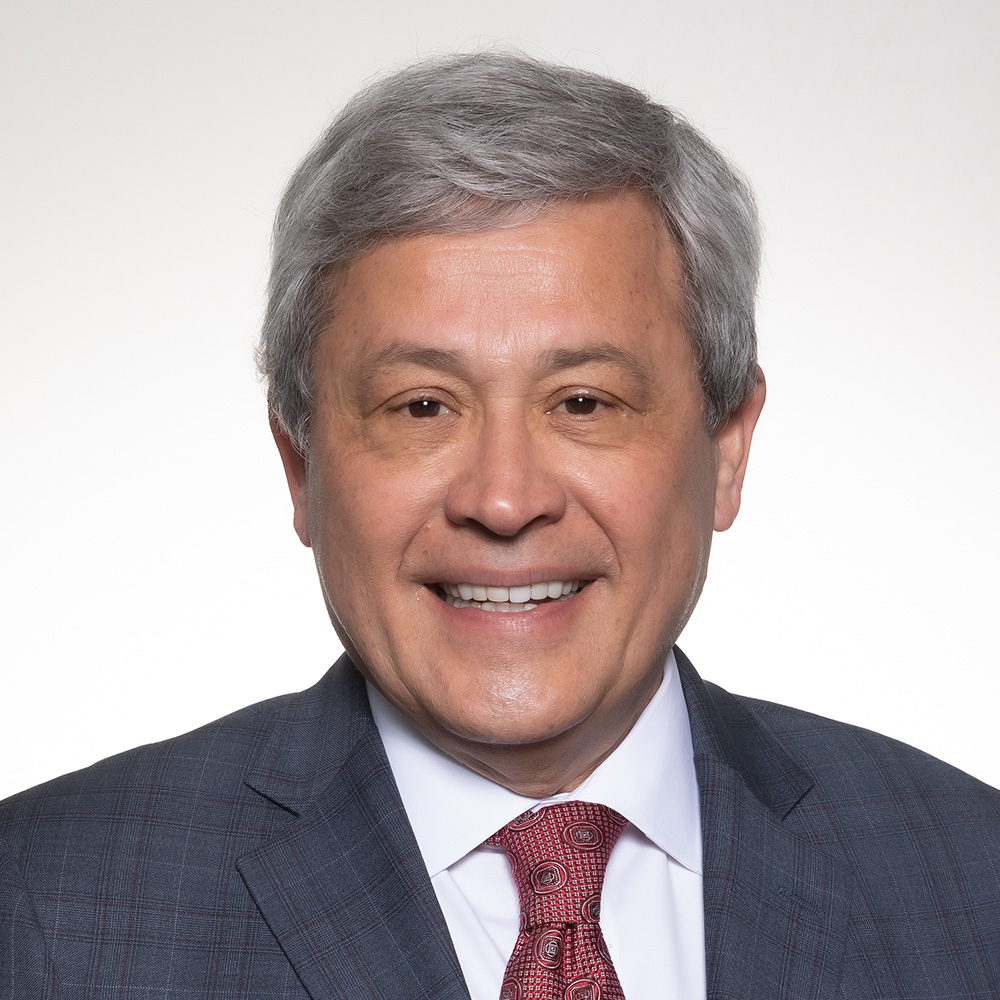
“We’re leading the way in cancer research, discovery, innovation, and multidisciplinary patient care as we strive to transform today’s scientific discoveries into tomorrow’s cures,” said Carlos L. Arteaga, M.D., Director of the Simmons Cancer Center and Associate Dean of Oncology Programs at UT Southwestern Medical Center.
The exceptional outcome of this highly rigorous review comes just months after UT Southwestern was ranked in the top 20 nationwide for cancer care by U.S. News and World Report for 2025-26.
Simmons Cancer Center is the NCI-designated Comprehensive Cancer Center for UT Southwestern and two affiliated health systems, Parkland Health and Children’s Health. It operates regional locations in Fort Worth, Richardson/Plano, and RedBird in southern Dallas. Some specialized cancer care is also available in Frisco, with expanded services planned to launch in 2027.
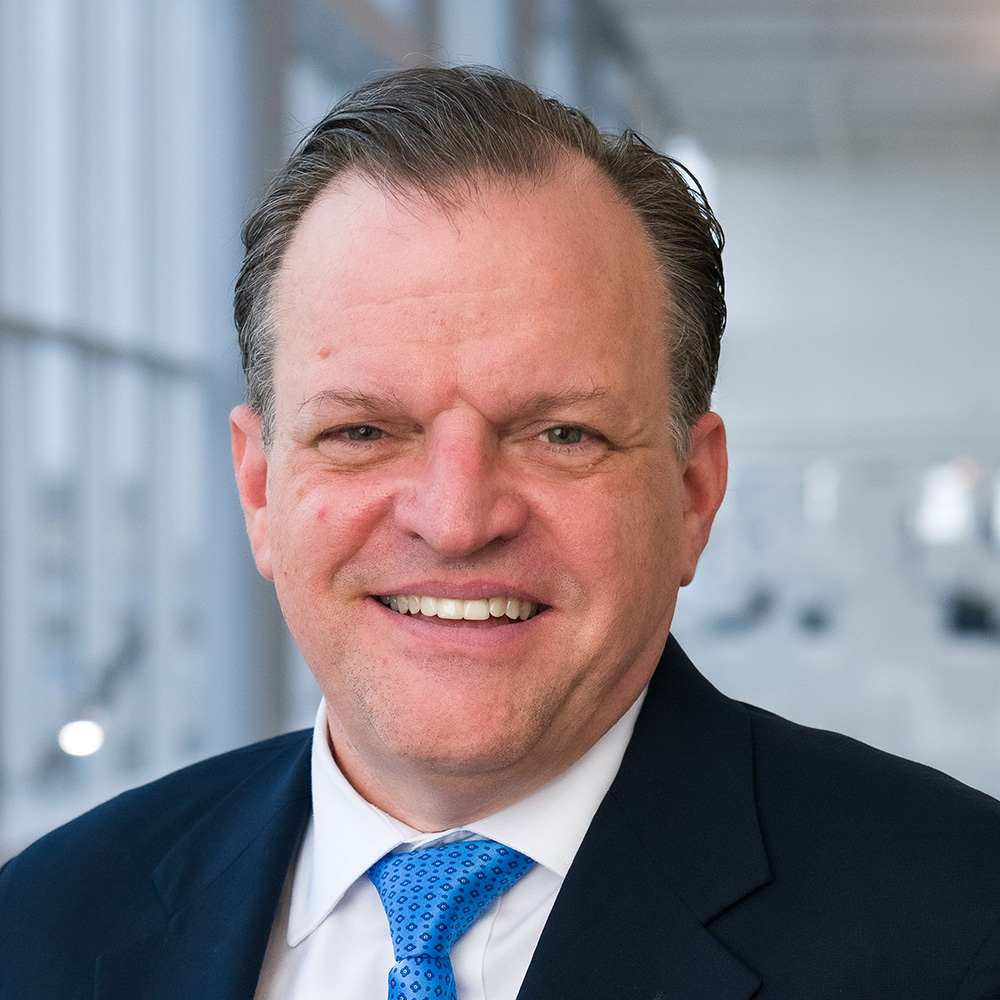
“We are committed to improving the outcomes for cancer patients in North Texas and beyond,” said Jason Fleming, M.D., Deputy Director for Clinical Affairs of the Simmons Cancer Center and Professor of Surgery at UT Southwestern. “Receiving an exceptional rating from the National Cancer Institute underscores UT Southwestern’s unwavering drive for excellence and reaffirms our dedication to scientific discovery, compassionate care, and education.”
Simmons Cancer Center has grown exponentially since its founding in 1991. It first became an NCI-designated Comprehensive Cancer Center in 2015 and was redesignated as a Comprehensive Cancer Center in 2021. In 2024, the center saw 10,319 new cancer cases, recorded 272,967 outpatient or treatment visits, and received over $120 million in cancer research-focused funding. During the last five years, the center performed nearly 80,000 cancer screenings in over 100 counties in Texas and almost 23,000 diagnostic procedures.
Its 288 scientists and clinical investigators are spread across 37 academic departments at UT Southwestern, an academic medical center known worldwide for its research, medical education, and clinical training.
Since 2020, Simmons Cancer Center members have published more than 3,600 cancer-relevant manuscripts, many of them in high-impact journals including Science, Cell, Nature, The New England Journal of Medicine, and the Journal of Clinical Oncology.
Simmons Cancer Center is home to NCI Specialized Programs of Research Excellence (SPOREs) in kidney cancer, lung cancer, and, most recently, liver cancer. The aim of these SPOREs is to translate basic science discoveries into better prevention and treatment strategies for patients who have those cancers or are at risk of them.
Through multidisciplinary disease-oriented teams, its clinical investigators and clinicians actively collaborate with five research programs in the center to provide cutting-edge precision therapies to each patient. Simmons Cancer Center also participates in more than 500 active clinical trials to deliver leading-edge care to patients. In 2024, the center enrolled a record number of almost 800 patients in therapeutic clinical trials.
“Patients coming to Simmons Cancer Center are not only going to receive excellent care but also have access to the latest innovations and clinical investigations that are going to give them a much better chance to be cured from cancer,” Dr. Arteaga said. “This is one of the big benefits of coming to a comprehensive cancer center designated by the National Cancer Institute.”
The center’s five research programs are Cellular Networks in Cancer, Chemistry and Cancer, Development and Cancer, Experimental Therapeutics, and Population Science and Cancer Control. They are designed to advance the understanding of cancer biology and translate that knowledge into novel approaches to prevent, diagnose, and treat cancer cases.
Dr. Arteaga holds the Annette Simmons Distinguished University Chair in Breast Cancer Research.
About UT Southwestern Medical Center
UT Southwestern, one of the nation’s premier academic medical centers, integrates pioneering biomedical research with exceptional clinical care and education. The institution’s faculty members have received six Nobel Prizes and include 28 members of the National Academy of Sciences, 26 members of the National Academy of Medicine, and 14 Howard Hughes Medical Institute Investigators. The full-time faculty of nearly 3,400 is responsible for groundbreaking medical advances and is committed to translating science-driven research quickly to new clinical treatments. UT Southwestern physicians in more than 80 specialties care for more than 143,000 hospitalized patients, attend to more than 470,000 emergency room cases, and oversee nearly 5.3 million outpatient visits a year.