
Three UT Southwestern faculty members elected to National Academy of Sciences
DALLAS – April 28, 2026 – The National Academy of Sciences (NAS) today elected three UT Southwestern Medical Center scientists into its membership. Election to the NAS is one of the highest honors in the United States for American scientists.
Elizabeth Chen, Ph.D., Ralph DeBerardinis, M.D., Ph.D., and Joel Elmquist, D.V.M., Ph.D., were elected by peers in recognition of their scientific accomplishments. With their election, UT Southwestern now has 27 members of the NAS among its faculty, more than all other institutions in Texas and the most in UT Southwestern history.
“This honor recognizes the contributions of three exceptional scientists who have advanced our understanding of cellular function and metabolic processes that contribute to human diseases, including cancer, obesity, and diabetes,” said Daniel K. Podolsky, M.D., President of UT Southwestern. “Their election further reflects UT Southwestern’s commitment to pioneering discoveries, advancing knowledge, and guiding progress in science and medicine.”
Drs. Chen, DeBerardinis, and Elmquist were among 120 U.S. members and 25 international members elected to the NAS this year. New members will be formally inducted at next year’s NAS Annual Meeting.
“The election of these faculty members to the NAS reflects the exceptional breadth, depth, and quality of research underway at UT Southwestern,” said W. P. Andrew Lee, M.D., Executive Vice President for Academic Affairs, Provost, and Dean of UT Southwestern Medical School. “Their achievements underscore the impact of sustained, curiosity‑driven discovery and exemplify the environment of scientific excellence we strive to foster.”
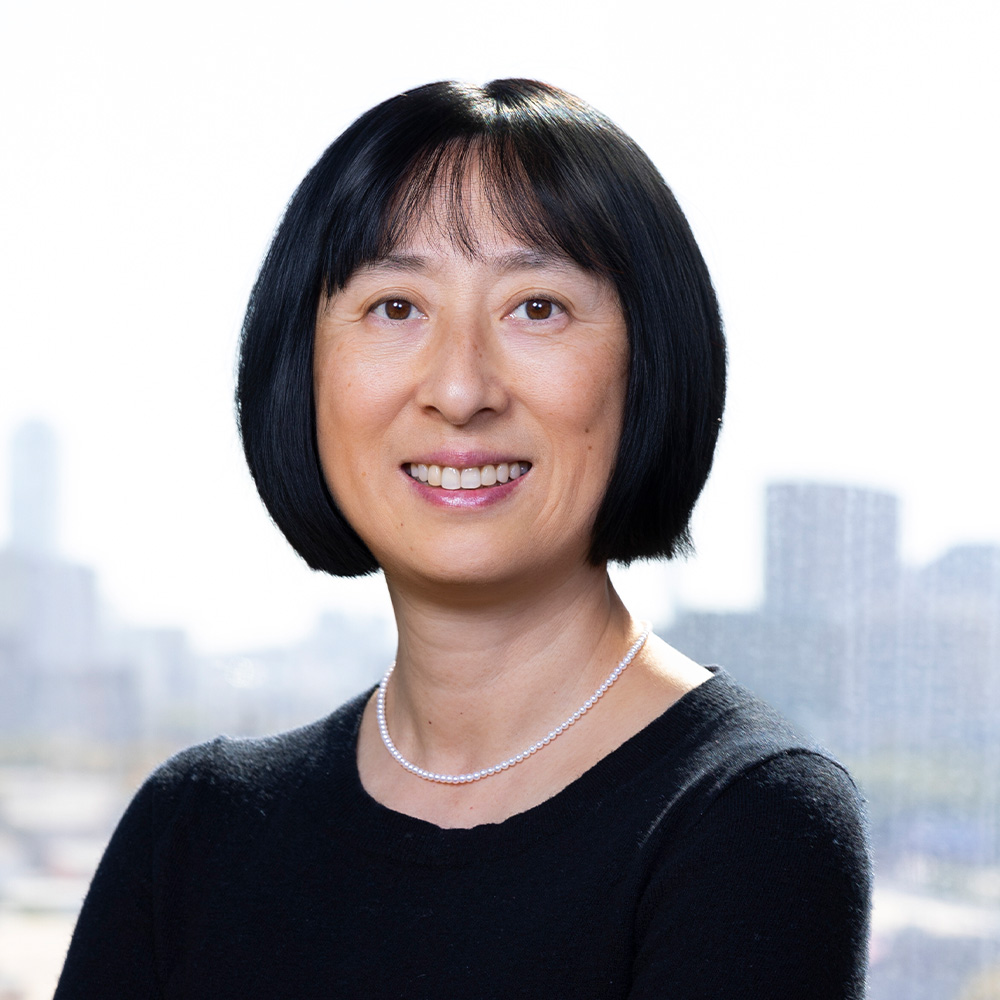
Elizabeth Chen, Ph.D., Professor of Molecular Biology and Cell Biology
Dr. Chen studies the molecular and cellular mechanisms underlying cell‑cell fusion, a fundamental biological process essential for muscle development, fertilization, placental formation, immune function, and tissue regeneration. Using model systems ranging from fruit flies to vertebrates, her genetic, cell biological, biochemical, and biophysical research has revealed how actin‑driven invasive structures and specialized fusion sites enable cells to merge. This work has established a framework for understanding how cell fusion occurs in development and how its dysregulation contributes to human disease.
Dr. Chen earned her undergraduate degree in biochemistry from Peking University, her master’s degree in chemistry and biochemistry from the University of California, Los Angeles, and her doctorate in developmental biology from Stanford University. She was a Helen Hay Whitney postdoctoral fellow in the laboratory of Eric Olson, Ph.D., Chair of Molecular Biology at UTSW, where she investigated the mechanisms underlying cell-cell fusion. After 12 years at Johns Hopkins University, she returned to UTSW as a Professor in 2016.
She was elected a Fellow of the American Society for Cell Biology in 2022. At UT Southwestern, Dr. Chen is also a member of the Development and Cancer Research Program at the Harold C. Simmons Comprehensive Cancer Center and the Hamon Center for Regenerative Science and Medicine.
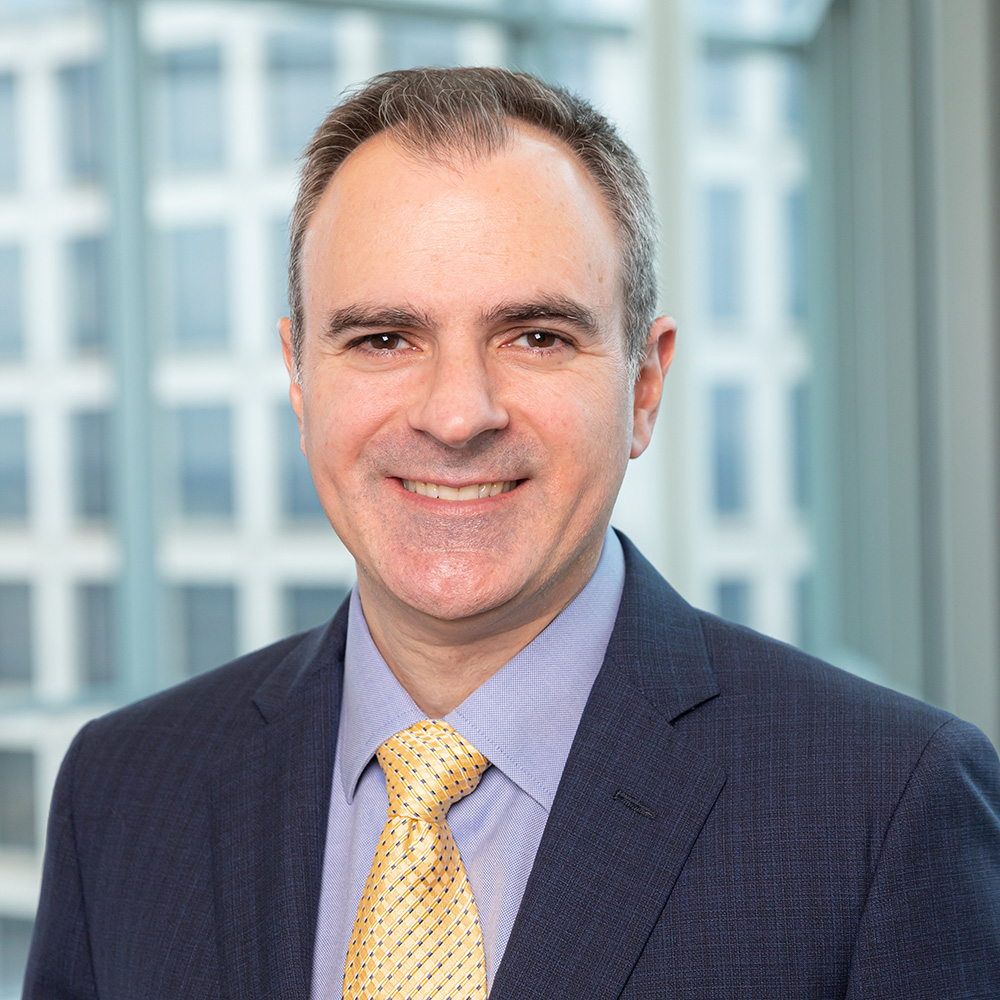
Ralph DeBerardinis, M.D., Ph.D., Professor and Director of the Eugene McDermott Center for Human Growth and Development, Director of the Genetic and Metabolic Disease Program in Children’s Medical Center Research Institute at UT Southwestern (CRI), and Professor of Pediatrics
Dr. DeBerardinis is an international leader in research on cancer metabolism. His work has reshaped understanding of how tumors and genetic diseases alter metabolic pathways. His laboratory pioneered methods to study metabolism directly in patients with cancer, leading to the landmark discovery that certain cancers can use lactate as a fuel source, challenging long‑standing assumptions in the field. These advances have opened new avenues for diagnostics and therapies across multiple cancers and inherited metabolic disorders.
Dr. DeBerardinis earned a bachelor’s degree in biology from Saint Joseph’s University and his medical degree and a doctorate in cell and molecular biology from the University of Pennsylvania. He completed his residency in pediatrics and medical genetics at Children’s Hospital of Philadelphia (CHOP) and postdoctoral work at the Penn Cancer Center. Dr. DeBerardinis joined the UT Southwestern faculty in 2008 and CRI shortly after its founding in 2011. In 2024, he was named Director of the Eugene McDermott Center for Human Growth and Development.
A Howard Hughes Medical Institute Investigator since 2018, he was elected to the National Academy of Medicine (NAM) and the Association of American Physicians in 2020. He received Outstanding Investigator Awards from the National Cancer Institute in 2017 and 2023 and the Paul Marks Prize for Cancer Research from Memorial Sloan Kettering Cancer Center in 2021. He is co-leader of the Cellular Networks in Cancer Research Program in the Simmons Cancer Center. He holds the Eugene McDermott Distinguished Chair for the Study of Human Growth and Development and the Philip O’Bryan Montgomery, Jr., M.D. Distinguished Chair in Developmental Biology, and he is a Sowell Family Scholar in Medical Research.
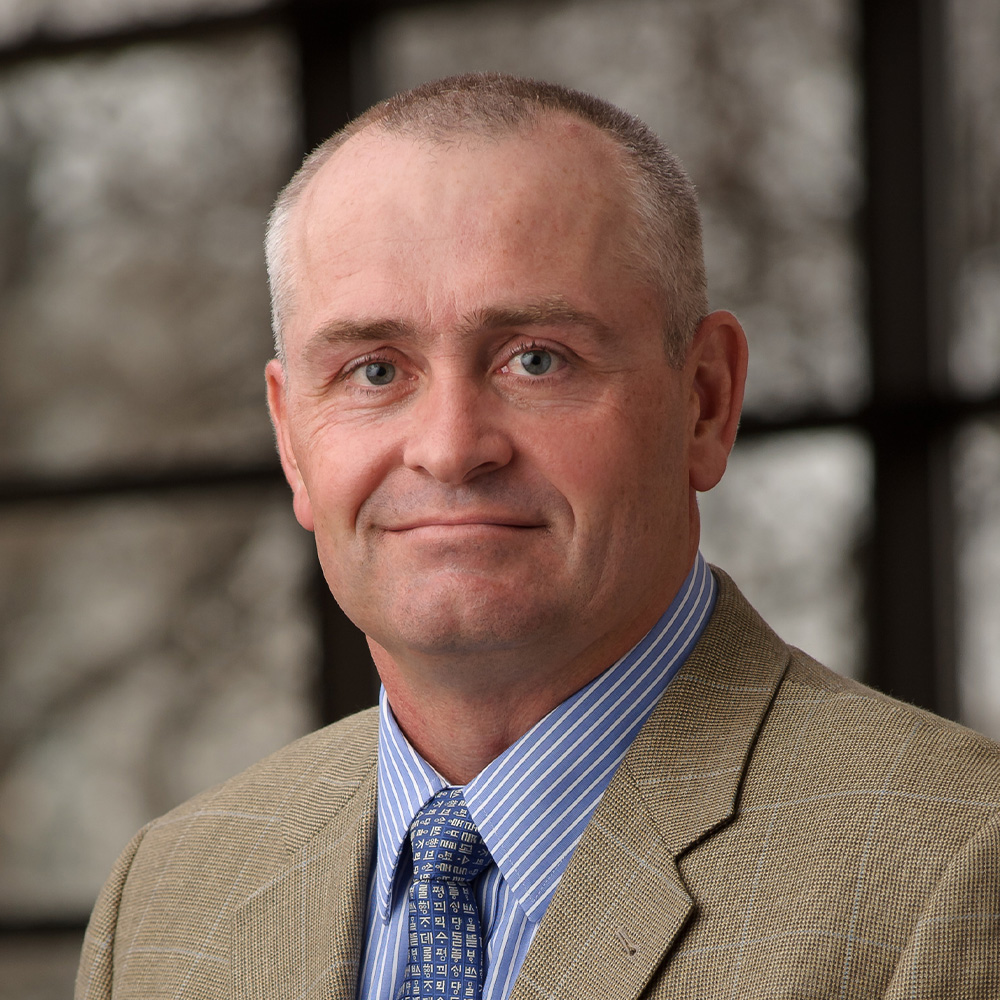
Joel Elmquist, D.V.M., Ph.D., Professor and Vice Chair of Research in the Department of Internal Medicine, Director of the Center for Hypothalamic Research, and Professor of Pharmacology and Psychiatry
Dr. Elmquist studies how the brain – particularly the hypothalamus – regulates energy balance, body weight, glucose metabolism, and the body’s response to exercise. Using advanced genetic and neurobiological tools, his research has identified key neural circuits and hormones, including leptin and melanocortin pathways, that link the central nervous system to obesity, diabetes, and metabolic disease. This work has helped establish the brain as a critical driver of whole‑body metabolic health and a potential target for new therapies.
As Vice Chair of Research, Dr. Elmquist supports and promotes high-impact research activity among faculty and trainees in the Department of Internal Medicine and develops strategies for recruitment, retention, and development of scientists and physician-scientists. He also helps guide the Department’s research administration, space allocation, grants management, and research infrastructure planning, renovation, and development.
Dr. Elmquist earned his Doctor of Veterinary Medicine and a doctorate in veterinary anatomy from Iowa State University and completed a postdoctoral fellowship at Harvard Medical School/Beth Israel Deaconess Medical Center in Boston. He later joined the faculty there in medicine and neurology. In 2006, he joined the faculty of UT Southwestern. He holds the Carl H. Westcott Distinguished Chair in Medical Research and the Maclin Family Distinguished Professorship in Medical Science, in Honor of Dr. Roy A. Brinkley.
UT Southwestern faculty who are members of the NAS, and the years they were elected, are: Michael Brown, M.D., and Joseph Goldstein, M.D., both in 1980; Steven McKnight, Ph.D., 1992; Ellen Vitetta, Ph.D., 1994; Johann Deisenhofer, Ph.D., 1997; Eric Olson, Ph.D., 2000; Joseph Takahashi, Ph.D., and Masashi Yanagisawa, M.D., Ph.D., 2003; Melanie Cobb, Ph.D., and David W. Russell, Ph.D., 2006; Helen Hobbs, M.D., 2007; Bruce Beutler, M.D., 2008; Zhijian “James” Chen, Ph.D., 2014; Lora Hooper, Ph.D., and Steven Kliewer, Ph.D., 2015; Joan W. Conaway, Ph.D., Sean Morrison, Ph.D., Kim Orth, Ph.D., and Michael Rosen, Ph.D., 2020; Donald Hilgemann, Ph.D., and Margaret Phillips, Ph.D., 2021; Jonathan Cohen, Ph.D., 2022; and Russell DeBose-Boyd, Ph.D., and Duojia Pan, Ph.D., 2023.
Dr. Lee holds the Atticus James Gill, M.D. Chair in Medical Science.
Dr. Podolsky holds the Philip O’Bryan Montgomery, Jr., M.D. Distinguished Presidential Chair in Academic Administration and the Charles Cameron Sprague Distinguished Chair in Biomedical Science.
About UT Southwestern Medical Center
UT Southwestern, one of the nation’s premier academic medical centers, integrates pioneering biomedical research with exceptional clinical care and education. The institution’s faculty members have received six Nobel Prizes and include 27 members of the National Academy of Sciences, 25 members of the National Academy of Medicine, and 13 Howard Hughes Medical Institute Investigators. The full-time faculty of nearly 3,400 is responsible for groundbreaking medical advances and is committed to translating science-driven research quickly to new clinical treatments. UT Southwestern physicians in more than 80 specialties care for more than 143,000 hospitalized patients, attend to more than 470,000 emergency room cases, and oversee nearly 5.3 million outpatient visits a year.