
From Survivor to Scientist
Nicole McCuen’s life changed dramatically as an early teenager when she was diagnosed with stage 3 synovial sarcoma. At just 14 years old she underwent surgery, radiation, and six months of chemotherapy. As a proud cancer survivor, the experience left a lasting impression. The toll that the treatments took on both her body and quality of life, including the side effects, helped shape her future.
Rather than moving on from her experience, Nicole became driven by a question that became her motivation: can treatment be made less toxic all while still being just as effective? Determined to improve the patient experience, she set her sights on a career in cancer research, not only focusing on survival, but on quality of life during and after treatment.
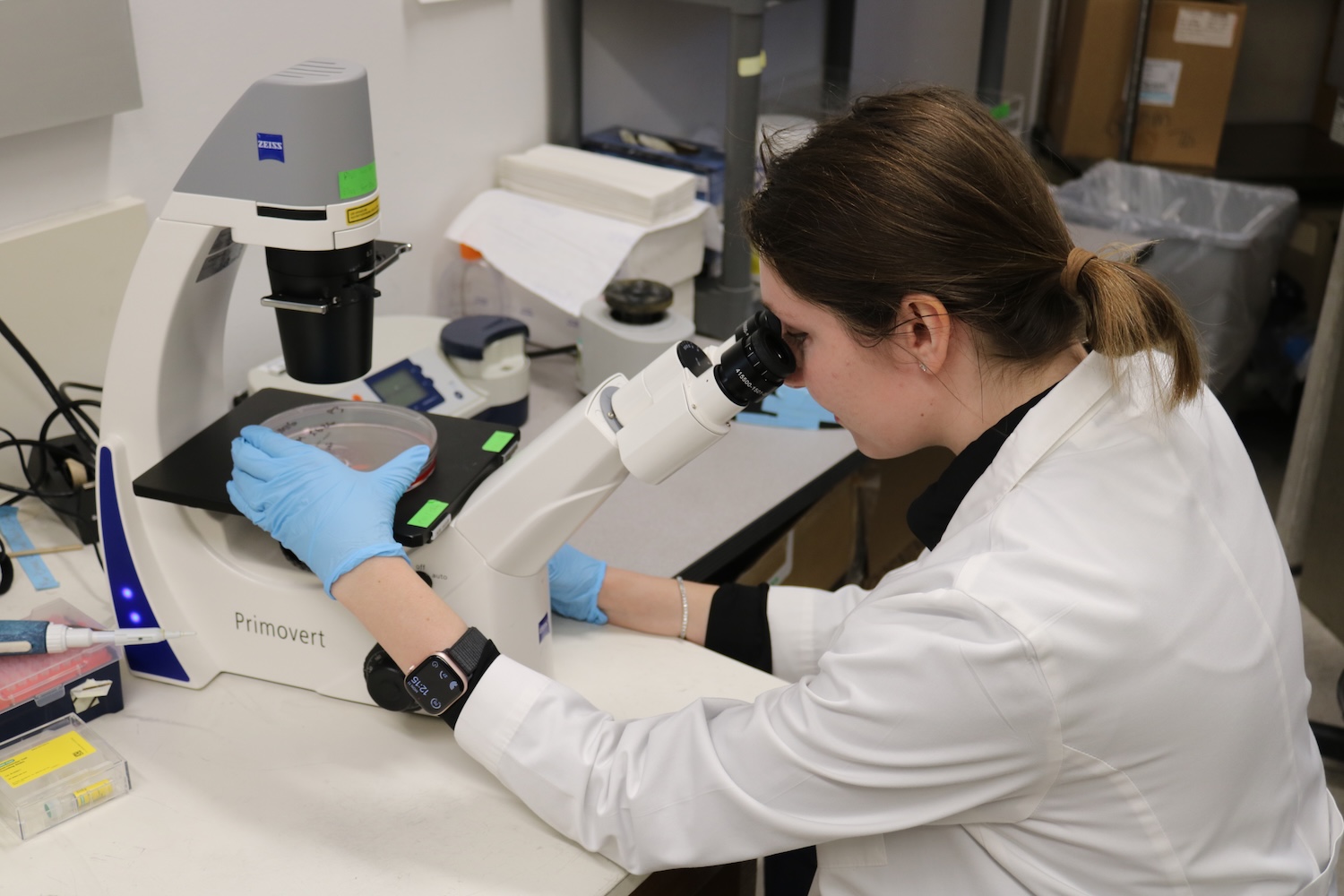
Growing up in Montana, cancer research opportunities were limited. It wasn’t until Nicole left home to attend Washington University in St. Louis that she was able to step into the field. As an undergraduate, she joined a lab focused on cancer immunotherapy where she quickly discovered a passion for bench science and translational research. The idea that her work could one day impact patients like herself solidified her decision to pursue a Ph.D.
Nicole found herself in Dallas at UT Southwestern Medical Center, specifically in the lab of Prasanna Alluri, M.D., Ph.D., Assistant Professor of Radiation Oncology. Drawn in by the lab’s strong emphasis on patient-centered translational science, she thrived in an environment that valued both independence and collaboration. Under Dr. Alluri’s mentorship, she developed as a researcher and as a mentor and leader, gaining the confidence to drive her own scientific vision.
Nicole’s dissertation work focused on developing a new form of immunotherapy. Her project’s research explored the combination of radiation therapy and BET inhibition as a therapeutic in situ cancer vaccine. This approach treats existing tumors by stimulating the immune system to recognize and attack cancer more effectively. In preclinical mouse models, the treatment demonstrated significant tumor control within a week, durable immune responses, and reduced toxicity, an encouraging step forward for cancers that typically resist current immunotherapies, including breast cancer and sarcoma.
Additionally, data from Nicole’s work suggested the treatment could help control metastases and reduce risk of later recurrence. Soon, there are hopes to move into a clinical trial. With promising results and ongoing efforts toward clinical translation, Nicole’s work represents a meaningful contribution to the field.
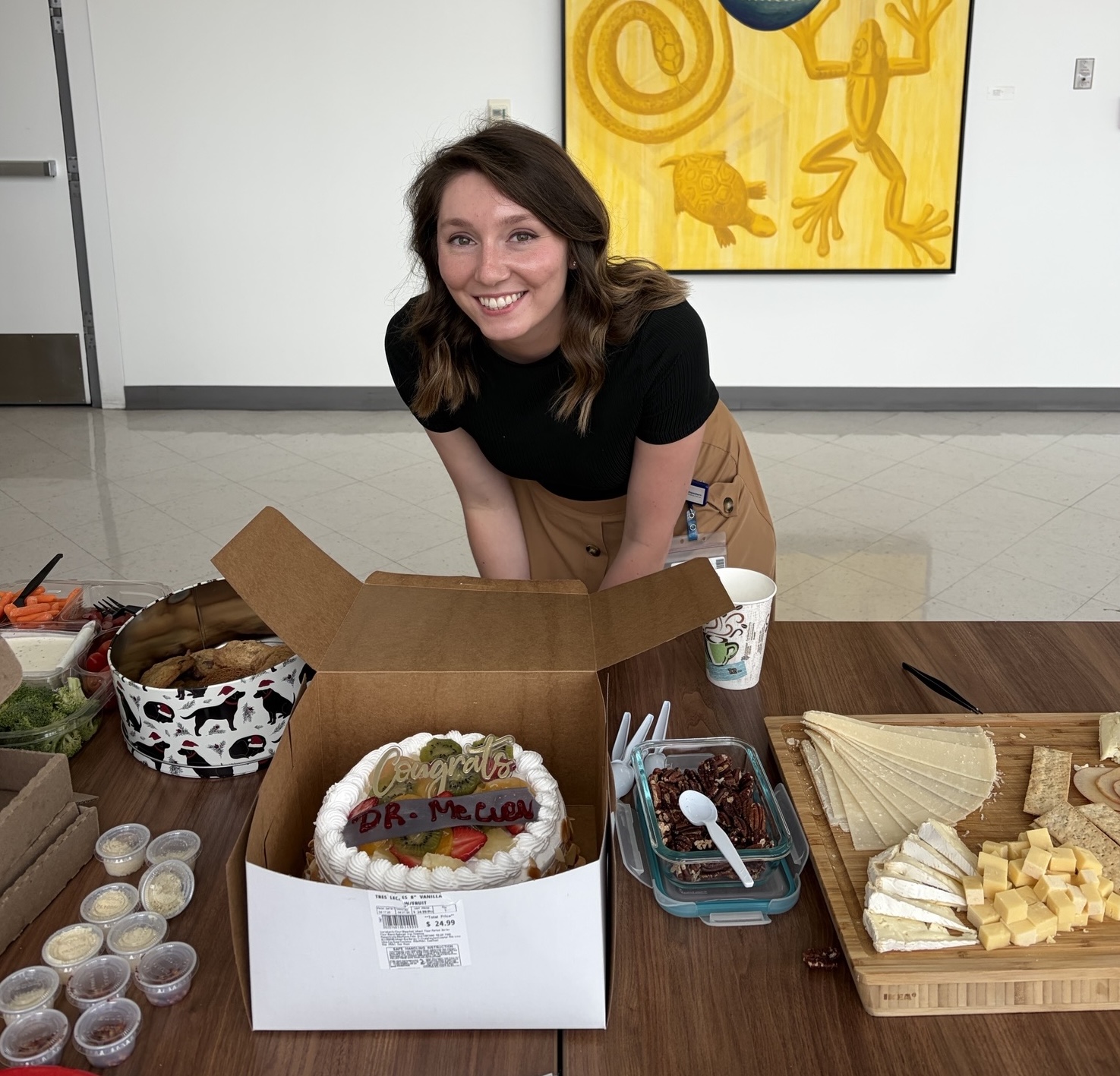
In April of 2026, Nicole successfully defended her Ph.D. thesis. Her next step is returning home to Billings, Montana, as an Assistant Professor of Pathology at Rocky Vista University Montana College of Osteopathic Medicine, where her primary role will be teaching medical students while helping to expand research efforts at the growing institution. Long term, she hopes to expand access to cancer research and innovative treatments in rural communities that have historically been underserved.
From a young patient navigating the challenges of cancer treatment to a young scientist working to improve it for other patients, Nicole’s path reflects resilience and a deep commitment to others. As she begins her next chapter back in Montana, she carries with her not only scientific expertise, but a personal understanding of the importance of cancer research.