
Meet Dr. Steven Seidenfeld
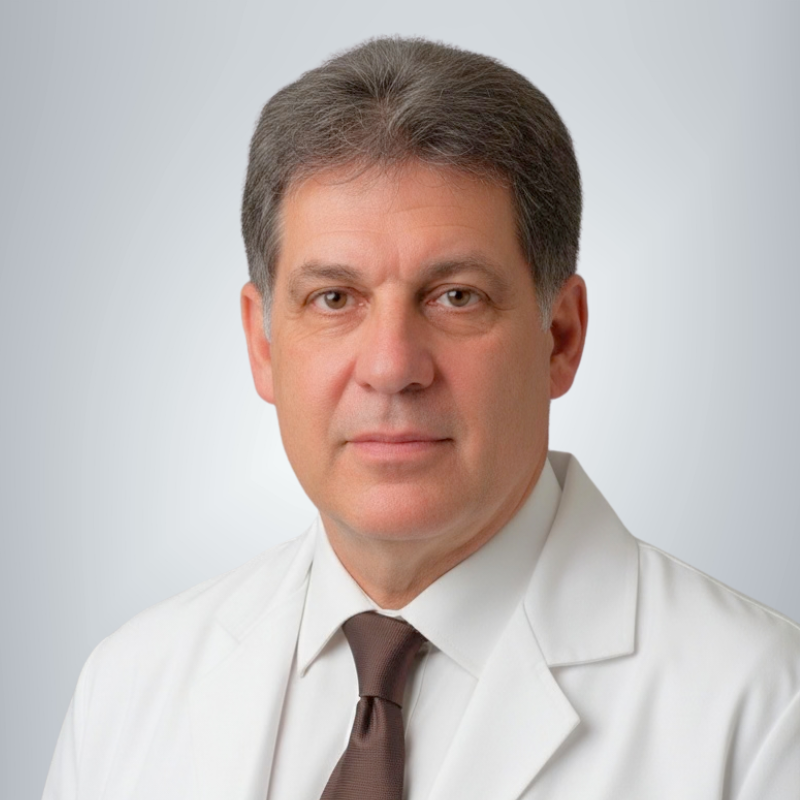
Steven Seidenfeld, M.D.
Steven Seidenfeld, M.D., is an Adjunct Professor in the Division of Infectious Diseases and Geographic Medicine.
Originally from New York City, Dr. Seidenfeld holds a bachelor's degree in biology from the State University of New York at Albany, where he graduated summa cum laude. He received his medical degree from New York University School of Medicine and completed his internal medicine residency training at UT Southwestern under the leadership of Donald Seldin, M.D. He went on to obtain fellowship training in infectious diseases at UT Southwestern with James Luby, M.D., launching a clinical and academic career that spanned more than four decades.
Clinically, Dr. Seidenfeld devoted his career to the prevention, diagnosis, and management of infectious diseases across a range of healthcare settings. Throughout his long service as an infectious disease specialist in Dallas, he provided care for patients with complex bacterial, viral, fungal, and parasitic infections. His responsibilities included leading infection control and prevention programs, shaping antimicrobial stewardship efforts, and guiding institutional policy as both committee member and chair at multiple hospitals. As a consultant to oncology, transplant, neurology, and critical care teams, he managed intricate cases involving immunosuppressed individuals, postoperative infections, and rare or challenging pathogens. His decades of service as a clinical instructor at UT Southwestern further underscore his commitment to medical education, mentoring trainees in the principles of infectious disease practice, epidemiology, and optimal patient care.
Dr. Seidenfeld’s research interests reflect his extensive clinical experience with complex infections, particularly in patients who are immunocompromised. His early scientific work explored antifungal susceptibility and drug tolerance, including studies on amphotericin B responsiveness among Candida and Sporothrix species. He published detailed case investigations involving severe infections such as emphysematous pyelonephritis caused by Candida tropicalis, Fusobacterium necrophorum septicemia, Pythium insidiosum disease in previously healthy individuals, and a multicenter analysis of Histoplasma endocarditis. His academic contributions also extended to the neurologic manifestations of HIV and the diagnostic complexities of CNS lesions in AIDS. Across numerous scientific presentations and medical conferences, Dr. Seidenfeld advanced understanding in areas such as antimicrobial resistance, hospital epidemiology, opportunistic infections in oncology and transplant patients, fungal diseases, community-acquired MRSA, LVAD-associated infections, and emerging viral complications in post-transplant care.