
Search
Targeted therapy helps NICU parents reframe fears
https://www.utsouthwestern.edu/newsroom/articles/year-2025/sept-targeted-therapy-helps-nicu-parents.html
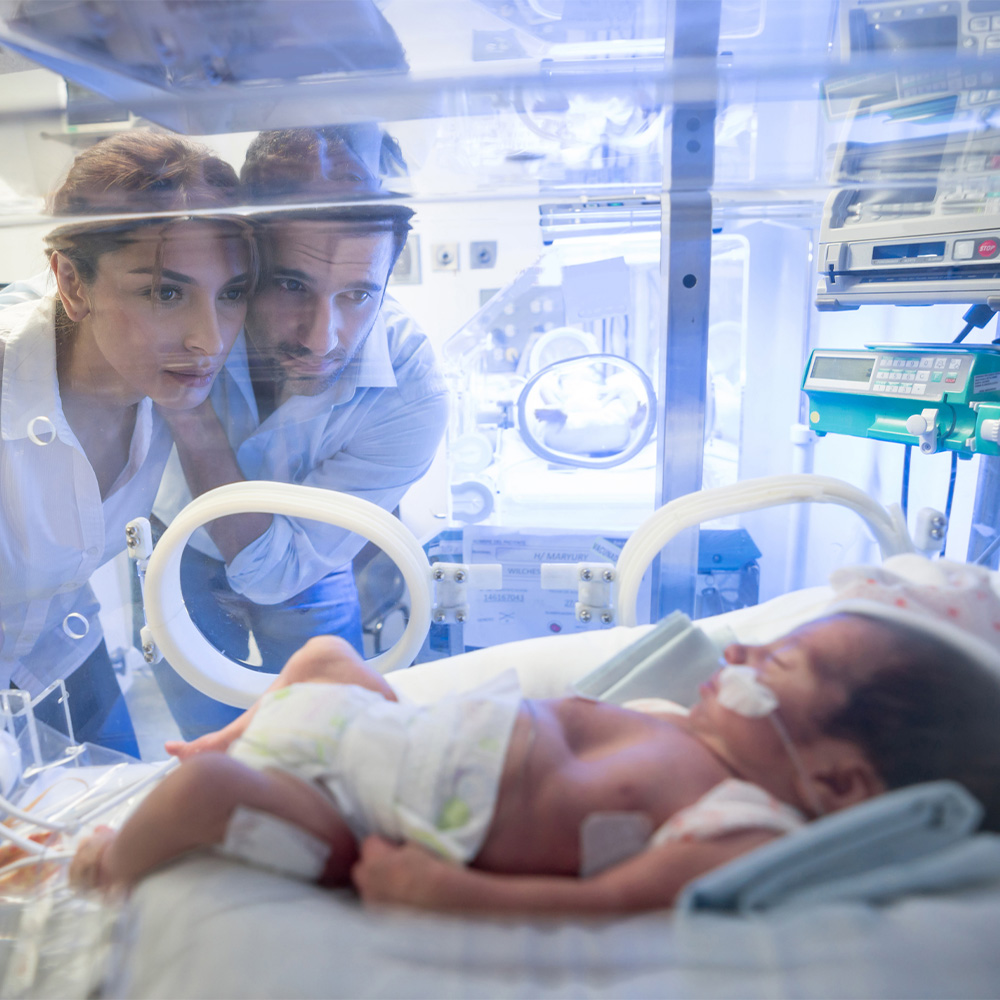
A cognitive behavioral therapy (CBT) program developed for parents whose child was born prematurely reduced harmful perceptions that their child remained medically fragile, according to a new study led by UT Southwestern Medical Center.
UT Southwestern molecular biologist to receive O'Donnell Award from TAMEST: Newsroom - UT Southwestern, Dallas, Texas
https://www.utsouthwestern.edu/newsroom/articles/year-2024/jan-tamest-tagliabracci.html
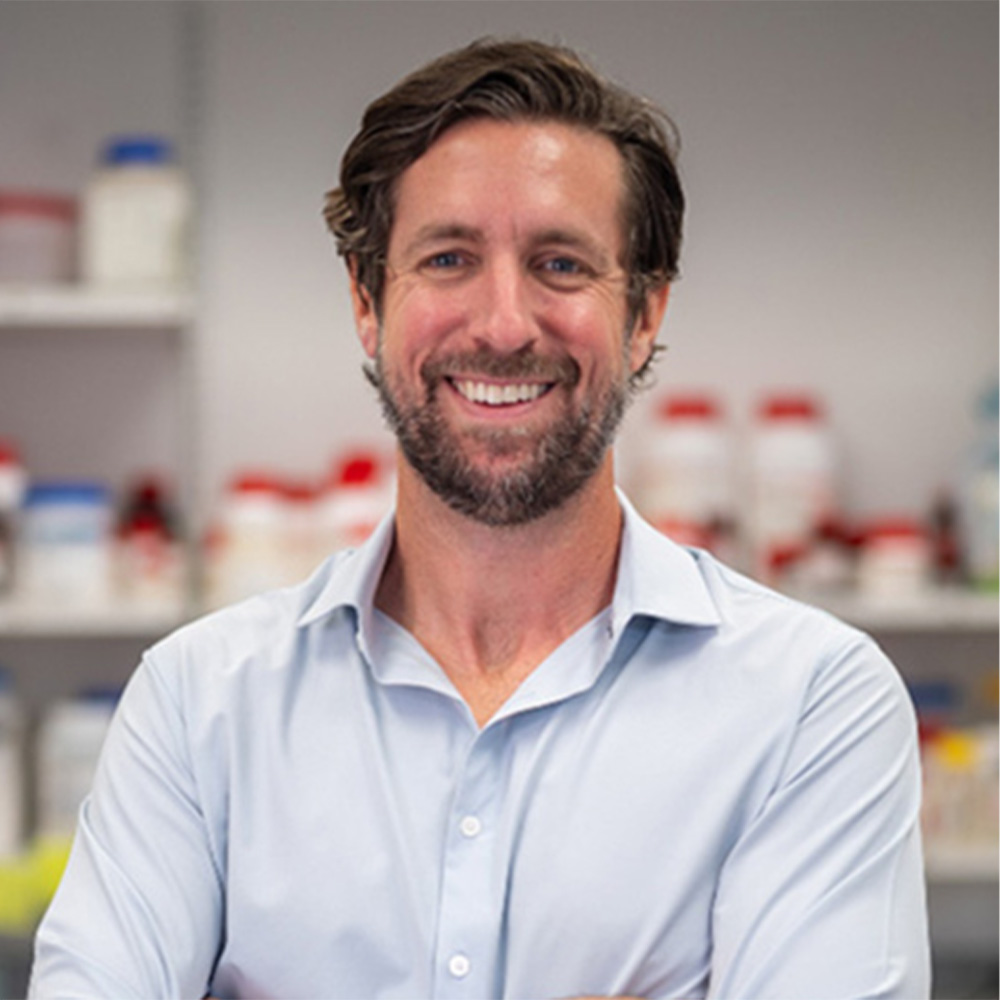
Vincent Tagliabracci, Ph.D., Associate Professor of Molecular Biology at UT Southwestern Medical Center, will receive the 2024 Edith and Peter O’Donnell Award in Biological Sciences from the Texas Academy of Medicine, Engineering, Science and Technology (TAMEST) for broadening the understanding of
UT Southwestern molecular geneticist wins Hill Prize from TAMEST: Newsroom - UT Southwestern, Dallas, Texas
https://www.utsouthwestern.edu/newsroom/articles/year-2024/feb-debose-boyd-wins-hill-prize.html
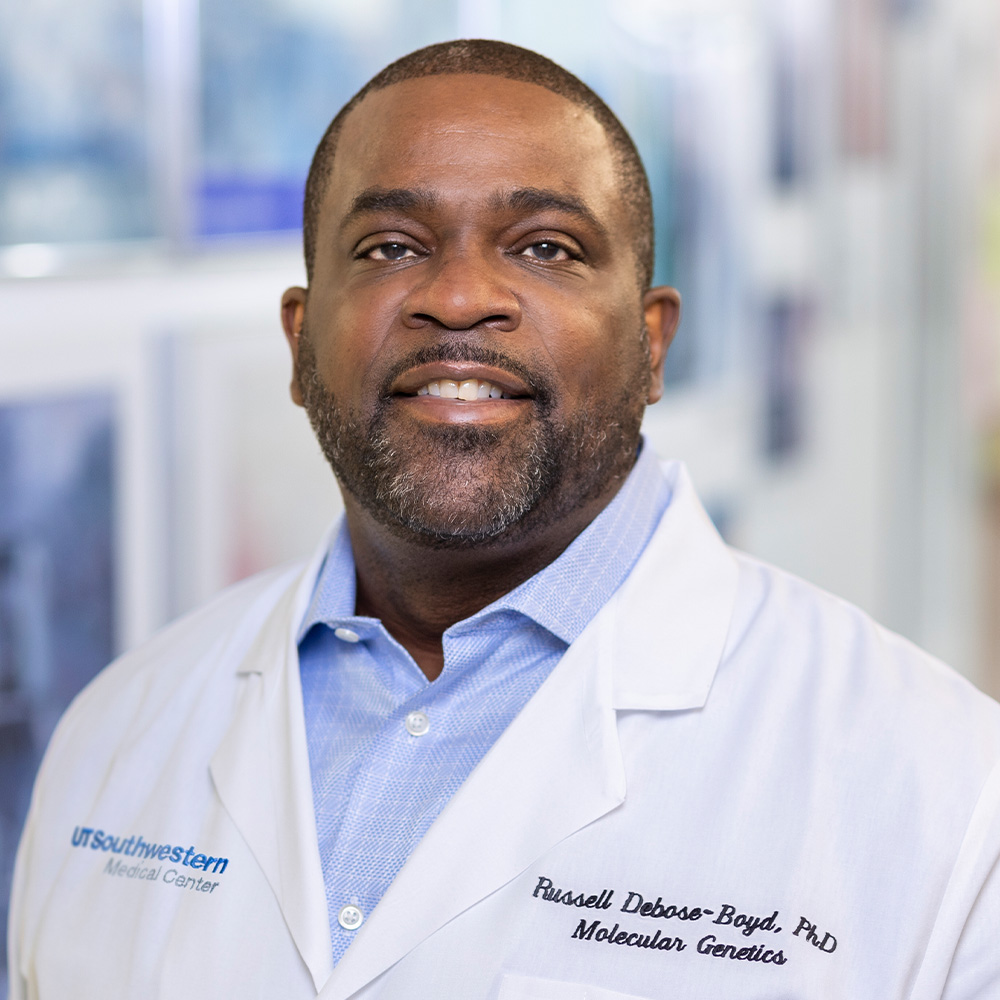
Russell DeBose-Boyd, Ph.D., Professor of Molecular Genetics at UT Southwestern Medical Center, has been awarded the Hill Prize in Biological Sciences from the Texas Academy of Medicine, Engineering, Science and Technology (TAMEST) in recognition of his long-standing research into a key mechanism
Share this video with a friend
https://www.utsouthwestern.edu/newsroom/form-mini-share.html
Email Address (you@someplace.com) *Required × Error: A field is missing data or special characters were used. Please correct. Recipient Email Address (recipient@someplace.com) *Required × Error: A field is missing data or special characters were used. Please correct. × Error: A field is missing data or special characters were used. Please correct. Optional Message × Error: A field is missing data or special characters were used. Please correct. Yes! Send me news from UT Southwestern Medical
Dropping it in the mail: Best practices detailed for mail-in colon cancer screenings: Newsroom - UT Southwestern, Dallas, Texas
https://www.utsouthwestern.edu/newsroom/articles/year-2020/mail-in-colon-cancer-screenings.html
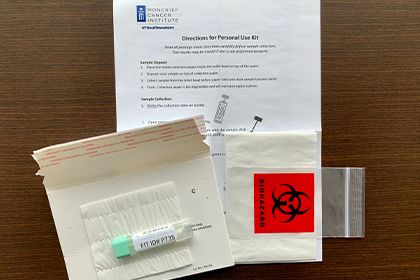
A program that asks patients to mail in stool samples to screen for colon cancer is an effective way to expand screenings to underserved and underinsured communities and offers an alternative to in-person testing during the pandemic, according to a study conducted by UT Southwestern.
Consistent use of food pantries needed to address food insecurity, related health issues: Newsroom - UT Southwestern, Dallas, Texas
https://www.utsouthwestern.edu/newsroom/articles/year-2021/food-pantries-needed-to-address-food-insecurity.html
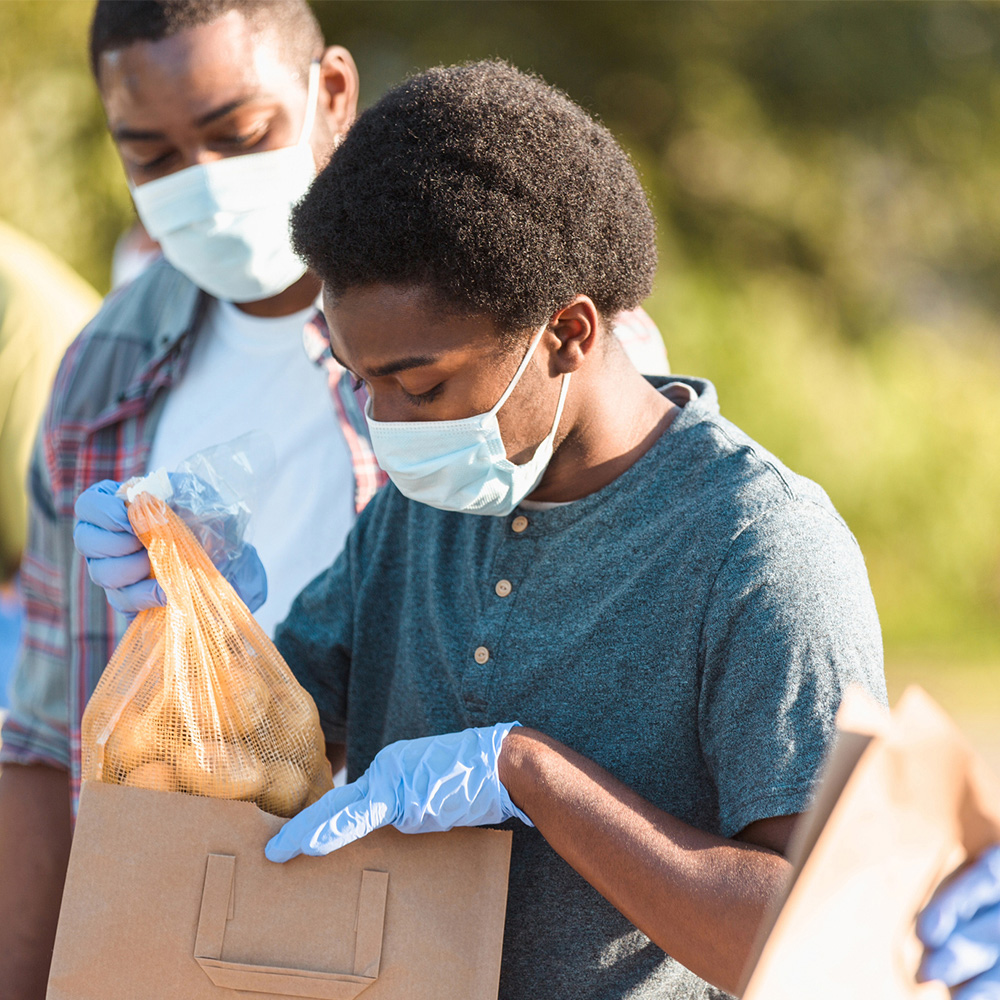
Food banks should be used more consistently rather than only during emergencies to better address food insecurity and related health issues
Study explores why fasting can lead to a longer lifespan: Newsroom - UT Southwestern, Dallas, Texas
https://www.utsouthwestern.edu/newsroom/articles/year-2026/april-fasting-and-refeeding-longer-lifespan.html
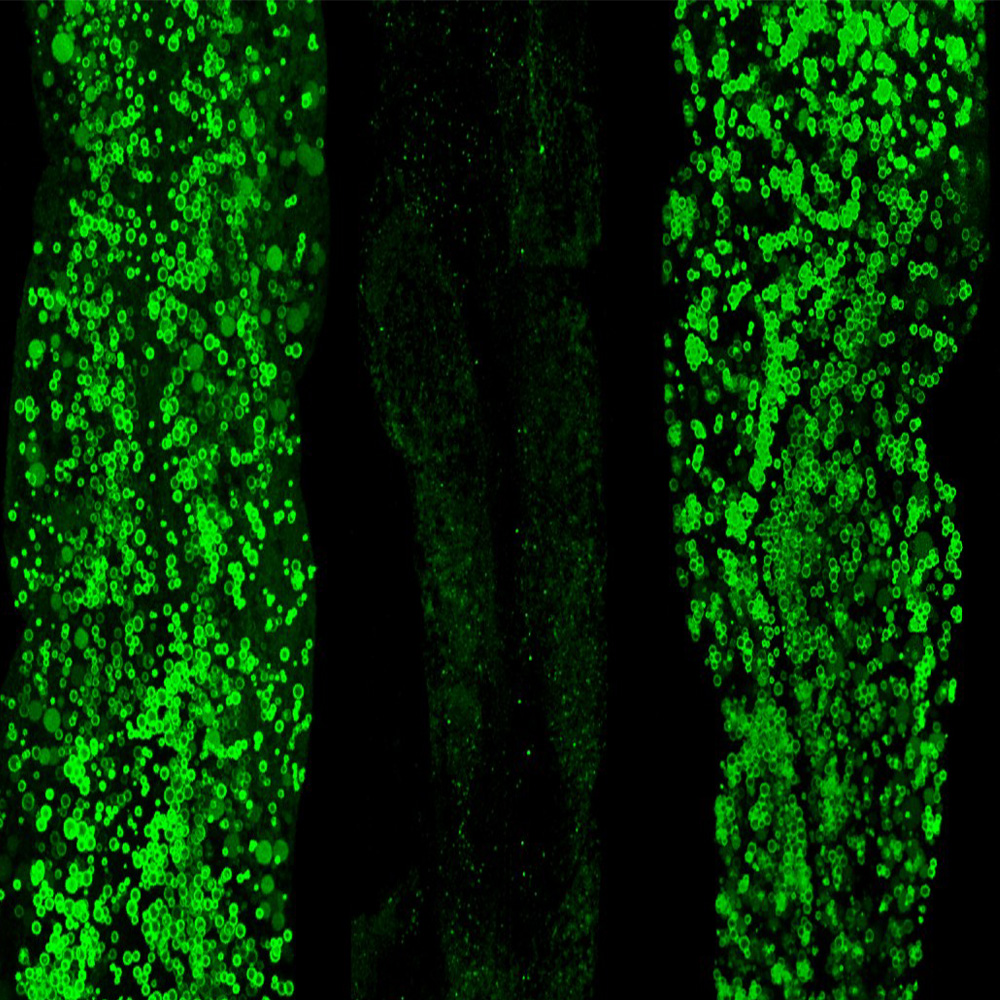
Restricting calories has long been recognized as a powerful way to live longer, with periods of intermittent fasting proving more effective than a steady diet. However, the mechanism behind this phenomenon has been unclear.
Could pancreatitis be a stress hormone deficiency?: Newsroom - UT Southwestern, Dallas, Texas
https://www.utsouthwestern.edu/newsroom/articles/year-2020/pancreatitis.html
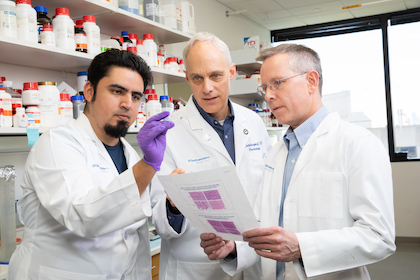
UT Southwestern researchers find that humans and mice with pancreatitis are deficient in a stress hormone called FGF21.
UTSW physician volunteering at Tokyo Olympics: Newsroom - UT Southwestern, Dallas, Texas
https://www.utsouthwestern.edu/newsroom/articles/year-2021/olympics.html
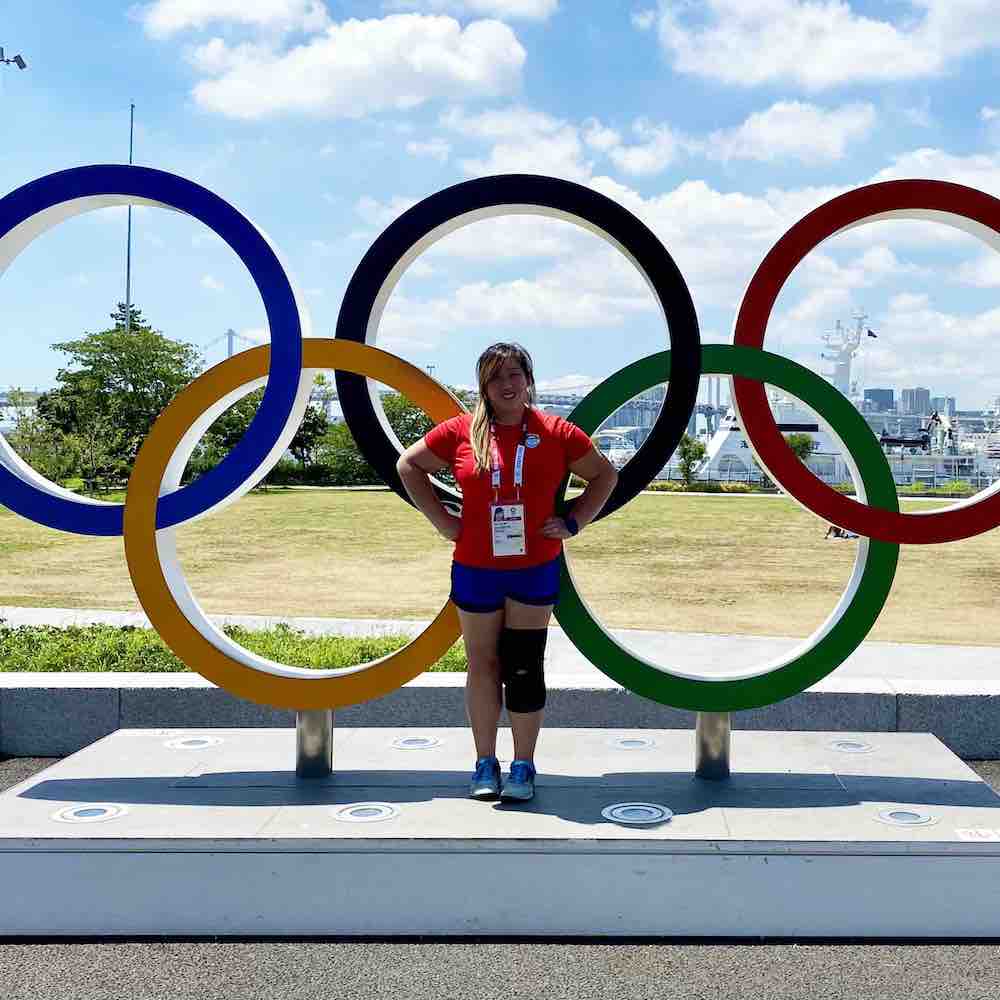
Dr. Stephanie Tow, M.D., completed her first week of providing volunteer care at the Tokyo 2020 Olympics.
Artificial intelligence predicts kidney cancer therapy response: Newsroom - UT Southwestern, Dallas, Texas
https://www.utsouthwestern.edu/newsroom/articles/year-2025/april-ai-kidney-cancer-therapy.html
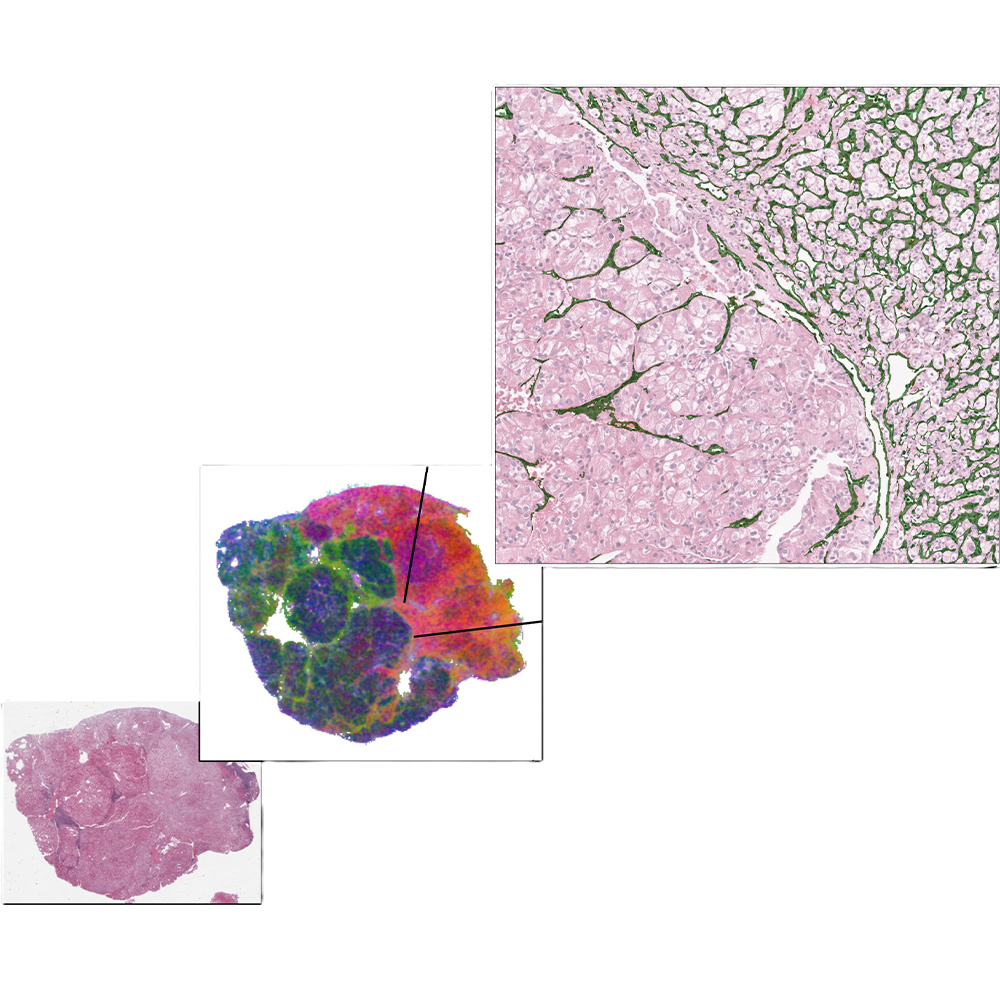
An artificial intelligence (AI)-based model developed by UT Southwestern Medical Center researchers can accurately predict which kidney cancer patients will benefit from anti-angiogenic therapy, a class of treatments that’s only effective in some cases.