
Search
UTSW study recommends screening for suspected obstructive sleep apnea in underweight children: Newsroom - UT Southwestern, Dallas, Texas
https://www.utsouthwestern.edu/newsroom/articles/year-2022/sleep-apnea.html

Researchers at UT Southwestern Medical Center studied obstructive sleep apnea in a large group of children and concluded that underweight children with this condition are more likely to have decreased height, tonsillar hypertrophy, and allergic rhinitis.
UT Southwestern researcher wins NIH Director’s Award to study the inner workings of glial cells in the brain : Newsroom - UT Southwestern, Dallas, Texas
https://www.utsouthwestern.edu/newsroom/articles/year-2021/sun-nih-awards.html
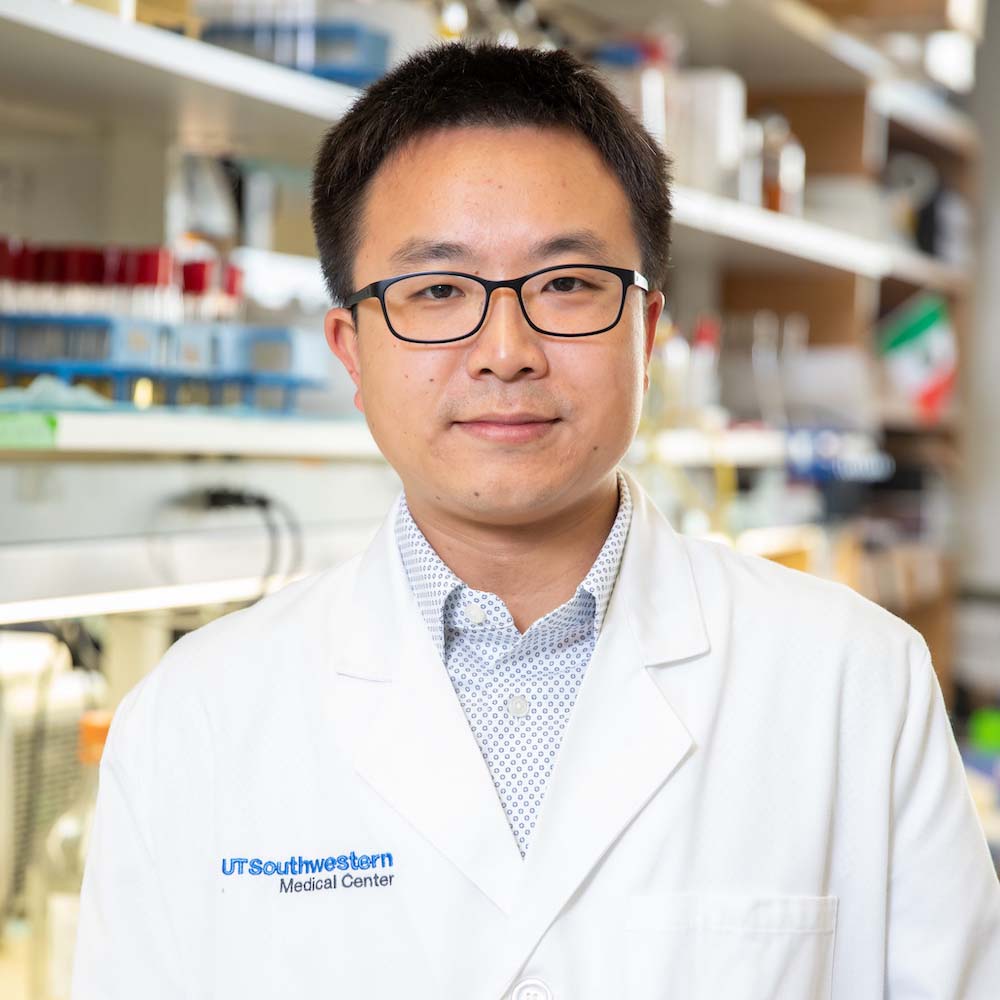
Lu Sun, Ph.D., Assistant Professor of Molecular Biology at UT Southwestern, has been awarded $1.5 million from the National Institutes of Health (NIH) to study interactions between neurons and glial cells in the brain, which could provide insight into the causes of neurological disorders.
Stomach issues, history of substance abuse found in teen vaping study: Newsroom - UT Southwestern, Dallas, Texas
https://www.utsouthwestern.edu/newsroom/articles/year-2020/teen-vaping-study.html
A study of teens diagnosed with the vaping-linked respiratory disease EVALI revealed that most also had gastrointestinal symptoms and a history of psychosocial factors, including substance abuse.
UT Southwestern genome engineering expertise spurs participation in prestigious nationwide Human Genome Project consortium: Newsroom - UT Southwestern, Dallas, Texas
https://www.utsouthwestern.edu/newsroom/articles/year-2021/human-genome-project.html
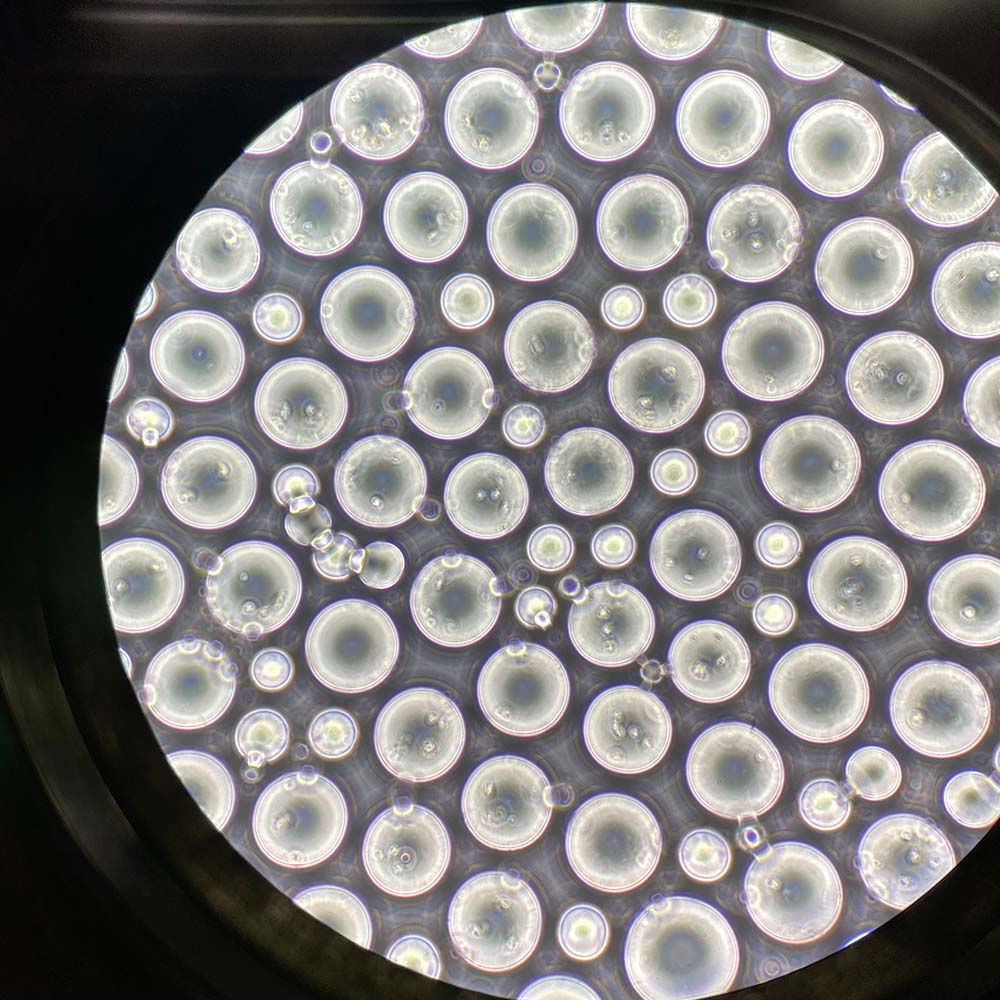
A genome engineering technique developed at UT Southwestern Medical Center helped make the institution a research partner in a new $185 million National Institutes of Health (NIH) initiative to build on findings of the Human Genome Project.
In Memoriam: Dr. Jere Mitchell helped lay foundations of exercise physiology, changed medical practice on bed rest: Newsroom - UT Southwestern, Dallas, Texas
https://www.utsouthwestern.edu/newsroom/articles/year-2021/in-memoriam-mitchell.html
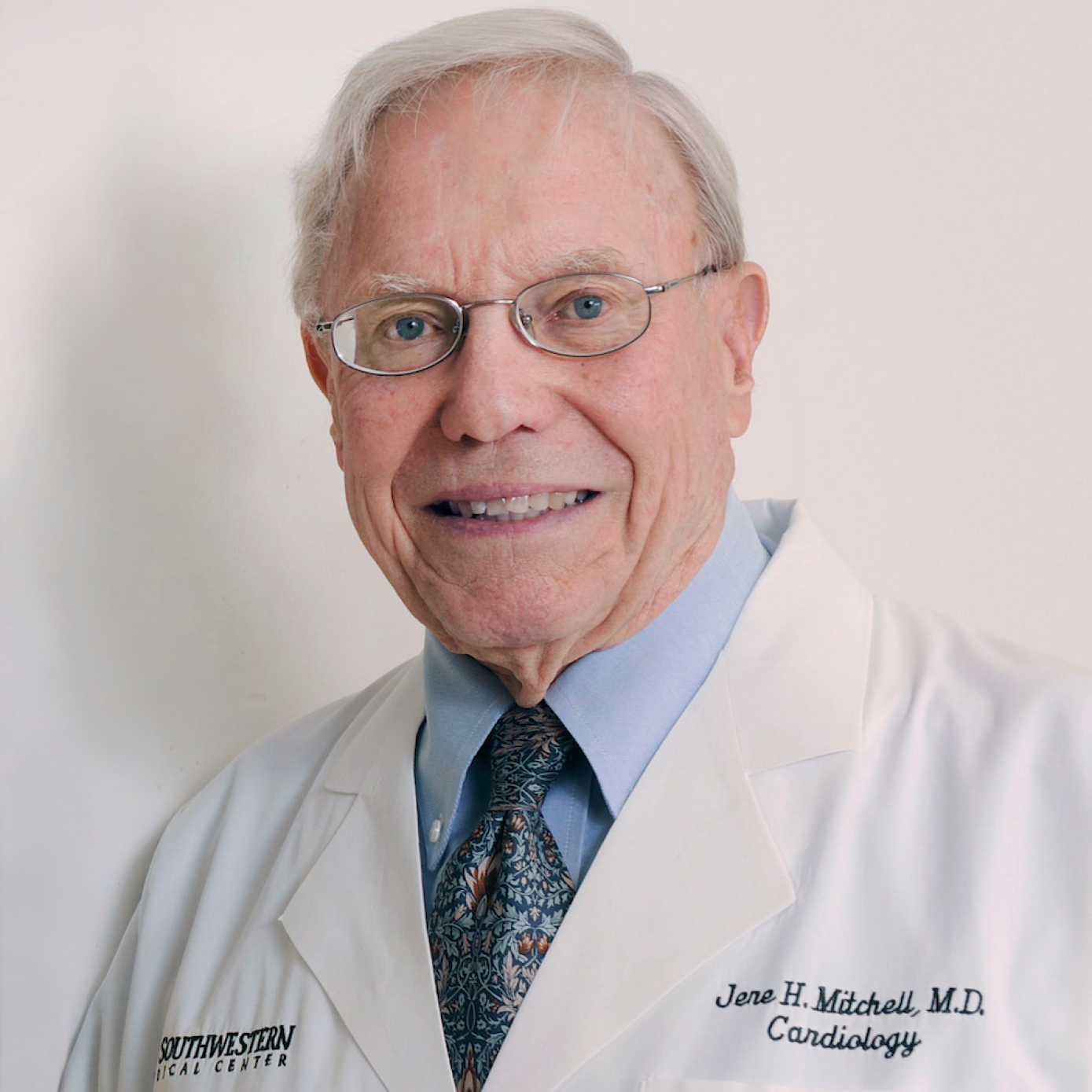
Jere Mitchell, M.D., former director of the Harry S. Moss Heart Center at UT Southwestern Medical Center and an internationally recognized exercise physiologist whose seminal findings on maximal oxygen uptake changed conventional medical practice on bed rest and laid the foundation for central
UT Southwestern review finds hysterectomy can be avoided for common gynecological condition : Newsroom - UT Southwestern, Dallas, Texas
https://www.utsouthwestern.edu/newsroom/articles/year-2021/hysterectomy-gynecological-condition.html
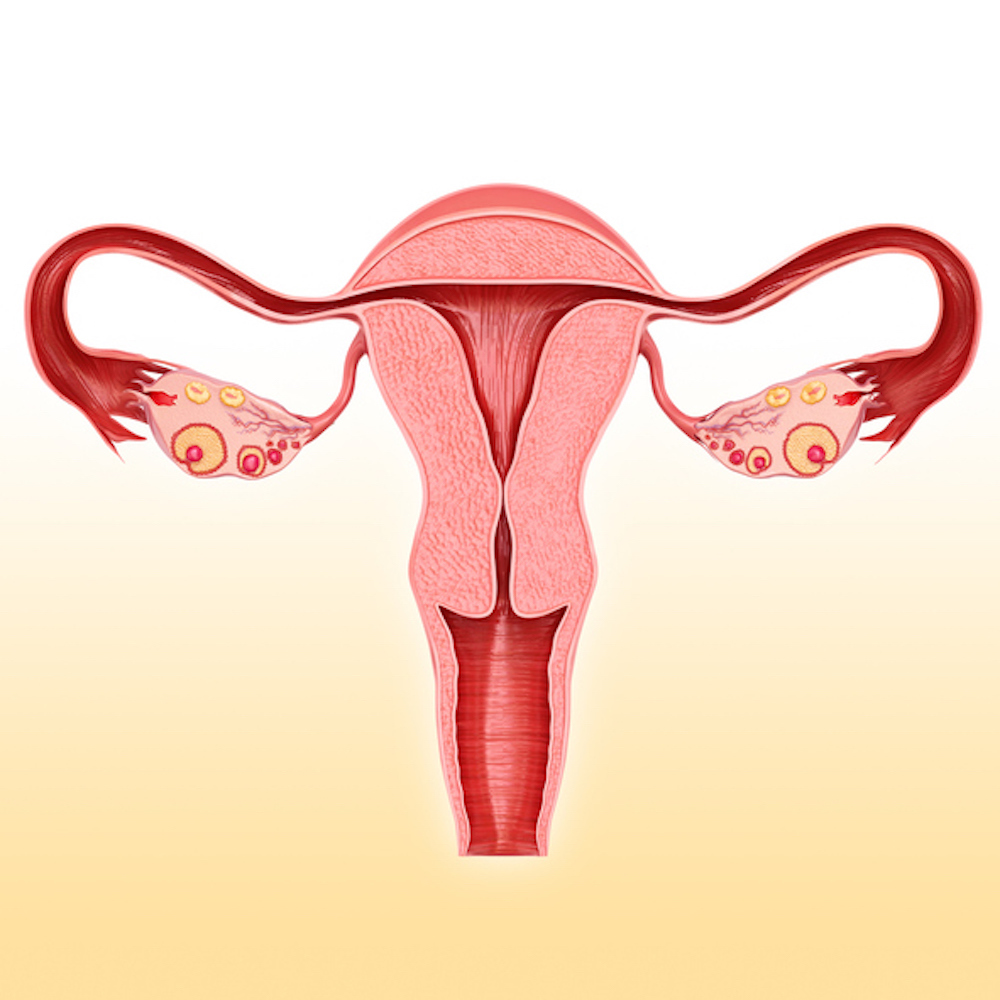
Adenomyosis – an abnormal tissue growth into the muscular wall of the uterus that causes painful cramps and heavy or prolonged menstrual bleeding – is more common than generally appreciated
UT Southwestern researcher wins NIH Director’s Award to study how DNA’s 3D structure affects health and disease: Newsroom - UT Southwestern, Dallas, Texas
https://www.utsouthwestern.edu/newsroom/articles/year-2021/zhou-nih-awards.html
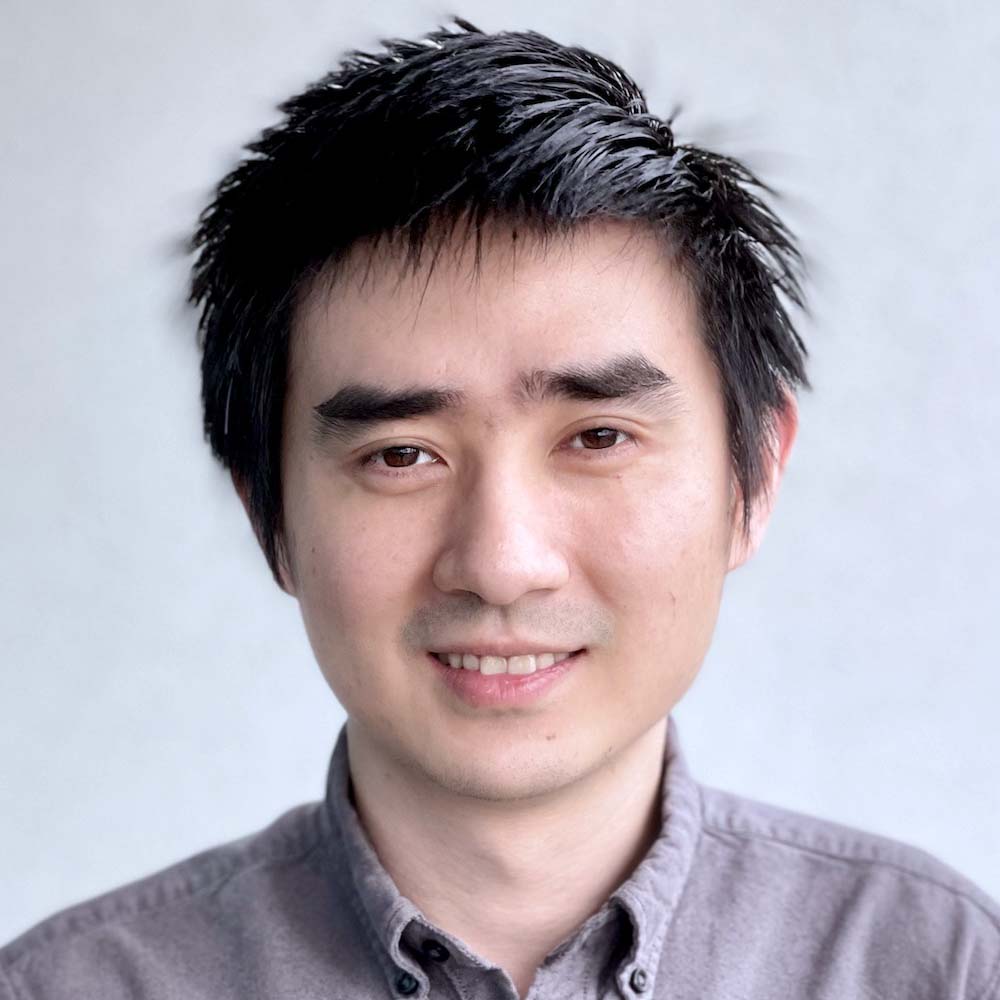
Jian Zhou, Ph.D., Assistant Professor in UT Southwestern’s Lyda Hill Department of Bioinformatics, has been awarded $1.5 million from the National Institutes of Health (NIH) to use artificial intelligence to investigate the three-dimensional structure of DNA and its impact on health.
Increasing the immune system’s appetite for cancer protectors: Newsroom - UT Southwestern, Dallas, Texas
https://www.utsouthwestern.edu/newsroom/articles/year-2021/cancer-protectors.html
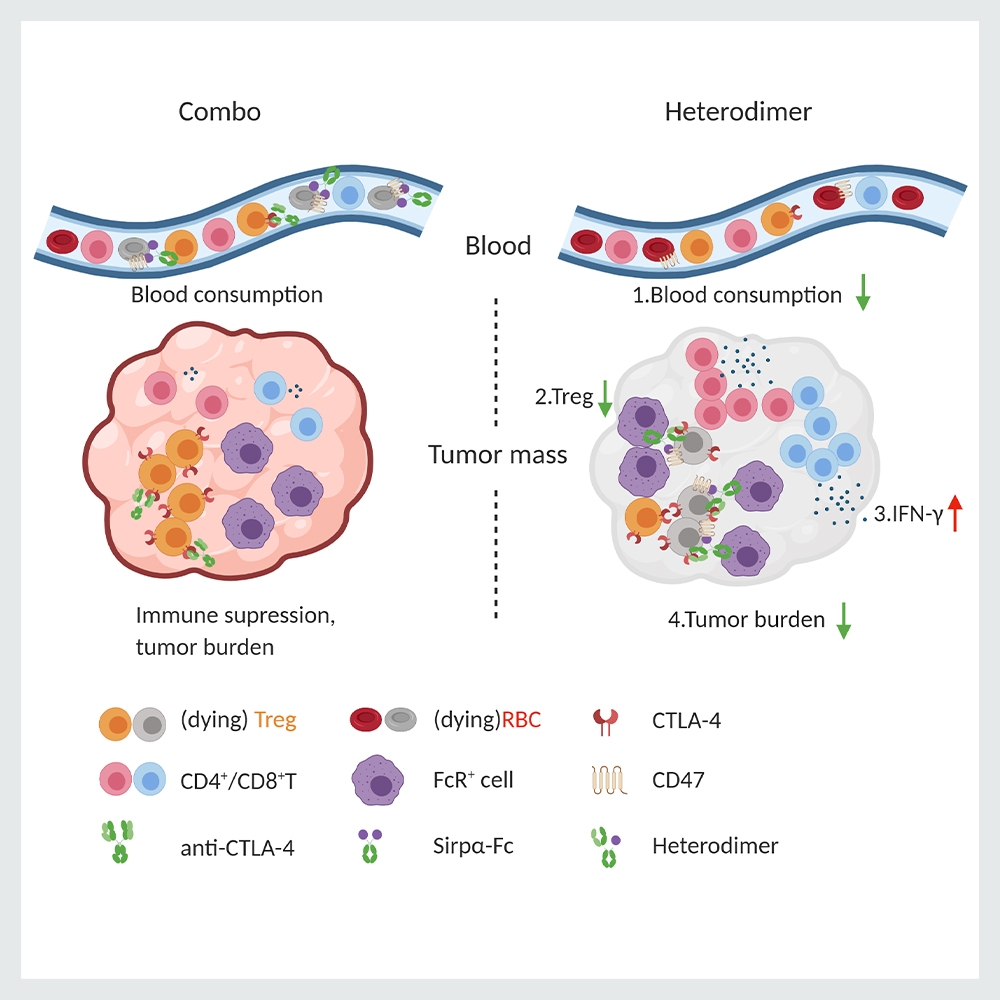
A two-arm molecule can effectively deplete cancer-protecting cells inside tumors, allowing the immune system to fight off tumors without becoming overactive.
UTSW scientists eliminate key Alzheimer’s feature in animal model: Newsroom - UT Southwestern, Dallas, Texas
https://www.utsouthwestern.edu/newsroom/articles/year-2021/alzheimers-feature.html
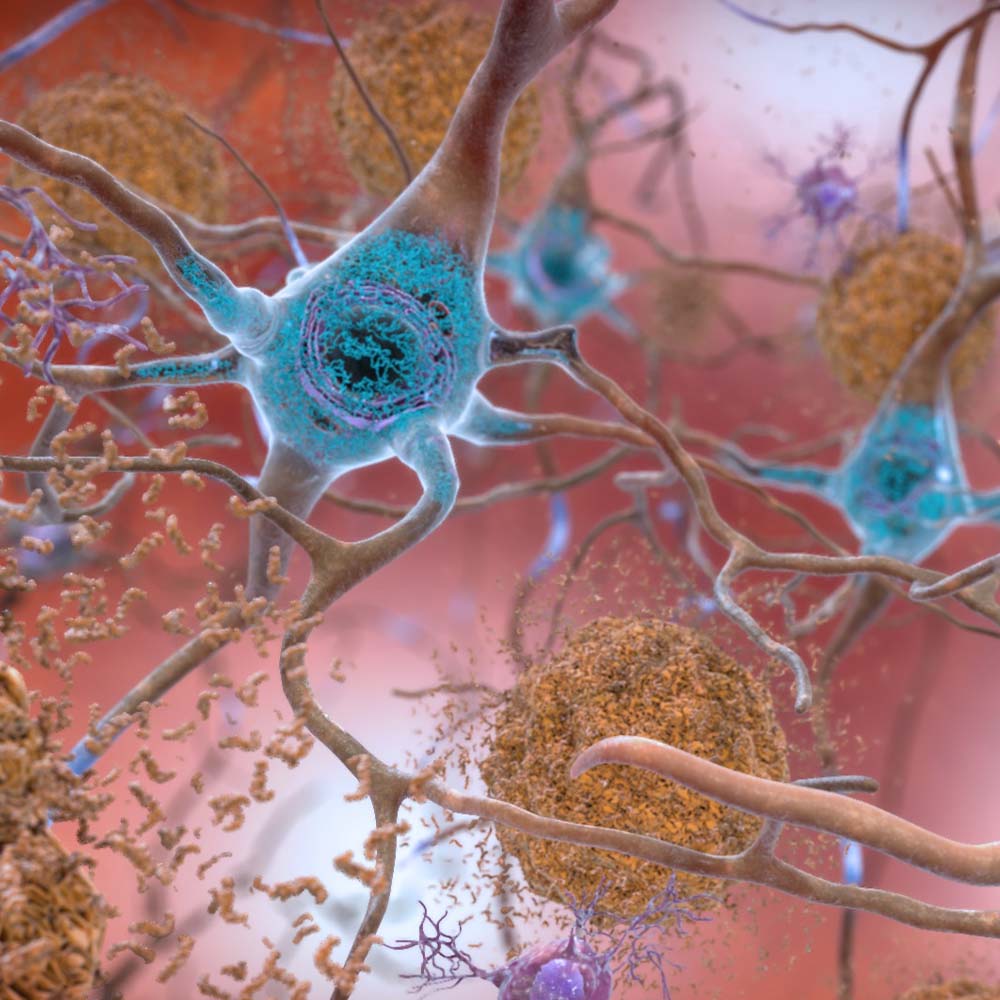
A study by UT Southwestern researchers finds that changing the biochemistry of parts of brain cells abolished the formation of amyloid beta plaques in a mouse model of Alzheimer’s disease.
Hunting down the mutations that cause cancer drug resistance: Newsroom - UT Southwestern, Dallas, Texas
https://www.utsouthwestern.edu/newsroom/articles/year-2021/cancer-drug-resistance.html

Using a virus to purposely mutate genes that produce cancer-driving proteins could shed light on the resistance that inevitably develops to cancer drugs that target them, a new study led by UT Southwestern scientists suggests.