
Search
Novel microscopy method at UT Southwestern provides look into future of cell biology: Newsroom - UT Southwestern, Dallas, Texas
https://www.utsouthwestern.edu/newsroom/articles/year-2021/novel-microscopy-method.html
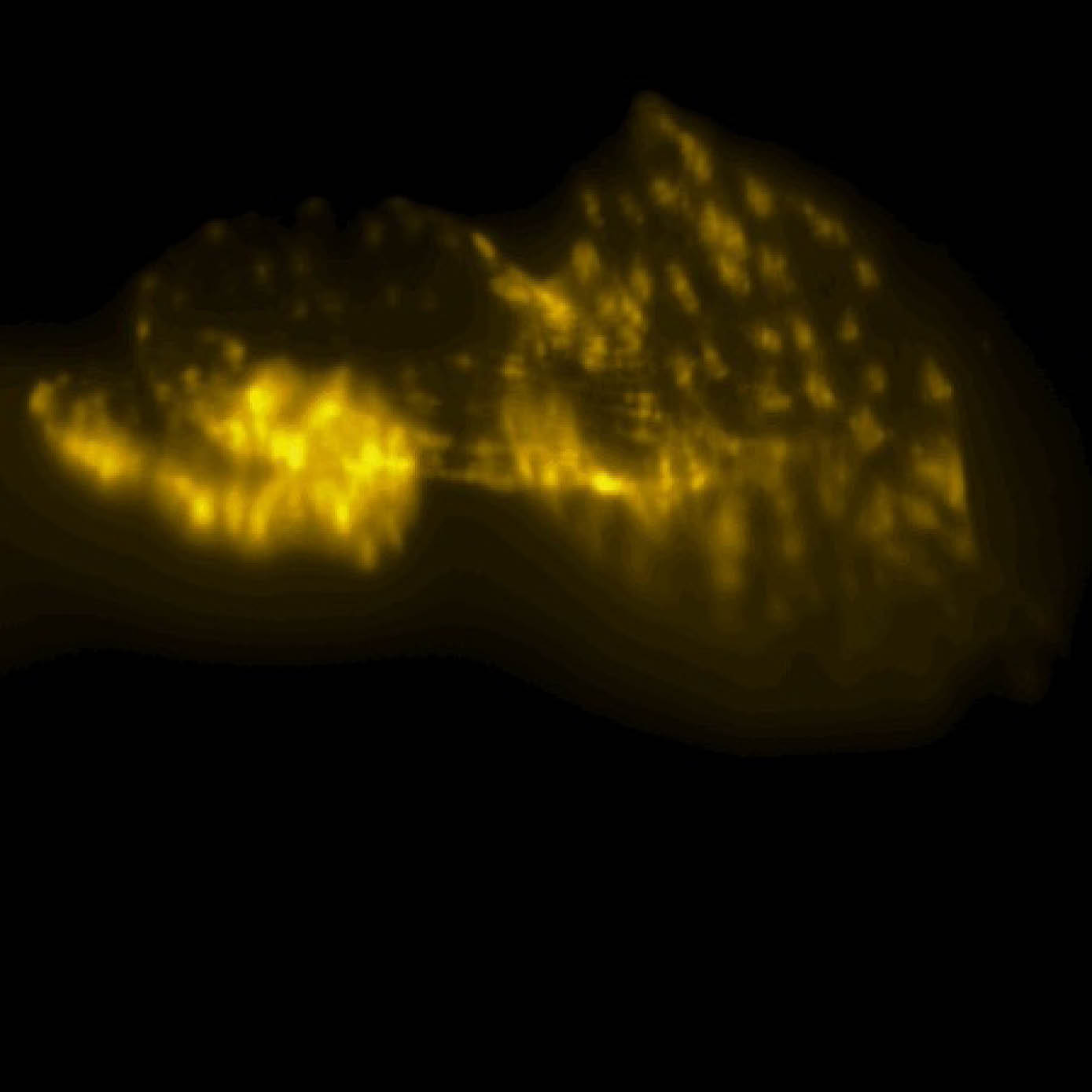
What if a microscope allowed us to explore the 3D microcosm of blood vessels, nerves, and cancer cells instantaneously in virtual reality?
Combo diabetes treatment amplifies effectiveness, improves medication adherence: Newsroom - UT Southwestern, Dallas, Texas
https://www.utsouthwestern.edu/newsroom/articles/year-2020/combo-diabetes-treatment.html
A once-daily combination treatment for those with uncontrolled Type 2 diabetes amplifies the treatment’s effects – lowering both weight and the number of hypoglycemic events, and improving quality of life and glucose control ¬– and makes participants more likely to adhere to their medications.
AI may help brain cancer patients avoid biopsy
https://www.utsouthwestern.edu/newsroom/articles/year-2020/ai-brain-cancer.html
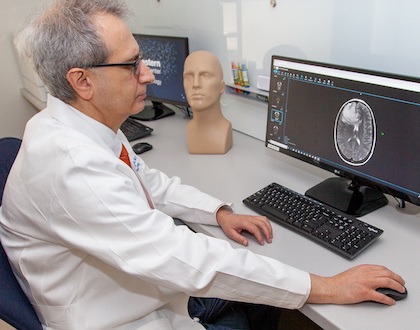
Brain cancer patients in the coming years may not need to go under the knife to help doctors determine the best treatment for their tumors.
Mothers with diabetes can have a healthy breastfeeding experience: Newsroom - UT Southwestern, Dallas, Texas
https://www.utsouthwestern.edu/newsroom/articles/year-2022/august-mothers-with-diabetes.html

Breastfeeding offers a wealth of benefits both for mothers and their babies. Although diabetes can complicate the process, it does not prevent mothers from giving their babies this wonderful start to life, according to UT Southwestern endocrinologist Maria Ramos-Roman, M.D., Associate Professor of
Breastfeeding's legacy may protect against diabetes: Newsroom - UT Southwestern, Dallas, Texas
https://www.utsouthwestern.edu/newsroom/articles/year-2020/breastfeedings-diabetes.html
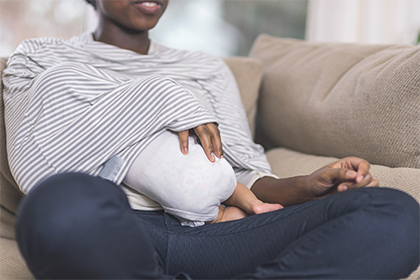
Breastfeeding secures delivery of sugar and fat for milk production by changing the insulin sensitivity of organs that supply or demand these nutrients, a new study led by UT Southwestern scientists suggests.
AI can jump-start radiation therapy for cancer patients
https://www.utsouthwestern.edu/newsroom/articles/year-2020/ai-radiation-therapy.html
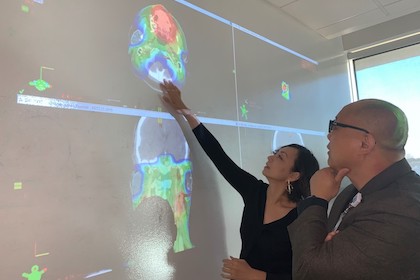
Artificial intelligence can help cancer patients start their radiation therapy sooner – and thereby decrease the odds of the cancer spreading – by instantly translating complex clinical data into an optimal plan of attack.
Tackling resistance to HIF2 drugs with an RNA-based therapy: Newsroom - UT Southwestern, Dallas, Texas
https://www.utsouthwestern.edu/newsroom/articles/year-2022/october-resistance-to-hif2-drugs.html
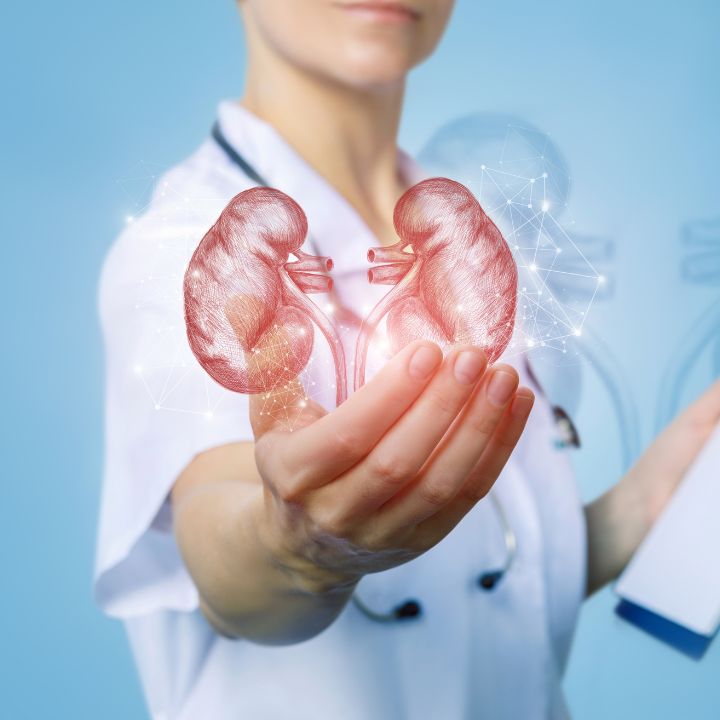
Expected to be diagnosed in 2% of men and 1% of women in the U.S., kidney cancer has traditionally been one of the most challenging cancers to treat.
UT Southwestern team wins grand prize in American Heart Association Data Challenge: Newsroom - UT Southwestern, Dallas, Texas
https://www.utsouthwestern.edu/newsroom/articles/year-2022/july-aha-pandey.html
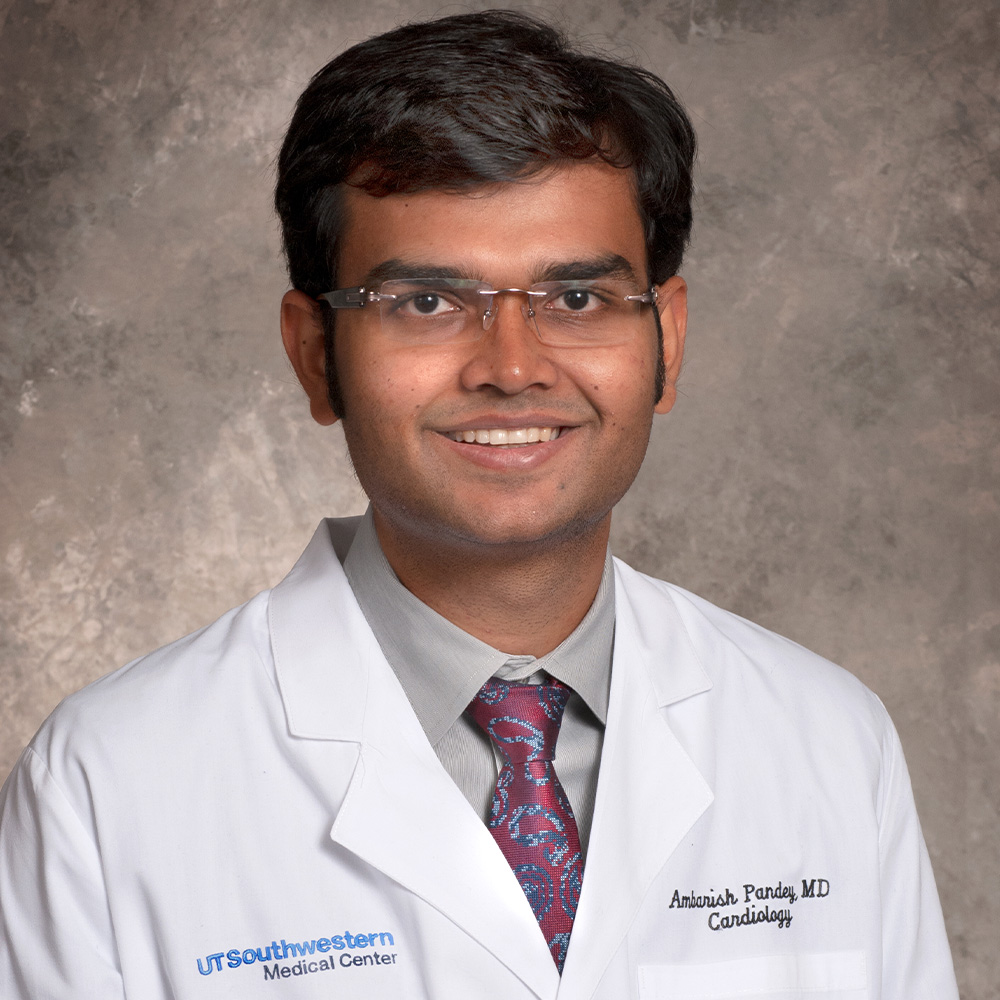
A team led by UT Southwestern Medical Center cardiologist Ambarish Pandey, M.D., was awarded the grand prize in the American Heart Association Heart Failure Data Challenge hosted by the American Heart Association and the Association of Black Cardiologists.
Common weight-loss drug successfully targets fat that can endanger heart health: Newsroom - UT Southwestern, Dallas, Texas
https://www.utsouthwestern.edu/newsroom/articles/year-2021/obesity-drug.html

Researchers at UT Southwestern announced successful results of a clinical trial for a commonly prescribed weight-loss drug called liraglutide.
UT Southwestern researchers use AI to detect new family of genes in gut bacteria : Newsroom - UT Southwestern, Dallas, Texas
https://www.utsouthwestern.edu/newsroom/articles/year-2022/june-gut-bacteria.html
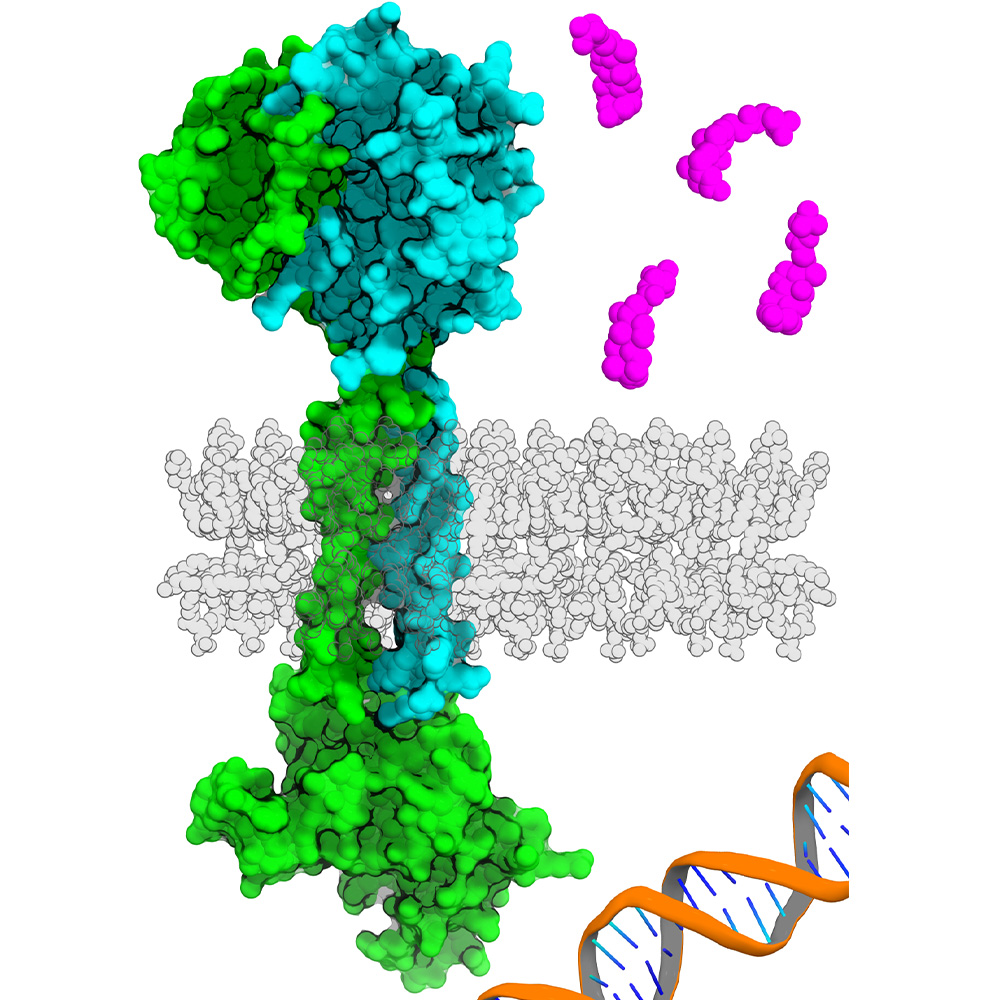
Using artificial intelligence, UT Southwestern researchers have discovered a new family of sensing genes in enteric bacteria that are linked by structure and probably function, but not genetic sequence.