
Search
Personalized approach suggested on colorectal cancer screening : Newsroom - UT Southwestern, Dallas, Texas
https://www.utsouthwestern.edu/newsroom/articles/year-2023/nov-colorectal-cancer-screening.html
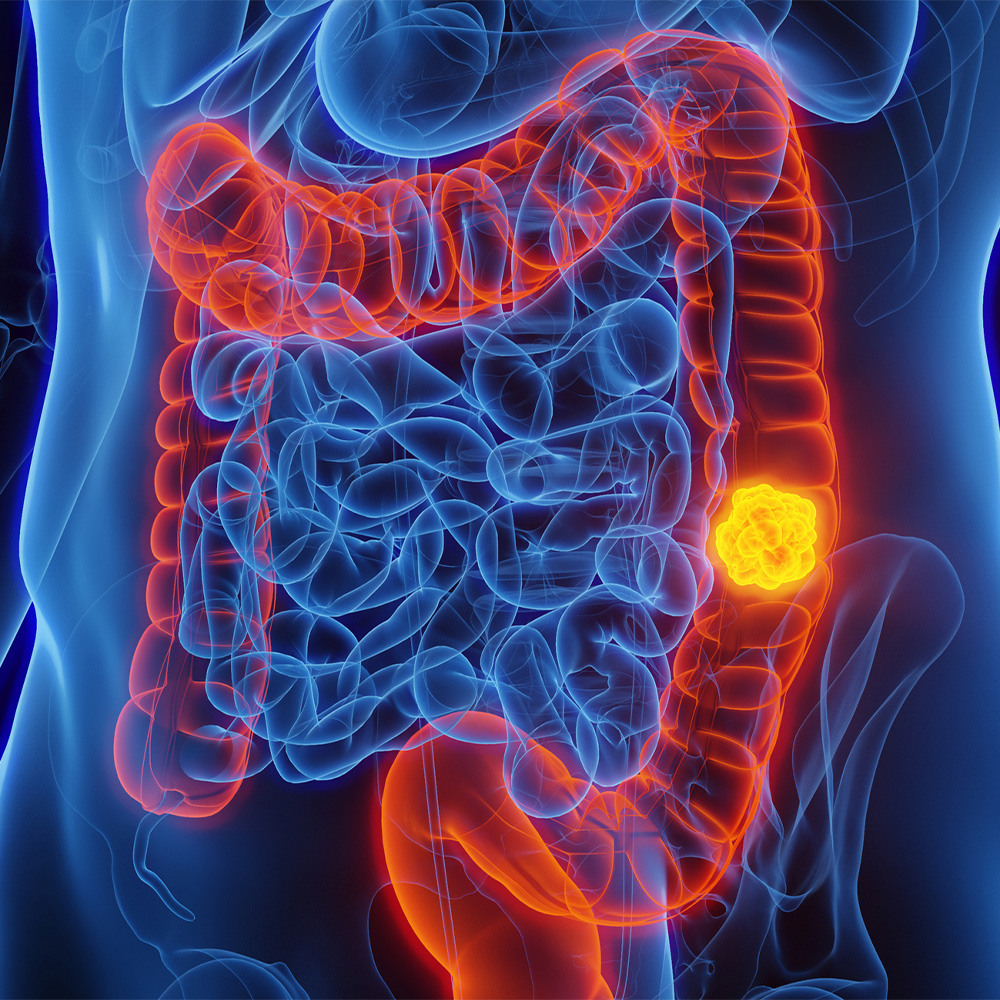
Colorectal cancer (CRC) screening rates are similar among older adults despite varying 10-year mortality risks, UT Southwestern Medical Center researchers report in a new study.
Autoimmune skin condition linked to higher risk of heart disease: Newsroom - UT Southwestern, Dallas, Texas
https://www.utsouthwestern.edu/newsroom/articles/year-2025/jan-autoimmune-skin-condition.html

Patients with cutaneous lupus erythematosus (CLE), an autoimmune disease that causes skin inflammation, have a higher risk for atherosclerotic cardiovascular disease (ASCVD), or hardening of the arteries, UT Southwestern Medical Center researchers found.
UT Southwestern scientists develop ‘self-driving’ microscope : Newsroom - UT Southwestern, Dallas, Texas
https://www.utsouthwestern.edu/newsroom/articles/year-2025/march-self-driving-microscope.html
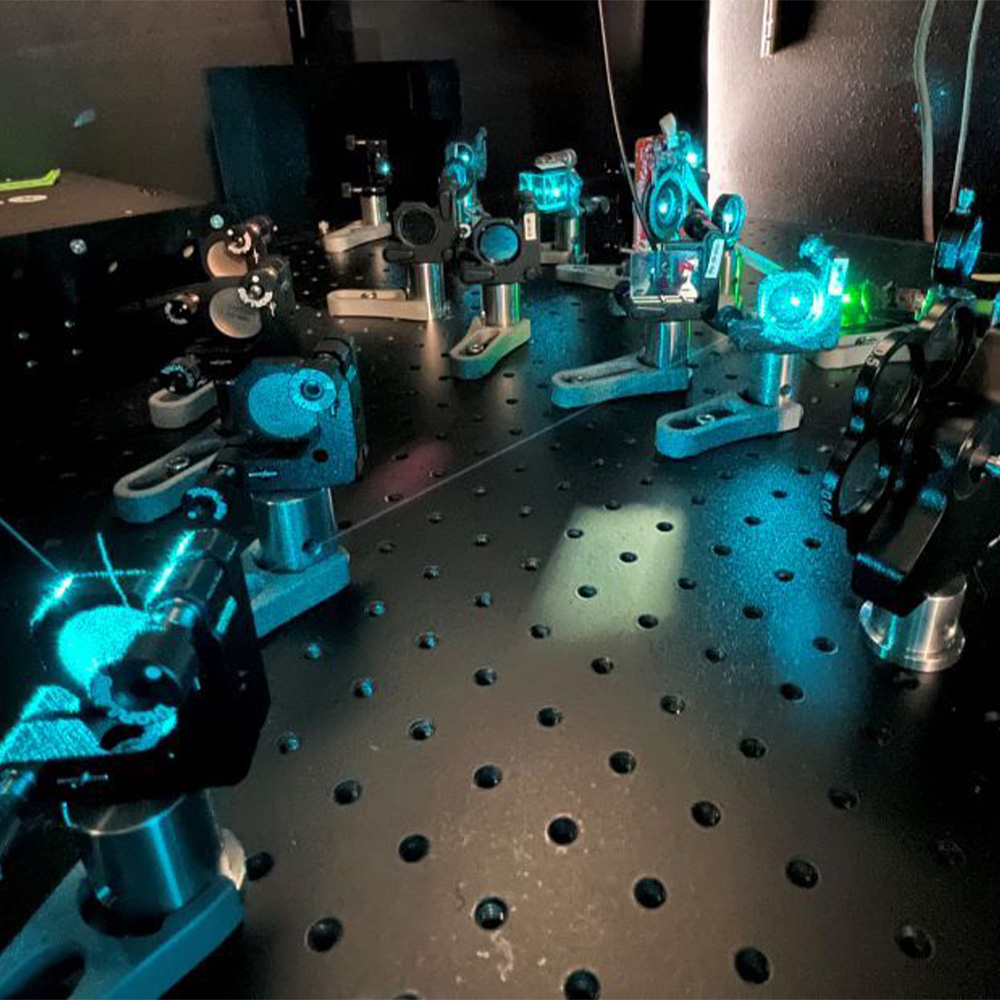
A new “self-driving” microscope developed by UT Southwestern Medical Center researchers solves two fundamental challenges that have long plagued microscopy: first, imaging living cells or organisms at dramatically different scales, and second, following a specific structure or area of interest over
Video helps defibrillator patients make informed choices : Newsroom - UT Southwestern, Dallas, Texas
https://www.utsouthwestern.edu/newsroom/articles/year-2025/feb-video-defibrillator-patients.html

A UT Southwestern Medical Center quality improvement team led a large-scale, multispecialty project in partnership with the Parkland Center of Innovation and Value to help patients with implantable cardioverter defibrillators (ICDs) better understand their devices and make choices about their care.
Neurostimulation shows promise as potential Alzheimer’s treatment : Newsroom - UT Southwestern, Dallas, Texas
https://www.utsouthwestern.edu/newsroom/articles/year-2025/march-neurostimulation-alzheimers-treatment.html

Repeated sessions of electrical stimulation to brain networks associated with memory improved verbal learning in some Alzheimer’s disease patients for up to eight weeks in a preliminary trial led by UT Southwestern Medical Center researchers. The findings, published in The Journal of Prevention of
Protein plays dual role in causing, preventing sepsis: Newsroom - UT Southwestern, Dallas, Texas
https://www.utsouthwestern.edu/newsroom/articles/year-2025/march-protein-preventing-sepsis.html
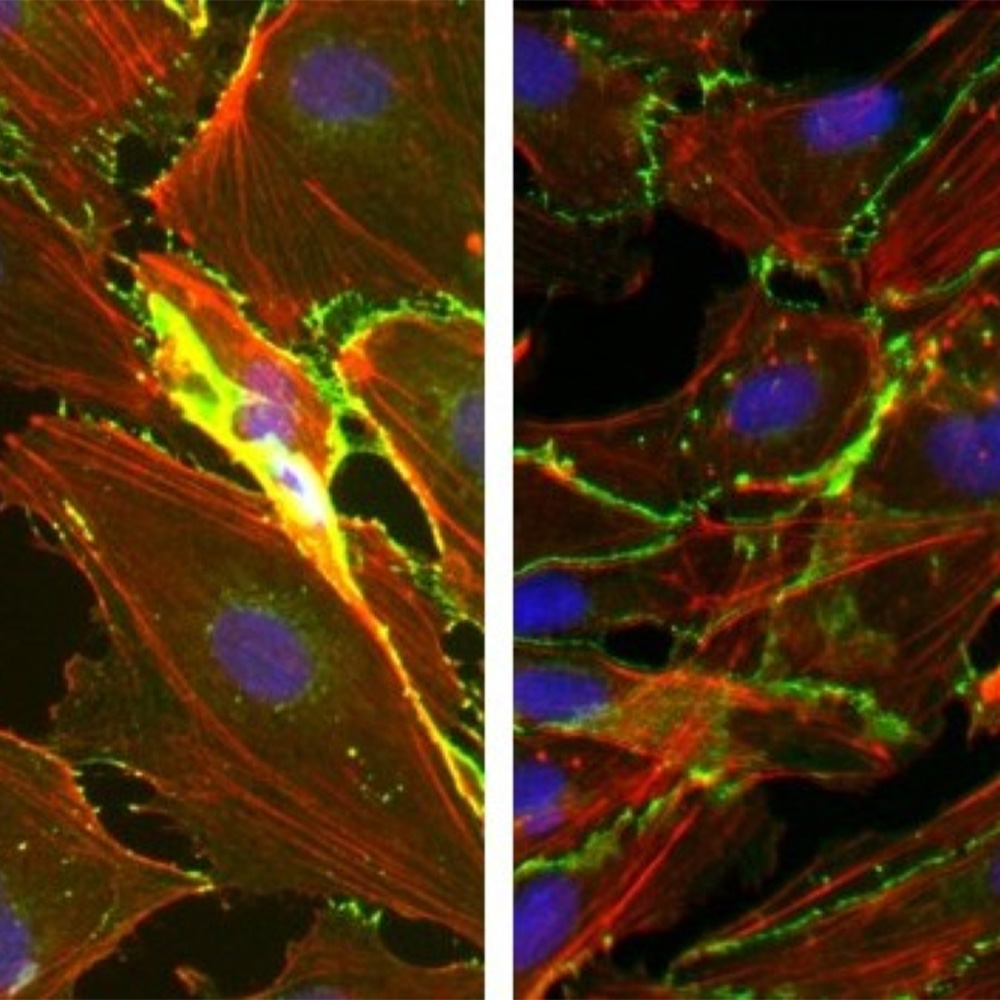
A protein called angiopoietin-2 (ANGPT2) can both inhibit and encourage blood vessel changes critical for sepsis, a leading cause of hospital deaths worldwide, a new study led by UT Southwestern Medical Center researchers shows.
Former SEAL Team Six commander donates $1 million to UT Southwestern : Newsroom - UT Southwestern, Dallas, Texas
https://www.utsouthwestern.edu/newsroom/articles/year-2024/nov-seal-team-donation.html
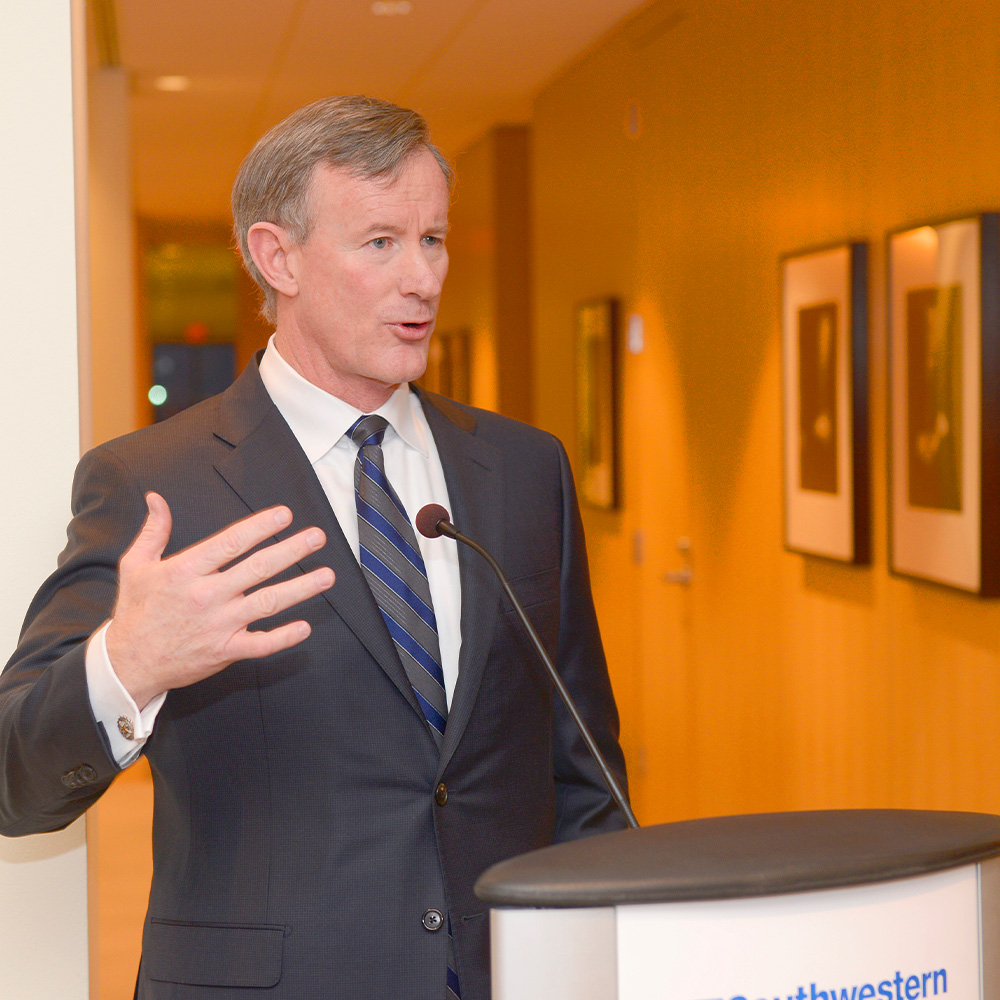
Retired Navy Adm. William McRaven, former commander of U.S. Special Operations who oversaw the SEAL Team Six raid that killed Osama bin Laden in 2011, has donated $1 million to UT Southwestern Medical Center to support its research program focused on Gulf War Illness (GWI), as well as mental health
Out of Africa: UT Southwestern cardiologist gets to the heart of Zambia’s No. 1 health threat : Newsroom - UT Southwestern, Dallas, Texas
https://www.utsouthwestern.edu/newsroom/articles/year-2024/oct-strasserking-global-health.html
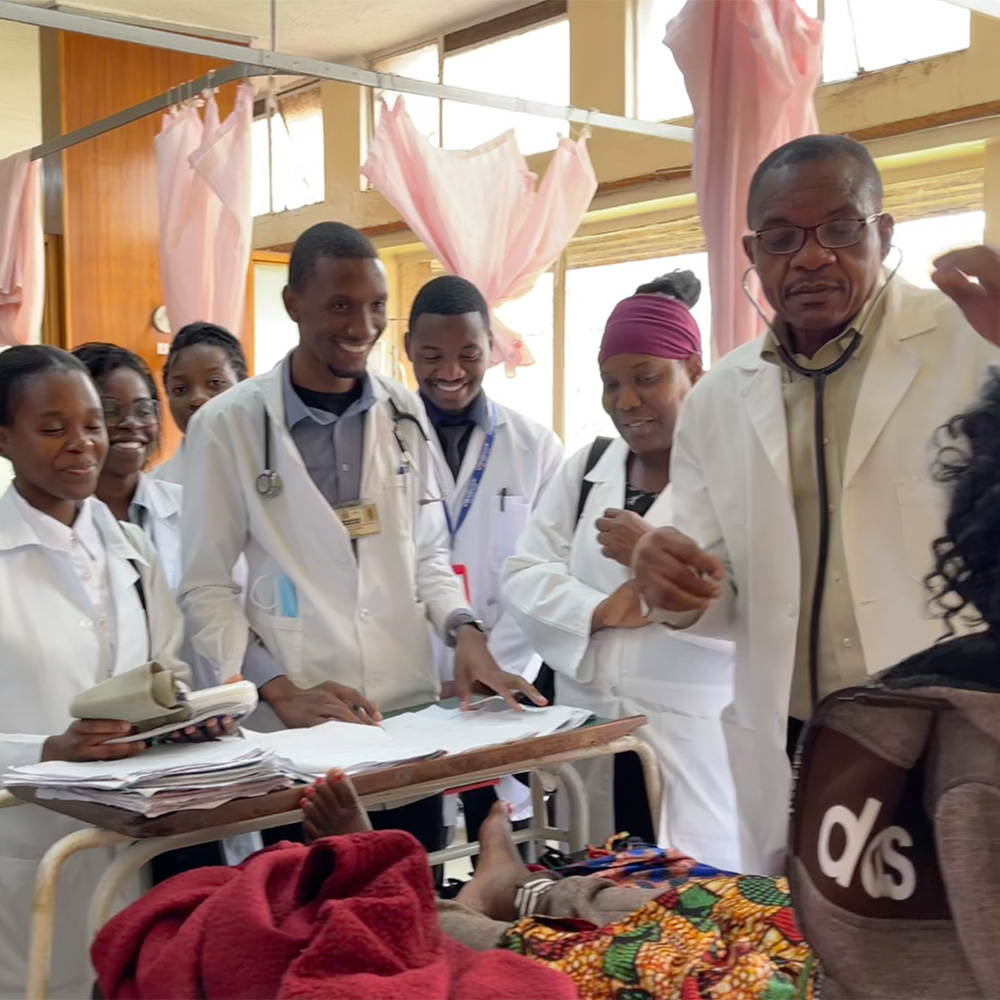
On a Thursday morning in Dallas, Fiona Strasserking, M.D., chats with her UT Southwestern colleague while internal medicine residents from the University of Zambia log on to their Zoom call. Rafic Berbarie, M.D., Associate Professor in UTSW’s Division of Cardiology, is today’s guest lecturer and the
Why do women have more trouble after knee injuries? UTSW model explains: Newsroom - UT Southwestern, Dallas, Texas
https://www.utsouthwestern.edu/newsroom/articles/year-2025/feb-women-knee-injuries.html
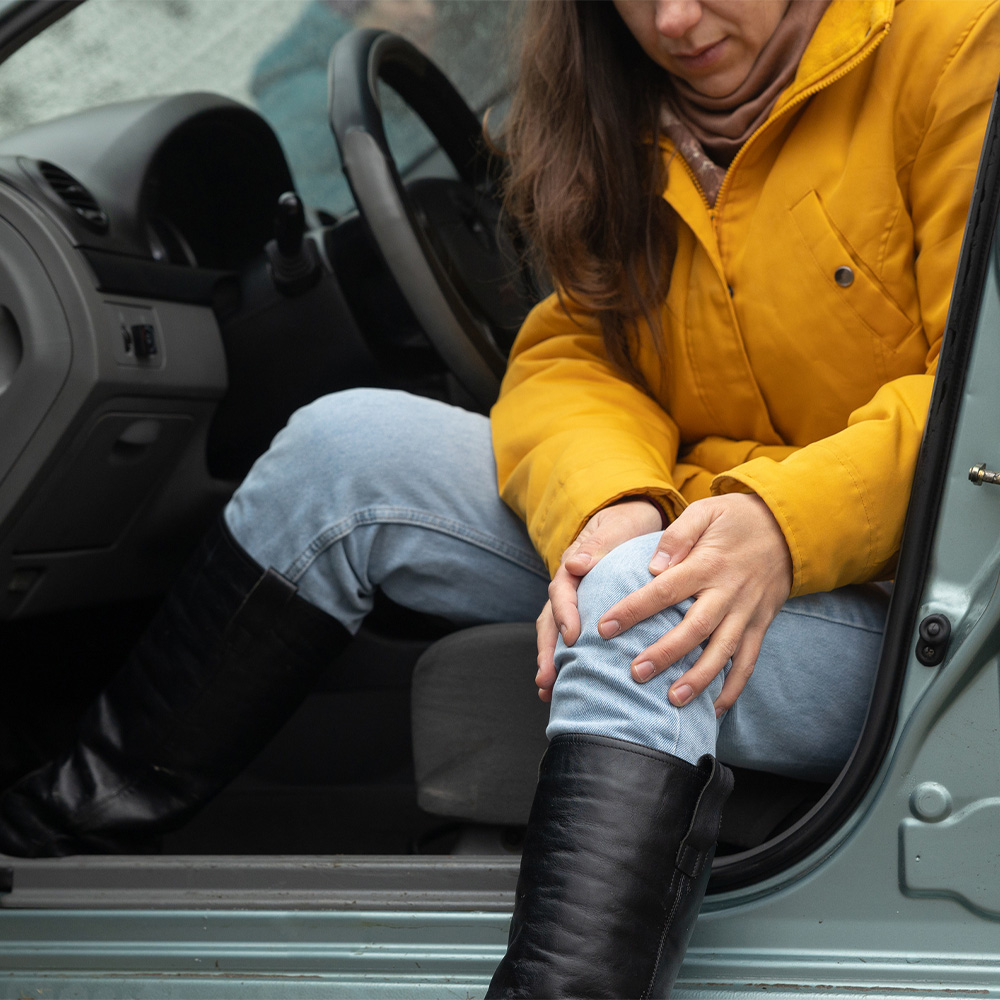
A computer model of the cellular environment inside the knee developed by UT Southwestern Medical Center researchers sheds light on why women tend to have worse outcomes after knee injuries than men. Their findings, published in Scientific Reports, could facilitate research into new therapies for
Genetic testing moving into the mainstream, UTSW study finds: Newsroom - UT Southwestern, Dallas, Texas
https://www.utsouthwestern.edu/newsroom/articles/year-2024/dec-genetic-testing-mainstream.html

Genetic testing, which has expanded in recent years with advances in technology and the development of consumer products, is on a path to widespread acceptance in the U.S., researchers at UT Southwestern Medical Center found.