
Search
UT Southwestern selected among Best Employers for Women by Forbes: Newsroom - UT Southwestern, Dallas, Texas
https://www.utsouthwestern.edu/newsroom/articles/year-2021/best-employers-for-women-by-forbes.html

Forbes and Statista have selected UT Southwestern among the top 40 Best Employers for Women 2021.
High-tech sleeping bag could solve vision issues in space: Newsroom - UT Southwestern, Dallas, Texas
https://www.utsouthwestern.edu/newsroom/articles/year-2021/high-tech-sleeping-bag.html
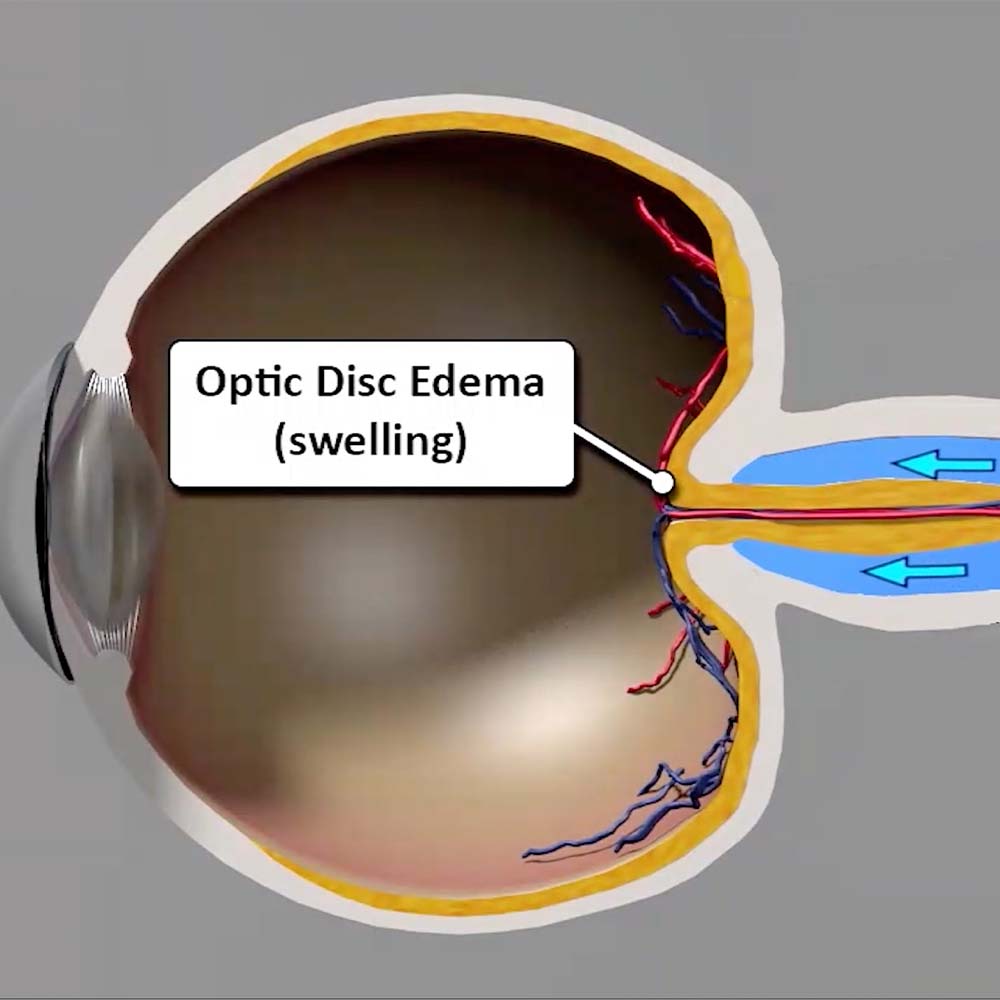
A subtle smile emerged on Dr. James Leidner’s face as he envisioned telling people of the unusual contribution he made to mankind’s mission to Mars.
UT Southwestern launches SPORE-funded national resource to advance precision medicine for kidney cancer : Newsroom - UT Southwestern, Dallas, Texas
https://www.utsouthwestern.edu/newsroom/articles/year-2021/spore-funded-national-resource.html
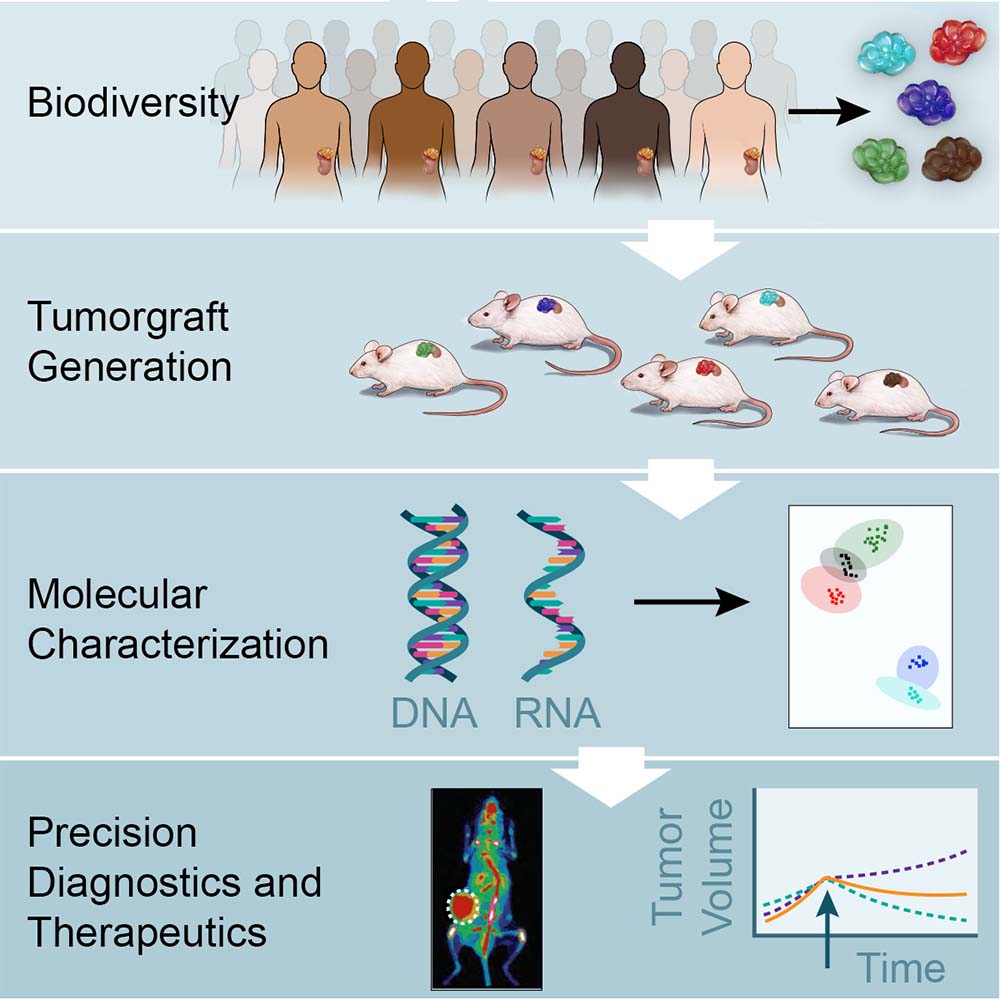
Funded by a Specialized Program of Research Excellence (SPORE) award from the National Cancer Institute (NCI), the Kidney Cancer Program (KCP) at UT Southwestern’s Harold C. Simmons Comprehensive Cancer Center reports the largest and most diverse catalog of kidney cancer tumor models to date.
Digging deep for differences in Duchenne muscular dystrophy: Newsroom - UT Southwestern, Dallas, Texas
https://www.utsouthwestern.edu/newsroom/articles/year-2020/differences-in-duchenne-muscular-dystrophy.html

A UT Southwestern research team has catalogued gene activity in the skeletal muscle of mice, comparing healthy animals to those carrying a genetic mutation that causes Duchene muscular dystrophy (DMD) in humans.
HHSC, UT Southwestern plan for New State Psychiatric Hospital in Dallas-Fort Worth Metroplex: Newsroom - UT Southwestern, Dallas, Texas
https://www.utsouthwestern.edu/newsroom/articles/year-2021/new-state-psychiatric-hospital.html
The Texas Health and Human Services Commission and the University of Texas Southwestern Medical Center are developing plans for a new state psychiatric hospital in the Dallas-Fort Worth area, with $44.7 million in state funding approved this Legislative session.
UT Southwestern geriatric fracture initiatives result in expedited care and shorter hospital stays: Newsroom - UT Southwestern, Dallas, Texas
https://www.utsouthwestern.edu/newsroom/articles/year-2022/august-geriatric-fracture-initiatives.html
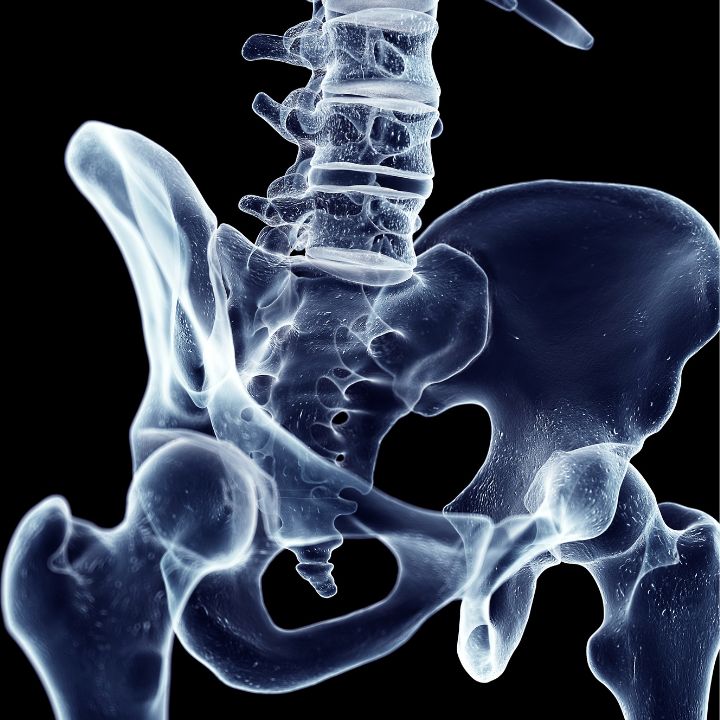
A multidisciplinary effort to improve care for older patients who arrive at the emergency room with a hip fracture has decreased the time before they have surgery, shortened hospital stays, and resulted in better follow-up care, UT Southwestern physicians reported in Geriatric Nursing.
UT Southwestern researchers identify a gene therapy target for polycystic kidney disease – UT Southwestern Medical Center psychiatric hospital: Newsroom - UT Southwestern, Dallas, Texas
https://www.utsouthwestern.edu/newsroom/articles/year-2022/september-polycystic-kidney-disease.html
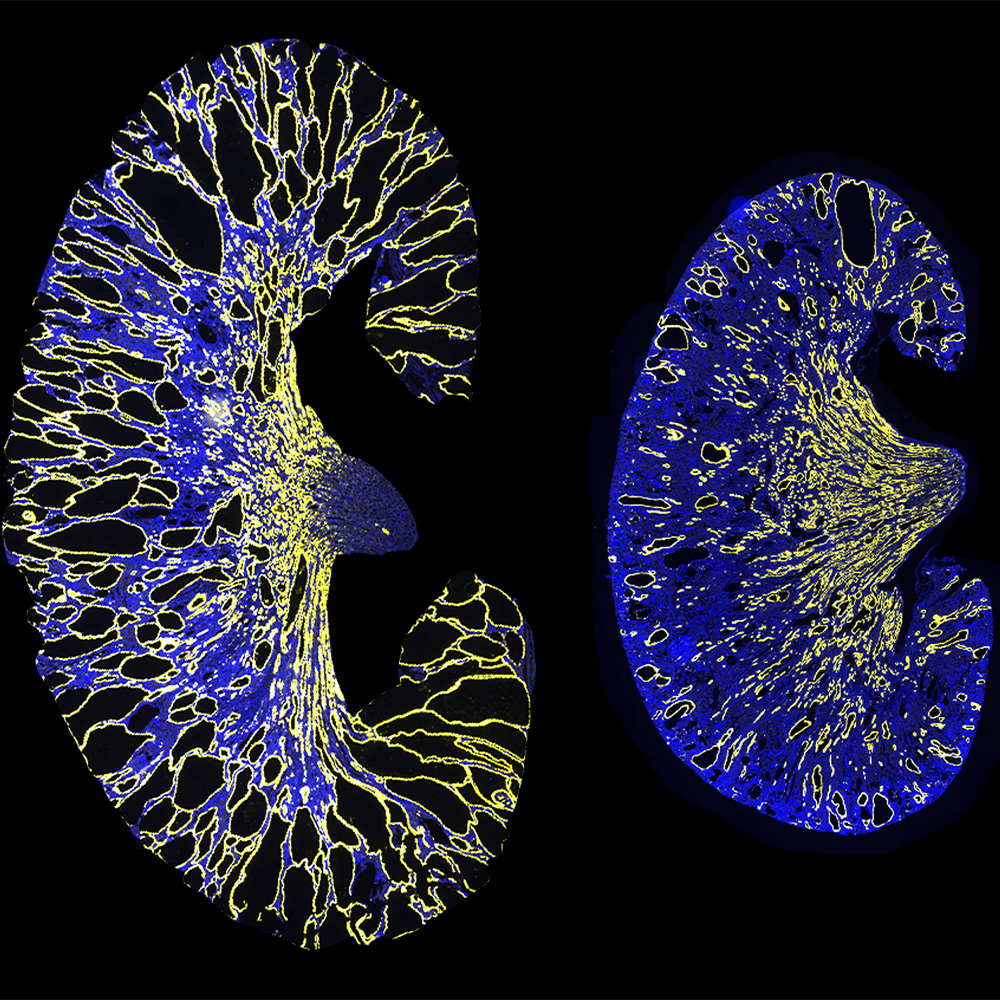
Blocking the inhibition of PKD1 and PKD2 gene expression by deleting a binding site for microRNAs hindered the formation and growth of kidney cysts in autosomal dominant polycystic kidney disease (ADPKD) models, UT Southwestern researchers reported.
Long-haul COVID deserves more attention, UTSW expert says: Newsroom - UT Southwestern, Dallas, Texas
https://www.utsouthwestern.edu/newsroom/articles/year-2022/august-long-haul-covid.html
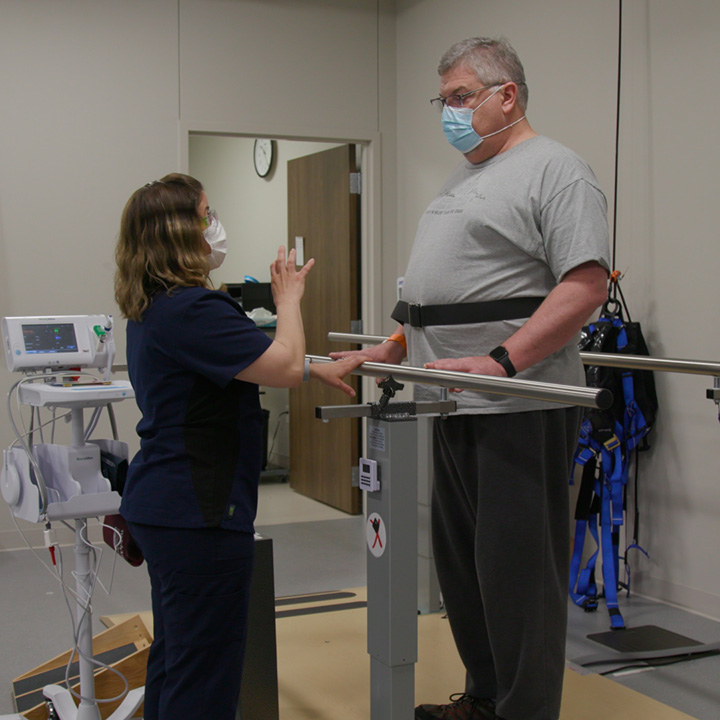
While public attention has been focused on the million-plus Americans who have died from COVID-19 and the ongoing level of cases and hospitalizations, tens of millions of patients have developed life-altering symptoms that linger long after their COVID-19 infection clears.
UTSW study finds p53 gene plays second role in suppressing genes tied to cancer: Newsroom - UT Southwestern, Dallas, Texas
https://www.utsouthwestern.edu/newsroom/articles/year-2022/august-p53-gene-plays-second-role.html
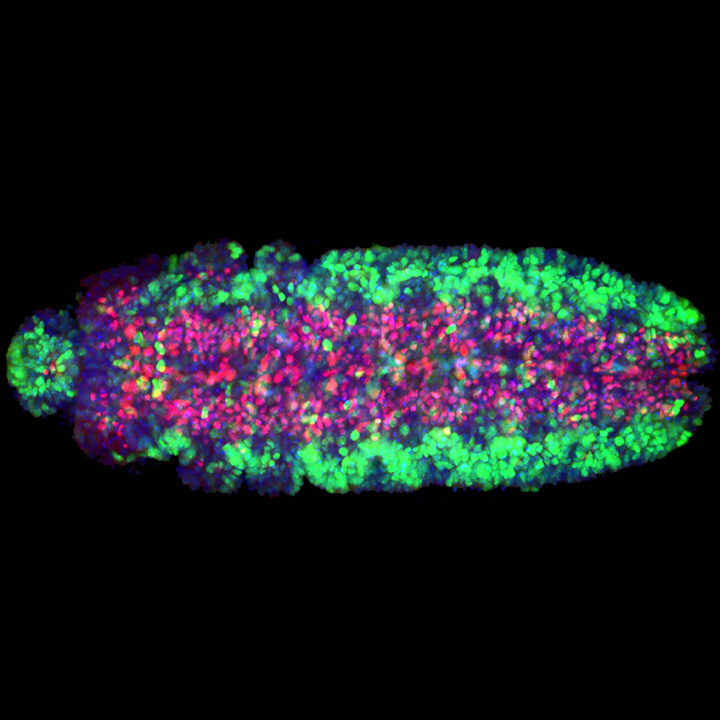
A gene that’s well known for its role in turning on tumor-suppressing genes when cells become stressed also keeps potential tumor-driving genes turned off, UT Southwestern researchers report in a new study.
UT Southwestern participating in national initiative to sequence pediatric brain tumors : Newsroom - UT Southwestern, Dallas, Texas
https://www.utsouthwestern.edu/newsroom/articles/year-2022/july-pediatric-brain-tumors.html

UT Southwestern is joining with medical centers around the nation to apply advanced sequencing to pediatric brain tumors as part of the National Cancer Institute’s new Molecular Characterization Initiative, a subset of the Cancer Moonshot Childhood Cancer Initiative.