
Search
Gene-editing nanoparticles correct stem cell mutations in cystic fibrosis models : Newsroom - UT Southwestern, Dallas, Texas
https://www.utsouthwestern.edu/newsroom/articles/year-2024/june-gene-editing-nanoparticles.html
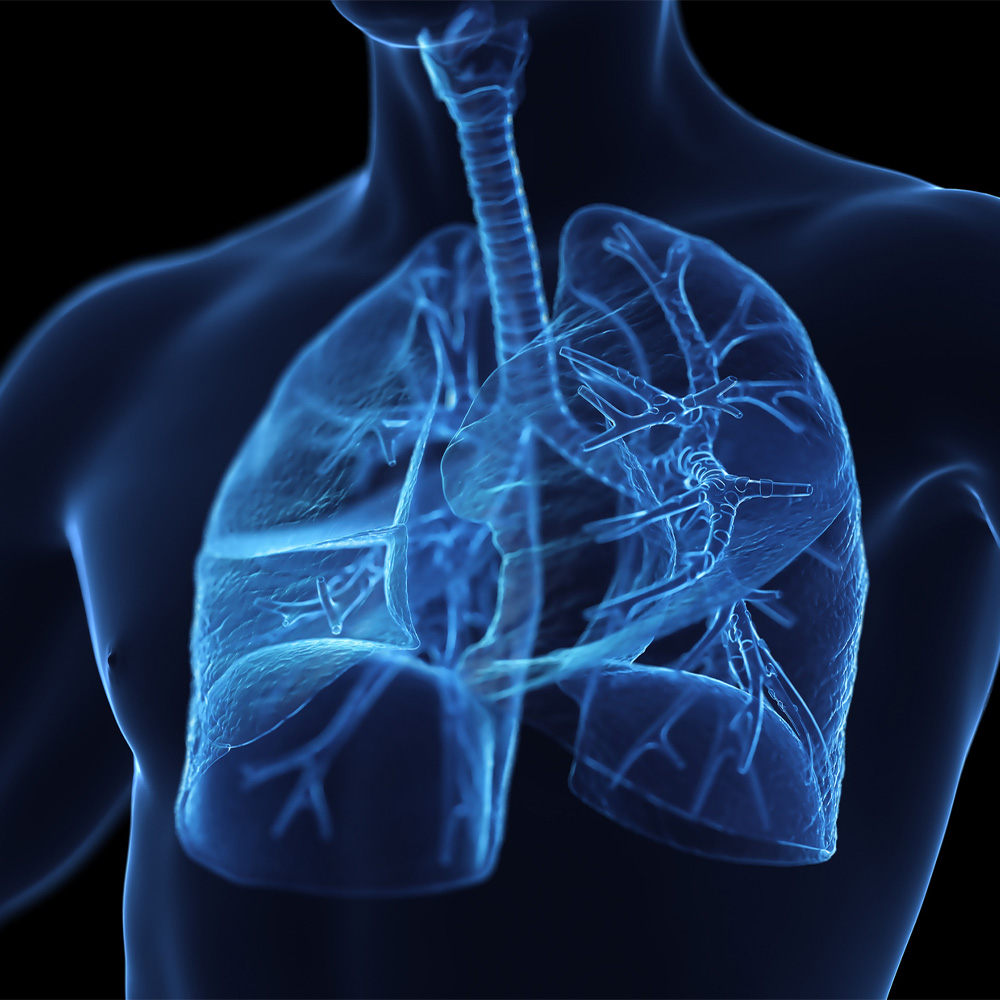
Researchers at UT Southwestern Medical Center developed nanoparticles that successfully edited the disease-causing gene in the lungs of a mouse model of cystic fibrosis (CF), swapping a mutated form for a healthy one that persisted in stem cells. Their findings, reported in Science, could offer hope
Tips to soak up the sun but not its damaging rays: Newsroom - UT Southwestern, Dallas, Texas
https://www.utsouthwestern.edu/newsroom/articles/year-2024/may-summer-skin-tips.html

As the warm weather and summer vacations draw more people outdoors, a UT Southwestern Medical Center cancer specialist is reminding everyone to stay vigilant of potential sun damage.
Electroconvulsive therapy or ketamine? Clinical factors affect outcomes: Newsroom - UT Southwestern, Dallas, Texas
https://www.utsouthwestern.edu/newsroom/articles/year-2024/june-electroconvulsive-therapy-ketamine.html
Patients with moderate to severe treatment-resistant depression (TRD) might have better symptom relief from ketamine infusions than from electroconvulsive therapy (ECT), but those with severe TRD could benefit more from ECT early in treatment, an analysis led by a UT Southwestern Medical Center
Diabetes drug metformin may protect against radiation exposure: Newsroom - UT Southwestern, Dallas, Texas
https://www.utsouthwestern.edu/newsroom/articles/year-2024/aug-diabetes-drug-metformin.html
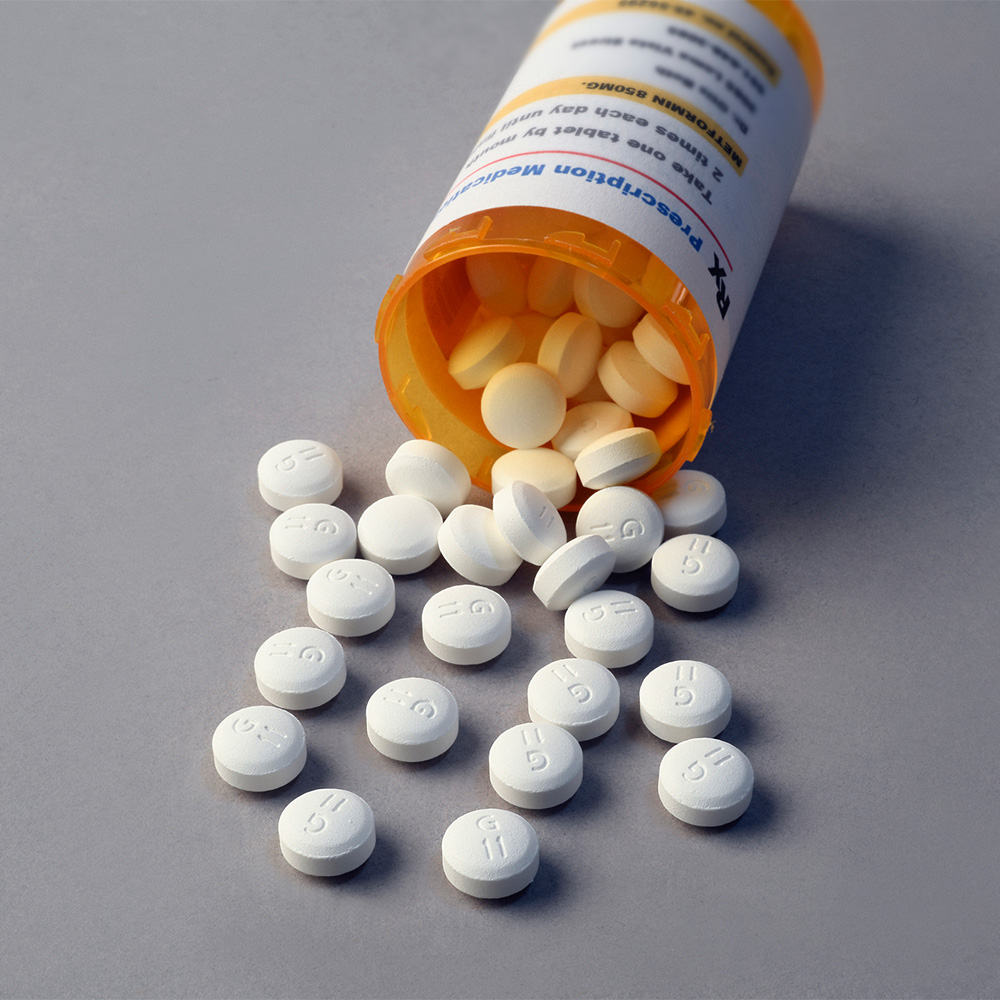
Metformin, a well-tolerated diabetes drug prescribed to as many as 150 million people worldwide, may also protect cells from radioactive damage, UT Southwestern Medical Center researchers report.
UT Southwestern joins elite Honor Roll of nation’s top 20 hospitals : Newsroom - UT Southwestern, Dallas, Texas
https://www.utsouthwestern.edu/newsroom/articles/year-2023/aug-usnwr-best-hospital.html

UT Southwestern Medical Center has joined an elite Honor Roll of the nation’s top 20 hospitals recognized for delivering the highest standard of care, according to U.S. News & World Report’s Best Hospitals listings for 2023-24
Liver cancer treatment costly for Medicare patients, UT Southwestern study finds: Newsroom - UT Southwestern, Dallas, Texas
https://www.utsouthwestern.edu/newsroom/articles/year-2023/january-liver-cancer-treatment.html
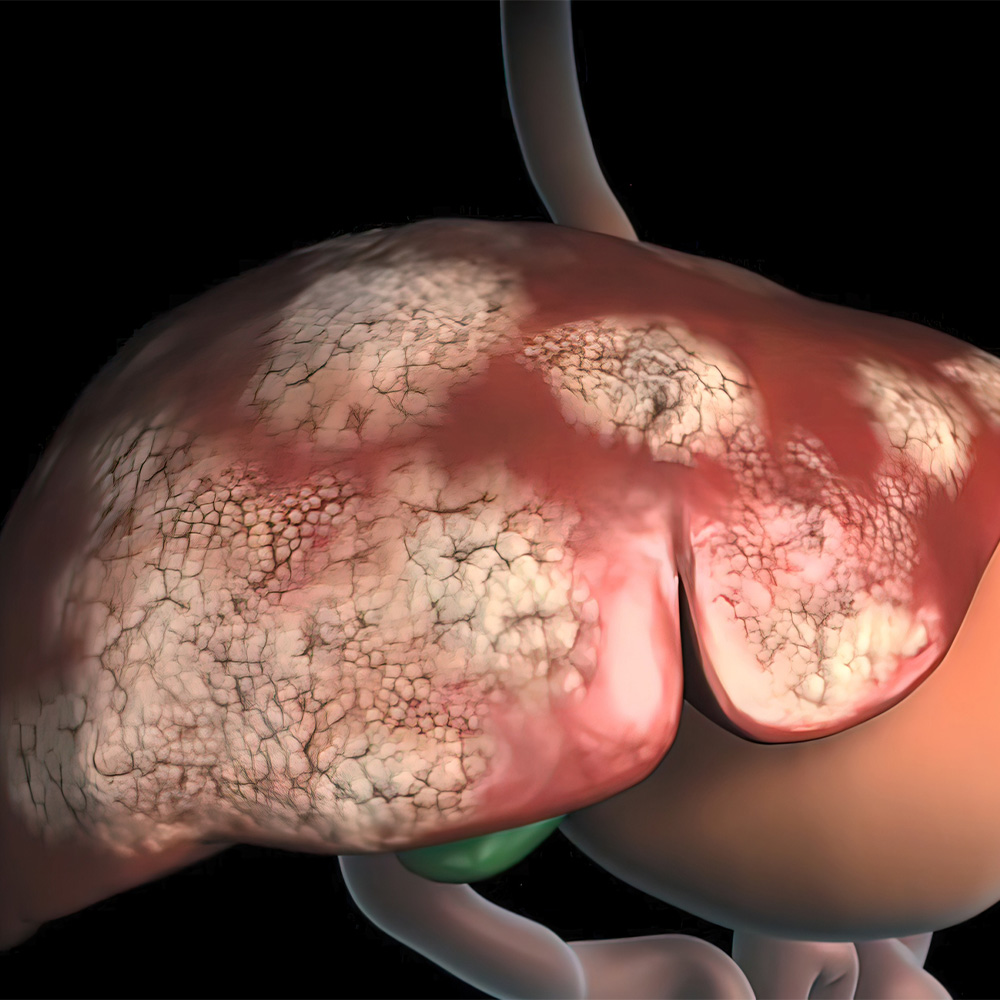
Hepatocellular carcinoma (HCC), the most common type of liver cancer, can place a significant financial burden on patients, according to an analysis led by a researcher at UT Southwestern Medical Center.
Study maps brain wave disruptions affecting memory recall: Newsroom - UT Southwestern, Dallas, Texas
https://www.utsouthwestern.edu/newsroom/articles/year-2023/oct-brain-wave-disruptions.html
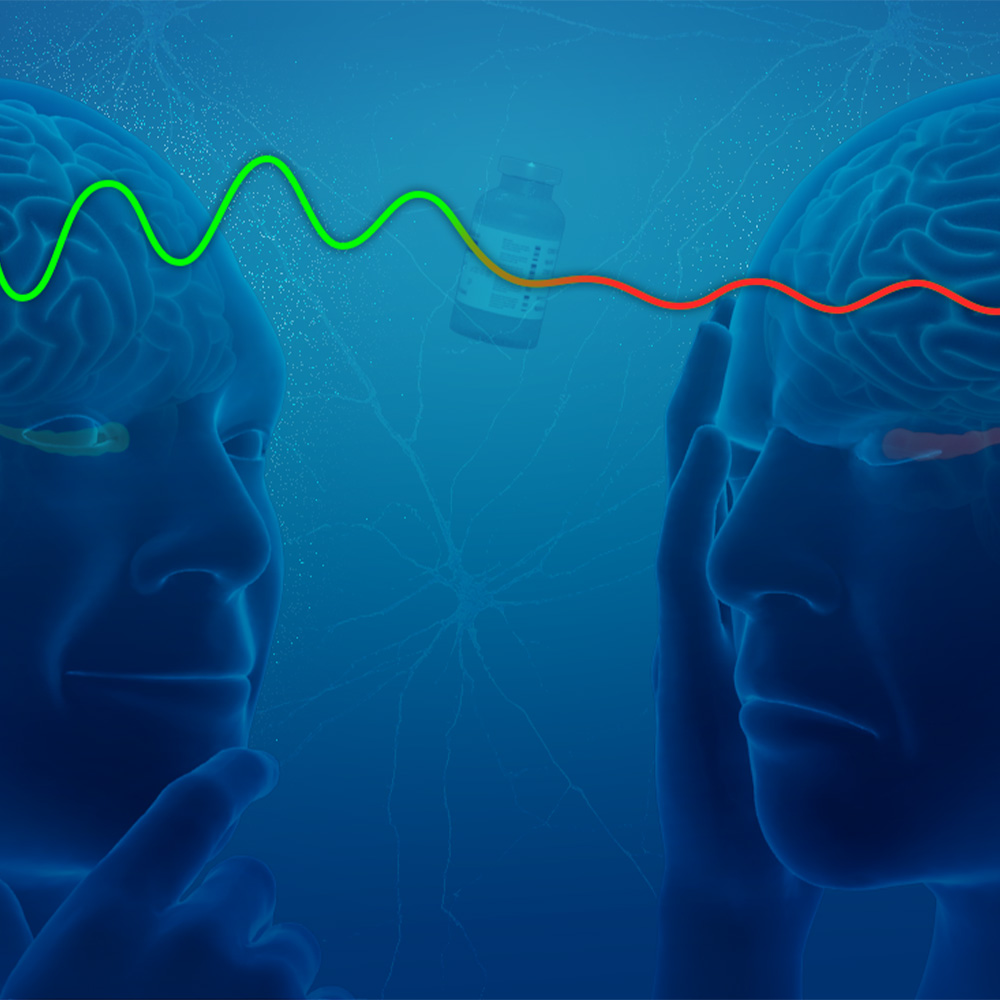
– The brain circuitry that is disrupted in Alzheimer’s disease appears to influence memory through a type of brain wave known as theta oscillation, a team led by UT Southwestern Medical Center researchers report.
UT Southwestern researchers identify risk factors for unsuccessful bunion surgery: Newsroom - UT Southwestern, Dallas, Texas
https://www.utsouthwestern.edu/newsroom/articles/year-2023/january-unsuccessful-bunion-surgery.html
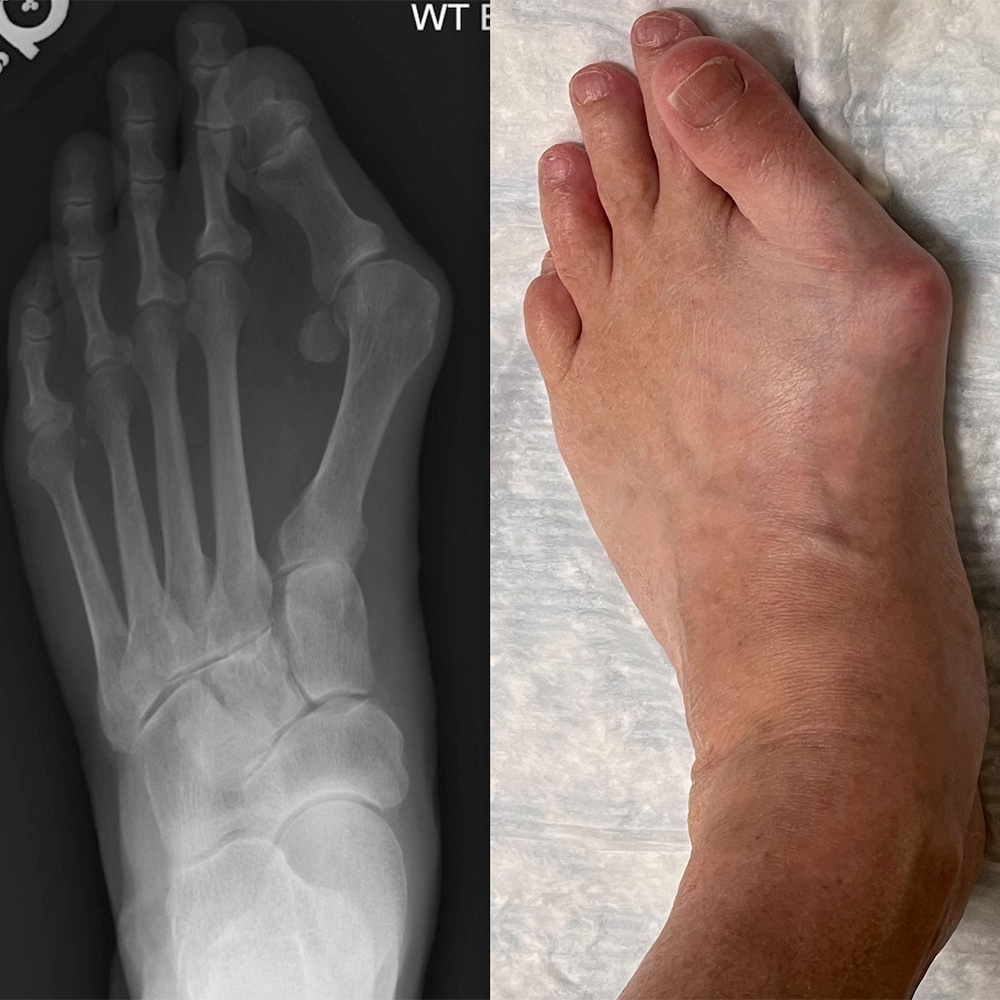
A study by UT Southwestern researchers has identified three factors that increase the risk that bunion surgery will fail to fix this painful foot condition.
UT Southwestern Q&A: What is stress and how can we manage it?: Newsroom - UT Southwestern, Dallas, Texas
https://www.utsouthwestern.edu/newsroom/articles/year-2023/oct-q-a-stress-management.html

Everyone experiences stress from time to time. And while brief bouts can be a good thing, prolonged or chronic stress can have negative effects on your overall health.
Healthy gut bacteria can help fight cancer in other parts of the body, UTSW researchers find: Newsroom - UT Southwestern, Dallas, Texas
https://www.utsouthwestern.edu/newsroom/articles/year-2023/march-healthy-gut-bacteria.html
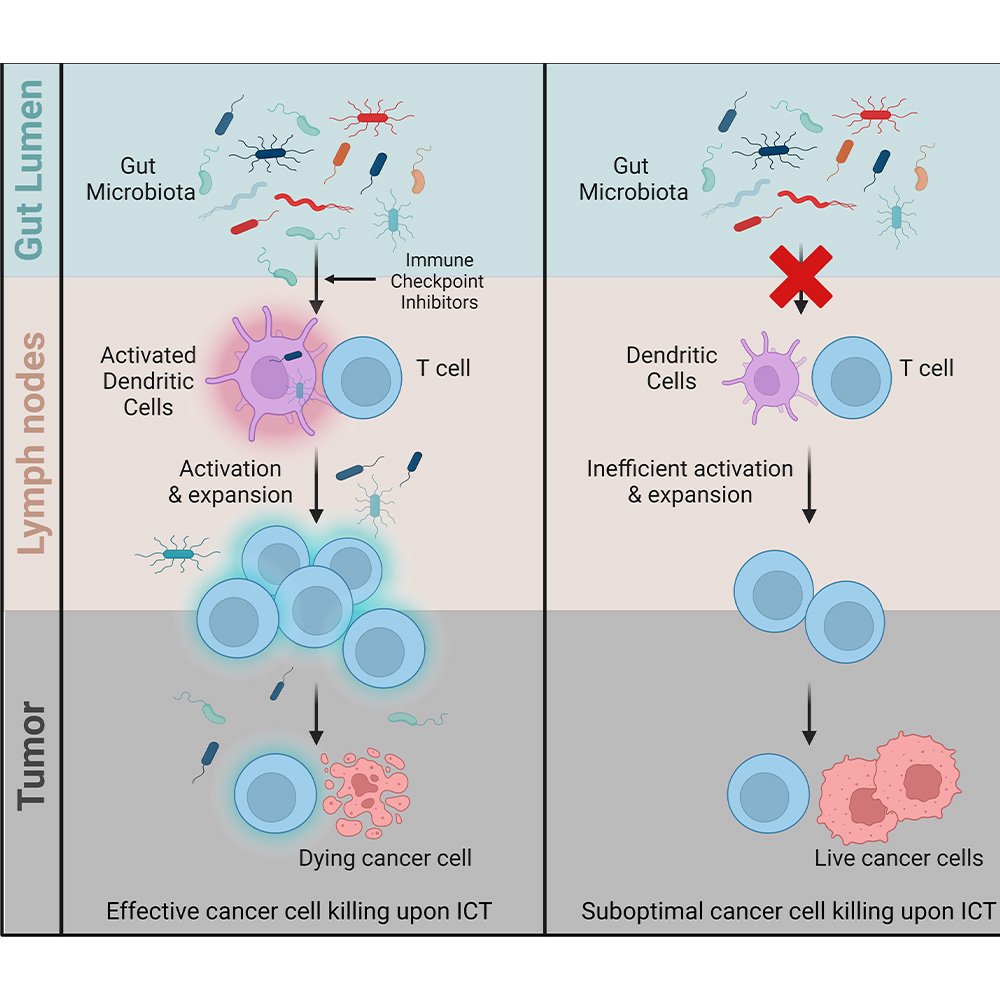
Researchers at UT Southwestern Medical Center have discovered how healthy bacteria can escape the intestine, travel to lymph nodes and cancerous tumors elsewhere in the body, and boost the effectiveness of certain immunotherapy drugs.