
Search
Neurostimulation shows promise as potential Alzheimer’s treatment : Newsroom - UT Southwestern, Dallas, Texas
https://www.utsouthwestern.edu/newsroom/articles/year-2025/march-neurostimulation-alzheimers-treatment.html

Repeated sessions of electrical stimulation to brain networks associated with memory improved verbal learning in some Alzheimer’s disease patients for up to eight weeks in a preliminary trial led by UT Southwestern Medical Center researchers. The findings, published in The Journal of Prevention of
How small muscles make a big impact for athletes at any level: Newsroom - UT Southwestern, Dallas, Texas
https://www.utsouthwestern.edu/newsroom/articles/year-2026/feb-small-muscles-athletes.html
The world’s top competitors in the 2026 Olympics, which continue through Feb. 22, may offer a valuable lesson to those seeking to improve their workouts or just to get more active. While these elite athletes are performing at a peak level on a global stage, it’s the work they put in behind the
At UTSW, an innovative procedure offers new hope for amputees: Newsroom - UT Southwestern, Dallas, Texas
https://www.utsouthwestern.edu/newsroom/articles/year-2025/feb-innovative-procedure-amputees.html
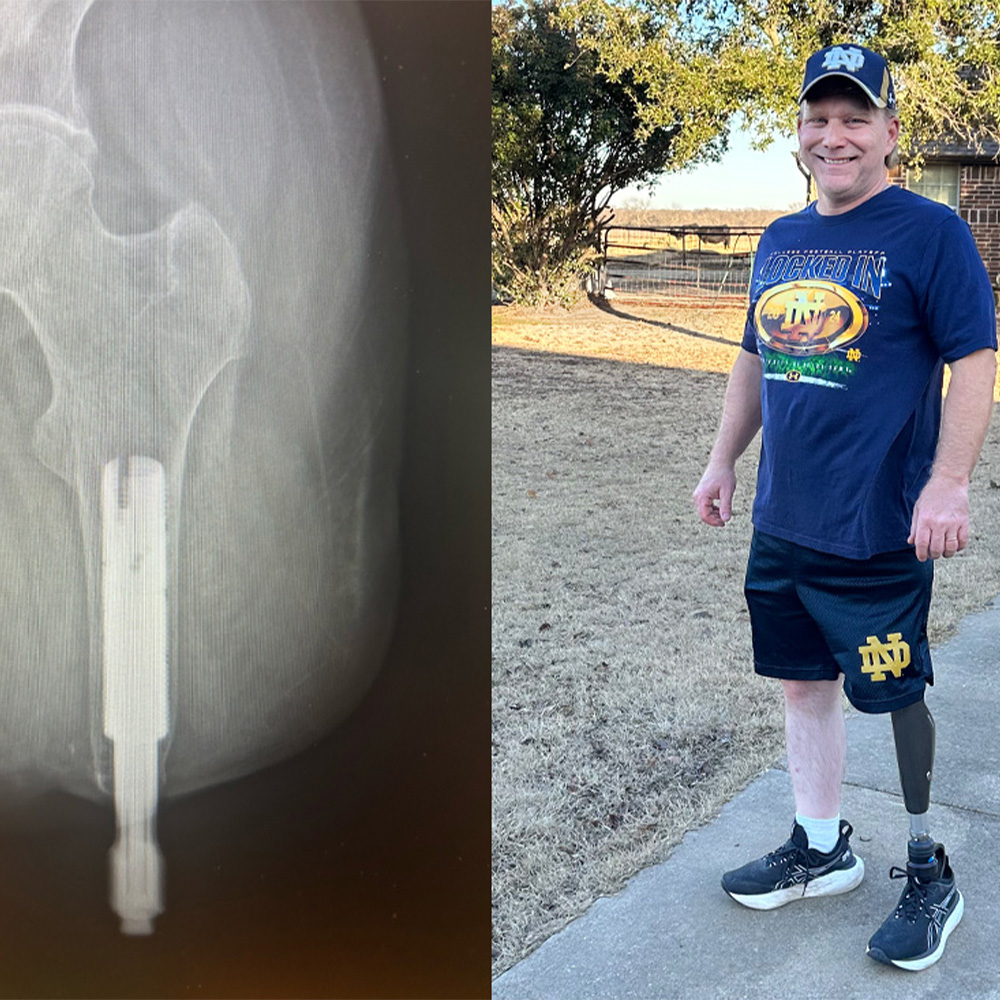
Complications after an amputation left Scott Bryson, a 50-year-old father of three, unable to walk. But in June 2023, he took his first steps in nearly a decade after receiving a revolutionary surgical procedure at UT Southwestern Medical Center.
Antibodies block bacteria that cause tuberculosis, study shows: Newsroom - UT Southwestern, Dallas, Texas
https://www.utsouthwestern.edu/newsroom/articles/year-2026/feb-antibodies-block-bacteria.html
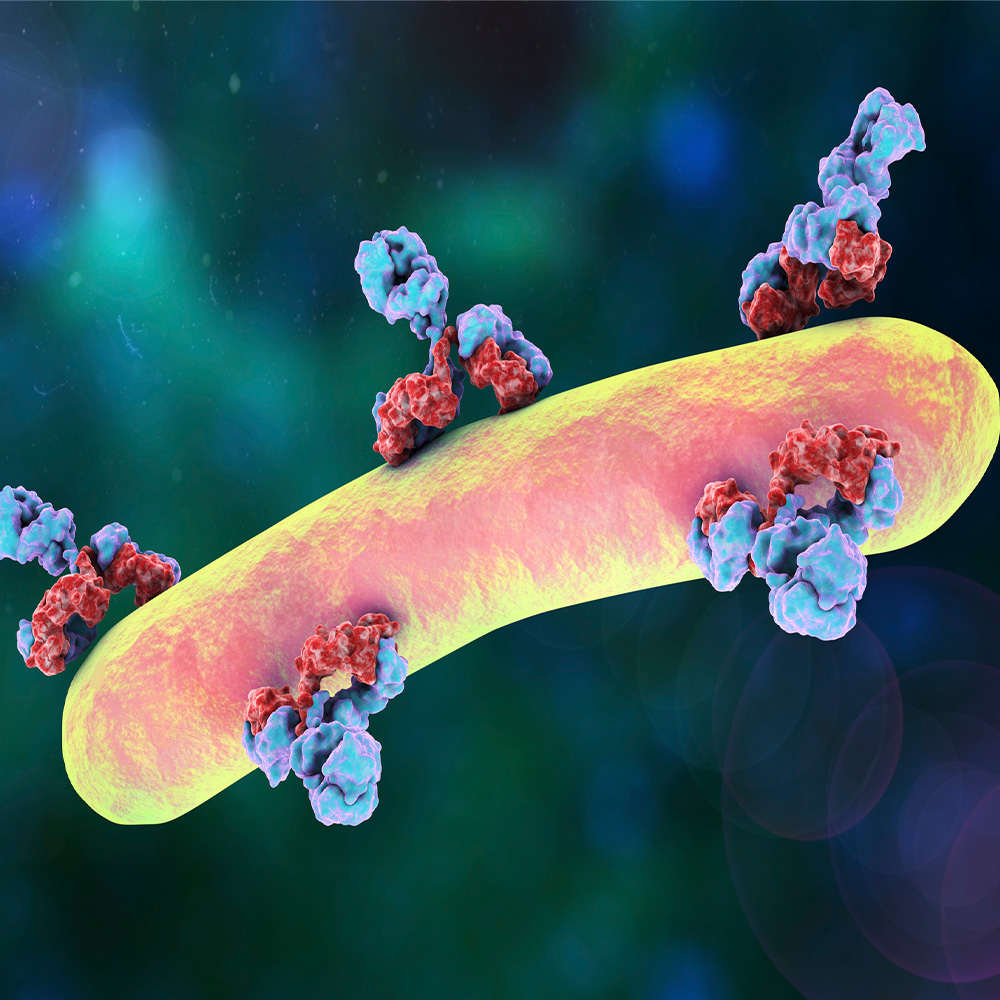
Antibodies that target specific tuberculosis (TB) proteins are effective at inhibiting the bacteria that cause TB, the infectious disease that claims the most lives worldwide, a study led by UT Southwestern Medical Center researchers found.
Underlying cause of Gulf War illness confirmed in UTSW study: Newsroom - UT Southwestern, Dallas, Texas
https://www.utsouthwestern.edu/newsroom/articles/year-2025/nov-gulf-war-illness.html
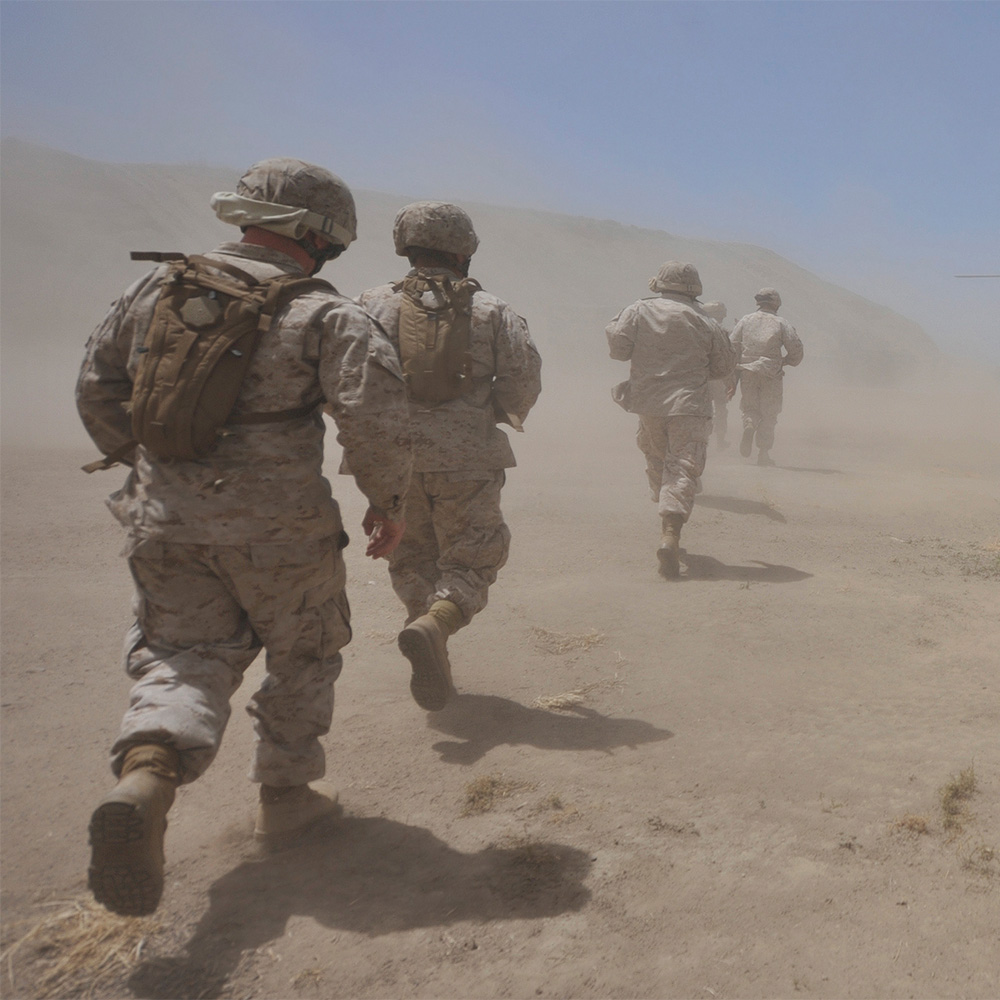
Dysfunctional mitochondria, organelles that serve as cellular power generators, appear to cause the symptoms of Gulf War illness (GWI) among tens of thousands of veterans of the Persian Gulf War, UT Southwestern Medical Center scientists confirmed in a new study.
Team discovers broken ‘brake' of cancer mutation machine: Newsroom - UT Southwestern, Dallas, Texas
https://www.utsouthwestern.edu/newsroom/articles/year-2023/aug-mutation-machine-for-cancers.html
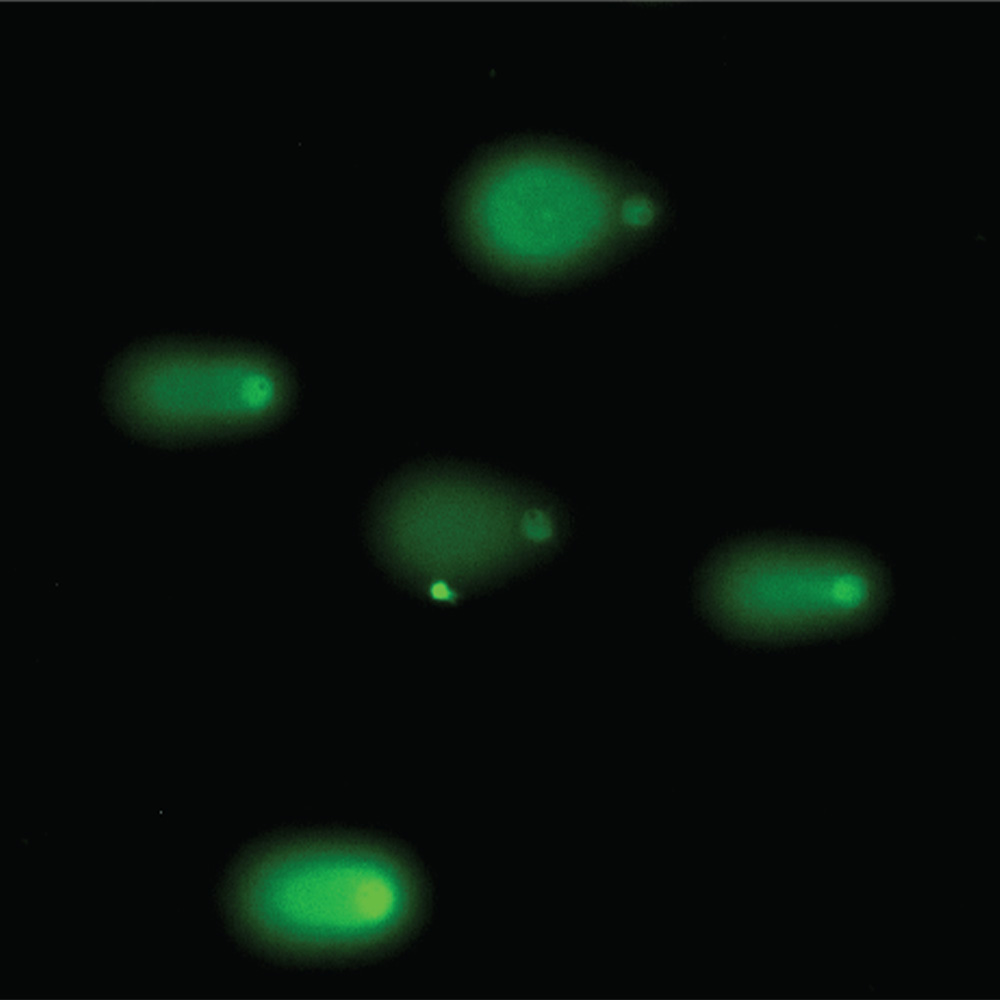
Loss of a gene known as SYNCRIP in prostate cancer tumors unleashes cellular machinery that creates random mutations throughout the genome that drive resistance to targeted treatments, a team led by UT Southwestern Medical Center researchers discovered.
Ridding cells of mitochondria sheds light on their function: Newsroom - UT Southwestern, Dallas, Texas
https://www.utsouthwestern.edu/newsroom/articles/year-2025/july-ridding-cells-mitochondria.html
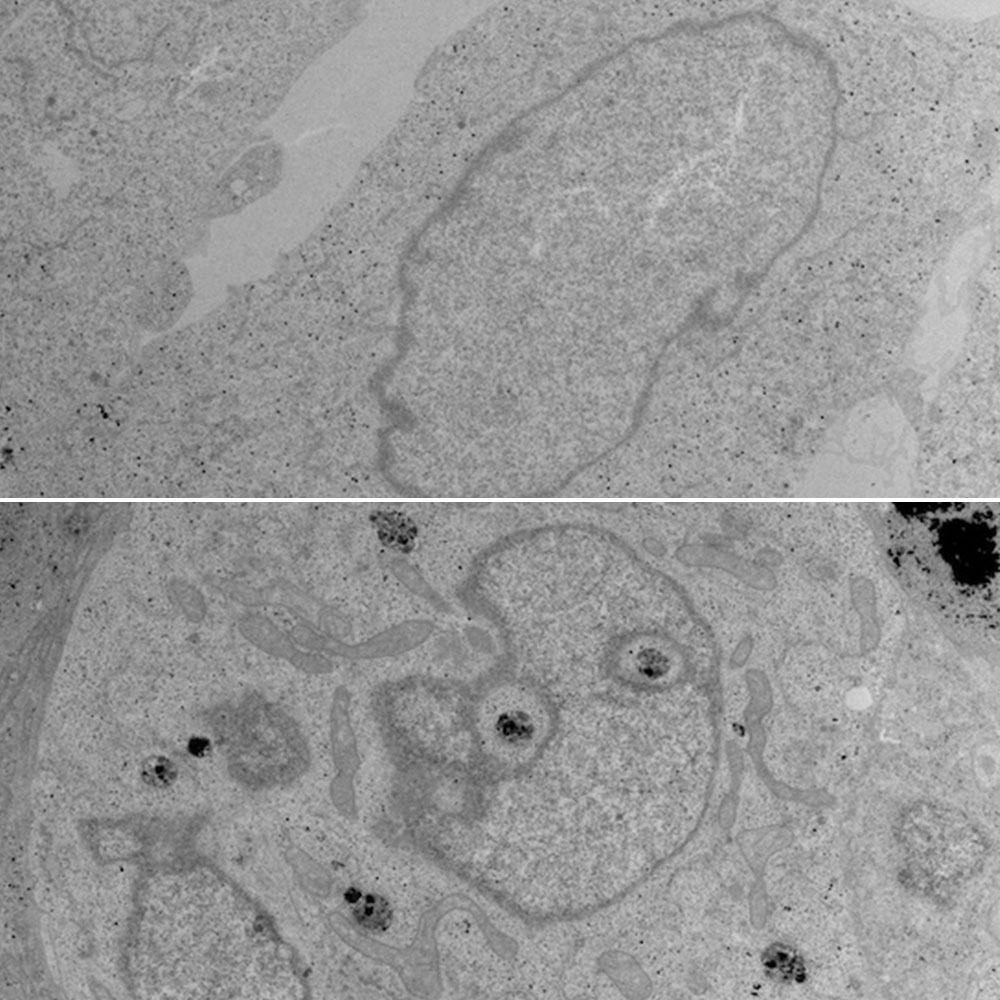
By using a genetic technique they developed that forces cells to rid themselves of mitochondria, UT Southwestern Medical Center researchers are gaining new insights into the function of these critical organelles.
Most pancreatic cancer patients don’t get lifesaving surgery: Newsroom - UT Southwestern, Dallas, Texas
https://www.utsouthwestern.edu/newsroom/articles/year-2023/july-pancreatic-cancer-patients.html

Only 22% of Texas patients with early-stage pancreatic cancer received standard-of-care surgery to remove their tumors, researchers at UT Southwestern Medical Center report in a new study.
Single-dose radiation before surgery can eradicate breast cancer: Newsroom - UT Southwestern, Dallas, Texas
https://www.utsouthwestern.edu/newsroom/articles/year-2025/nov-single-dose-radiation.html
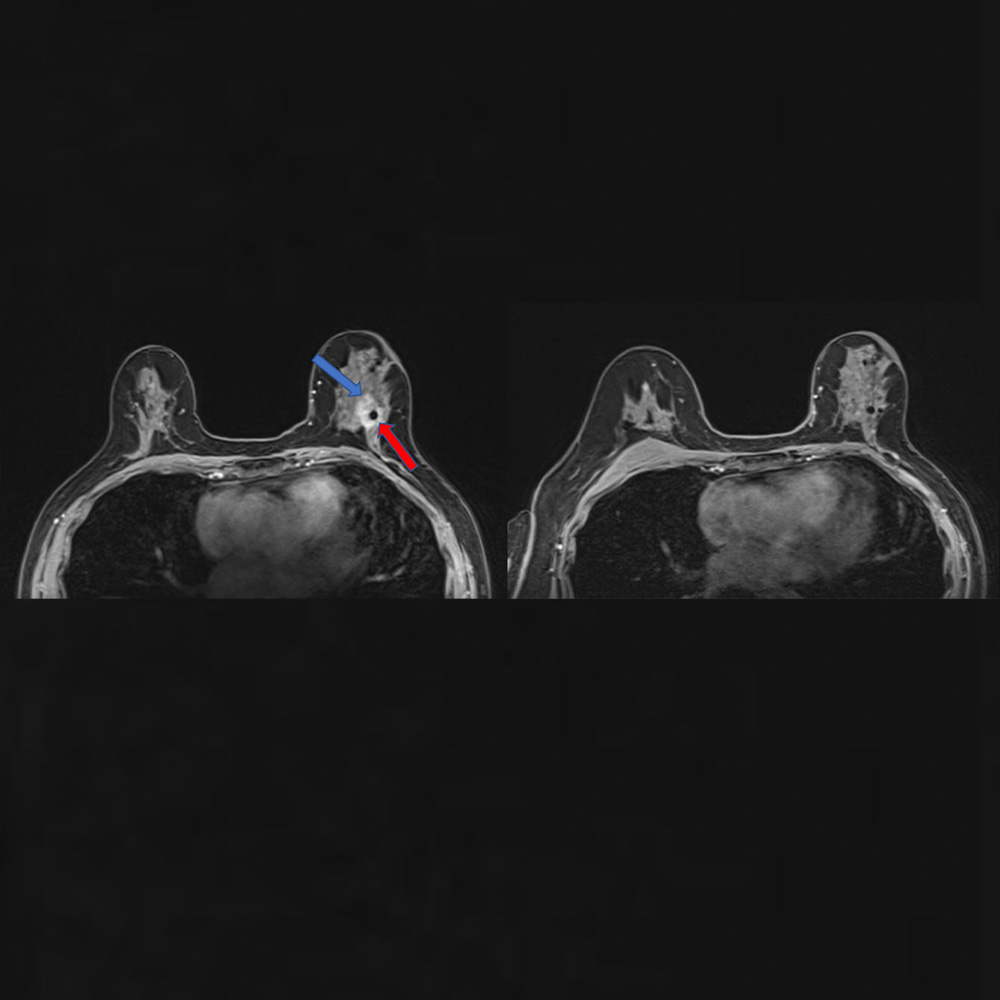
A single, high dose of radiation delivered before other treatments could completely eradicate tumors in most women with early-stage, operable hormone-positive breast cancer, according to a study led by UT Southwestern Medical Center researchers.
Protein inhibits development of COVID-19 in live animals: Newsroom - UT Southwestern, Dallas, Texas
https://www.utsouthwestern.edu/newsroom/articles/year-2023/july-covid-19-in-live-animals.html
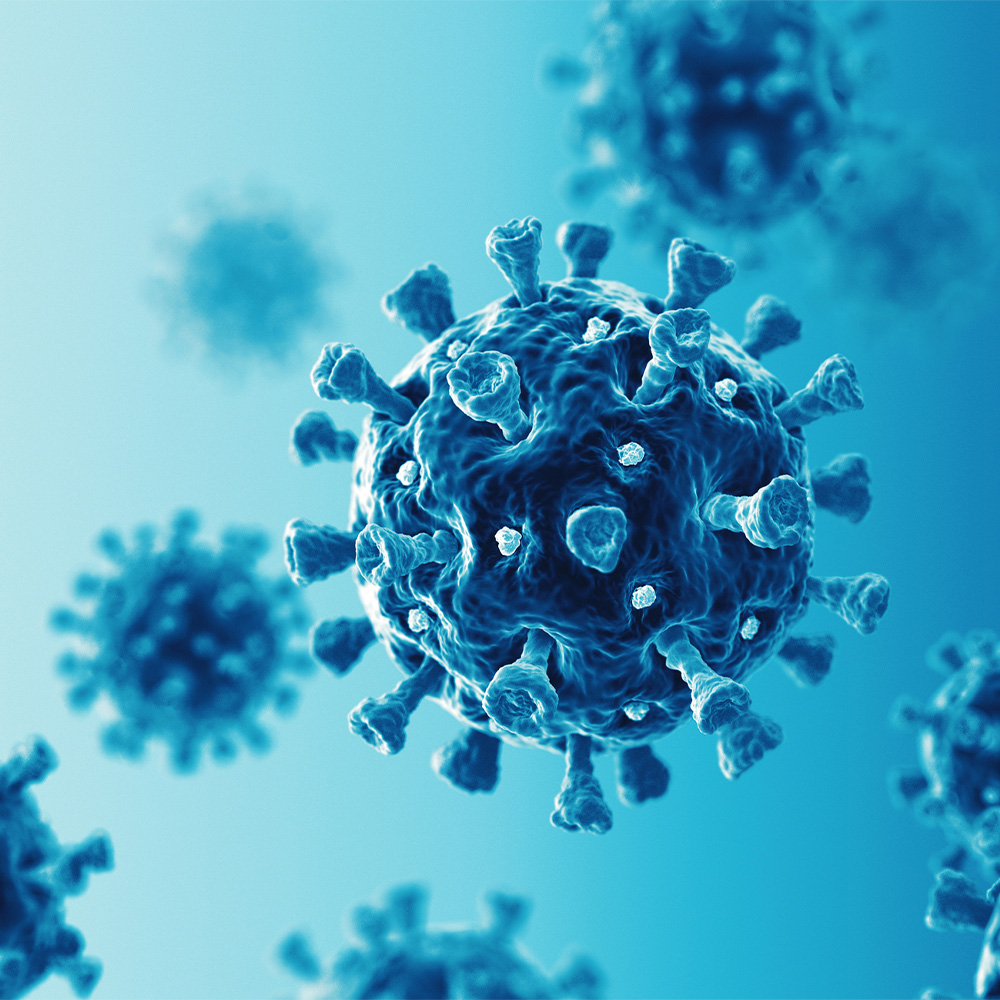
A mammalian protein previously shown by UT Southwestern microbiologists to inhibit the virus that causes COVID-19 in cell culture also protected live mouse models, significantly limiting infection in the lung cells and diminishing the symptoms.