
Search
UTSW researchers discover how food-poisoning bacteria infect the intestines: Newsroom - UT Southwestern, Dallas, Texas
https://www.utsouthwestern.edu/newsroom/articles/year-2023/april-food-poisoning-bacteria.html

Researchers at UT Southwestern Medical Center have discovered how a bacterium that infects people after they eat raw or undercooked shellfish creates syringe-like structures to inject its toxins into intestinal cells.
UT Southwestern, Children’s Health to lead clinical trial on pediatric cancer patients: Newsroom - UT Southwestern, Dallas, Texas
https://www.utsouthwestern.edu/newsroom/articles/year-2023/april-immunotherapy-for-solid-tumors.html

UT Southwestern Medical Center will lead a national multicenter clinical trial to test a treatment strategy for pediatric cancer patients that has shown promising results in adults.
New drug combo could treat some resistant breast cancers: Newsroom - UT Southwestern, Dallas, Texas
https://www.utsouthwestern.edu/newsroom/articles/year-2023/aug-resistant-breast-cancers.html
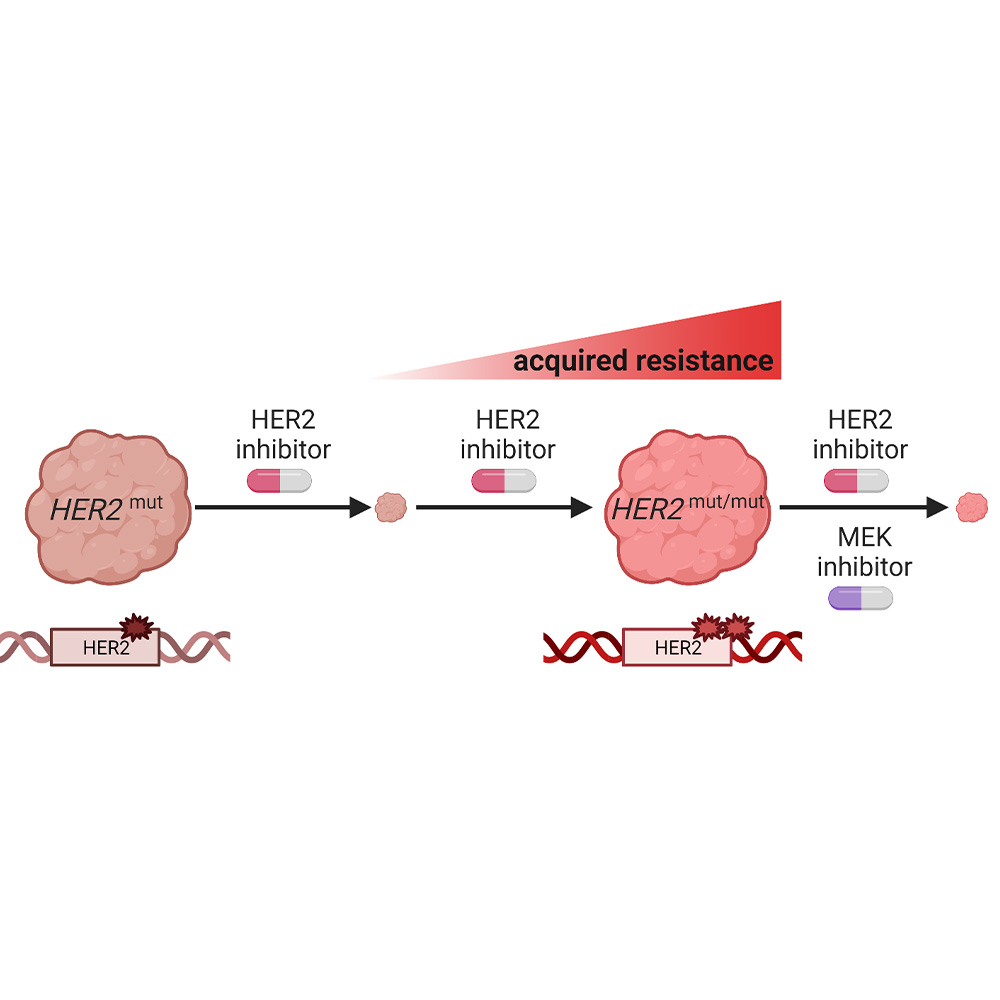
A novel combination of drugs successfully killed breast cells carrying double mutations in the HER2 gene that had rendered them resistant to a commonly used cancer therapy, a study led by UT Southwestern Medical Center researchers showed.
Study gathers data on Texas youths being treated for depression: Newsroom - UT Southwestern, Dallas, Texas
https://www.utsouthwestern.edu/newsroom/articles/year-2023/sept-texas-youths-depression.html

Nearly half of Texas youths being treated for depression or suicidal thoughts reported at least one suicide attempt, and 90% had experienced suicidal ideation, according to a study led by UT Southwestern Medical Center researchers.
Two UT Southwestern researchers awarded HHMI Hanna H. Gray Fellowships: Newsroom - UT Southwestern, Dallas, Texas
https://www.utsouthwestern.edu/newsroom/articles/year-2023/sept-wells-ramos-hhmi.html
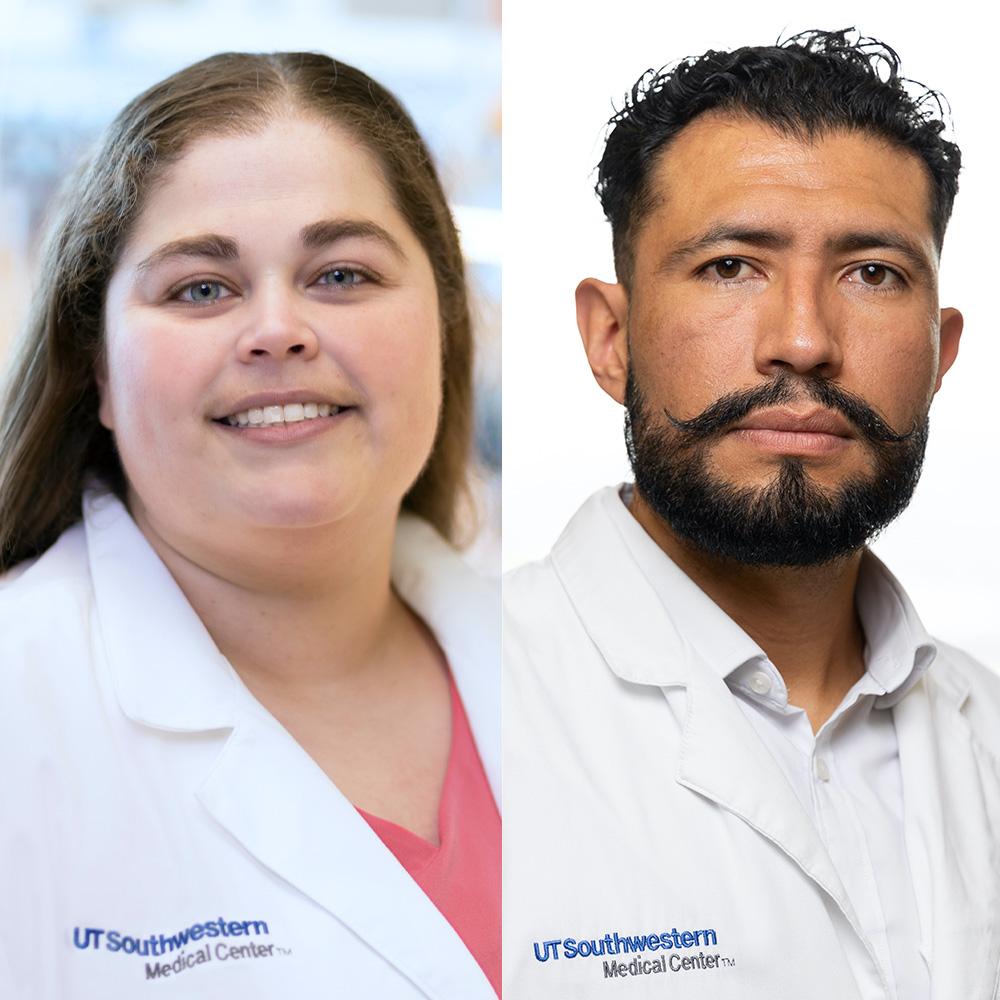
Two postdoctoral researchers at UT Southwestern Medical Center are among 25 early-career scientists nationwide selected as Howard Hughes Medical Institute (HHMI) Hanna H. Gray Fellows for 2023.
Patients who need high-intensity statins not using them: Newsroom - UT Southwestern, Dallas, Texas
https://www.utsouthwestern.edu/newsroom/articles/year-2023/sept-high-intensity-statins.html
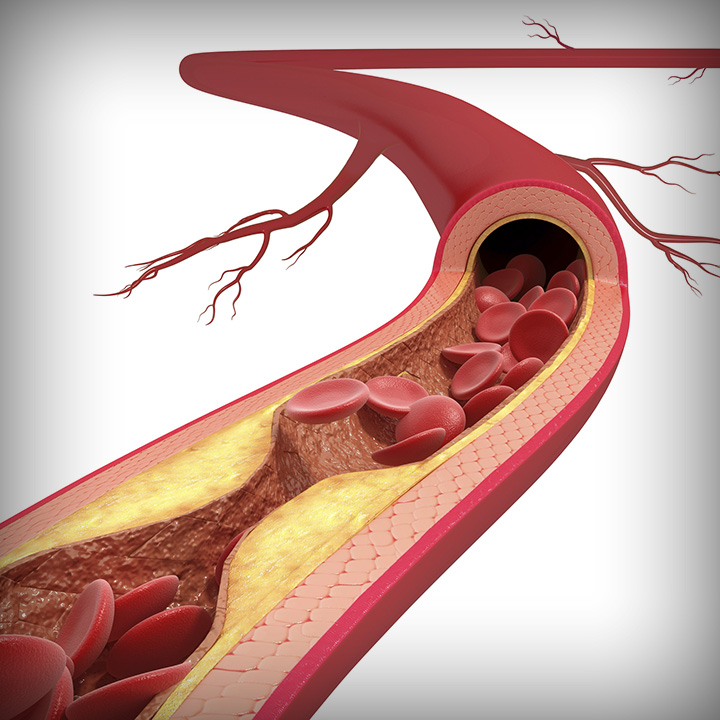
Although hundreds of thousands of patients with atherosclerotic cardiovascular disease (ASCVD) are eligible for high-intensity statin therapy, most are not using the drugs, UT Southwestern Medical Center researchers report.
Fish oil supplement claims often vague, not supported by data : Newsroom - UT Southwestern, Dallas, Texas
https://www.utsouthwestern.edu/newsroom/articles/year-2023/aug-fish-oil-supplement.html

Your daily dose of omega-3s may not be doing what you think it is. Most fish oil supplements on the market today have labels boasting health benefits that aren’t supported by clinical data, according to a study published in JAMA Cardiology by researchers at UT Southwestern Medical Center.
A step closer to eradicating malaria - UT Southwestern, Dallas, Texas
https://www.utsouthwestern.edu/newsroom/articles/year-2020/a-step-closer-to-eradicating-malaria.html
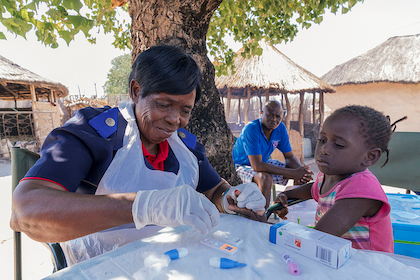
Strategies that treat households in the broad vicinity of a recent malaria case with anti-malarial drugs, insecticides, or both could significantly reduce malaria in low-transmission settings.
UTSW ear experts recommend exams before buying OTC hearing aids: Newsroom - UT Southwestern, Dallas, Texas
https://www.utsouthwestern.edu/newsroom/articles/year-2022/october-otc-hearing-aids.html
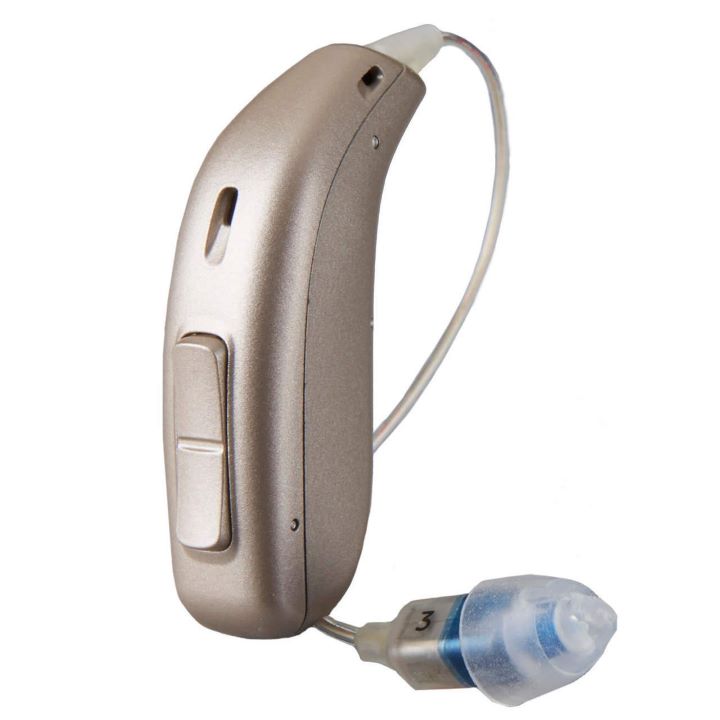
Adults with mild to moderate hearing loss who are considering buying hearing aids when they become available over the counter (OTC) later this month should first be examined by an audiologist and physician to determine if the devices will help them, UT Southwestern hearing specialists suggest.
UT Southwestern study highlights racial bias factors in physician assistant training: Newsroom - UT Southwestern, Dallas, Texas
https://www.utsouthwestern.edu/newsroom/articles/year-2022/october-racial-bias-factors.html

Physician assistant (PA) programs need to actively engage Black/African American students to help address issues of systemic racism, according to a new study.