
Search
How Legionella makes itself at home : Newsroom - UT Southwestern, Dallas, Texas
https://www.utsouthwestern.edu/newsroom/articles/year-2021/how-legionella-makes-itself-at-home.html
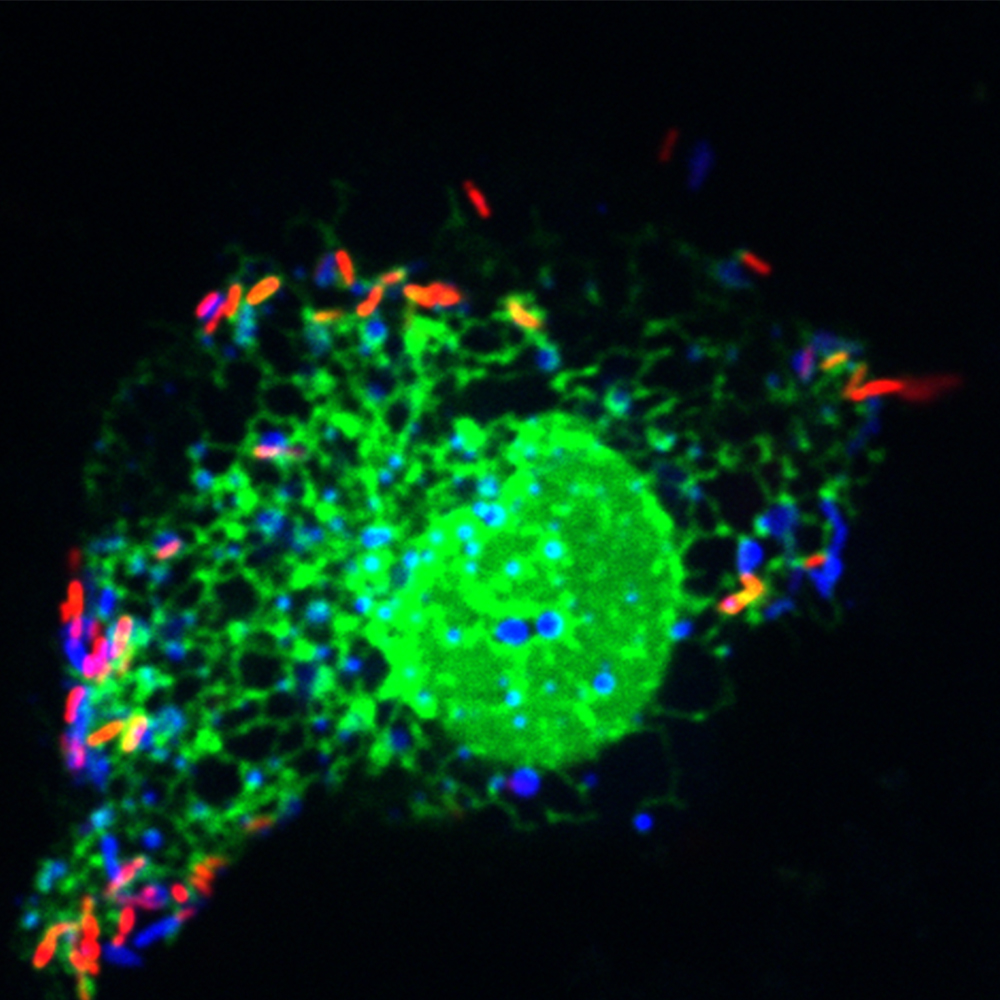
Scientists at UT Southwestern have discovered a key protein that helps the bacteria that causes Legionnaires’ disease to set up house in the cells of humans and other hosts.
Exercise boosts blood flow to the brain, study finds: Newsroom - UT Southwestern, Dallas, Texas
https://www.utsouthwestern.edu/newsroom/articles/year-2021/exercise-boosts-blood-flow-to-the-brain.html
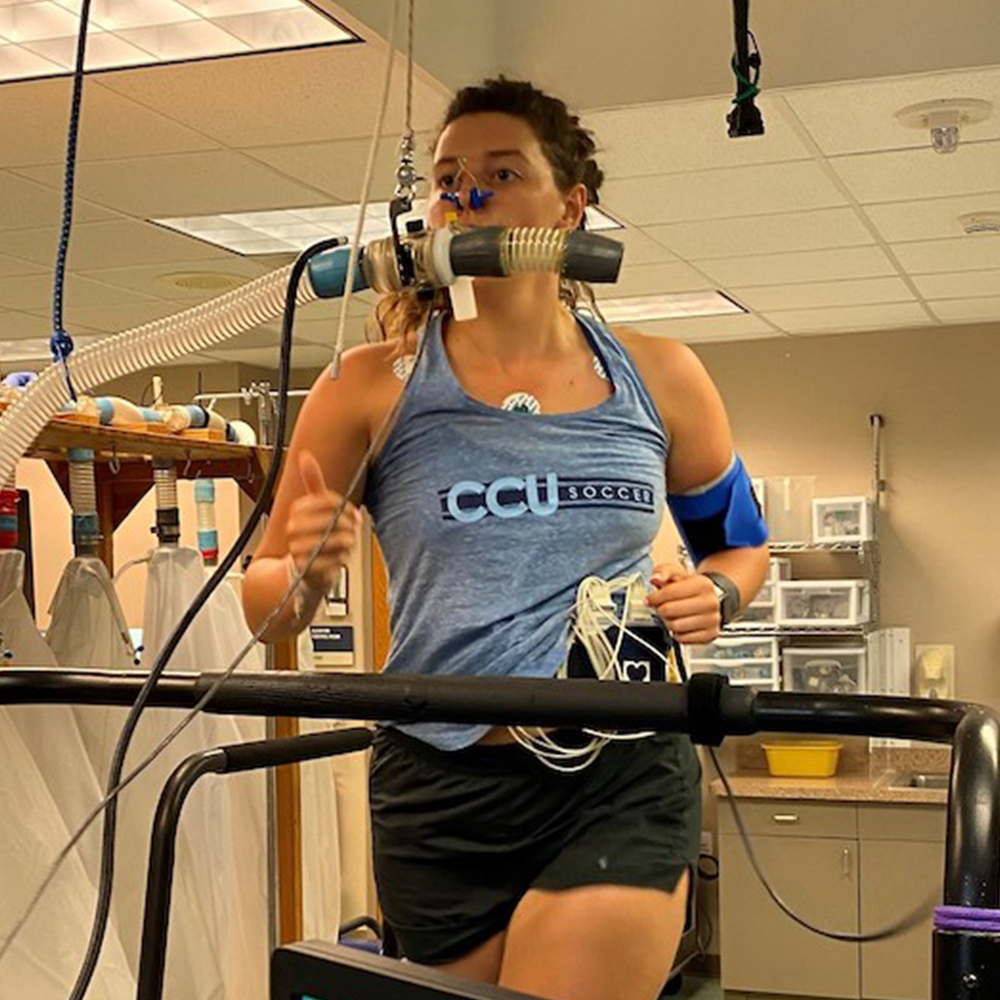
It’s not just your legs and heart that get a workout when you walk briskly; exercise affects your brain as well.
Finding the Achilles' heel of a killer parasite: Newsroom - UT Southwestern, Dallas, Texas
https://www.utsouthwestern.edu/newsroom/articles/year-2020/finding-the-achilles-heel-of-a-killer-parasite.html
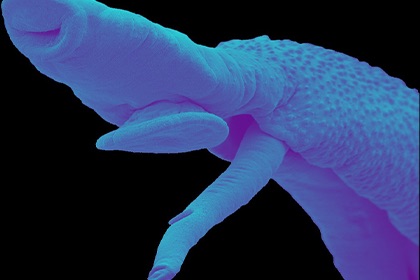
Two studies led by UT Southwestern researchers shed light on the biology and potential vulnerabilities of schistosomes – parasitic flatworms that cause the little-known tropical disease schistosomiasis.
Boosting the immune system's appetite for cancer - UT Southwestern, Dallas, Texas
https://www.utsouthwestern.edu/newsroom/articles/year-2020/boosting-the-immune-systems-appetite-for-cancer.html
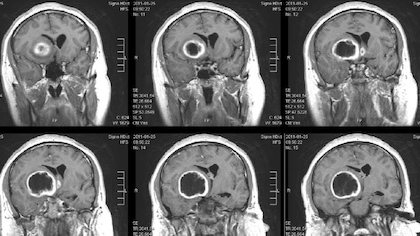
A combination of immunotherapy agents that encourages some immune cells to eat cancer cells and alert others to attack tumors put mice with a deadly type of brain cancer called glioblastoma into long-term remission
Texas Health Informatics Alliance launches, opens registration for its first conference : Newsroom - UT Southwestern, Dallas, Texas
https://www.utsouthwestern.edu/newsroom/articles/year-2021/texas-health-informatics-alliance-launches.html

The University of Texas at Arlington (UTA), University of Texas Health Science Center at Houston (UTHealth), and the University of Texas Southwestern Medical Center (UTSW) are pleased to announce the formation of the Texas Health Informatics Alliance (THIA) and plans for its first Texas Health
UTSW leads nation’s first study of brief suicide intervention for LGBTQ+ young adults : Newsroom - UT Southwestern, Dallas, Texas
https://www.utsouthwestern.edu/newsroom/articles/year-2021/suicide-intervention-for-lgbtq-young-adults.html

UT Southwestern Medical Center will lead the nation’s first study of suicide prevention for LGBTQ+ young adults – a group at higher risk for depression and suicide.
UTSW scientists reveal how vitamin A enters immune cells in the gut: Newsroom - UT Southwestern, Dallas, Texas
https://www.utsouthwestern.edu/newsroom/articles/year-2021/how-vitamin-a-enters-immune-cells-in-the-gut.html
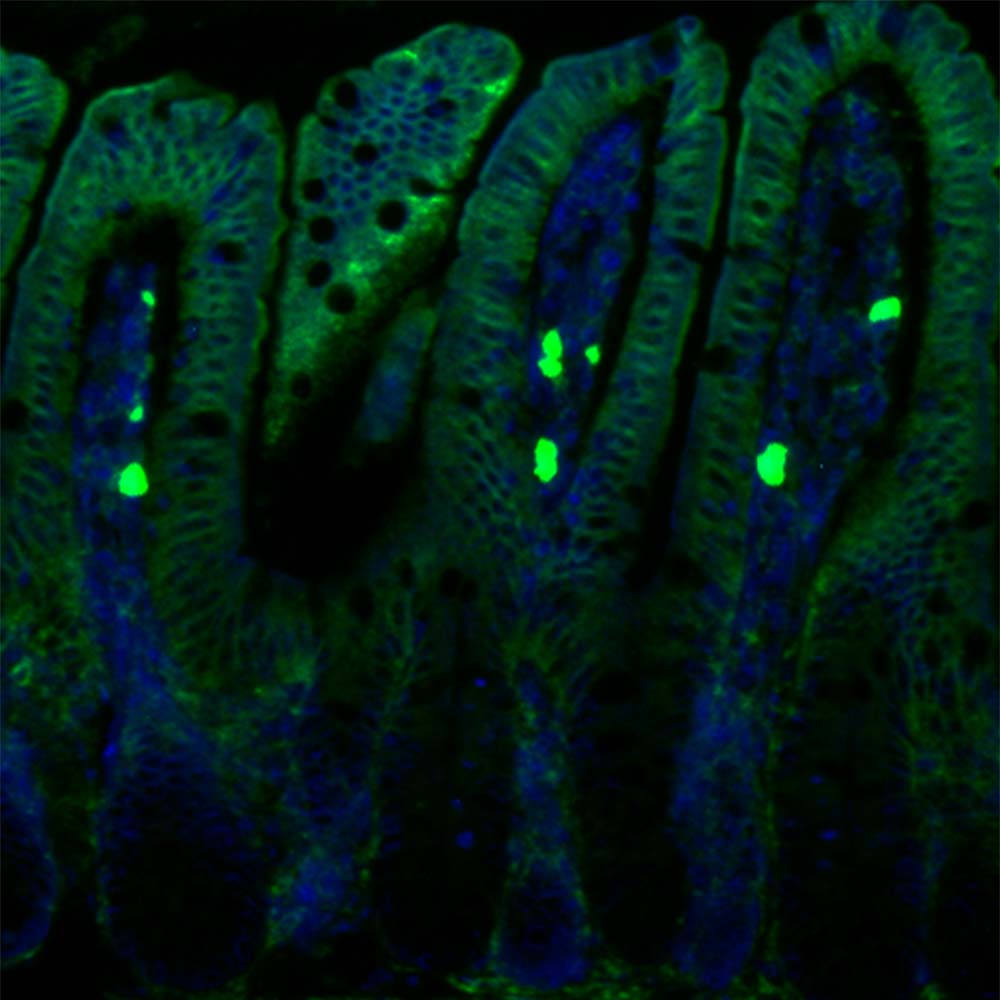
Immunologists and geneticists at UT Southwestern Medical Center have discovered how vitamin A enters immune cells in the intestines – findings that could offer insight to treat digestive diseases and perhaps help improve the efficacy of some vaccines.
Enzyme could be major driver of preeclampsia: Newsroom - UT Southwestern, Dallas, Texas
https://www.utsouthwestern.edu/newsroom/articles/year-2021/enzyme-could-be-major-driver-of-preeclampsia.html
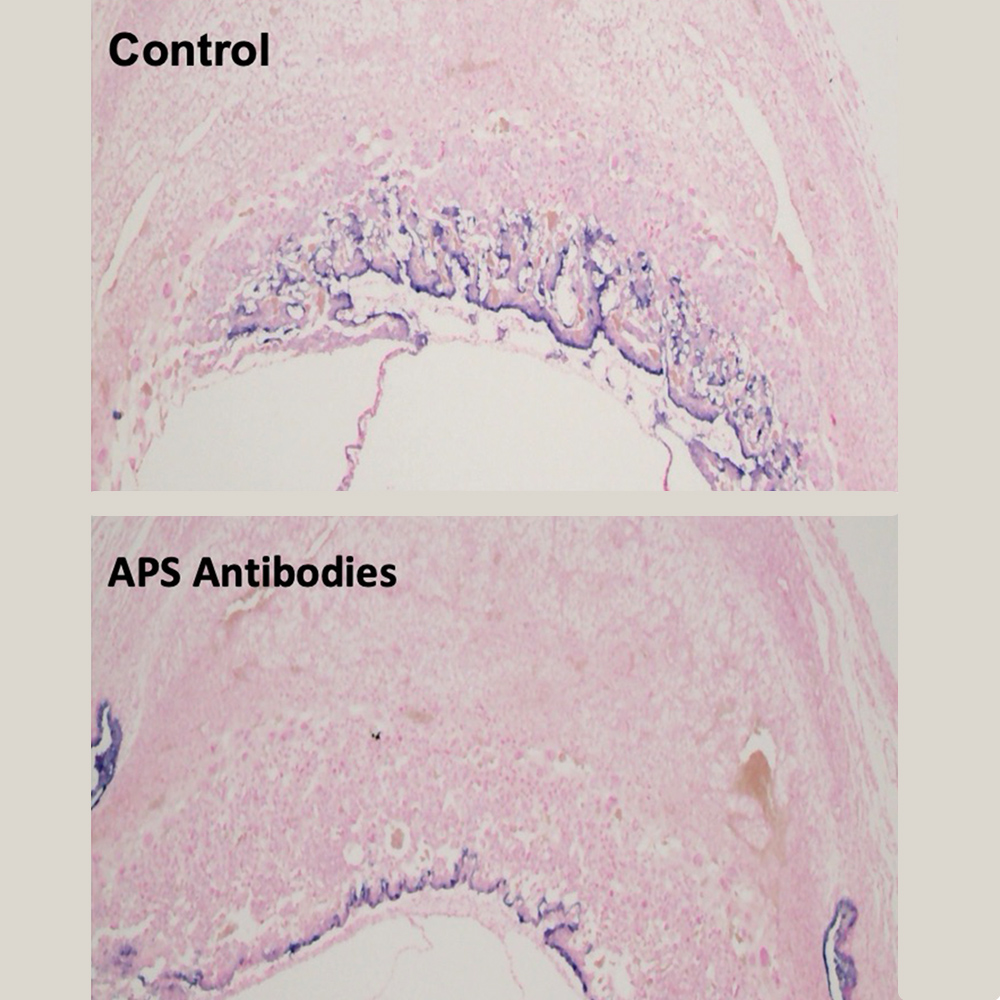
A new study by UT Southwestern scientists indicates that an enzyme called protein phosphatase 2 (PP2A) appears to be a major driver of preeclampsia, a dangerous pregnancy complication characterized by the development of high blood pressure and excess protein in the urine.
UT Southwestern cancer researchers uncover antitumor mechanisms to help improve radiation therapy: Newsroom - UT Southwestern, Dallas, Texas
https://www.utsouthwestern.edu/newsroom/articles/year-2021/antitumor-mechanisms-to-help-improve-radiation-therapy.html
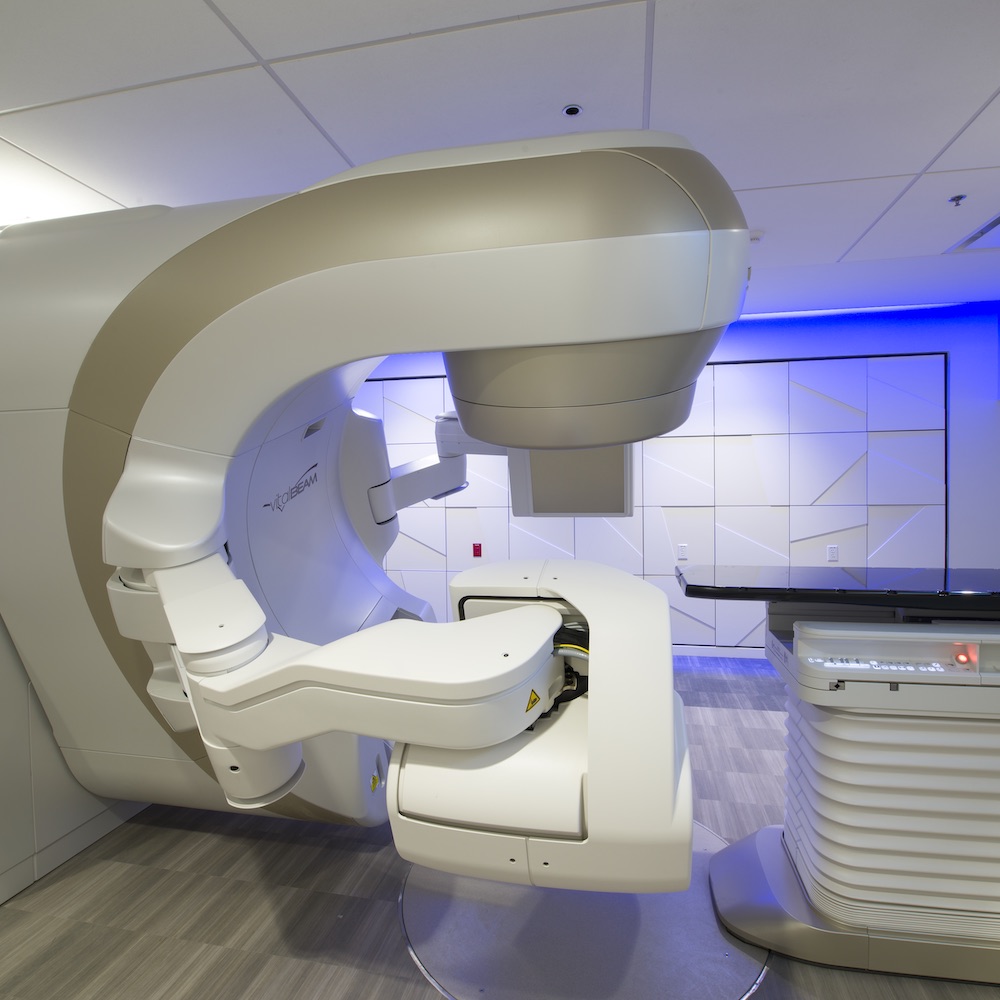
An international team of cancer researchers has identified important mechanisms that activate antitumor immune response during radiation therapy
UT Southwestern scientists discover antiviral immune pathway: Newsroom - UT Southwestern, Dallas, Texas
https://www.utsouthwestern.edu/newsroom/articles/year-2024/april-antiviral-immune-pathway.html
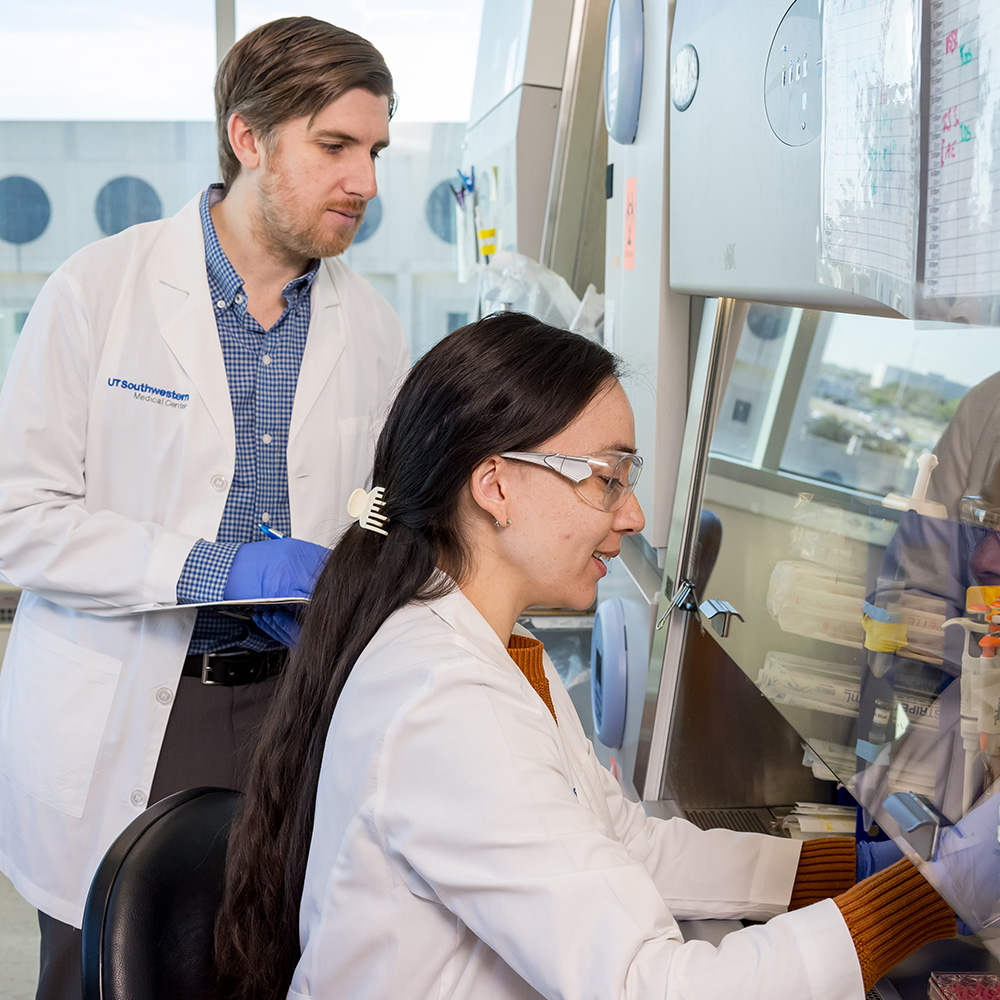
By focusing on a poxvirus protein, a team led by UT Southwestern Medical Center scientists has discovered an antiviral immune pathway that broadly fights a wide variety of viruses.