
Search
Magnetic fields kill bacteria that infect medical implants: Newsroom - UT Southwestern, Dallas, Texas
https://www.utsouthwestern.edu/newsroom/articles/year-2024/feb-magnetic-fields-kill-bacteria.html
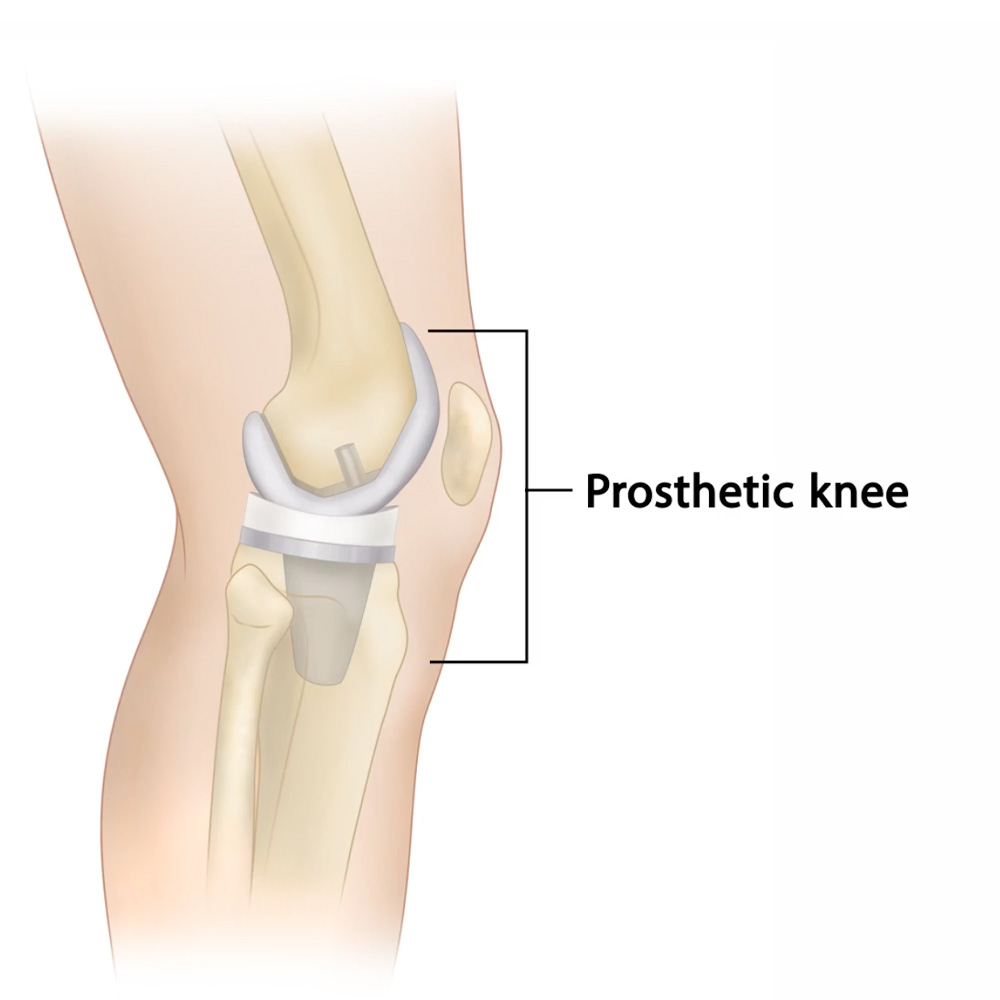
UT Southwestern Medical Center is collaborating with Pfizer Inc. to develop RNA enhanced delivery technologies for genetic medicine therapies through the Dallas-based medical center’s Program in Genetic Drug Engineering.
Essential tremor triples dementia risk, UTSW study shows: Newsroom - UT Southwestern, Dallas, Texas
https://www.utsouthwestern.edu/newsroom/articles/year-2024/april-tremor-triples-dementia-risk.html

Patients with a common movement disorder known as essential tremor (ET) developed dementia at three times the rate of similarly aged people in the general population, a study led by UT Southwestern Medical Center researchers shows.
How gut bacteria become ‘persisters’ to avoid antibiotics: Newsroom - UT Southwestern, Dallas, Texas
https://www.utsouthwestern.edu/newsroom/articles/year-2024/feb-gut-bacteria-become-persisters.html
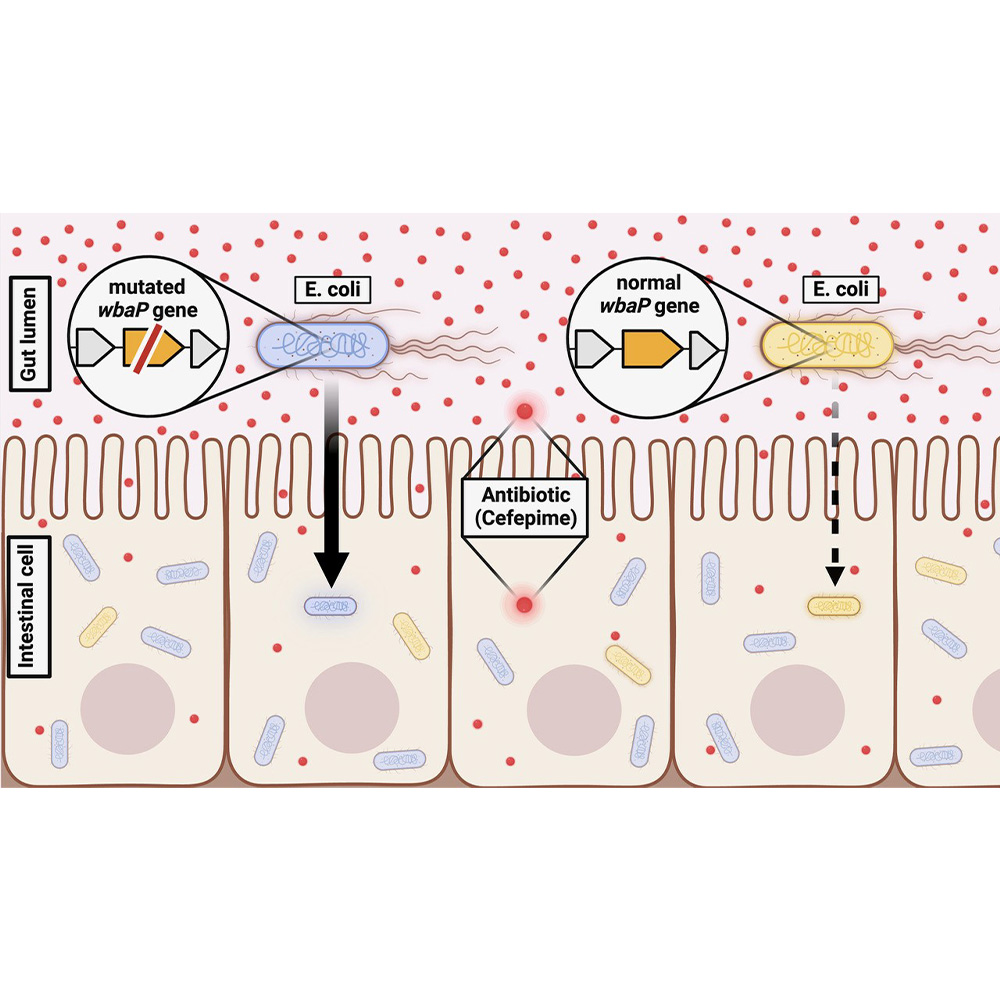
A subpopulation of gut bacteria given a commonly used antibiotic became “persisters” that were able to survive without developing true resistance, UT Southwestern Medical Center scientists discovered.
Gene therapy offers hope for giant axonal neuropathy patients: Newsroom - UT Southwestern, Dallas, Texas
https://www.utsouthwestern.edu/newsroom/articles/year-2024/march-gene-therapy-axonal-neuropathy-patients.html
A gene therapy developed by researchers at UT Southwestern Medical Center for a rare disease called giant axonal neuropathy (GAN) was well tolerated in pediatric patients and showed clear benefits, a new study reports.
Voice Behavior & Rehabilitation Lab Research: Otolaryngology News & Events - UT Southwestern, Dallas, Texas
https://www.utsouthwestern.edu/departments/otolaryngology/news-events/voice-behavior-and-rehabilitation-lab-research.html
Voice Behavior & Rehabilitation Lab Research: How Everyday Voice Use and Personality Shape Phonotrauma Risk and Recovery Laura Toles, Ph.D., CCC-SLP April 16, 2026 Figure 1. Ambulatory voice monitoring device. A small accelerometer is adhered to the anterior neck just below the larynx to capture the …
Gold nanoparticles reverse brain deficits in multiple sclerosis, Parkinson’s : Newsroom - UT Southwestern, Dallas, Texas
https://www.utsouthwestern.edu/newsroom/articles/year-2024/feb-gold-nanoparticles-brain-deficits.html
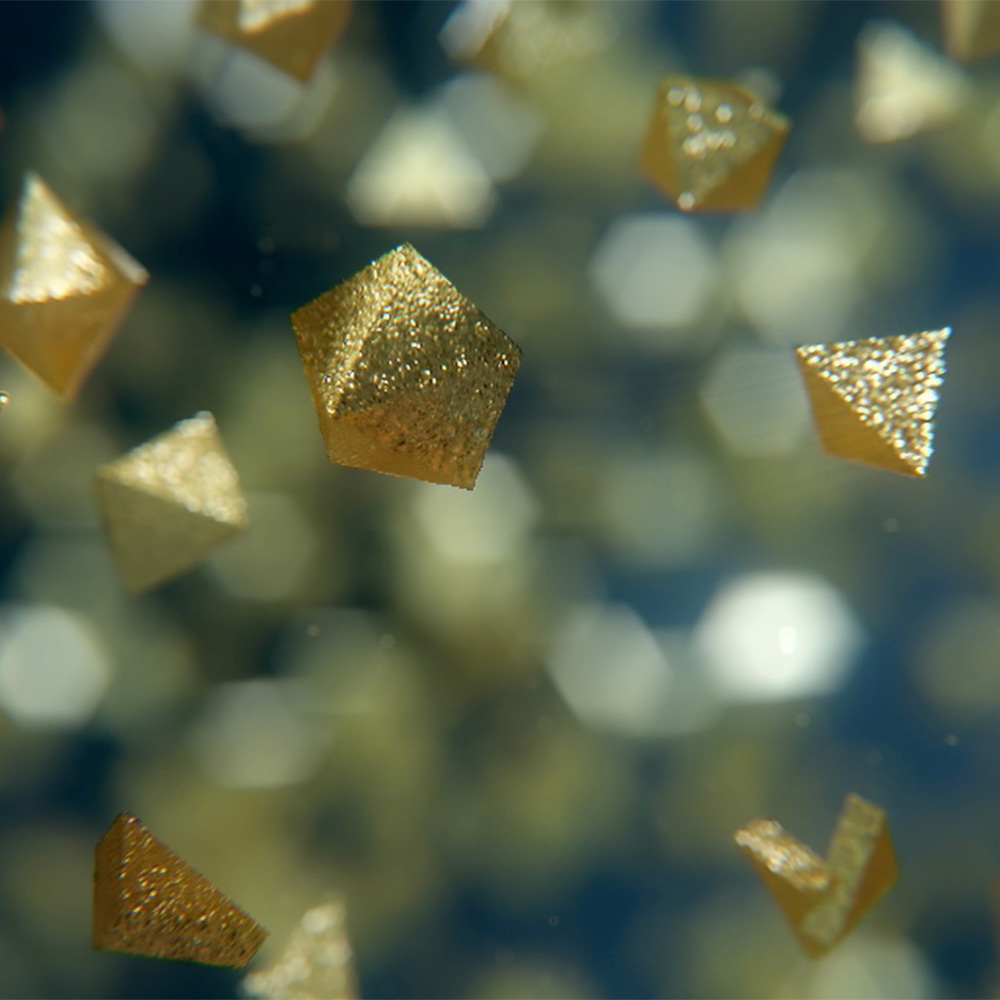
Results from phase two clinical trials at UT Southwestern Medical Center showed that a suspension of gold nanocrystals taken daily by patients with multiple sclerosis (MS) and Parkinson’s disease (PD) significantly reversed deficits of metabolites linked to energy activity in the brain and resulted in functional improvements.
ER patient portal usage increasing, study shows: Newsroom - UT Southwestern, Dallas, Texas
https://www.utsouthwestern.edu/newsroom/articles/year-2024/may-patient-portal-er-visits.html
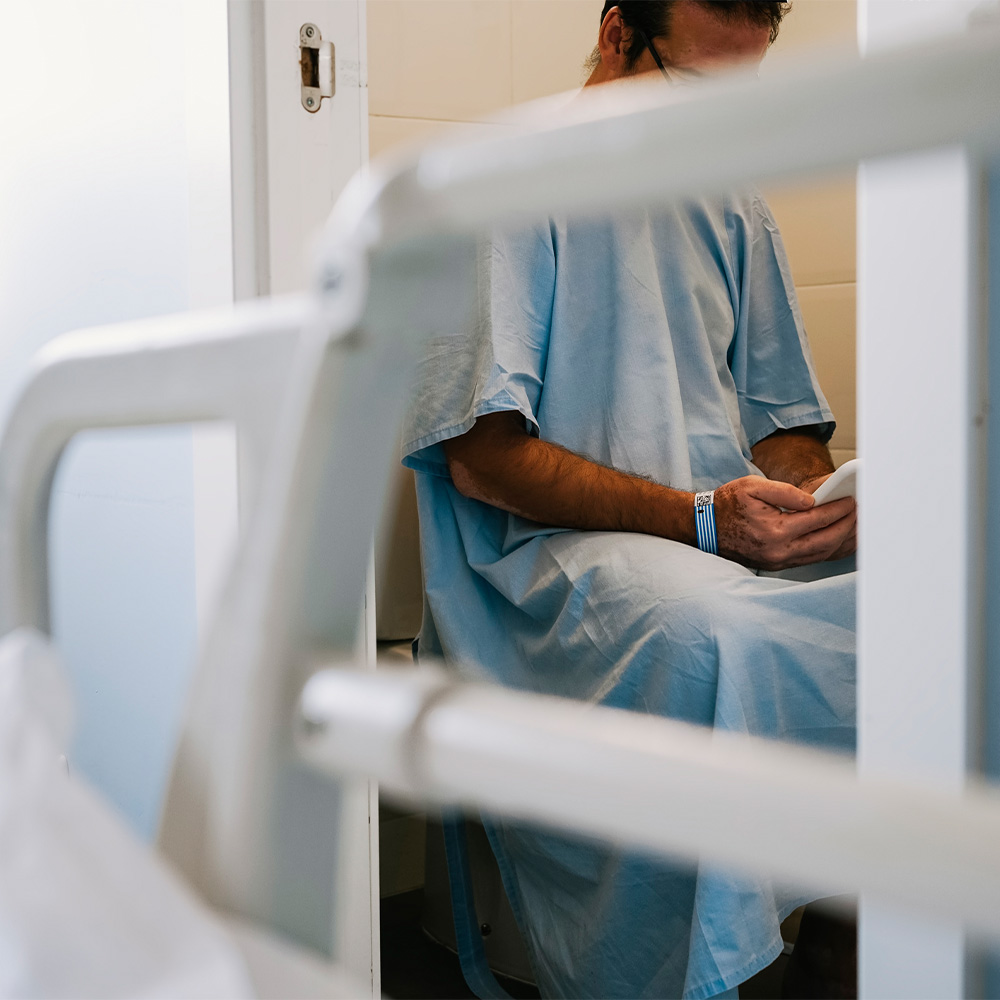
More people are using online patient portals to view their information while in the emergency room, but access is challenging for members of medically underserved communities and the elderly, UT Southwestern Medical Center researchers and national colleagues found in a new study.
Combined therapy makes headway for liver cancer: Newsroom - UT Southwestern, Dallas, Texas
https://www.utsouthwestern.edu/newsroom/articles/year-2024/may-combined-therapy-live-cancer.html
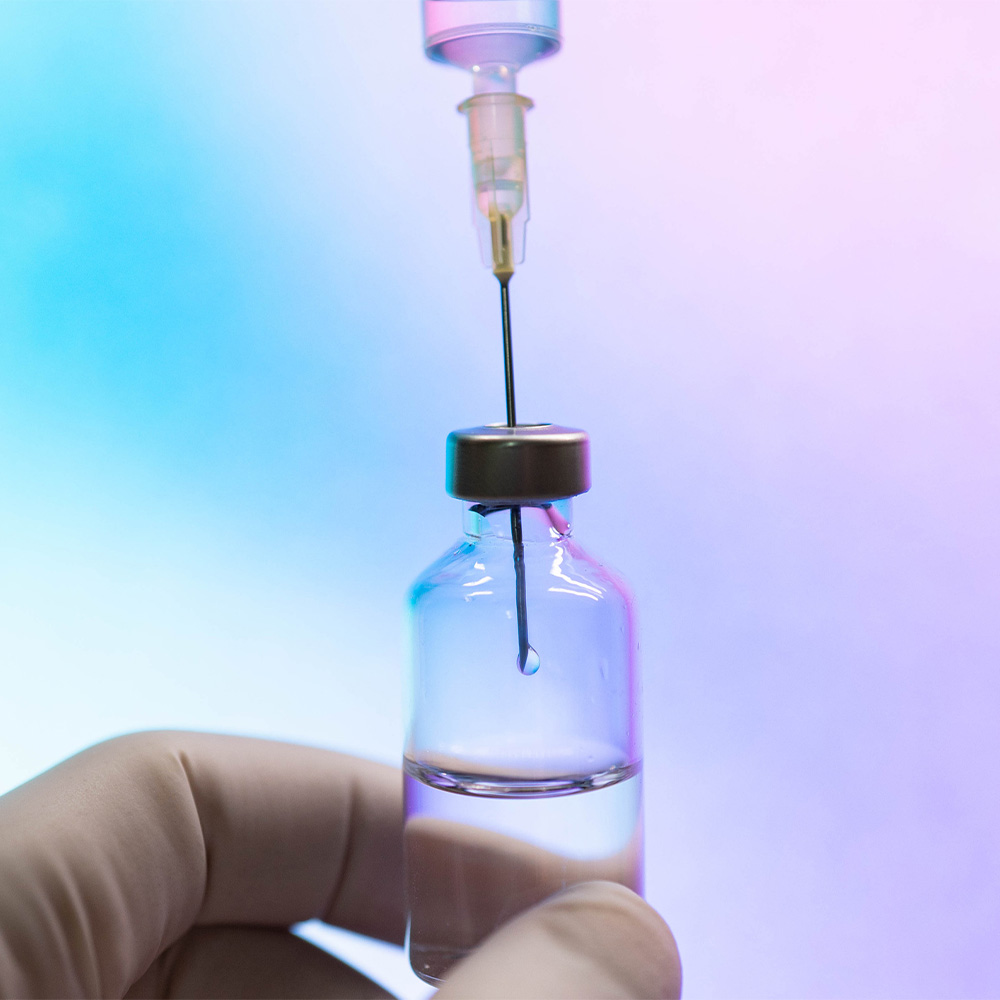
A drug that targets a protein known as phosphatidylserine boosted the response rate for hepatocellular carcinoma (HCC) patients receiving immunotherapy without compromising their safety, according to results of a phase two clinical trial conducted by UT Southwestern Medical Center.
Blocking gene may halt growth of breast cancer cells: Newsroom - UT Southwestern, Dallas, Texas
https://www.utsouthwestern.edu/newsroom/articles/year-2024/april-blocking-gene-breast-cancer-cells.html
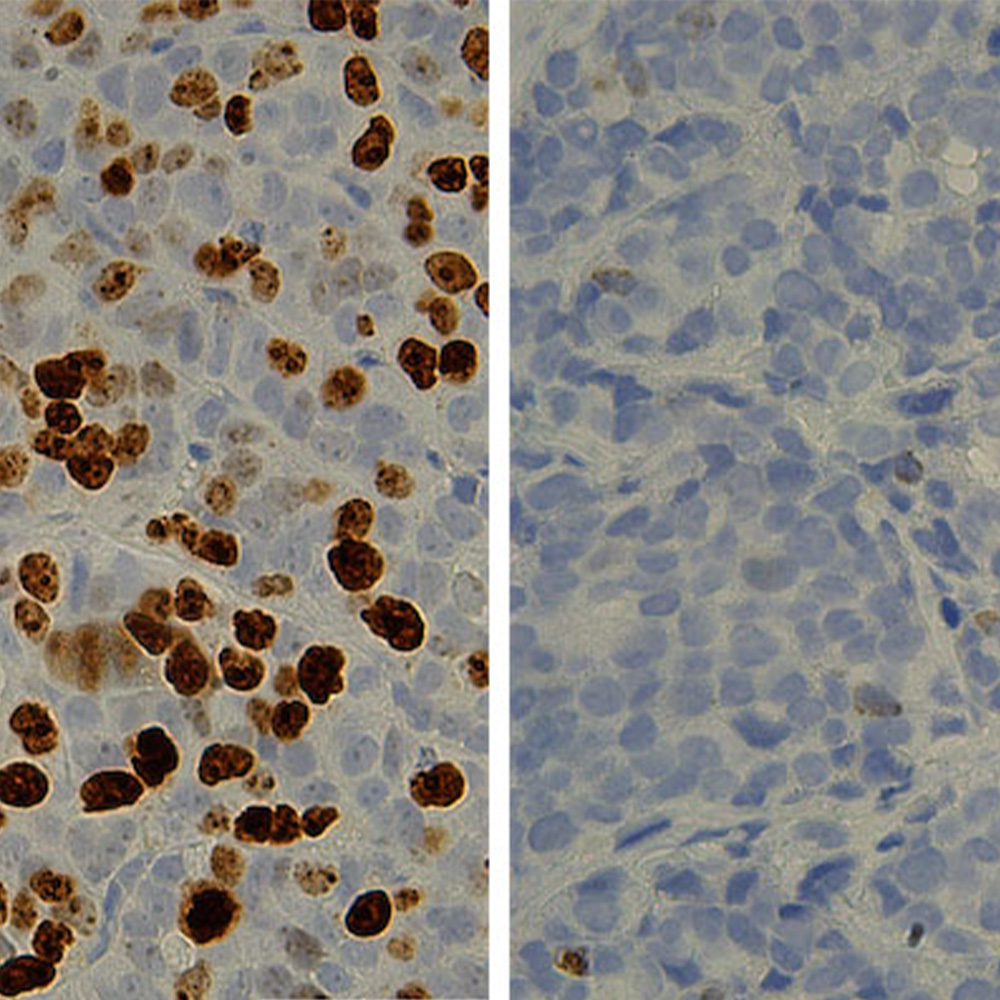
Shutting down a gene called PRMT5 stopped metastatic estrogen receptor-positive (ER+) breast cancer cells from growing after they acquired resistance to a standard therapy known as CDK4/6 inhibitors, UT Southwestern Medical Center researchers showed in a new study.
Two-step screening strategy could reduce diabetic heart failure: Newsroom - UT Southwestern, Dallas, Texas
https://www.utsouthwestern.edu/newsroom/articles/year-2024/jan-could-reduce-diabetic-heart-failure.html
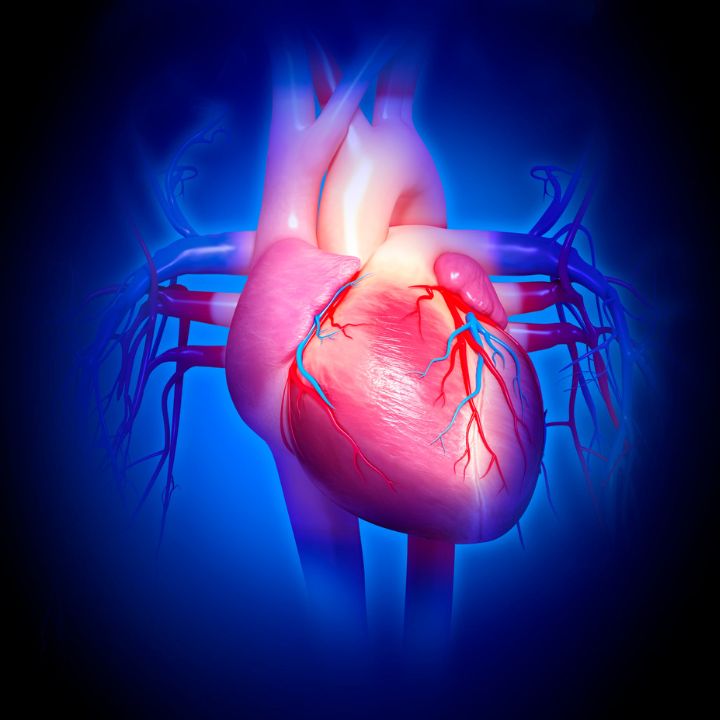
A two-step screening protocol that combines clinical risk assessment with biomarker testing can more effectively identify which patients with Type 2 diabetes need medication to prevent heart failure, according to a study led by UT Southwestern Medical Center researchers.