
Search
Dr. Sharon Sun: MT "Pepper" Jenkins Outstanding Medical Student Award in Anesthesiology and Pain Management - CT Plus - UT Southwestern
https://www.utsouthwestern.edu/ctplus/stories/2020/sa20-jenkins-sun.html
Dr. Sharon Sun did her best to keep an open mind throughout medical school, but before orientation even began, her heart was set on becoming an anesthesiologist.
Simmons Cancer Center joins elite network of institutions - CT Plus - UT Southwestern
https://www.utsouthwestern.edu/ctplus/stories/2020/simmons-network.html
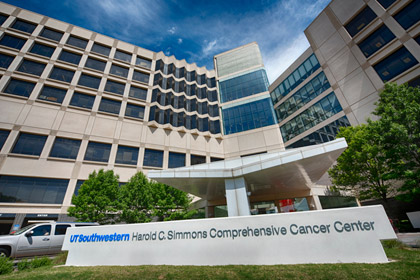
The Harold C. Simmons Comprehensive Cancer Center has joined the National Comprehensive Cancer Network (NCCN), an alliance of 30 distinguished cancer centers throughout the United States.
Two UTSW scientists awarded Haberecht Grants for potential breakthrough research - CT Plus - UT Southwestern
https://www.utsouthwestern.edu/ctplus/stories/2022/wildhare-grant.html
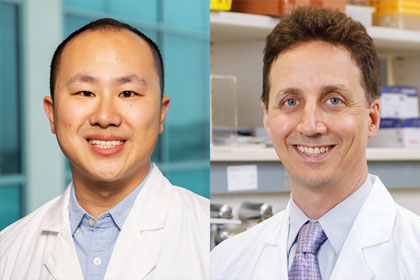
Two UT Southwestern researchers – one investigating how cancer cells acquire complex genomes and another exploring how photosynthetic animal cells could pave the way for laboratory-based meat products – have been awarded 2022 Haberecht Wildhare-Idea Research Grants.
BORNE initiative expands to improve health care in Ethiopia - CT Plus - UT Southwestern
https://www.utsouthwestern.edu/ctplus/stories/2020/ethiopia-outreach.html
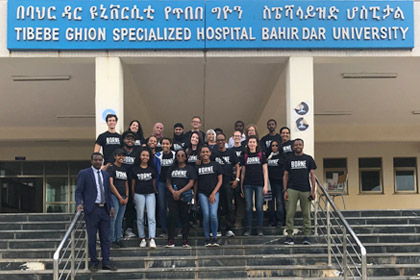
Since beginning the BORNE Initiative in 2016, Dr. Gebreyohanns’ medical outreach in Ethiopia has gained considerable public attention. On April 4, he will speak about his passion for global health education and telemedicine as part of the TEDxPlano conference.
Thinwa awarded prestigious Burroughs Wellcome Fund Career Award for Medical Scientists - CT Plus - UT Southwestern
https://www.utsouthwestern.edu/ctplus/stories/2022/thinwa-burroughs-award.html
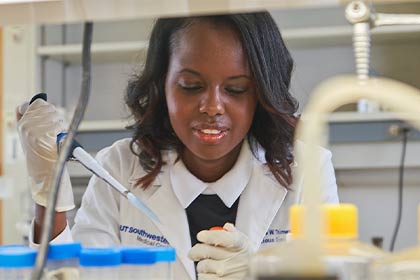
Dr. Thinwa’s research was recently recognized when she received a Burroughs Wellcome Fund Career Award for Medical Scientists – making her one of only 14 awardees nationwide this year.
Achieving their dreams - CT Plus - UT Southwestern
https://www.utsouthwestern.edu/ctplus/stories/2023/commencement-advance.html
More than 300 graduating students from UT Southwestern’s Medical School and Graduate School of Biomedical Sciences will celebrate the educational milestones of earning their degrees in May as they launch their medical or scientific careers.
A great foundation: Dr. Shayna Ratner - CT Plus - UT Southwestern
https://www.utsouthwestern.edu/ctplus/stories/2020/match-day-2020-ratner.html
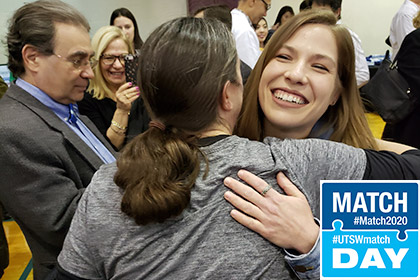
As another Match Day approaches, Dr. Ratner said that students in the Class of 2020 should prepare to shift their thinking from making good grades to providing good care. It was a big adjustment for her.
In Memoriam: Dr. Beth Levine was an international leader in autophagy research - CT Plus - UT Southwestern
https://www.utsouthwestern.edu/ctplus/stories/2020/dr-beth-levine.html
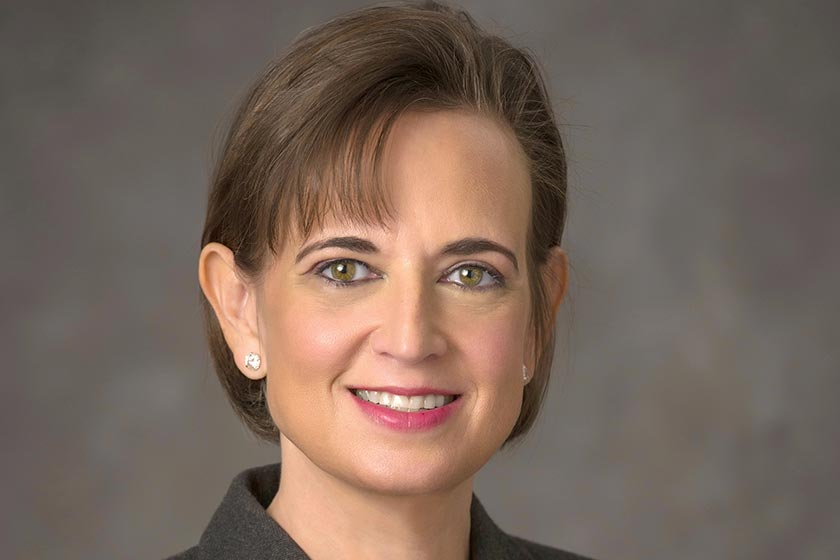
Dr. Beth Levine, a Professor of Internal Medicine and Microbiology whose pioneering research identified the role of autophagy in the development of human diseases, died June 15 at her home in Dallas. She was 60.
Six faculty members elected for membership into ASCI and AAP - CT Plus - UT Southwestern
https://www.utsouthwestern.edu/ctplus/stories/2020/asci-aap.html
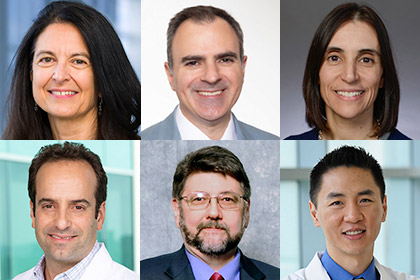
Six UT Southwestern faculty investigators and clinicians – from Internal Medicine, Cell Biology, Molecular Biology, Dermatology, and Pediatrics – have been elected into two of the country’s most respected medical honor societies: three into the American Society for Clinical Investigation and three into the Association of American Physicians. Drs. Denise Marciano, Joshua Mendell, and Richard Wang were inducted into the ASCI, and Drs. Suzanne D. Conzen, Ralph DeBerardinis, and Dwight Towler joined the ranks of the AAP.
President’s Lecture Series: New technology lets researchers identify the genes inside an individual brain cell - CT Plus - UT Southwestern
https://www.utsouthwestern.edu/ctplus/stories/2022/pls-lecture-konopka.html
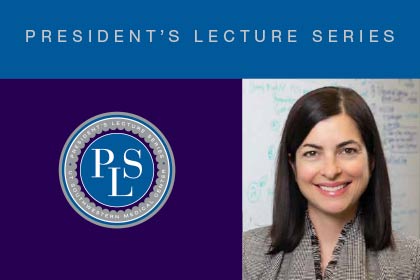
Dr. Konopka, Associate Professor of Neuroscience and a member of the Peter O’Donnell Jr. Brain Institute, will speak at 4 p.m. in the Tom and Lula Gooch Auditorium, with a reception to follow.