
Search
Surgery restores eye muscle function to patients with facial paralysis: Newsroom - UT Southwestern, Dallas, Texas
https://www.utsouthwestern.edu/newsroom/articles/year-2020/restoring-eye-muscle-function.html
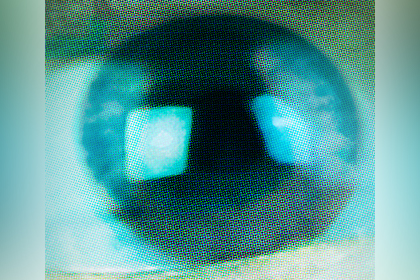
Surgeons at UT Southwestern have developed and analyzed the benefits of a cutting-edge technique that provides patients with facial paralysis the ability to close their eyes.
UT Southwestern among top 25 in nation in eight specialties ranked by U.S. News ‘Best Hospitals’: Newsroom - UT Southwestern, Dallas, Texas
https://www.utsouthwestern.edu/newsroom/articles/year-2021/us-news-best-hospital.html
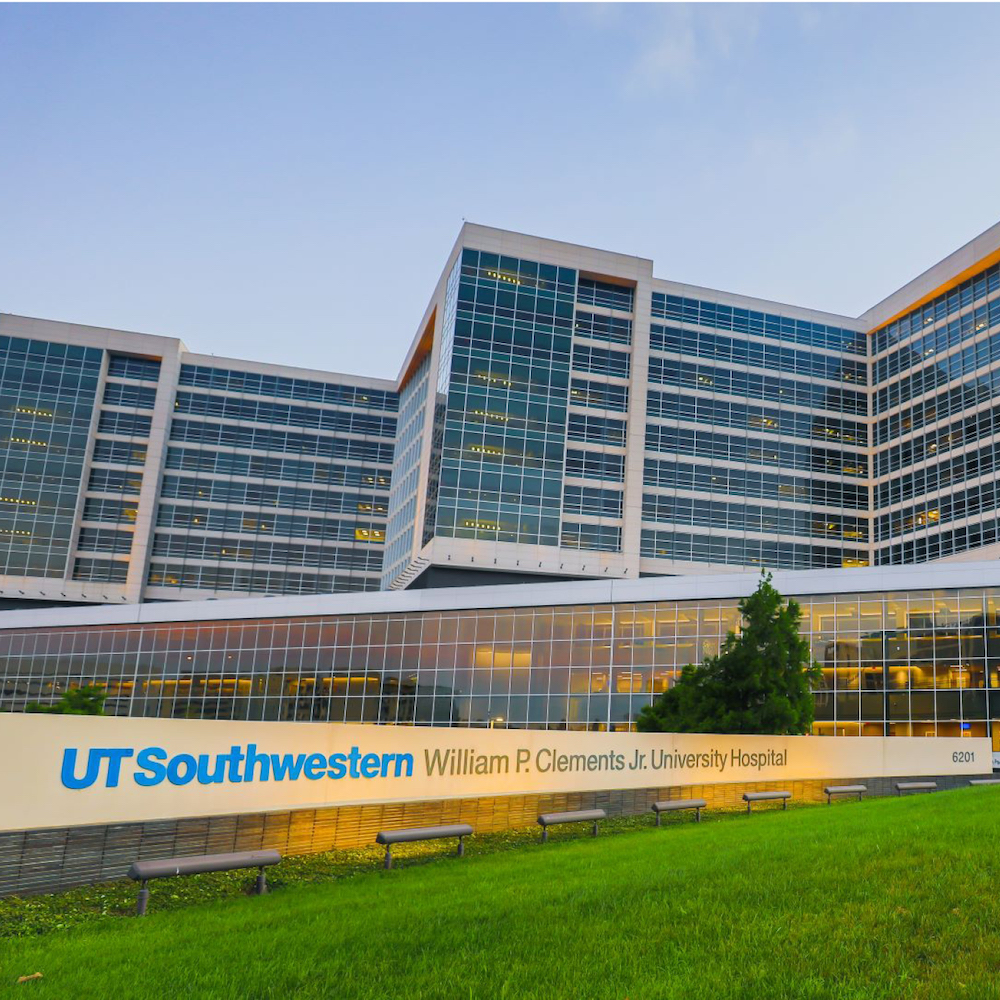
UT Southwestern Medical Center ranks among the top 25 hospitals nationally in eight specialties ranging from brain to heart to cancer care, according to the latest U.S. News & World Report’s annual Best Hospitals report.
Time is not on their side: Physicians face barriers to voting : Newsroom - UT Southwestern, Dallas, Texas
https://www.utsouthwestern.edu/newsroom/articles/year-2020/physicians-face-barriers-to-voting.html

Two new UT Southwestern studies published today report some surprising findings: Only half of practicing physicians are registered to vote, and the most common obstacle faced by resident physicians is the lack of time to vote.
Urge to merge: Understanding how cells fuse: Newsroom - UT Southwestern, Dallas, Texas
https://www.utsouthwestern.edu/newsroom/articles/year-2020/understanding-how-cells-fuse.html
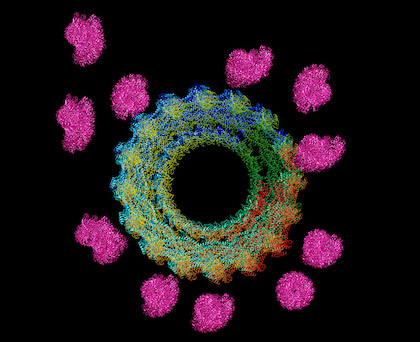
New research from UT Southwestern may help those with rare muscle diseases
Laser procedure offers advantages for rare pediatric epilepsy surgery : Newsroom - UT Southwestern, Dallas, Texas
https://www.utsouthwestern.edu/newsroom/articles/year-2021/rare-pediatric-epilepsy-surgery.html
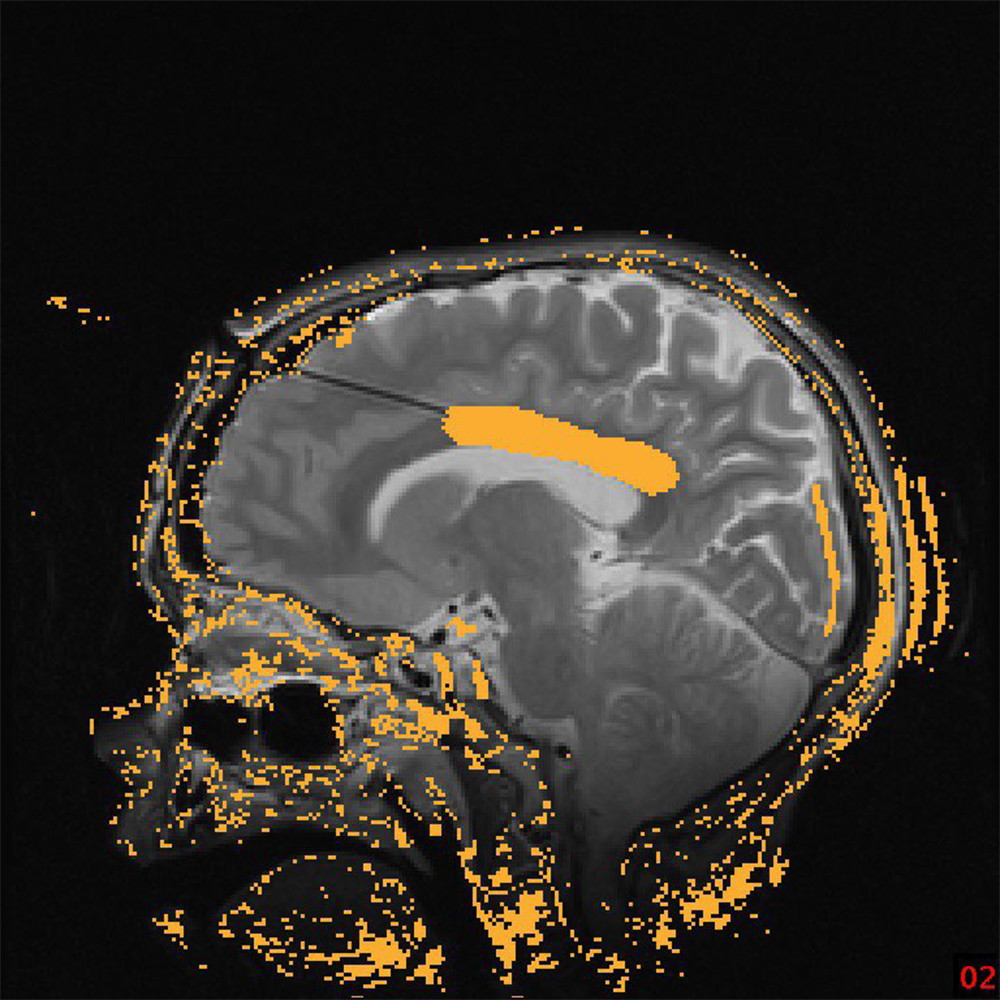
Using a laser for a rare brain surgery to treat drop seizures, which cause a child with epilepsy to suddenly fall, holds some advantages over a traditional open craniotomy
UTSW scientists identify pathway to curb spread of brain cancer : Newsroom - UT Southwestern, Dallas, Texas
https://www.utsouthwestern.edu/newsroom/articles/year-2022/august-spread-of-brain-cancer.html
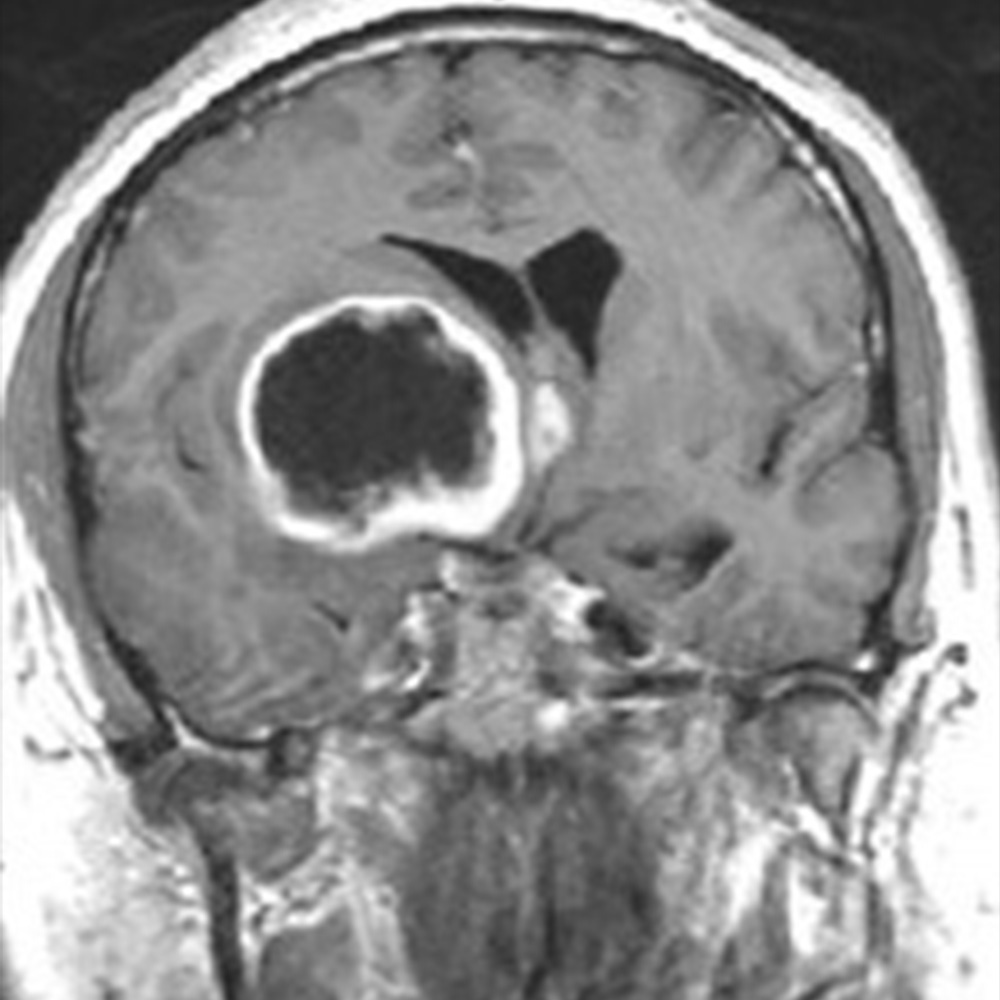
UT Southwestern researchers have identified a molecular pathway responsible for the spread of glioblastoma to surrounding tissue in the brain, as well as an existing drug that curbed tumor growth in animal models.
Safer imaging technology for complex aortic repairs uses light instead of X-rays: Newsroom - UT Southwestern, Dallas, Texas
https://www.utsouthwestern.edu/newsroom/articles/year-2022/august-safer-imaging-technology.html
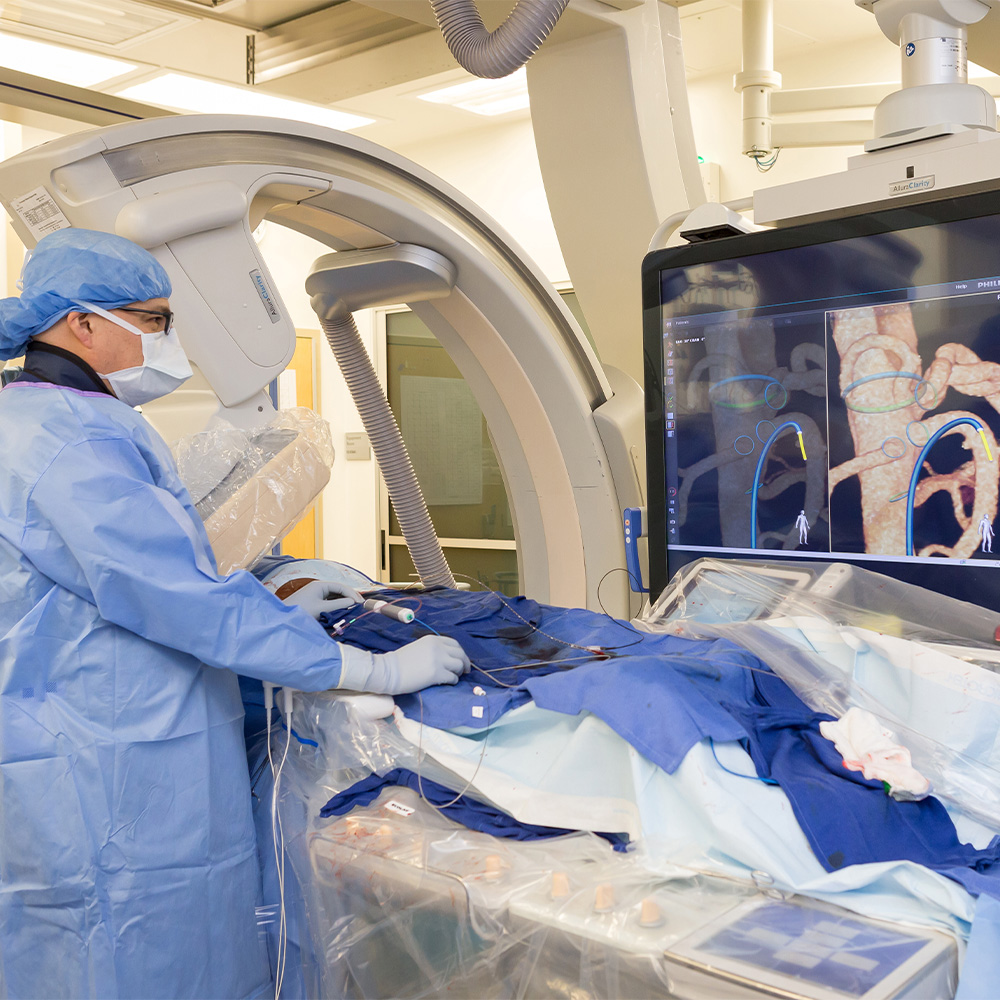
A new imaging device at UT Southwestern is making complex aortic repairs safer for patients and operating room staff by dramatically reducing their exposure to radiation.
UT Southwestern researchers identify a gene therapy target for polycystic kidney disease – UT Southwestern Medical Center psychiatric hospital: Newsroom - UT Southwestern, Dallas, Texas
https://www.utsouthwestern.edu/newsroom/articles/year-2022/september-polycystic-kidney-disease.html
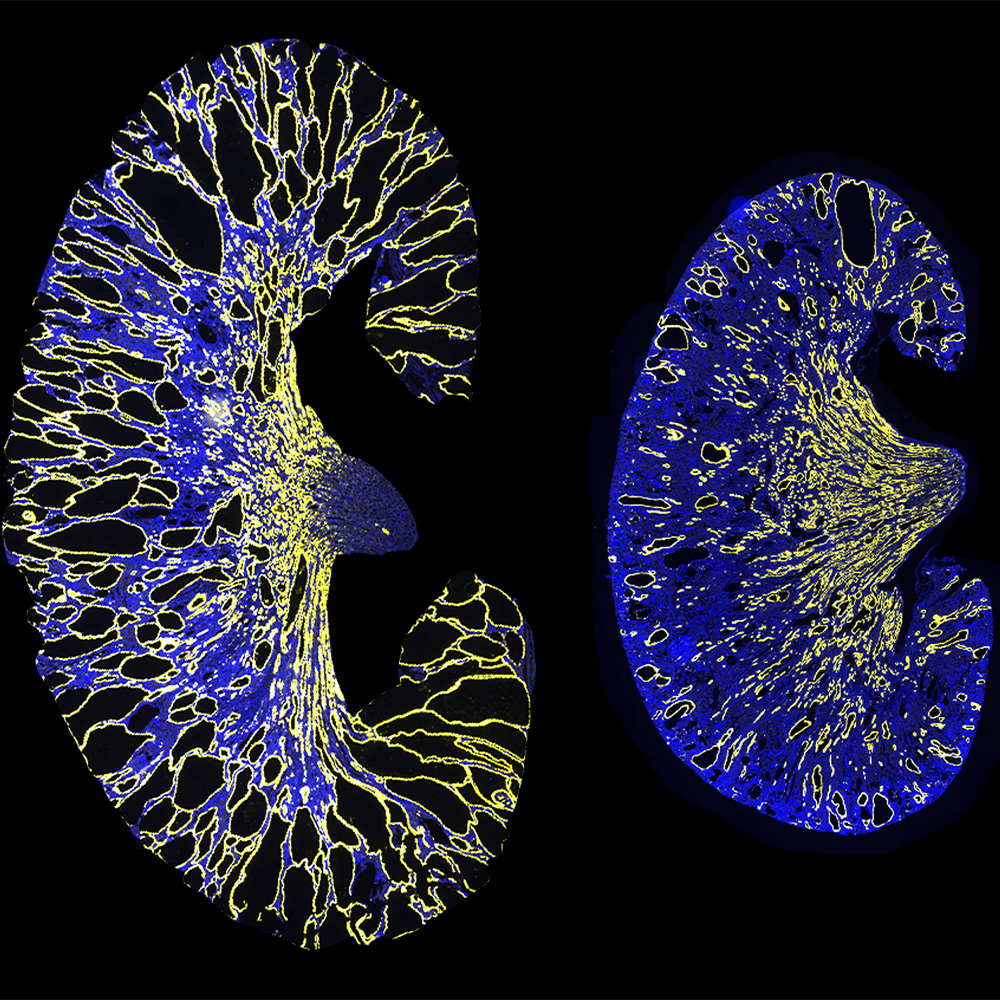
Blocking the inhibition of PKD1 and PKD2 gene expression by deleting a binding site for microRNAs hindered the formation and growth of kidney cysts in autosomal dominant polycystic kidney disease (ADPKD) models, UT Southwestern researchers reported.
Long-haul COVID deserves more attention, UTSW expert says: Newsroom - UT Southwestern, Dallas, Texas
https://www.utsouthwestern.edu/newsroom/articles/year-2022/august-long-haul-covid.html
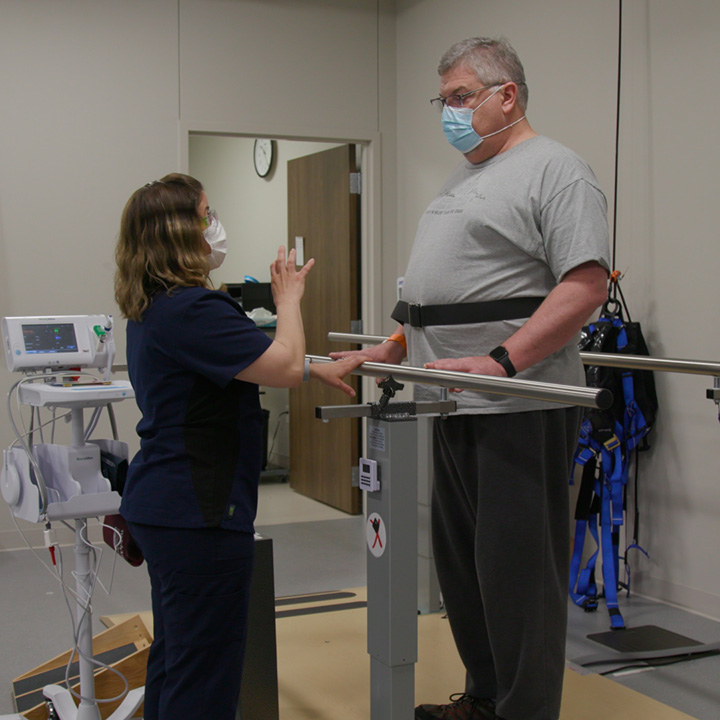
While public attention has been focused on the million-plus Americans who have died from COVID-19 and the ongoing level of cases and hospitalizations, tens of millions of patients have developed life-altering symptoms that linger long after their COVID-19 infection clears.
UTSW study finds p53 gene plays second role in suppressing genes tied to cancer: Newsroom - UT Southwestern, Dallas, Texas
https://www.utsouthwestern.edu/newsroom/articles/year-2022/august-p53-gene-plays-second-role.html
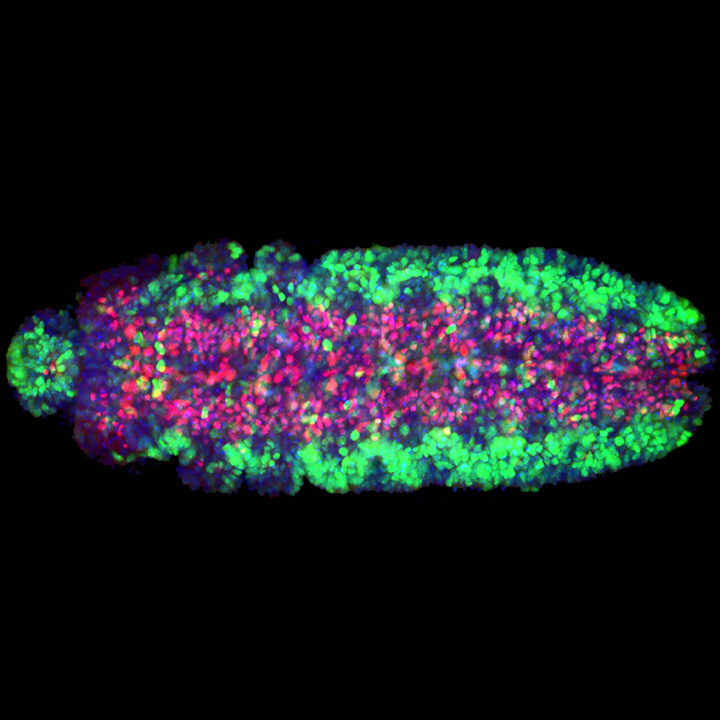
A gene that’s well known for its role in turning on tumor-suppressing genes when cells become stressed also keeps potential tumor-driving genes turned off, UT Southwestern researchers report in a new study.