
Search
UT Southwestern diabetes expert recommends paradigm shift in treatment of Type 2 diabetes to focus on weight loss: Newsroom - UT Southwestern, Dallas, Texas
https://www.utsouthwestern.edu/newsroom/articles/year-2021/paradigm-shift-in-treatment-of-type-2-diabetes.html

An international panel of experts from four renowned diabetes research centers, including UT Southwestern Medical Center, has reviewed current literature and is recommending a pivotal change in treatment of Type 2 diabetes to focus on obesity first and glucose control second.
UT Southwestern researcher wins NIH Director’s Award to study structure of protein tied to Alzheimer’s : Newsroom - UT Southwestern, Dallas, Texas
https://www.utsouthwestern.edu/newsroom/articles/year-2021/saelices-gomez-nih-awards.html
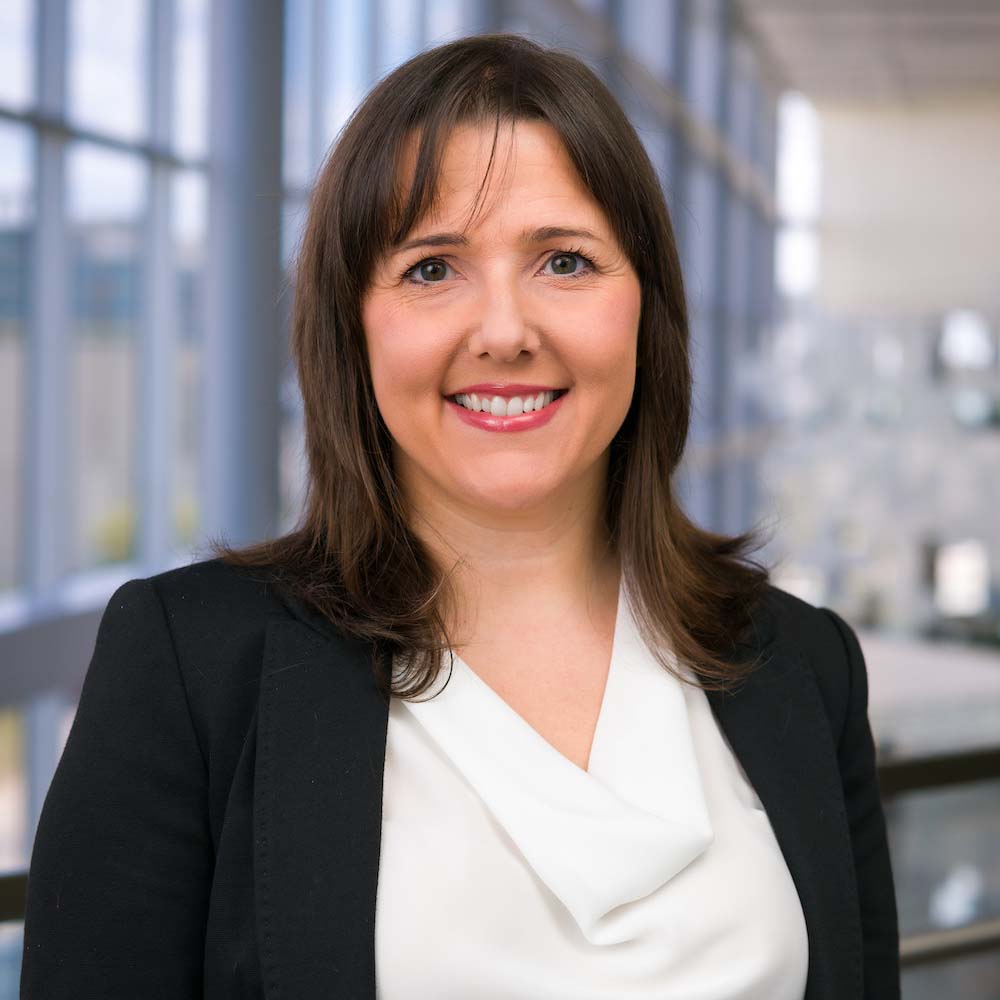
Lorena Saelices Gomez, Ph.D., Assistant Professor of Biophysics and in the Center for Alzheimer’s and Neurodegenerative Diseases at UT Southwestern, has been awarded $1.5 million from the National Institutes of Health (NIH) to determine the structure of amyloids, key proteins that have been tied to diseases including Alzheimer’s and ATTR amyloidosis.
UT Southwestern selected top health care employer in Texas by Forbes: Newsroom - UT Southwestern, Dallas, Texas
https://www.utsouthwestern.edu/newsroom/articles/year-2021/top-health-care-forbes.html
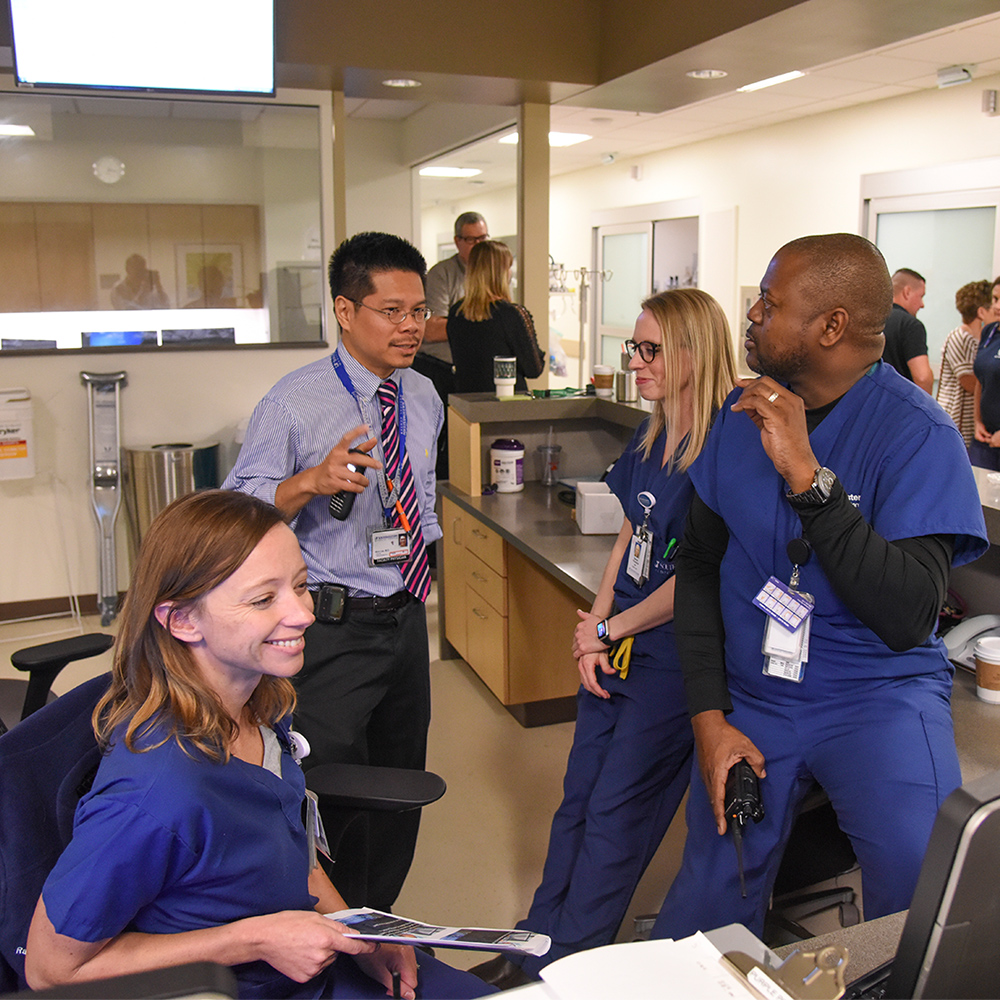
UT Southwestern Medical Center was recognized as the top health care employer in Texas, one of the top 10 employers across all industries in the state, and among the nation’s Best-in-State employers nationally by Forbes/Statista.
UT Southwestern designated founding Rare Disease Center of Excellence : Newsroom - UT Southwestern, Dallas, Texas
https://www.utsouthwestern.edu/newsroom/articles/year-2021/rare-disease-center-of-excellence.html
UT Southwestern Medical Center has been selected as a Rare Disease Center of Excellence – charter members of an elite network of 31 centers nationally to expand access, and advance care and research for rare disease patients in the United States.
NEJM: Anticoagulants help moderately ill COVID-19 patients: Newsroom - UT Southwestern, Dallas, Texas
https://www.utsouthwestern.edu/newsroom/articles/year-2021/anticoagulants-help-ill-covid-19-patients.html
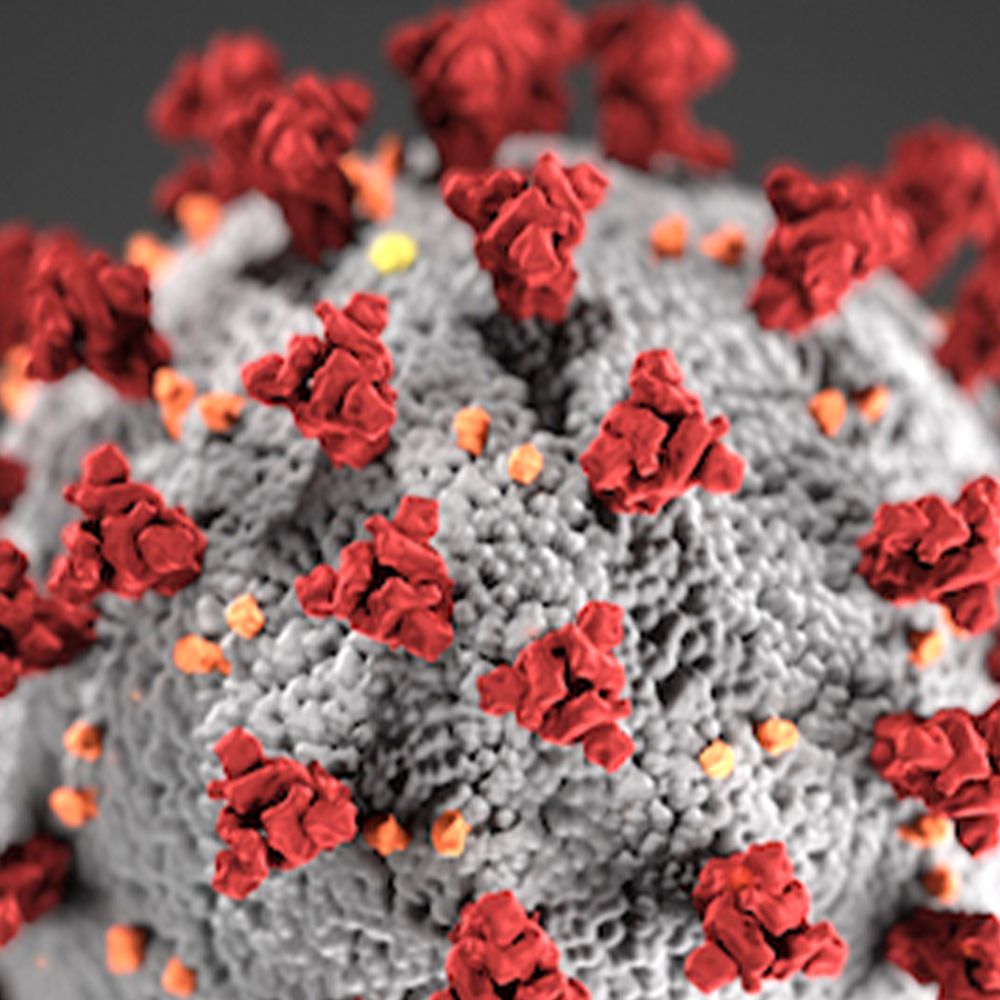
Moderately ill patients hospitalized with COVID-19 have better chances of survival if treated with therapeutic-dose anticoagulation, according to an international study involving 121 sites, including UT Southwestern Medical Center.
Once-a-week insulin treatment could be game-changing for patients with diabetes : Newsroom - UT Southwestern, Dallas, Texas
https://www.utsouthwestern.edu/newsroom/articles/year-2021/once-a-week-insulin-treatment.html
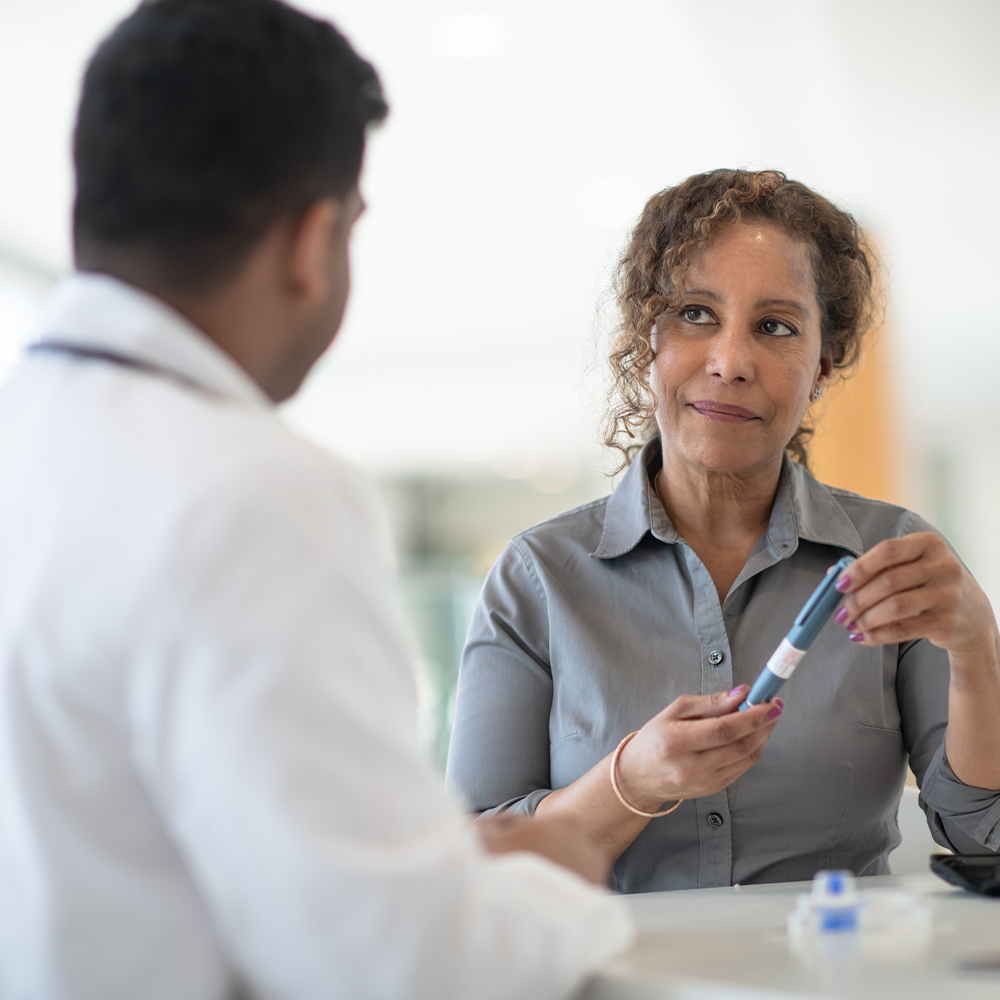
Treating people with Type 2 diabetes with a new once-a-week injectable insulin therapy proved to be safe and as effective as daily insulin injections
How human cells and pathogenic shigella engage in battle: Newsroom - UT Southwestern, Dallas, Texas
https://www.utsouthwestern.edu/newsroom/articles/year-2021/human-cells-and-pathogenic-shigella.html
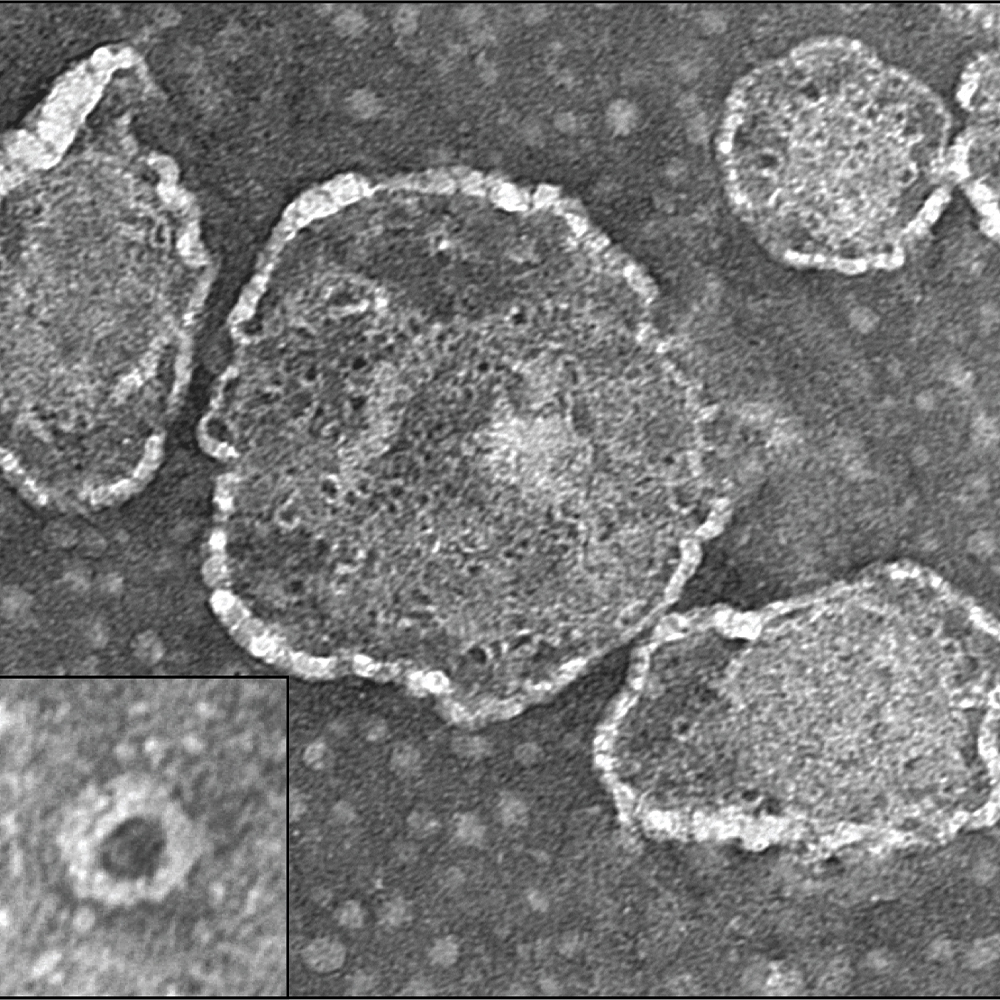
One member of a large protein family that is known to stop the spread of bacterial infections by prompting infected human cells to self-destruct appears to kill the infectious bacteria instead.
UT Southwestern detects first reported B.1.617.2 (Indian) variant in North Texas: Newsroom - UT Southwestern, Dallas, Texas
https://www.utsouthwestern.edu/newsroom/articles/year-2021/indian-variant-in-north-texas.html
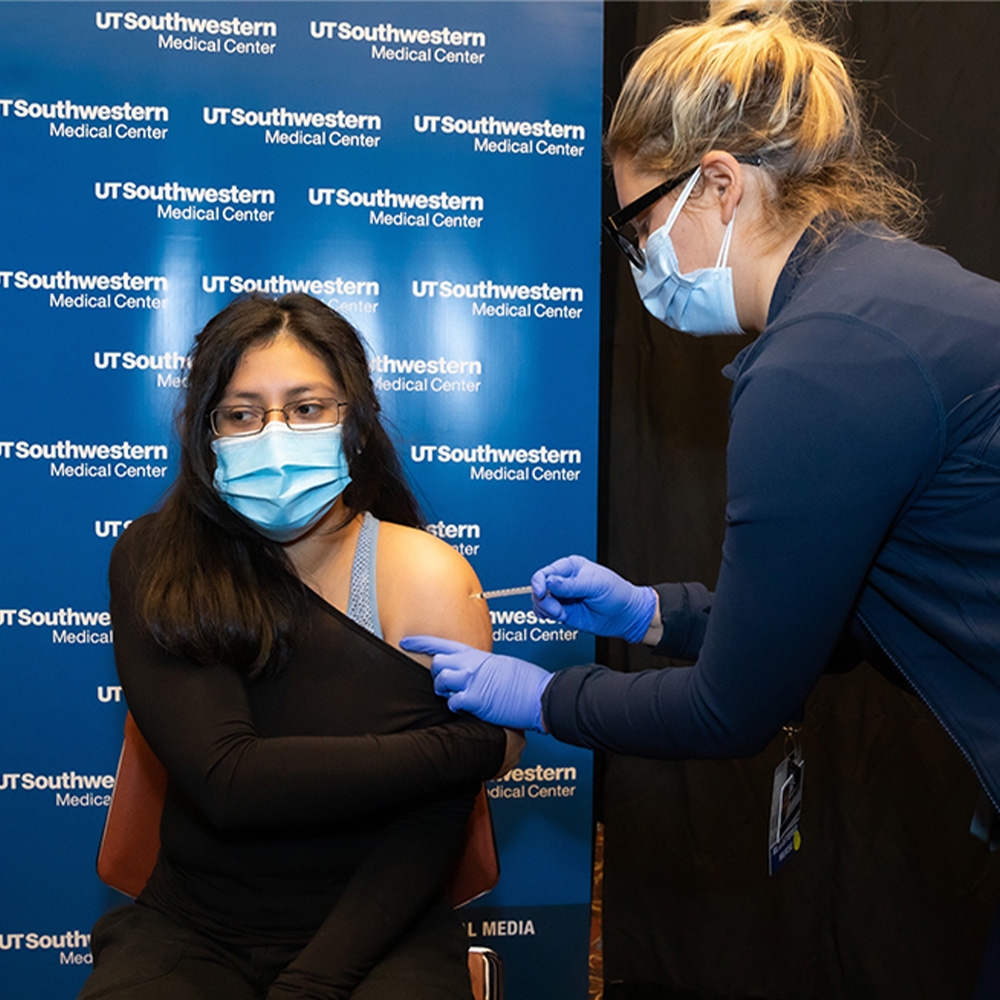
UT Southwestern Medical Center scientists have identified the first two cases of the B.1.617.2 (Indian origin) variant of COVID-19 infection in North Texas using next-generation sequencing technologies along with targeted PCR testing.
Lowering iron in fat cells prevented weight gain in mice: Newsroom - UT Southwestern, Dallas, Texas
https://www.utsouthwestern.edu/newsroom/articles/year-2021/lowering-iron-in-fat-cells.html
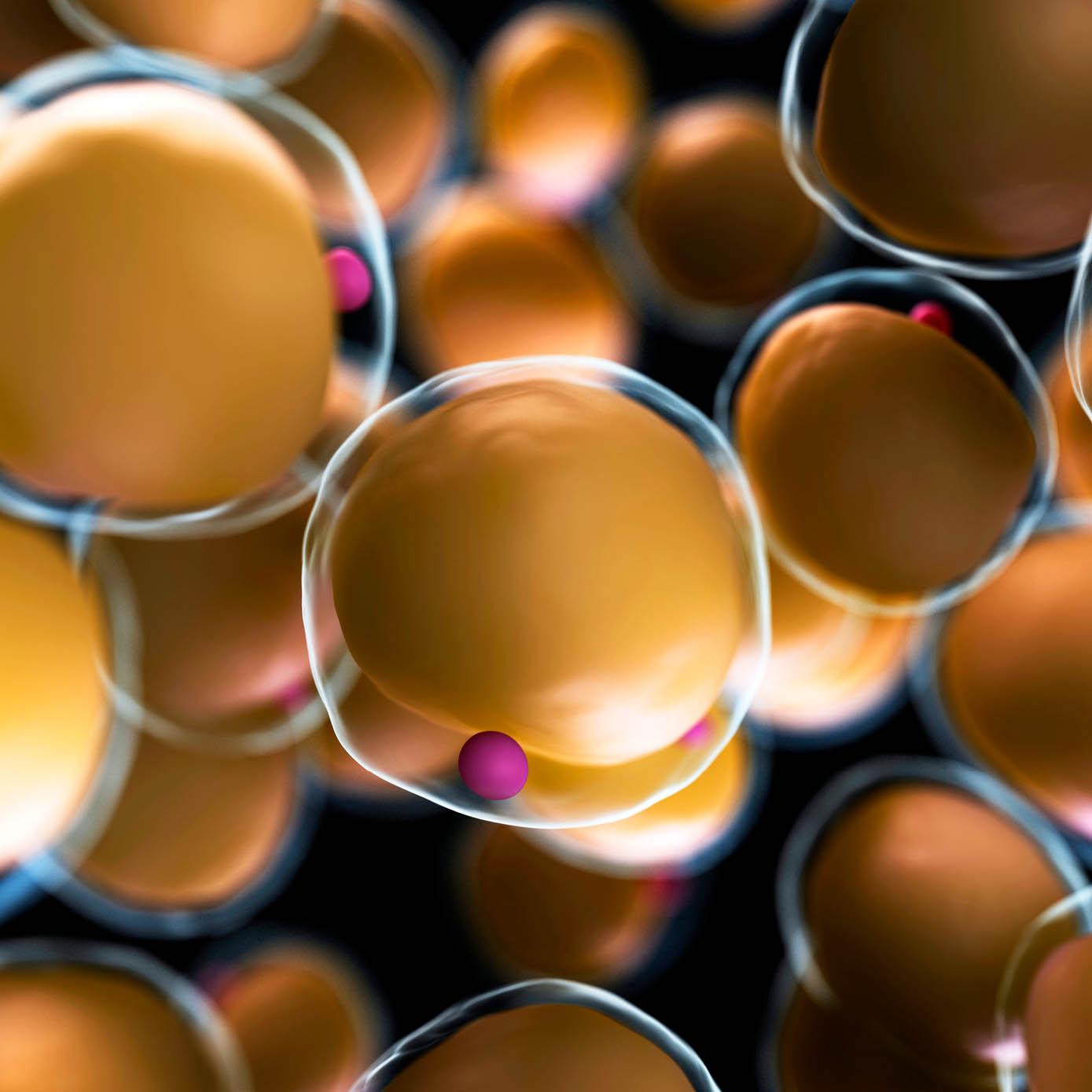
Lowering iron content in fat cells prevented mice fed a high-fat diet from gaining excess weight and developing associated health problems by limiting the amount of lipids absorbed by the intestines
Researchers uncover a potential treatment for an aggressive form of lung cancer: Newsroom - UT Southwestern, Dallas, Texas
https://www.utsouthwestern.edu/newsroom/articles/year-2021/aggressive-form-of-lung-cancer.html
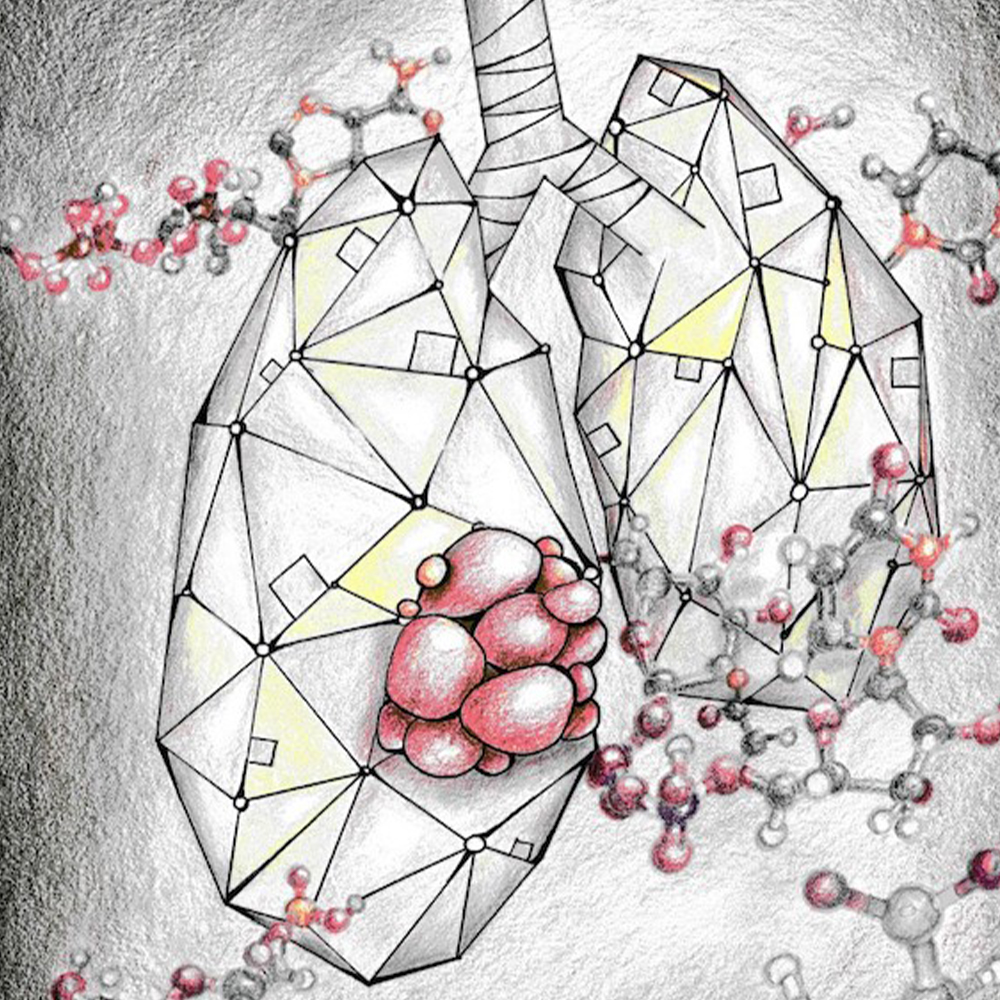
Researchers at the Children’s Medical Center Research Institute at UT Southwestern (CRI) have discovered a new metabolic vulnerability in a highly aggressive form of non-small cell lung cancer (NSCLC).