
Search
Multicultural Events: Office of International Affairs - UT Southwestern, Dallas, Texas
https://www.utsouthwestern.edu/about-us/administrative-offices/international-affairs/cultural-community-information/english-language-resources/multicultural-events.html
UT Southwestern’s Office of International Affairs English as a Second Language (ESL) program hosts multiple events throughout the year.
No One Should Suffer in Silence: Thrive Newsletter - Faculty Wellness - UT Southwestern, Dallas, Texas
https://www.utsouthwestern.edu/education/provost/faculty-affairs-career-development/faculty-wellness/news/thrive/suffer-in-silence.html

Don't suffer in silence. UT Southwestern's CALM Peer Support Program emerges as a crucial lifeline, offering a supportive resource for those seeking understanding and connection. We have found there are many advantages of engaging in peer support and exploring healthy ways to overcome adversity.
Faculty Wellness Retreat Keynote Video: Thrive Newsletter - Faculty Wellness - UT Southwestern, Dallas, Texas
https://www.utsouthwestern.edu/education/provost/faculty-affairs-career-development/faculty-wellness/news/thrive/culture-of-courage.html
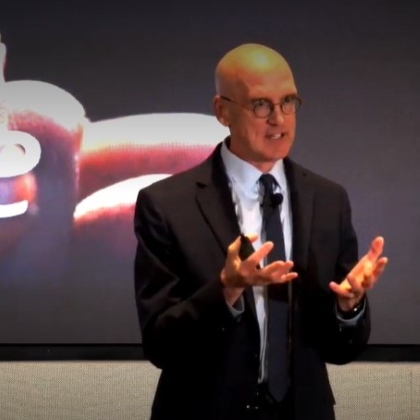
The Office of Faculty Wellness hosted its inaugural Faculty Wellness Retreat, June 9, 2023. Keynote speaker Stephen Swensen, M.D., shared his insights on building camaraderie, agency, and coherence for high-value results in healthcare.
Oh, how time flies! Embracing the Back-to-School Season: Thrive Newsletter - Faculty Wellness - UT Southwestern, Dallas, Texas
https://www.utsouthwestern.edu/education/provost/faculty-affairs-career-development/faculty-wellness/news/thrive/back-to-school.html

As summer winds down and the school year approaches, it's natural for both parents and children to feel a mix of excitement and anxiety. Transitioning from the relaxed pace of summer to the structured routine of school can be challenging. Here are some tips to help your family prepare for the new school year smoothly and stress-free.
The Importance of Summer Self-Care: Balancing Time with Family, Friends, and Yourself: Thrive Newsletter - Faculty Wellness - UT Southwestern, Dallas, Texas
https://www.utsouthwestern.edu/education/provost/faculty-affairs-career-development/faculty-wellness/news/thrive/summer-self-care.html

We often think of summer as the perfect time to connect with family and friends, creating memories that will warm our hearts long after the season ends. While these connections are incredibly important, there's another kind of connection that often gets overlooked: the one with ourselves.
Love begins with yourself: Thrive Newsletter - Faculty Wellness - UT Southwestern, Dallas, Texas
https://www.utsouthwestern.edu/education/provost/faculty-affairs-career-development/faculty-wellness/news/thrive/love-yourself.html

“Love makes the world go round, so the saying goes. Often, it’s associated with romance, passion, and grand gestures to the person who makes our heart go a-thumpin’. Little do we realize that for the world to truly go ‘round, love begins with oneself (or it should, anyway).” -- Tatiana Azman
Why eating in the middle of the night can be a gut punch: Newsroom - UT Southwestern, Dallas, Texas
https://www.utsouthwestern.edu/newsroom/articles/year-2026/june-obata-gut-internal-clock.html
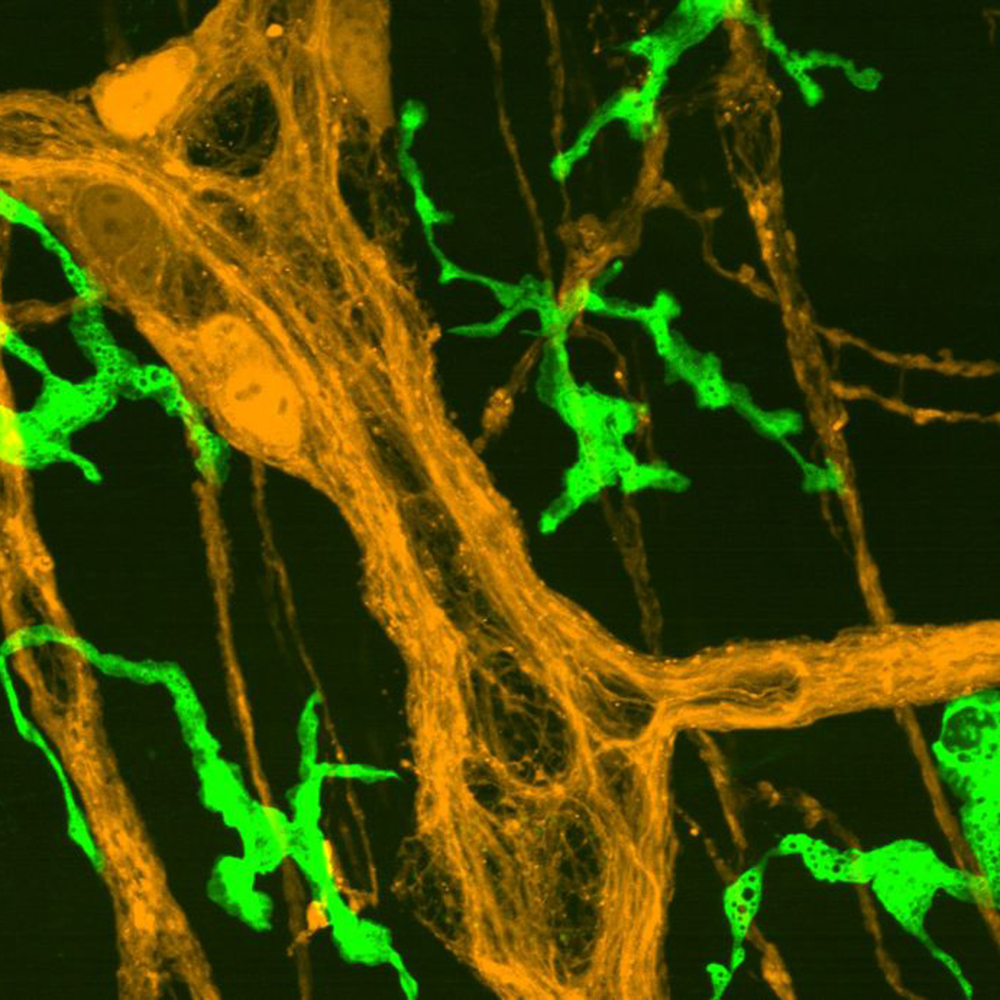
Eating when the body is normally asleep appears to desynchronize the circadian clocks of different cell types in the intestines, a UT Southwestern Medical Center study suggests.
Exercise keeps astronauts’ hearts strong enough for flight to Mars : Newsroom - UT Southwestern, Dallas, Texas
https://www.utsouthwestern.edu/newsroom/articles/year-2026/sept-exercise-keeps-astronauts-hearts-strong.html
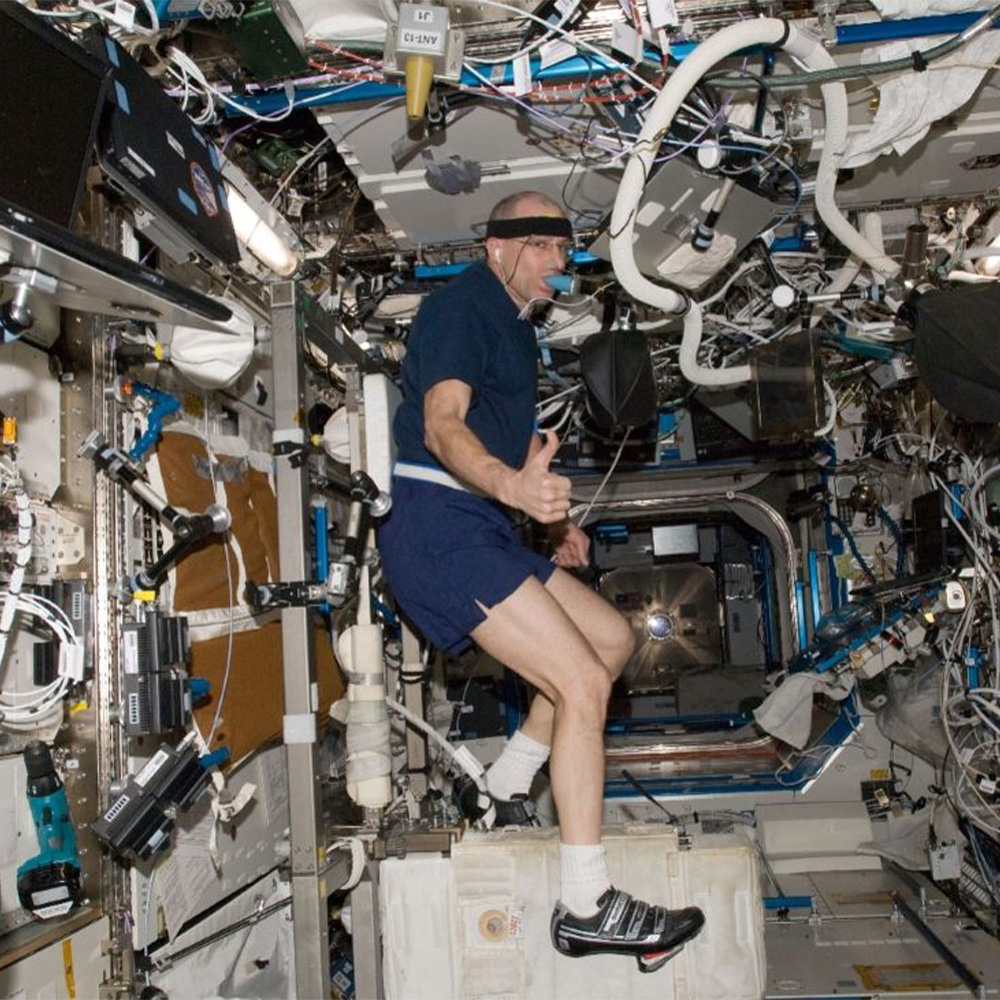
Intense exercise during long spaceflights helps to maintain heart structure and function within a range needed to tolerate the low-gravity environment of Mars, a study co-led by a UT Southwestern Medical Center researcher suggests.
Brain activity discovery could transform Parkinson’s treatment: Newsroom - UT Southwestern, Dallas, Texas
https://www.utsouthwestern.edu/newsroom/articles/year-2026/aug-brain-activity-parkinsons-treatment.html
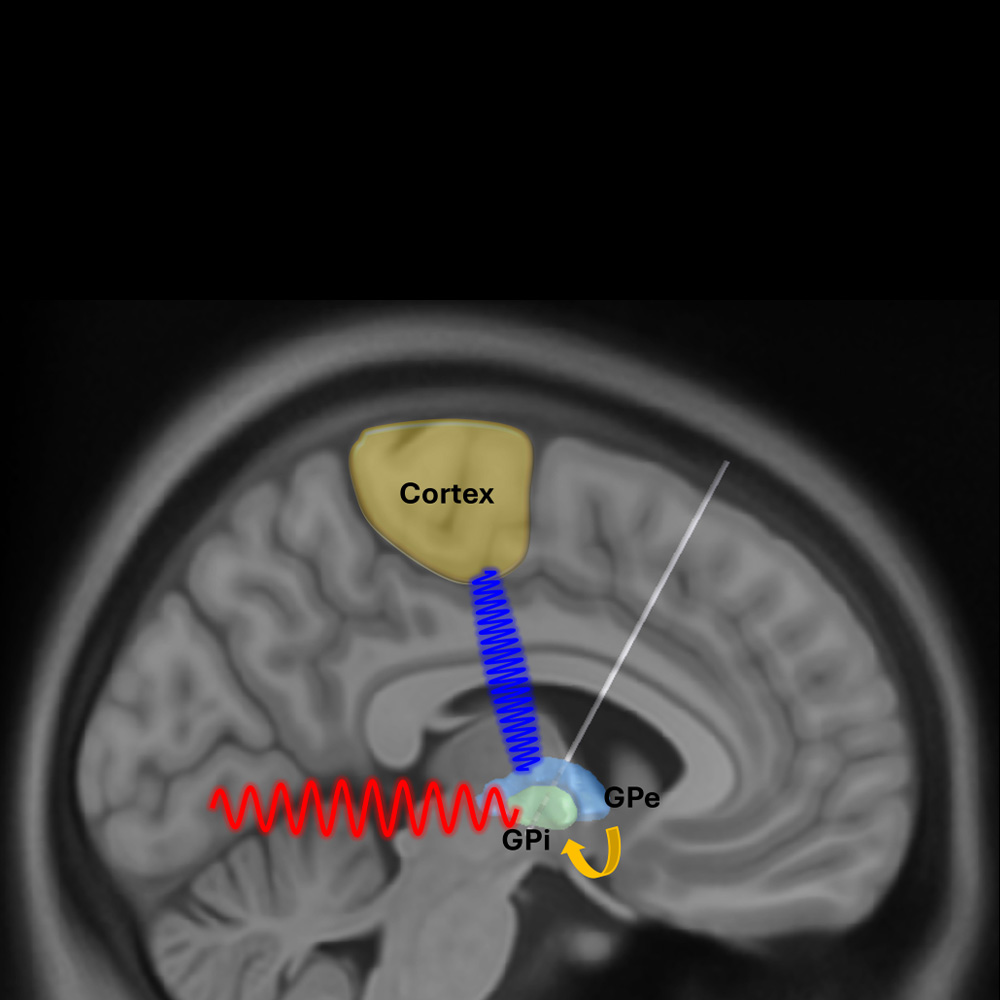
Researchers at UT Southwestern Medical Center studying Parkinson’s disease have discovered a previously unrecognized sequence of abnormal activity across multiple regions of the brain, providing a new level of understanding that could improve treatment options.
Temporary Visa Interview Pause - UT Southwestern
https://www.utsouthwestern.edu/about-us/administrative-offices/international-affairs/students/temporary-visa-interview-pause.html
The U.S. Department of State (DOS) has announced a worldwide temporary pause on unscheduled F-1 and J-1 visa appointments. According to the DOS, the pause will last "until further guidance is issued in the next few days.”