
Search
Long life, good health: Newsroom - UT Southwestern, Dallas, Texas
https://www.utsouthwestern.edu/newsroom/articles/year-2020/long-life-good-health.html

The American Heart Association 2030 Impact Goals aim to help all people live healthier for more years of their life.
Researchers create ‘wiring diagram’ for key songbird brain region: Newsroom - UT Southwestern, Dallas, Texas
https://www.utsouthwestern.edu/newsroom/articles/year-2025/april-wiring-diagram-songbird.html
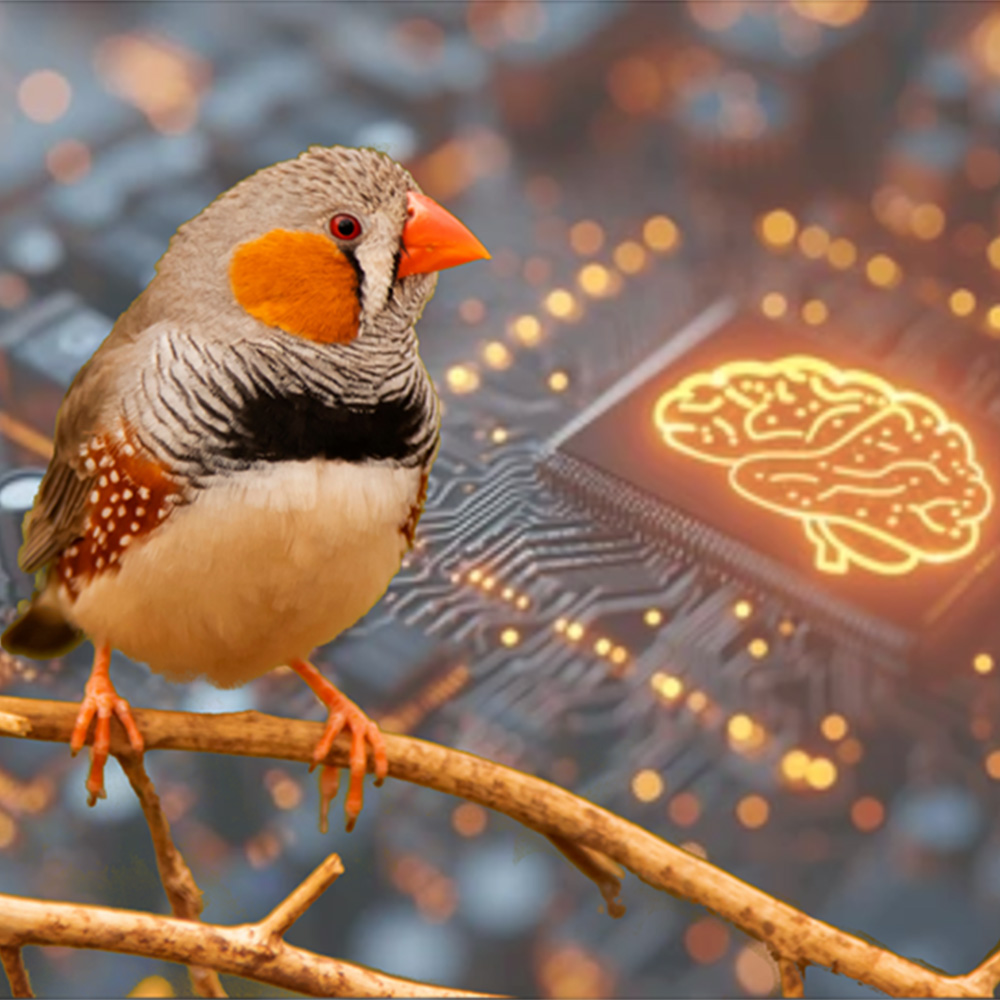
Much like human beings, songbirds learn how to vocalize from their parents. Males imitate songs from their fathers and then sing to attract mates. Although the circuits that generate human speech are more complicated to decipher, the brains of songbirds offer a viable model for better understanding how humans learn to speak and what goes wrong in communication disorders such as autism.
Unmasking autism spectrum disorder through its gene-based roots: Newsroom - UT Southwestern, Dallas, Texas
https://www.utsouthwestern.edu/newsroom/articles/year-2026/may-autism-spectrum-disorder.html
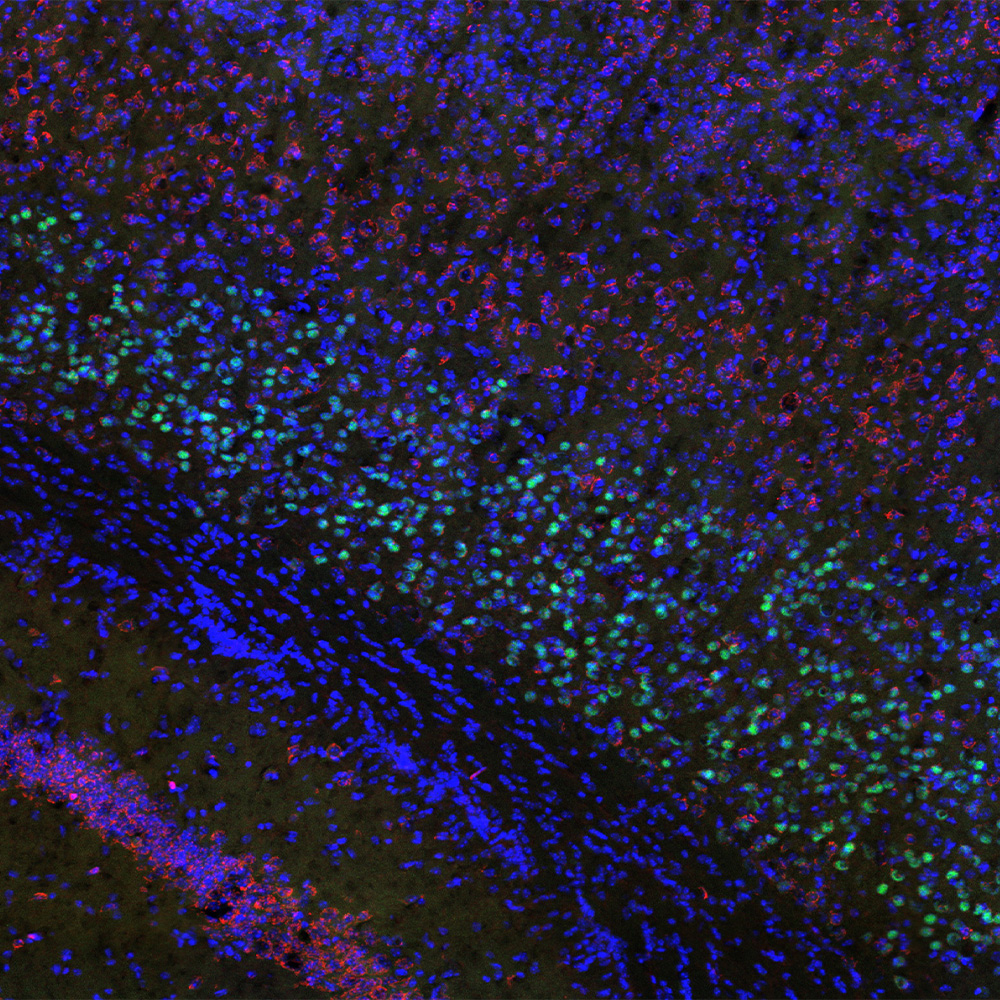
Two studies led by the Chahrour Lab at UT Southwestern Medical Center shed new light on genes associated with autism spectrum disorder (ASD), the neurodevelopmental disease characterized by impaired communication, abnormal social interactions, and restricted, repetitive behaviors.
Study links cancer metabolism to DNA replication errors: Newsroom - UT Southwestern, Dallas, Texas
https://www.utsouthwestern.edu/newsroom/articles/year-2026/may-cancer-metabolism-to-dna.html
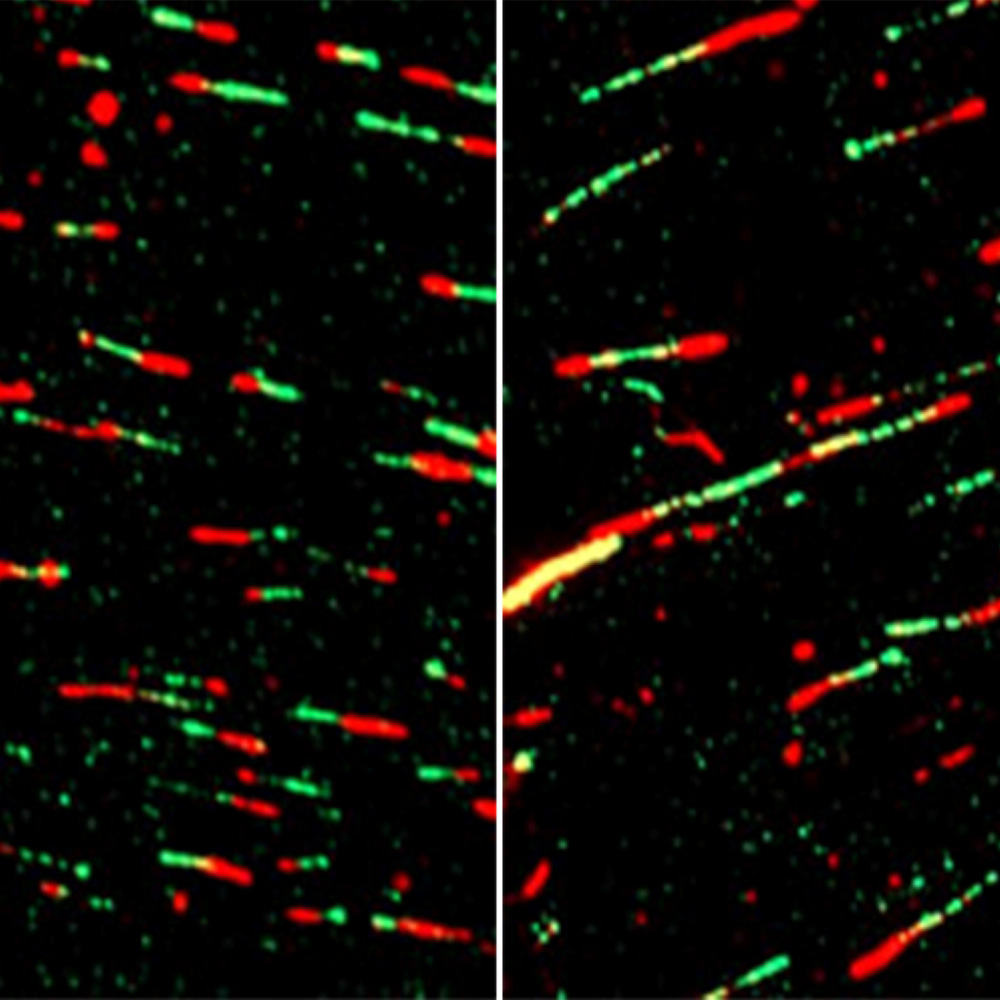
Loss of an enzyme necessary for a process called lipoylation disrupts the way cancer cells copy their DNA, increasing their vulnerability to a class of anticancer drugs known as PARP inhibitors, a study led by UT Southwestern Medical Center researchers shows.
How small muscles make a big impact for athletes at any level: Newsroom - UT Southwestern, Dallas, Texas
https://www.utsouthwestern.edu/newsroom/articles/year-2026/feb-small-muscles-athletes.html
The world’s top competitors in the 2026 Olympics, which continue through Feb. 22, may offer a valuable lesson to those seeking to improve their workouts or just to get more active. While these elite athletes are performing at a peak level on a global stage, it’s the work they put in behind the scenes during training and conditioning that really sets them up for success.
Should patients learn they have cancer from an online portal?: Newsroom - UT Southwestern, Dallas, Texas
https://www.utsouthwestern.edu/newsroom/articles/year-2026/june-cancer-customer-portal.html

The widespread use of electronic patient portals to provide quick access to test results presents healthcare professionals with an important challenge: How should new cancer diagnoses be communicated?
Disrupted metabolism linked to heart failure, UTSW study finds: Newsroom - UT Southwestern, Dallas, Texas
https://www.utsouthwestern.edu/newsroom/articles/year-2026/june-overactive-fat-burning.html
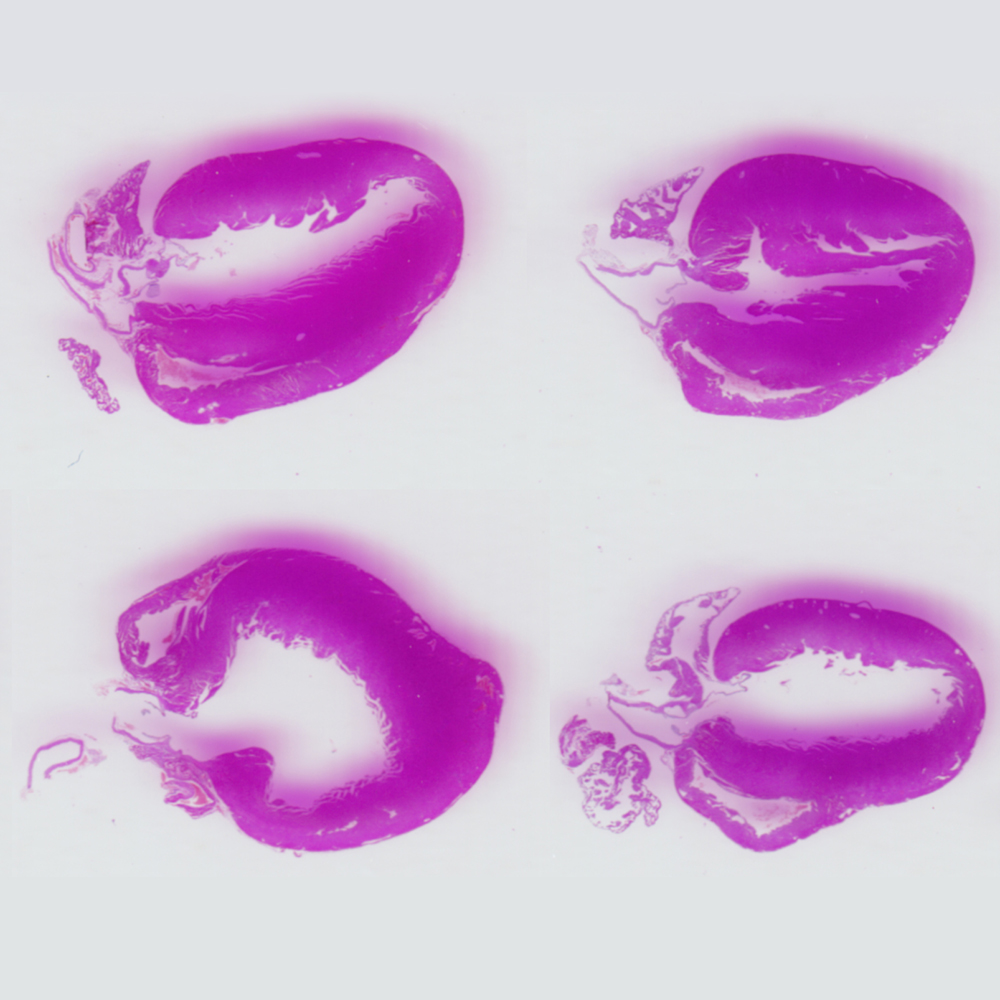
When heart cells burn fat without normal metabolic controls, they can deplete a lipid needed to keep mitochondria functioning properly, according to a study by UT Southwestern Medical Center researchers.
Protein coordinates responses to environmental stress: Newsroom - UT Southwestern, Dallas, Texas
https://www.utsouthwestern.edu/newsroom/articles/year-2026/may-protein-environmental-stress.html
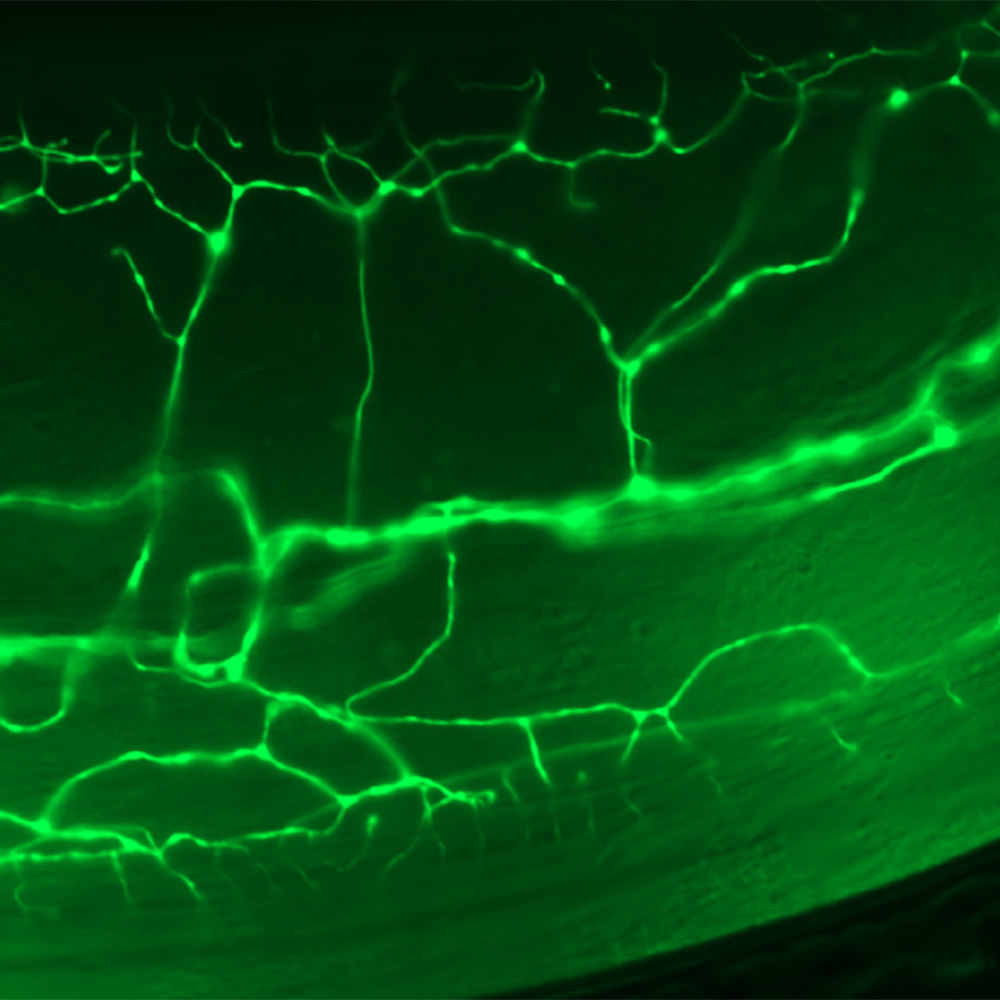
UT Southwestern Medical Center researchers have discovered a key molecular mechanism that allows animals to adapt to changing environmental conditions without altering their genes – an ability known as phenotypic plasticity.
Study reveals how RNA-modifying enzyme picks its targets: Newsroom - UT Southwestern, Dallas, Texas
https://www.utsouthwestern.edu/newsroom/articles/year-2026/june-rna-modifying-enzyme.html
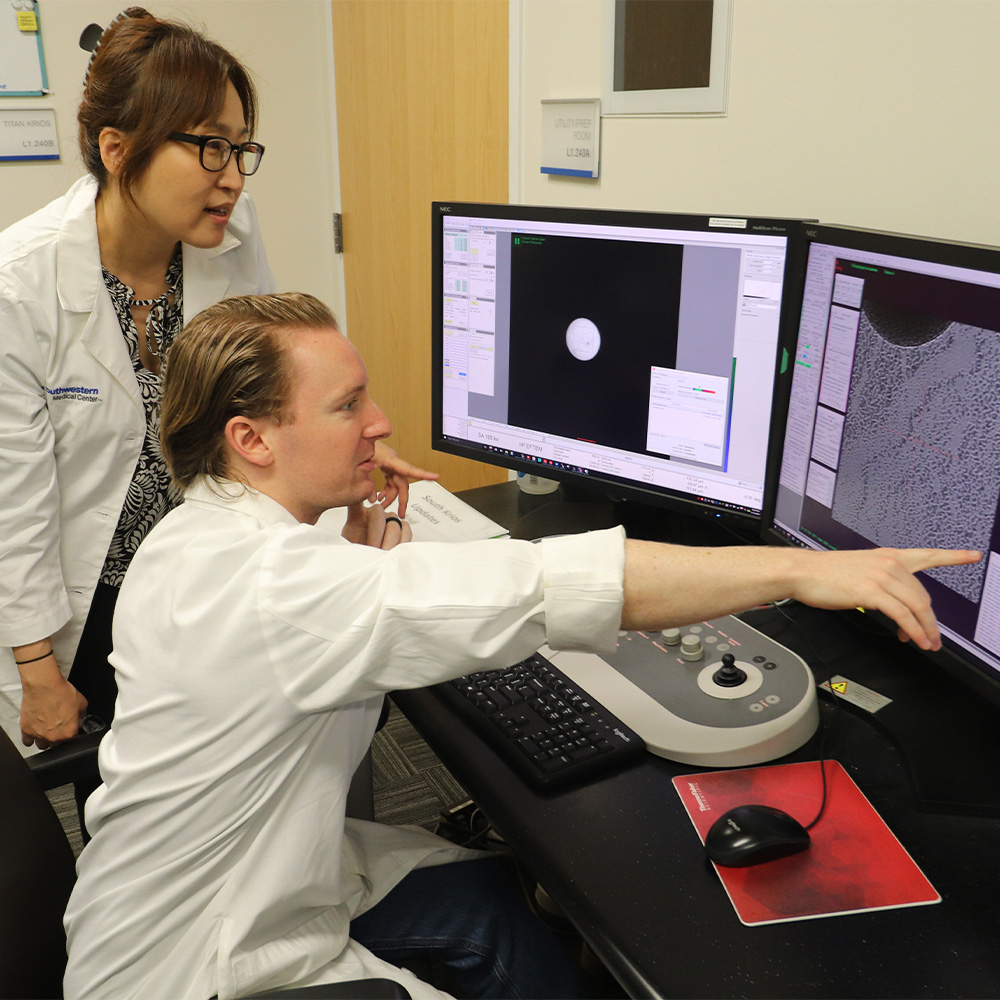
An RNA-modifying enzyme linked to cancer and neurological disorders selects its targets by recognizing specific RNA shapes and sequences, according to a study by UT Southwestern Medical Center researchers.
Antibody may improve treatment response in lung cancer: Newsroom - UT Southwestern, Dallas, Texas
https://www.utsouthwestern.edu/newsroom/articles/year-2026/june-antibody-lung-cancer.html
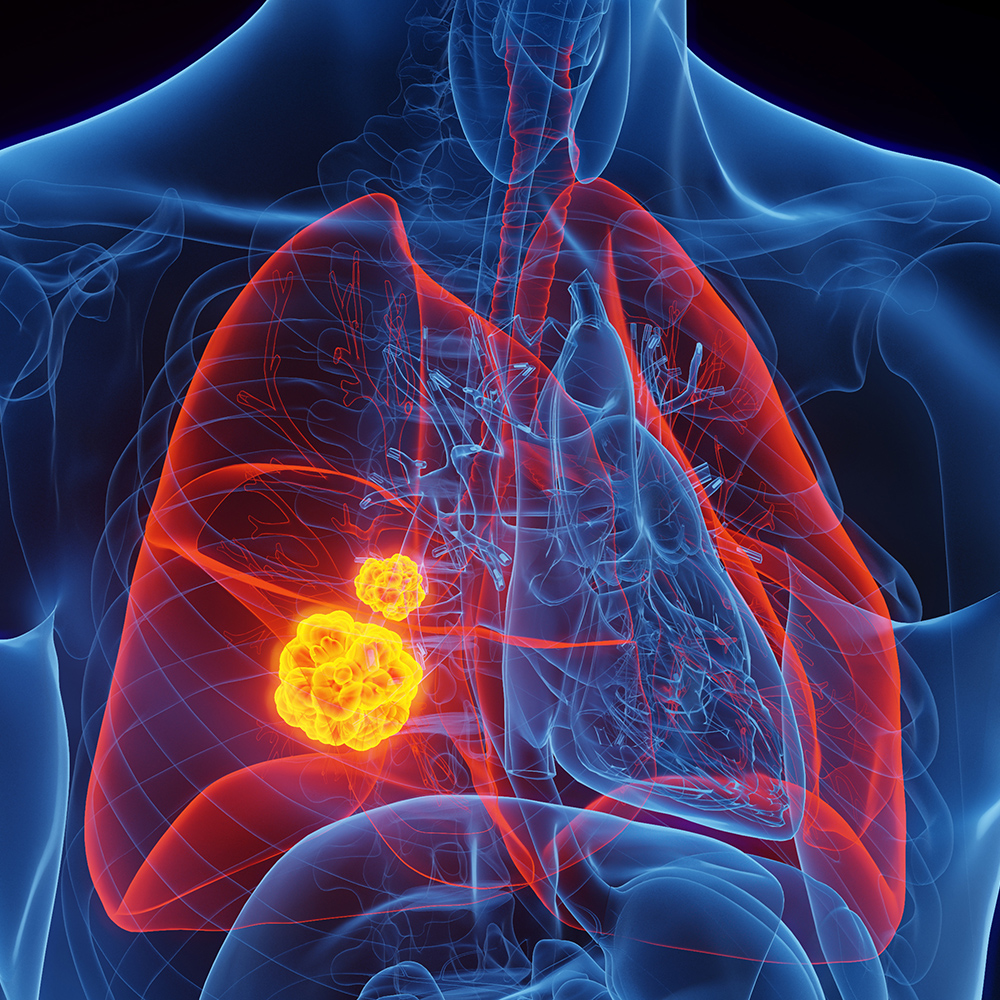
An experimental antibody treatment that binds to a protein known as PCDH7 shrank tumors in preclinical models of non-small cell lung cancer (NSCLC), even those resistant to a targeted therapy, a study led by UT Southwestern Medical Center researchers showed.