
Search
UTSW researcher receives NIH Director’s New Innovator Award: Newsroom - UT Southwestern, Dallas, Texas
https://www.utsouthwestern.edu/newsroom/articles/year-2023/oct-maddipati-nih-directors-new-innovator-award.html
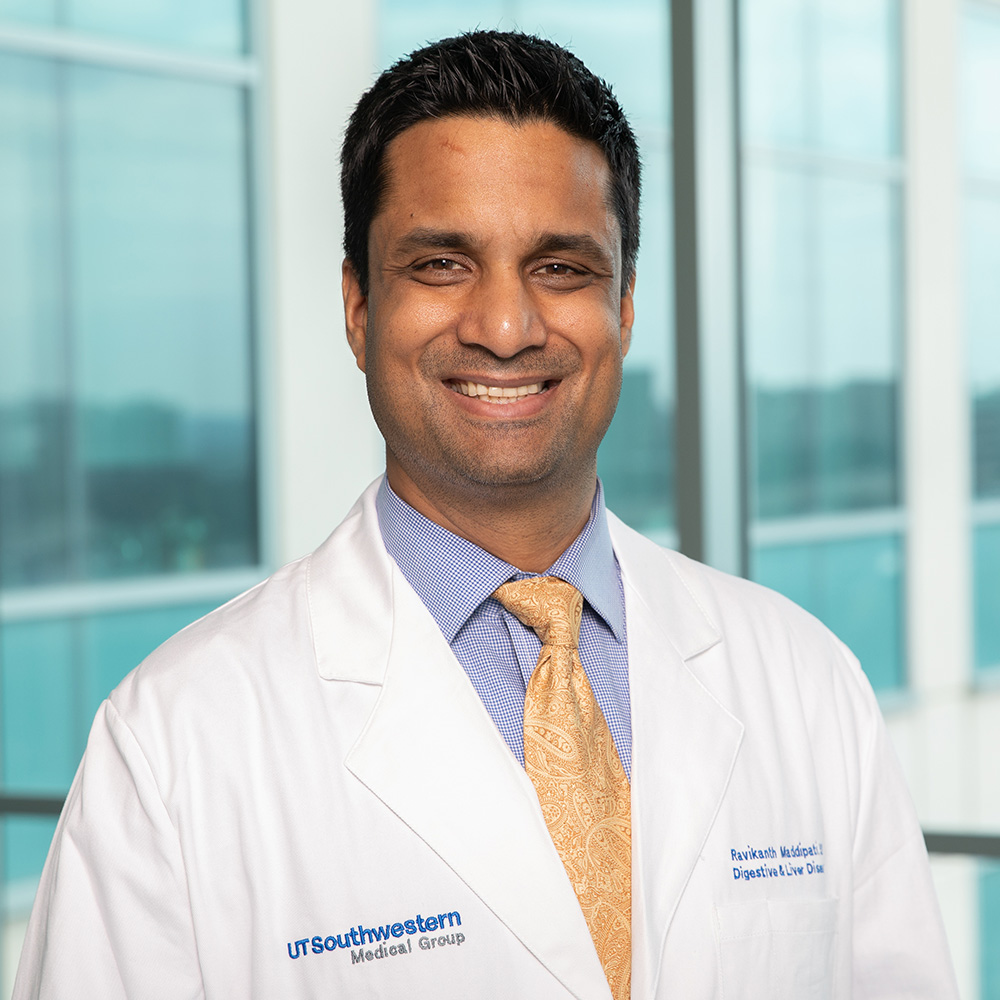
Ravikanth Maddipati, M.D., Assistant Professor of Internal Medicine and in Children’s Medical Center Research Institute at UT Southwestern, has been awarded $1.5 million from the National Institutes of Health (NIH) to support research investigating positional heterogeneity in cancer, or how tumors in the same organ can behave differently based on where they form.
Home-time metric needed to judge hospital readmissions, studies suggest : Newsroom - UT Southwestern, Dallas, Texas
https://www.utsouthwestern.edu/newsroom/articles/year-2020/home-time-metric-needed-to-judge-hospital-readmissions.html

Two new studies suggest Medicare’s system of penalizing hospitals if too many patients are readmitted within 30 days should also look at whether the patients were well enough to remain in their home during that time.
Simmons Cancer Center, MD Anderson scientists develop artificial intelligence method to predict anti-cancer immunity: Newsroom - UT Southwestern, Dallas, Texas
https://www.utsouthwestern.edu/newsroom/articles/year-2021/artificial-intelligence-method-to-predict-anti-cancer-immunity.html
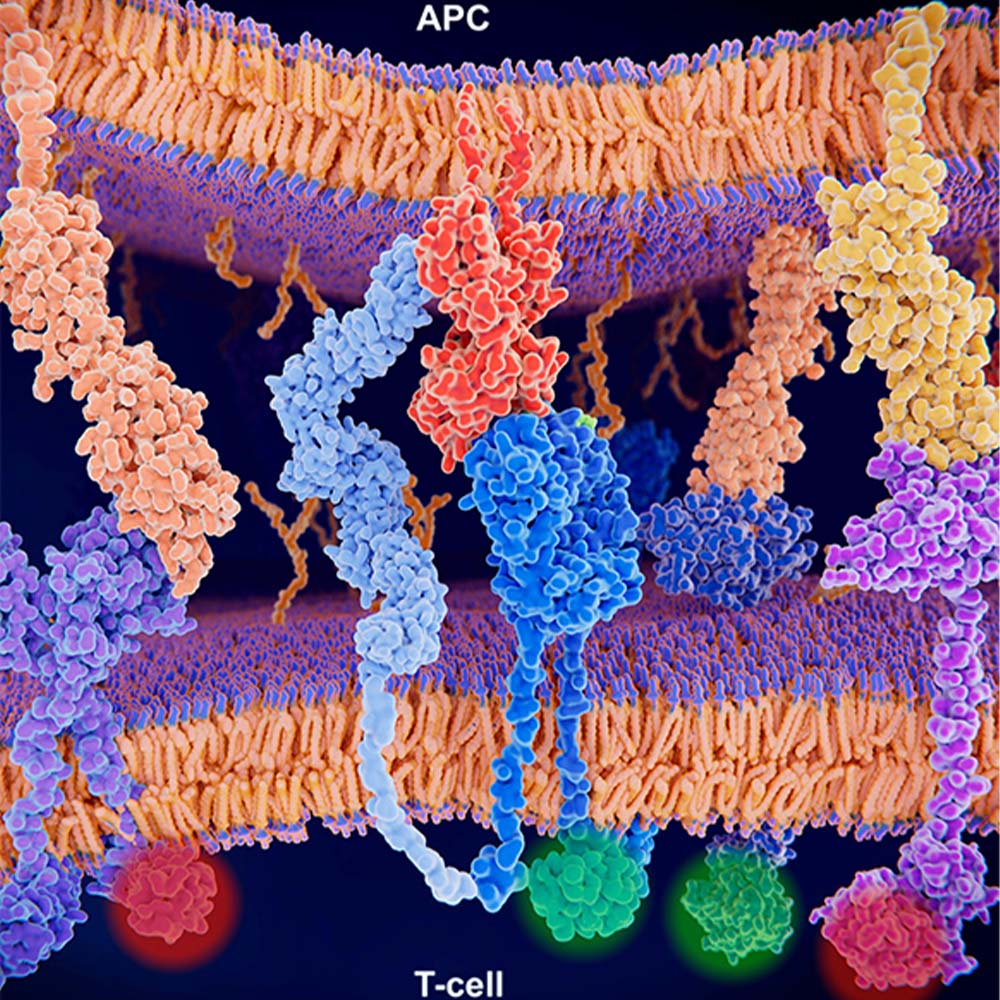
Researchers and data scientists at UT Southwestern Medical Center and MD Anderson Cancer Center have developed an artificial intelligence technique that can identify which cell surface peptides produced by cancer cells called neoantigens are recognized by the immune system.
UTSW study finds potential strategy for fighting obesity: Newsroom - UT Southwestern, Dallas, Texas
https://www.utsouthwestern.edu/newsroom/articles/year-2021/utsw-study-finds-potential-strategy-for-fighting-obesity.html
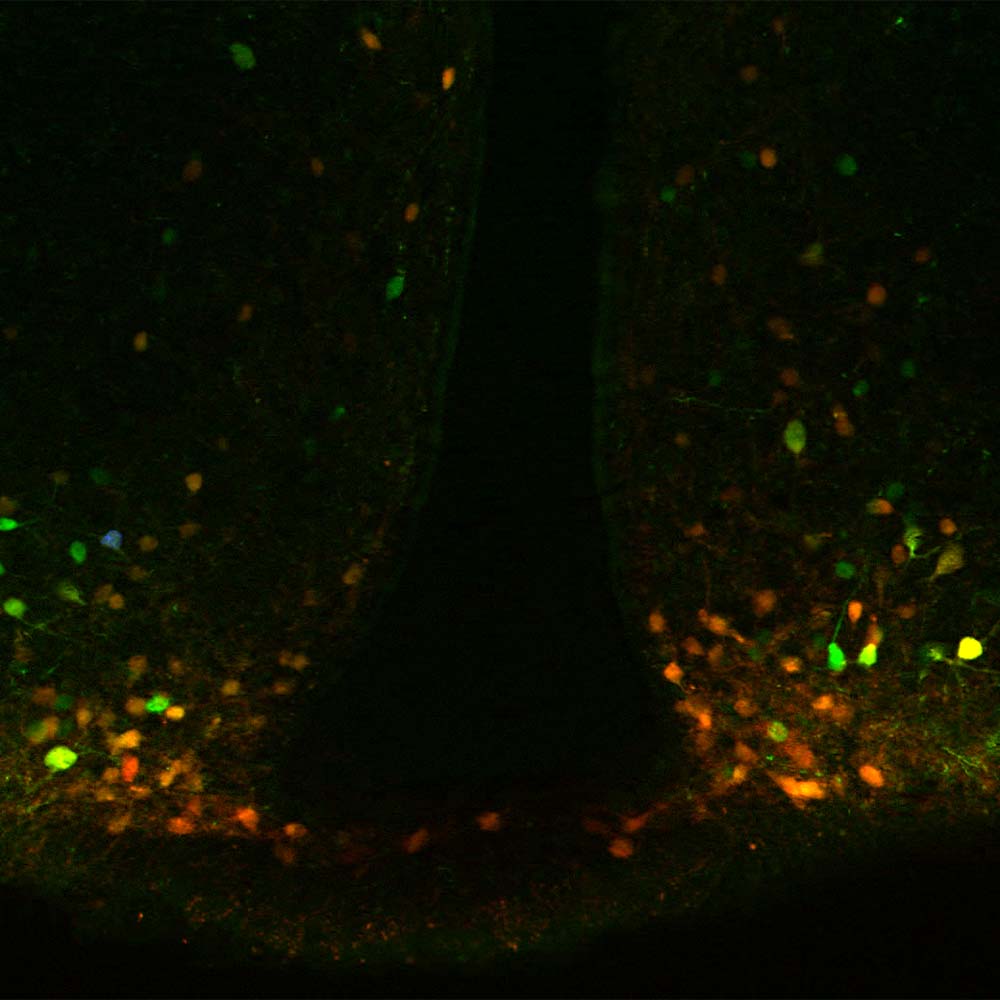
UT Southwestern scientists may have identified a method of safely mimicking the weight-loss benefits of a plant compound that – despite its harmful side effects – hold critical answers to developing therapies for obesity.
All weight loss isn't equal for reducing heart failure risk : Newsroom - UT Southwestern, Dallas, Texas
https://www.utsouthwestern.edu/newsroom/articles/year-2020/all-weight-loss-isnt-equal-for-reducing-heart-failure-risk.html

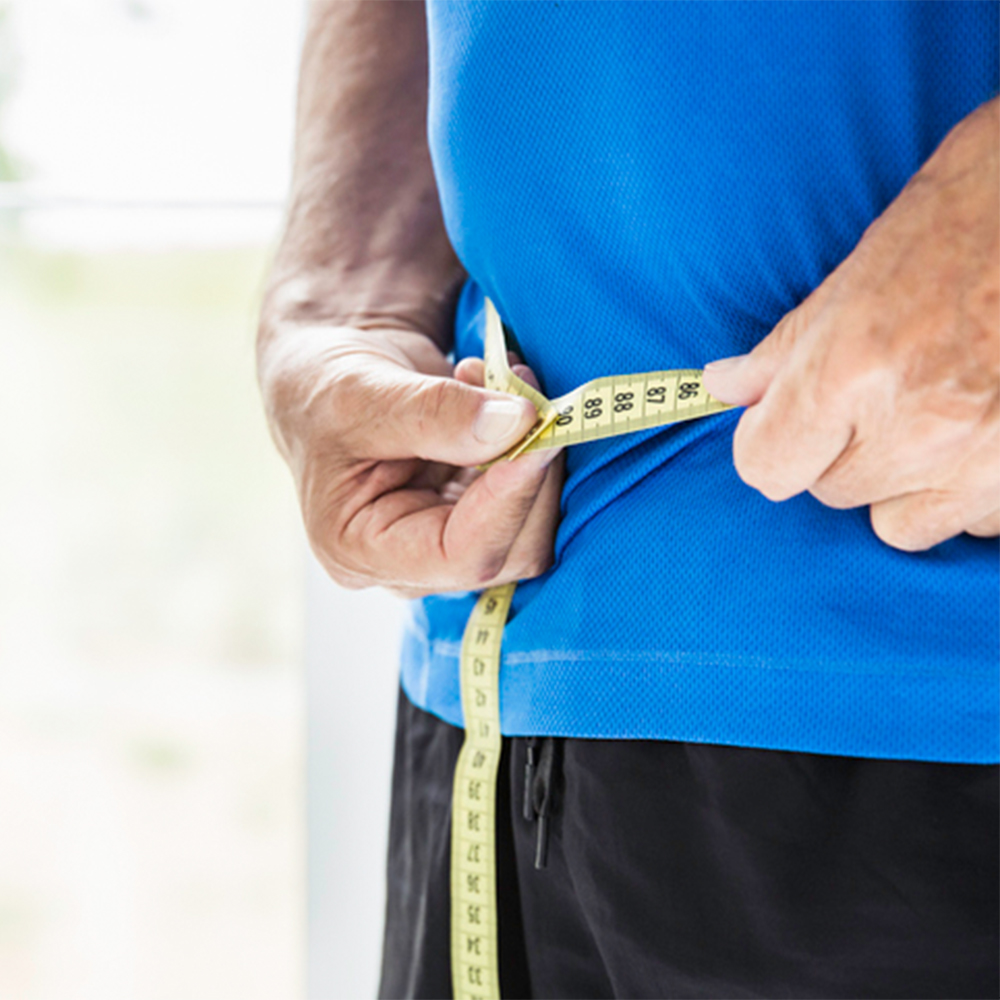
Reducing the level of body fat and waist size are linked to a lower risk of heart failure in patients with type 2 diabetes, a study led by UT Southwestern researchers indicates.
Scientists identify source of weight gain from antipsychotics: Newsroom - UT Southwestern, Dallas, Texas
https://www.utsouthwestern.edu/newsroom/articles/year-2021/scientists-identify-source-of-weight-gain-from-antipsychotics.html
Scientists with UT Southwestern’s Peter O’Donnell Jr. Brain Institute have identified the molecular mechanism that can cause weight gain for those using a common antipsychotic medication.
How the brain remembers right place, right time: Newsroom - UT Southwestern, Dallas, Texas
https://www.utsouthwestern.edu/newsroom/articles/year-2020/how-the-brain-remembers-right-place-right-time.html
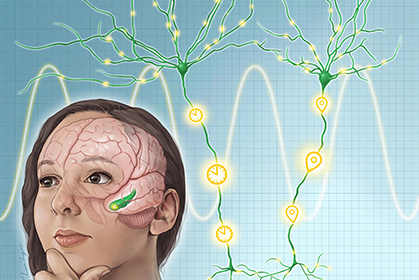
Two studies led by UT Southwestern researchers shed new light on how the brain encodes time and place into memories.
Tumor mutation associated with drug-resistant liver cancer, UT Southwestern study finds: Newsroom - UT Southwestern, Dallas, Texas
https://www.utsouthwestern.edu/newsroom/articles/year-2023/june-tumor-mutation-drug-resistant-liver-cancer.html
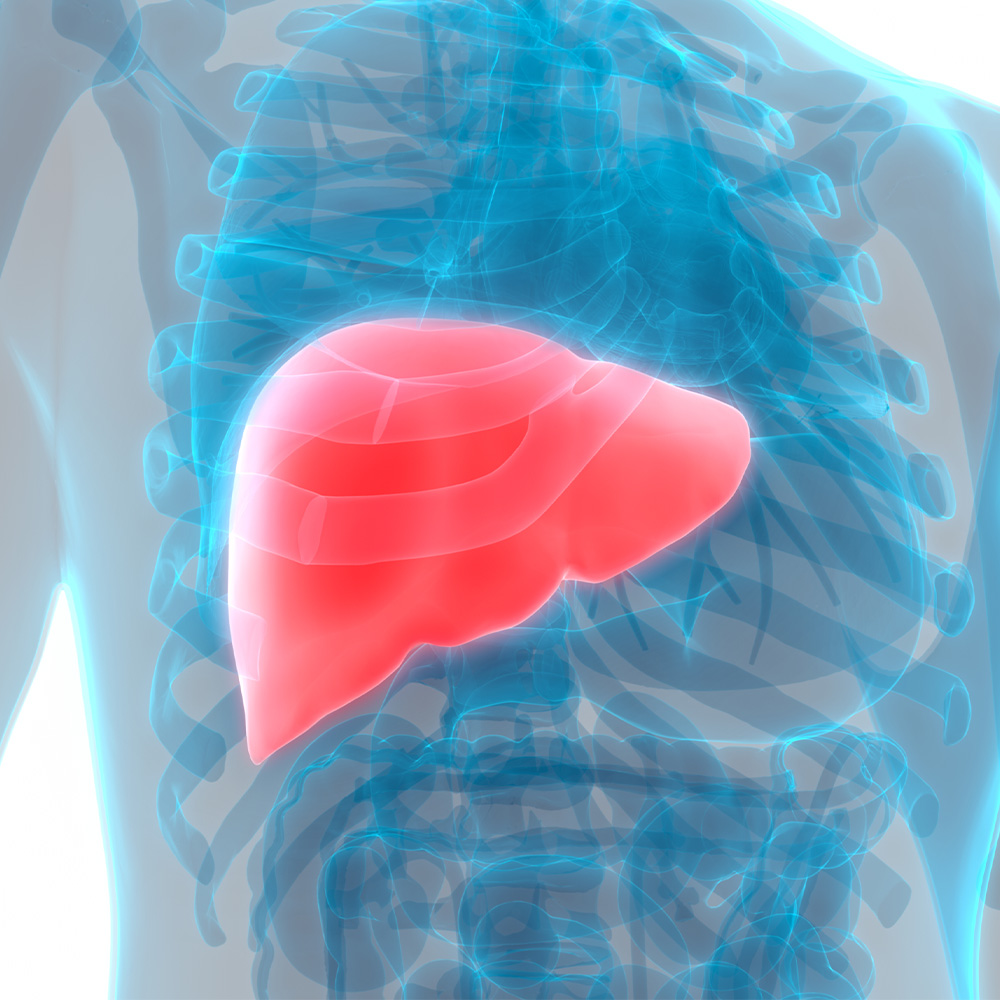
A genetic marker discovered by UT Southwestern Medical Center researchers could help physicians predict which patients with hepatocellular carcinoma are most likely to develop resistance to the drug lenvatinib. The finding, published in the journal Gastroenterology, may lead to alternative treatments for the most common form of liver cancer.
Researchers identify mechanism by which exercise strengthens bones and immunity: Newsroom - UT Southwestern, Dallas, Texas
https://www.utsouthwestern.edu/newsroom/articles/year-2021/researchers-identify-mechanism-by-which-exercise-strengthens-bones-and-immunity.html
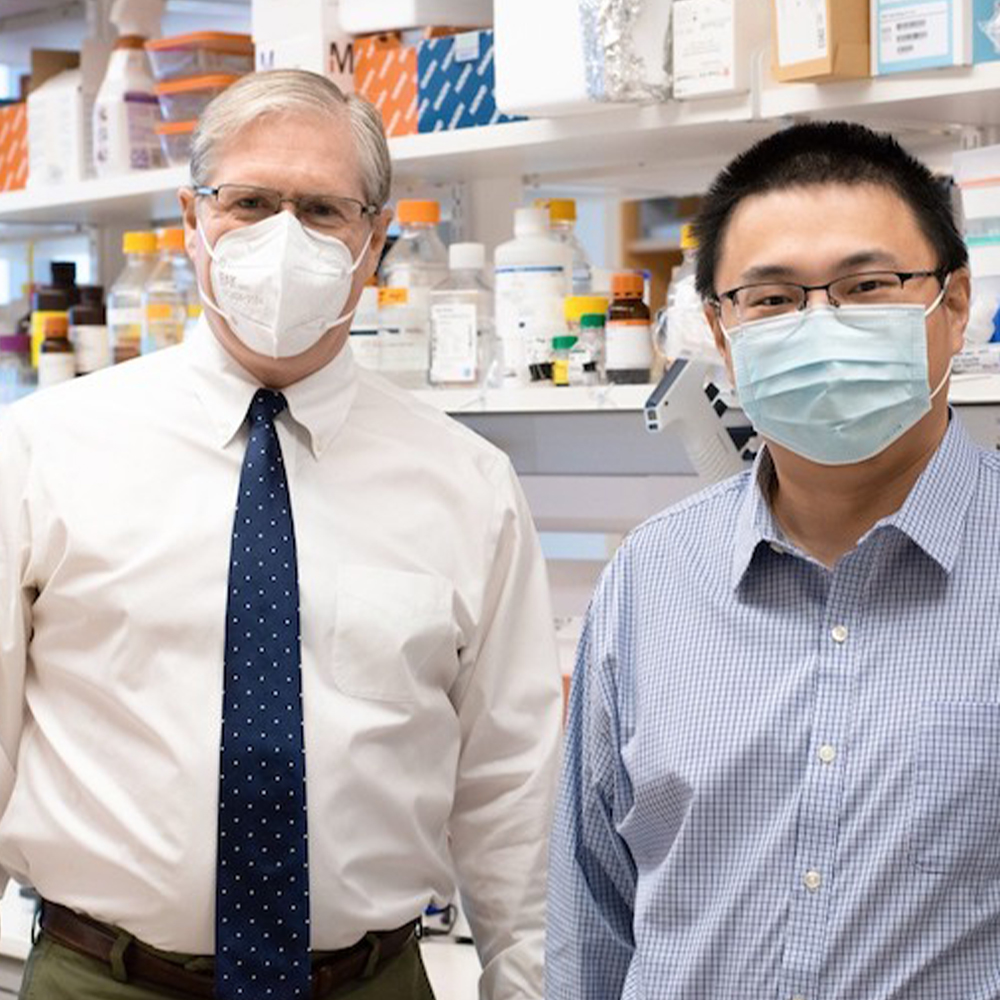
Scientists at the Children’s Medical Center Research Institute at UT Southwestern (CRI) have identified the specialized environment, known as a niche, in the bone marrow where new bone and immune cells are produced.
UTSW Research: Kidney stones, cancer diagnoses, and brain injury
https://www.utsouthwestern.edu/newsroom/articles/year-2026/april-kidney-stones-cancer-diagnoses-brain-injury.html
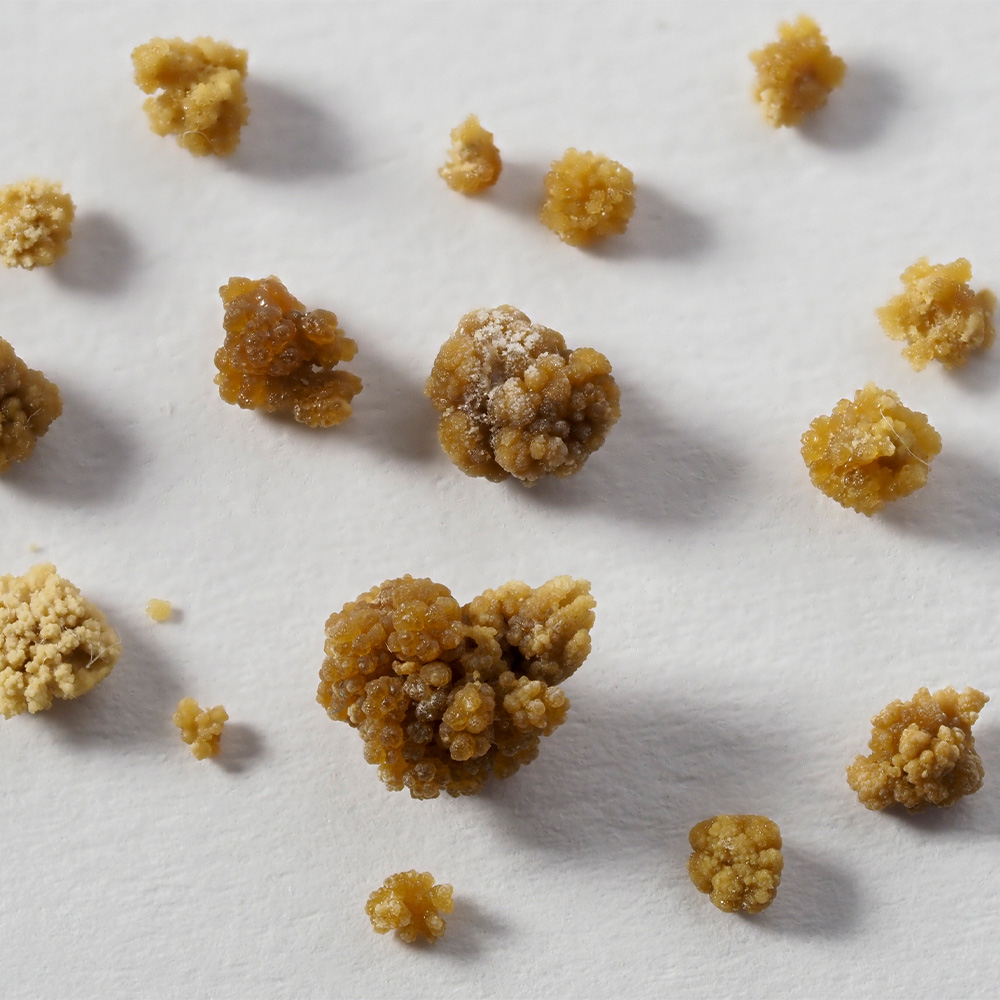
About 1 in 11 people in the U.S. experience urinary stone disease – more commonly known as kidney stones – according to the National Institute of Diabetes and Digestive and Kidney Diseases. Increasing fluid intake has long been recommended to decrease the risk of recurrence in those who develop this painful condition. However, studies have shown that maintaining high fluid intake can be difficult.