
Search
UT Southwestern’s Inaugural Chair of Biomedical Engineering elected to National Academy of Medicine: Newsroom - UT Southwestern, Dallas, Texas
https://www.utsouthwestern.edu/newsroom/articles/year-2021/inaugural-chair-of-biomedical-engineering-nam.html
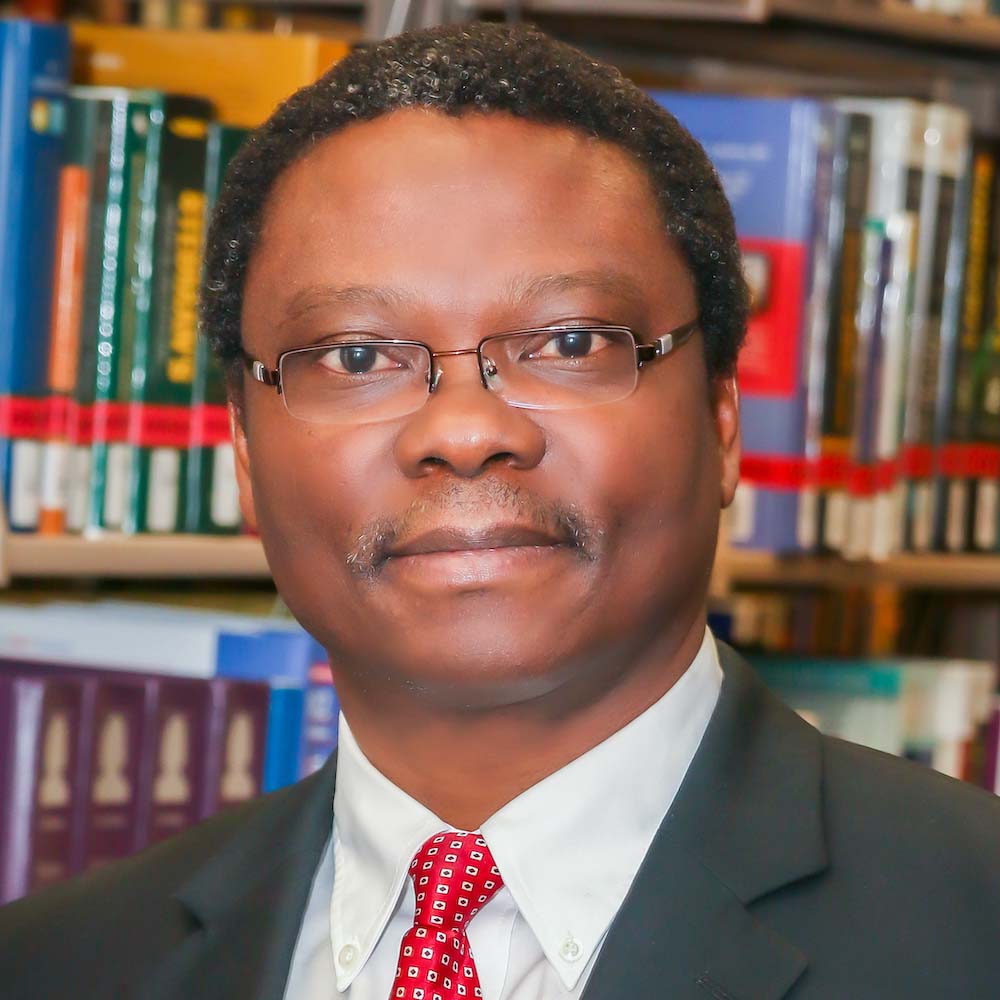
Samuel Achilefu, Ph.D., the incoming Inaugural Chair of UT Southwestern Medical Center’s new Department of Biomedical Engineering, is among 100 members elected to the National Academy of Medicine (NAM) this year.
UTSW genetic study confirms sarin nerve gas as cause of Gulf War illness: Newsroom - UT Southwestern, Dallas, Texas
https://www.utsouthwestern.edu/newsroom/articles/year-2022/sarin-nerve-gas-gulf-war-illness.html

For three decades, scientists have debated the underlying cause of Gulf War illness (GWI), a collection of unexplained and chronic symptoms affecting veterans of the Persian Gulf War.
UTSW scientists reveal how vitamin A enters immune cells in the gut: Newsroom - UT Southwestern, Dallas, Texas
https://www.utsouthwestern.edu/newsroom/articles/year-2021/how-vitamin-a-enters-immune-cells-in-the-gut.html
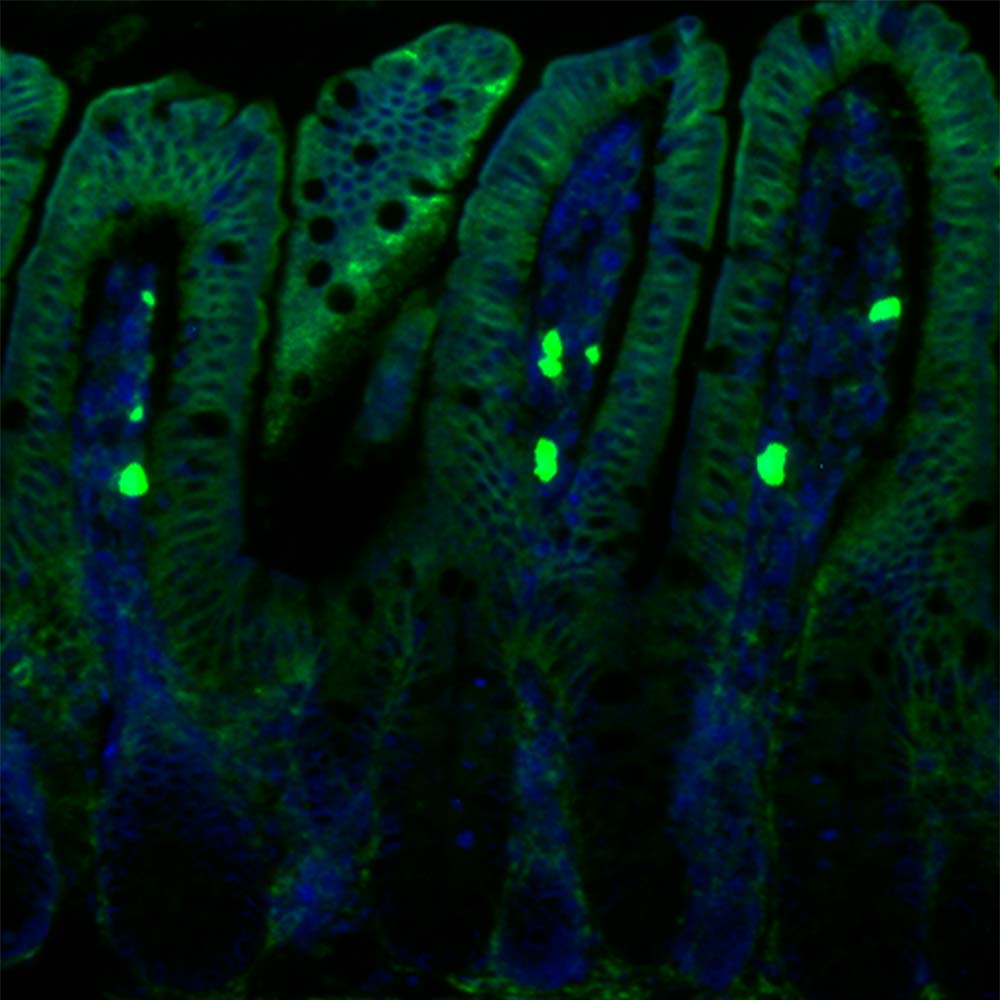
Immunologists and geneticists at UT Southwestern Medical Center have discovered how vitamin A enters immune cells in the intestines – findings that could offer insight to treat digestive diseases and perhaps help improve the efficacy of some vaccines.
Artificial intelligence successfully predicts protein interactions: Newsroom - UT Southwestern, Dallas, Texas
https://www.utsouthwestern.edu/newsroom/articles/year-2021/artificial-intelligence-successfully-predicts-protein-interactions.html
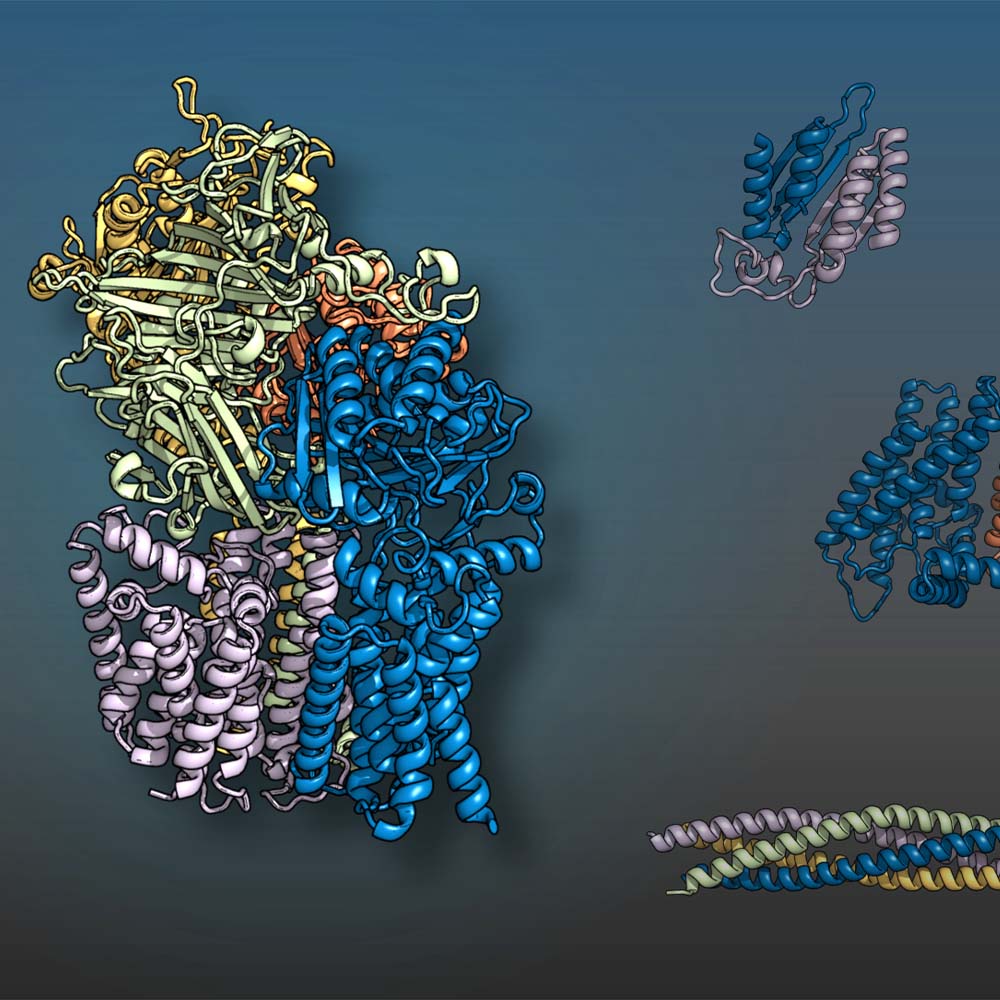
UT Southwestern and University of Washington researchers led an international team that used artificial intelligence (AI) and evolutionary analysis to produce 3D models of eukaryotic protein interactions.
How cancer cells don their invisibility cloaks - UT Southwestern, Dallas, Texas
https://www.utsouthwestern.edu/newsroom/articles/year-2020/how-cancer-cells-don-their-invisibility-cloaks.html
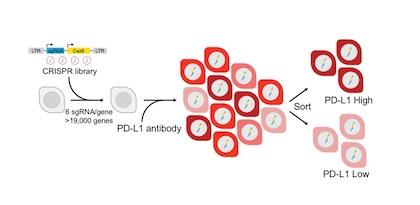
Immunotherapy drugs that target a protein called programmed death ligand 1 (PD-L1) on the surface of cancer cells have quickly become a mainstay to treat many forms of cancer, often with dramatic results.
Understanding the circadian clocks of individual cells: Newsroom - UT Southwestern, Dallas, Texas
https://www.utsouthwestern.edu/newsroom/articles/year-2020/understanding-the-circadian-clocks-of-individual-cells.html
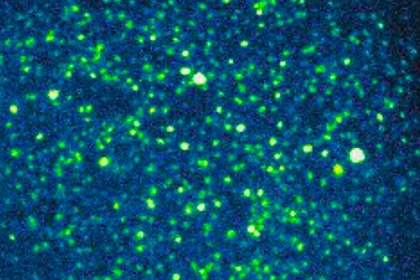
Two new studies led by UT Southwestern scientists outline how individual cells maintain their internal clocks, driven both through heritable and random means.
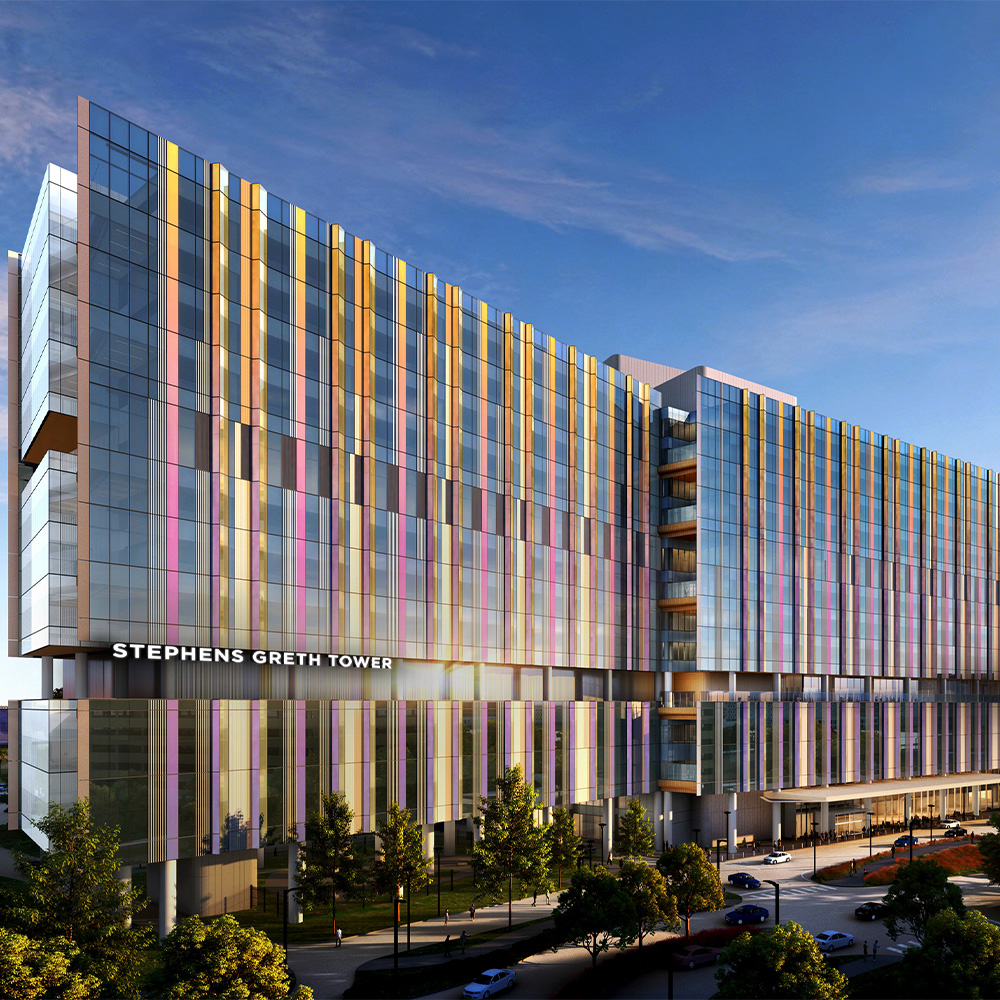
UT Southwestern and Children’s Health receive $100 million gift from The Stephens Greth Foundation for new pediatric campus: Newsroom - UT Southwestern, Dallas, Texas
https://www.utsouthwestern.edu/newsroom/articles/year-2026/april-npc-gift-greth-foundation.html
Neurons in a part of the brain known as the ventromedial hypothalamus (VMH) appear to direct the body to boost endurance in response to exercise, a study co-led by researchers at UT Southwestern Medical Center shows.
Tumors hijack the cell death pathway to live: Newsroom - UT Southwestern, Dallas, Texas
https://www.utsouthwestern.edu/newsroom/articles/year-2020/tumors-hijack-the-cell-death-pathway-to-live.html
Cancer cells avoid an immune system attack after radiation by commandeering a cell signaling pathway that helps dying cells avoid triggering an immune response
Study explores why fasting can lead to a longer lifespan: Newsroom - UT Southwestern, Dallas, Texas
https://www.utsouthwestern.edu/newsroom/articles/year-2026/april-fasting-and-refeeding-longer-lifespan.html
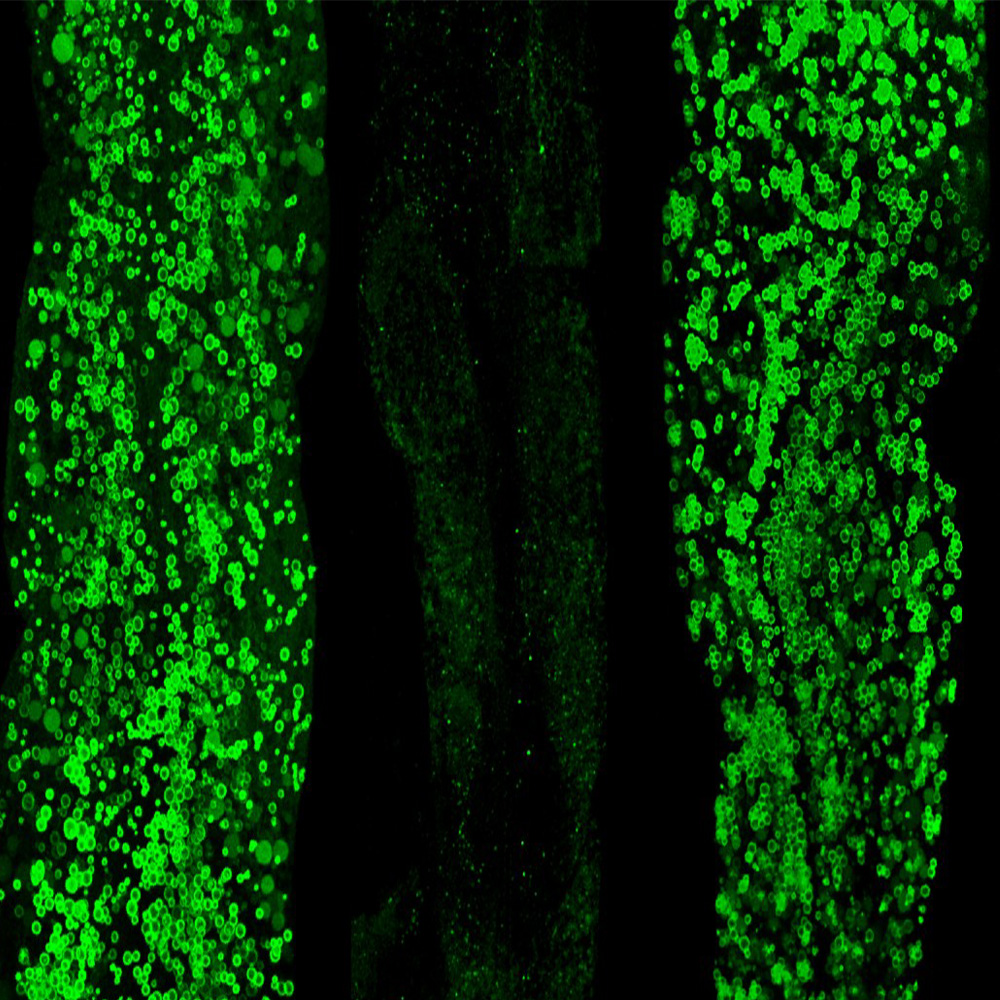
Restricting calories has long been recognized as a powerful way to live longer, with periods of intermittent fasting proving more effective than a steady diet. However, the mechanism behind this phenomenon has been unclear.
Human cells can exchange genomic DNA that alters cell behavior: Newsroom - UT Southwestern, Dallas, Texas
https://www.utsouthwestern.edu/newsroom/articles/year-2026/may-cri-human-cells-dna.html
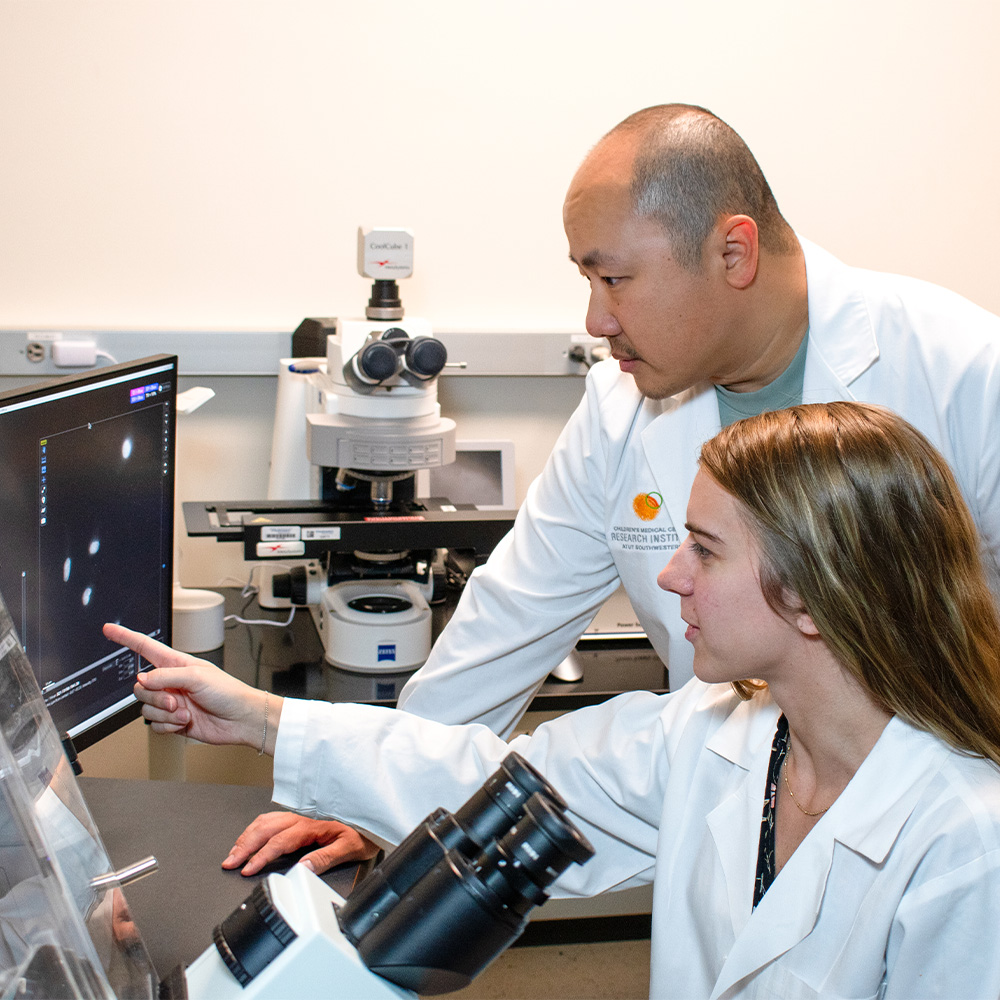
Scientists at Children’s Medical Center Research Institute at UT Southwestern (CRI) have discovered that large pieces of DNA can transfer directly between human cells, and the DNA can persist and change how the recipient cell functions.