
Search
Rewriting the cancer story: Newsroom - UT Southwestern, Dallas, Texas
https://www.utsouthwestern.edu/newsroom/articles/year-2026/july-rewriting-cancer-story.html
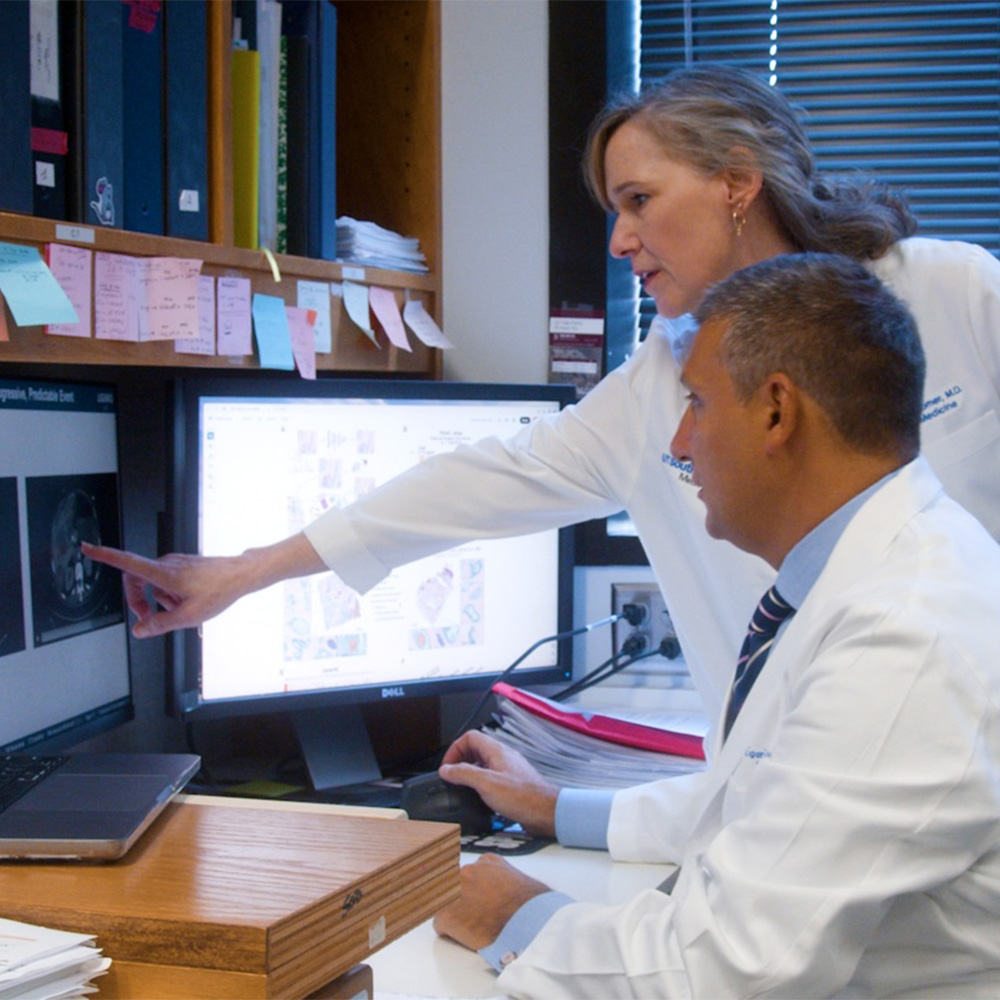
Matteo Ligorio’s phone started buzzing just after 3 a.m. The texts from a hospice nurse indicated “Patient 14” had just passed away, which meant Dr. Ligorio and his team had less than four hours to honor her dying wish.
New framework developed for treating liver cancer: Newsroom - UT Southwestern, Dallas, Texas
https://www.utsouthwestern.edu/newsroom/articles/year-2026/aug-treating-liver-cancer.html
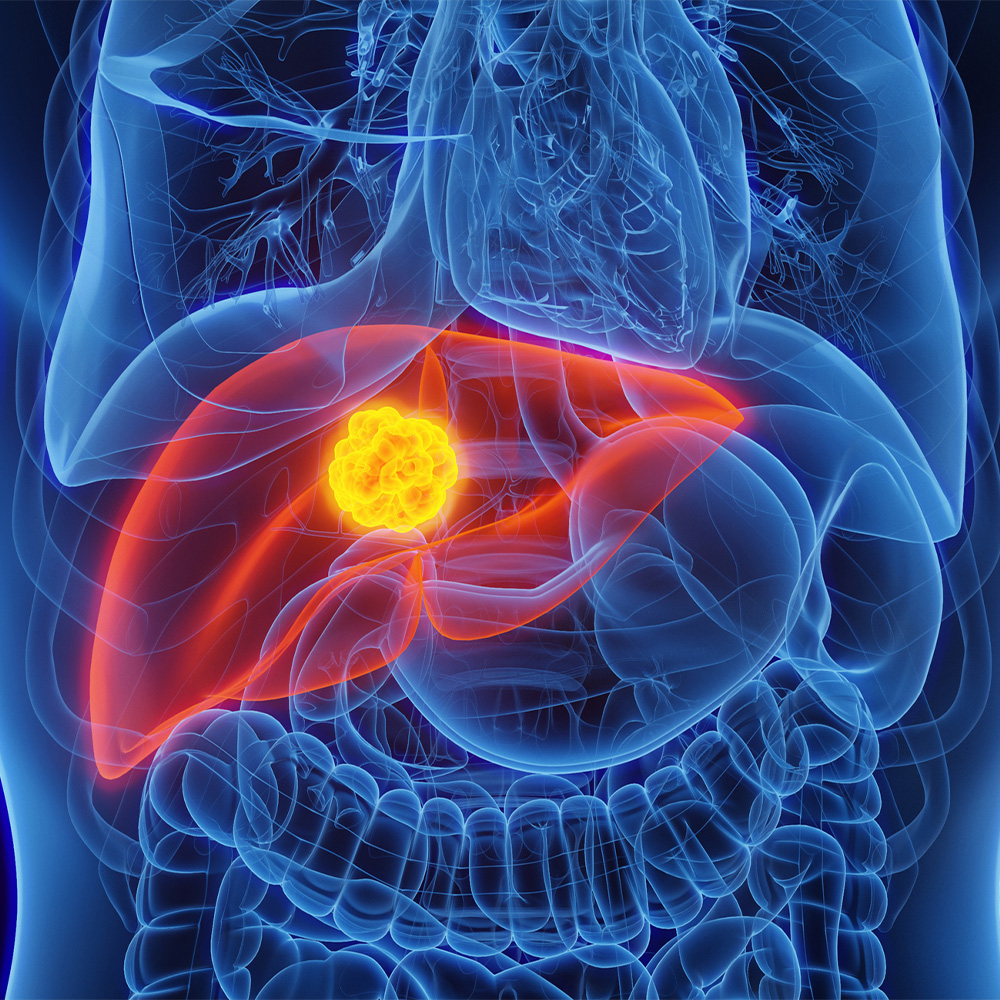
A multidisciplinary team co-led by Amit Singal, M.D., Chief of Hepatology and Director of the Liver Tumor Program in the Division of Digestive and Liver Diseases at UT Southwestern Medical Center, has developed new treatment recommendations for liver cancer that incorporate the latest research and an expanding range of therapeutic options.
New CAR T-cell therapy extends remission in heavily relapsed multiple myeloma patients: Newsroom - UT Southwestern, Dallas, Texas
https://www.utsouthwestern.edu/newsroom/articles/year-2021/new-car-t-cell-therapy.html
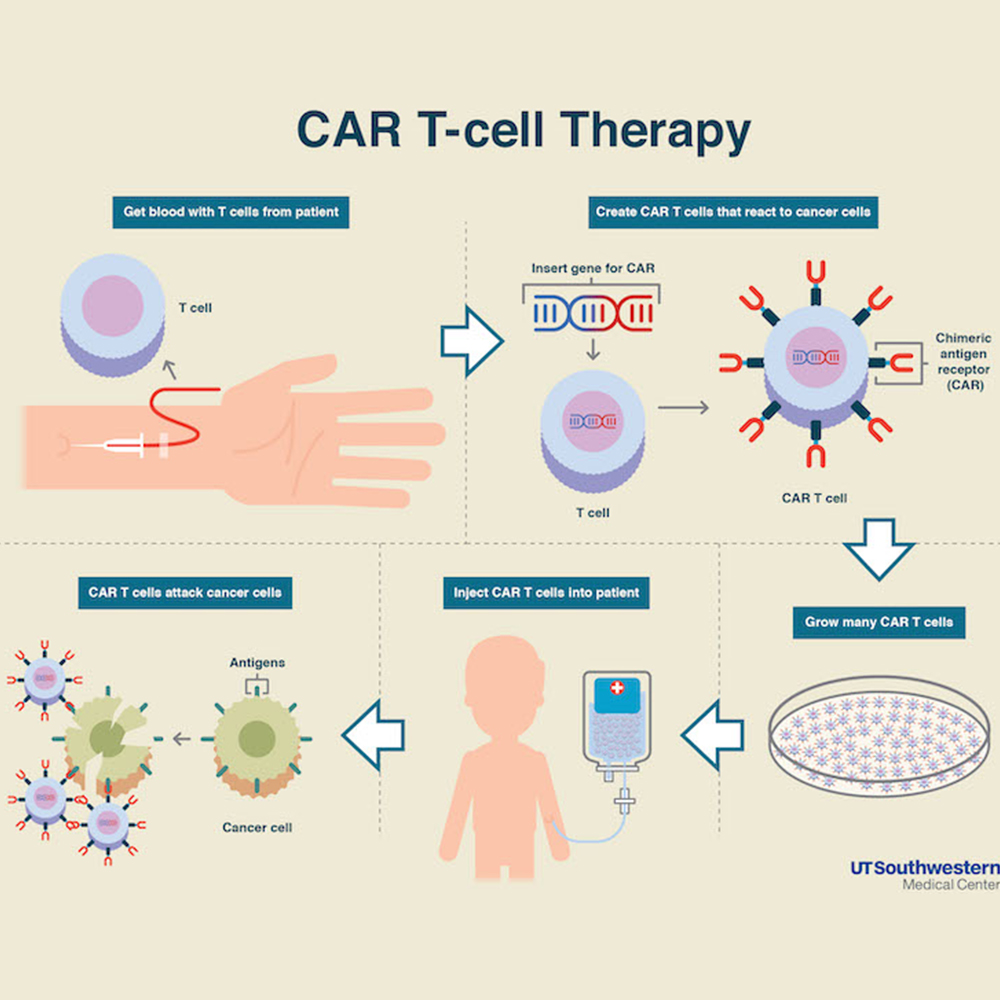
A new type of CAR T-cell therapy more than triples the expected length of remission for multiple myeloma patients who have relapsed several times, according to an international clinical trial with UT Southwestern as the lead enrolling site.
Reviving exhausted immune cells to fight cancer: Newsroom - UT Southwestern, Dallas, Texas
https://www.utsouthwestern.edu/newsroom/articles/year-2021/reviving-exhausted-immune-cells-to-fight-cancer.html
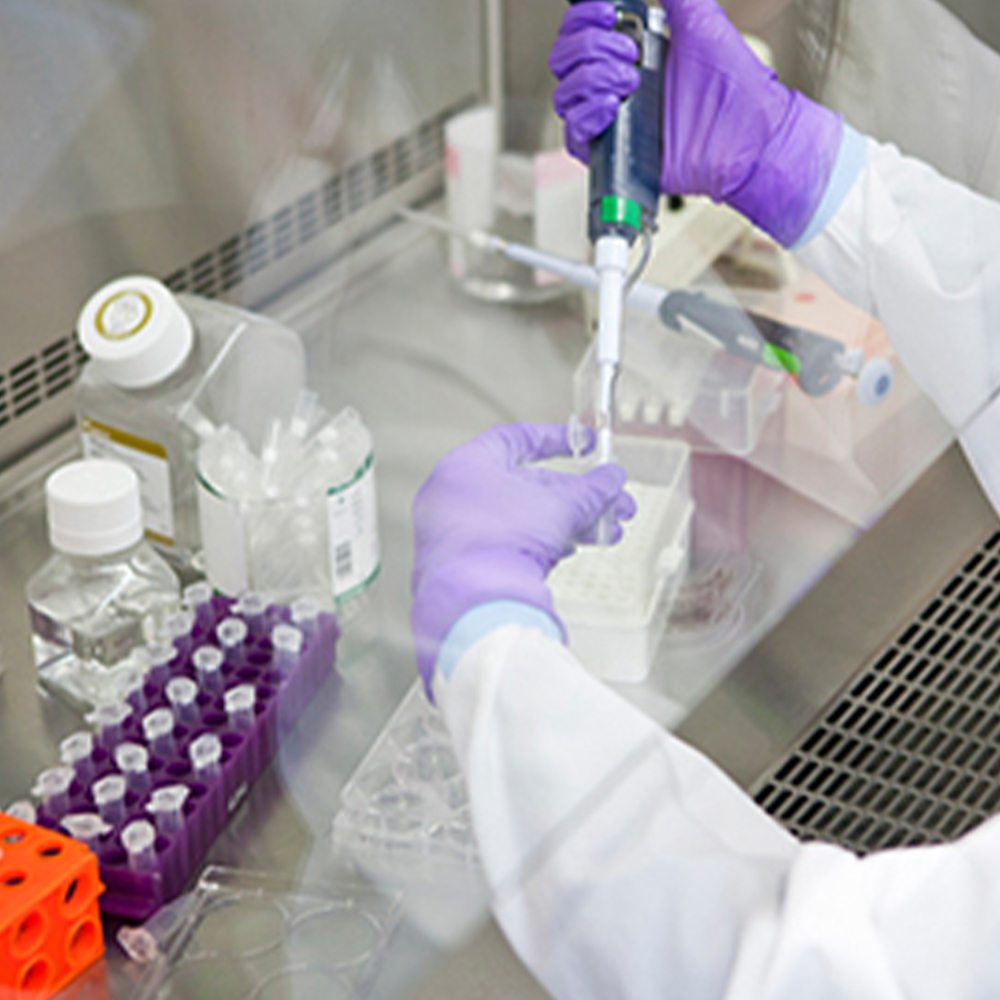
Eliminating a single gene can turn exhausted cancer-fighting immune cells known as CD8+ T cells back into refreshed soldiers that can continue to battle malignant tumors, a new study led by UT Southwestern researchers suggests.
Errant DNA boosts immunotherapy effectiveness: Newsroom - UT Southwestern, Dallas, Texas
https://www.utsouthwestern.edu/newsroom/articles/year-2020/errant-dna-boosts-immunotherapy-effectiveness.html
DNA that ends up where it doesn’t belong in cancer cells can unleash an immune response that makes tumors more susceptible to immunotherapy, the results of two UT Southwestern studies indicate.
The α7 protein is ready for its close-up: Newsroom - UT Southwestern, Dallas, Texas
https://www.utsouthwestern.edu/newsroom/articles/year-2021/the-a7-protein-is-ready-for-its-close-up.html
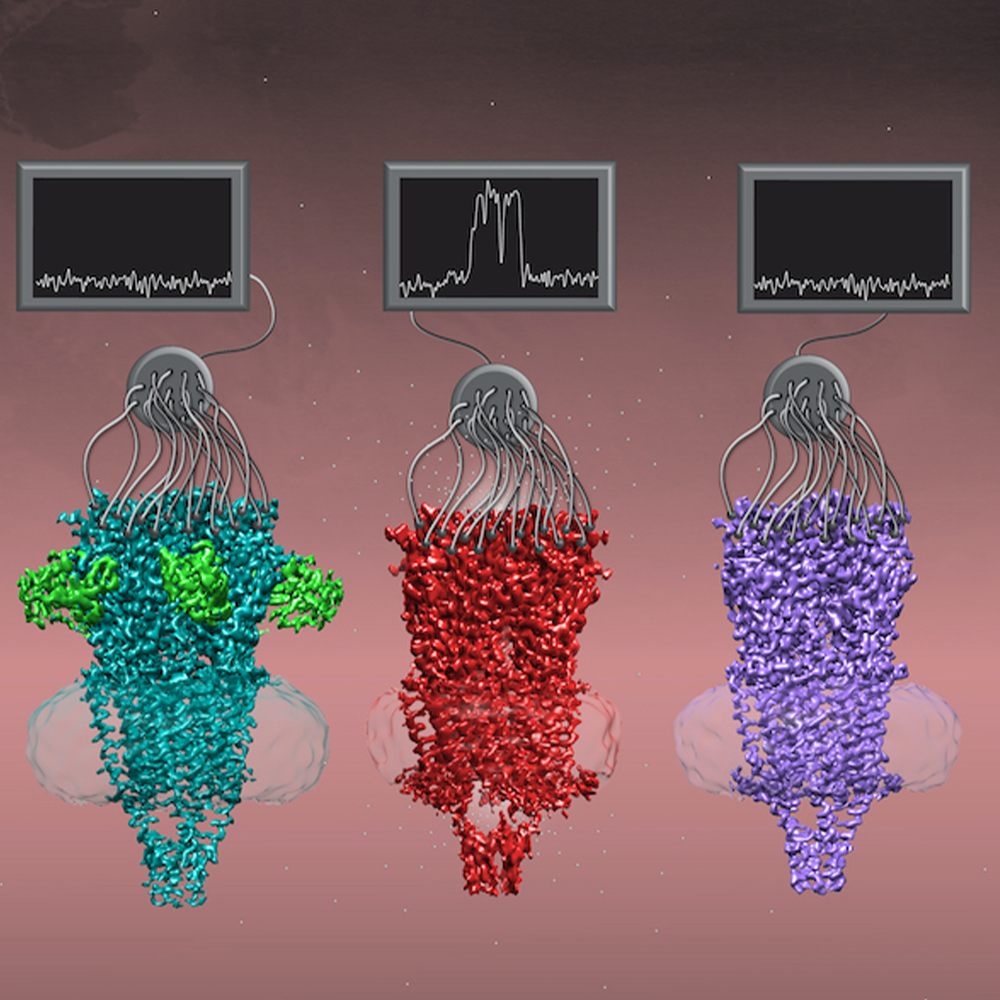
UT Southwestern researchers have identified the structure of a key member of a family of proteins called nicotinic acetylcholine receptors in three different shapes.
Bringing bad proteins back into the fold: Newsroom - UT Southwestern, Dallas, Texas
https://www.utsouthwestern.edu/newsroom/articles/year-2021/bringing-bad-proteins-back-into-the-fold.html
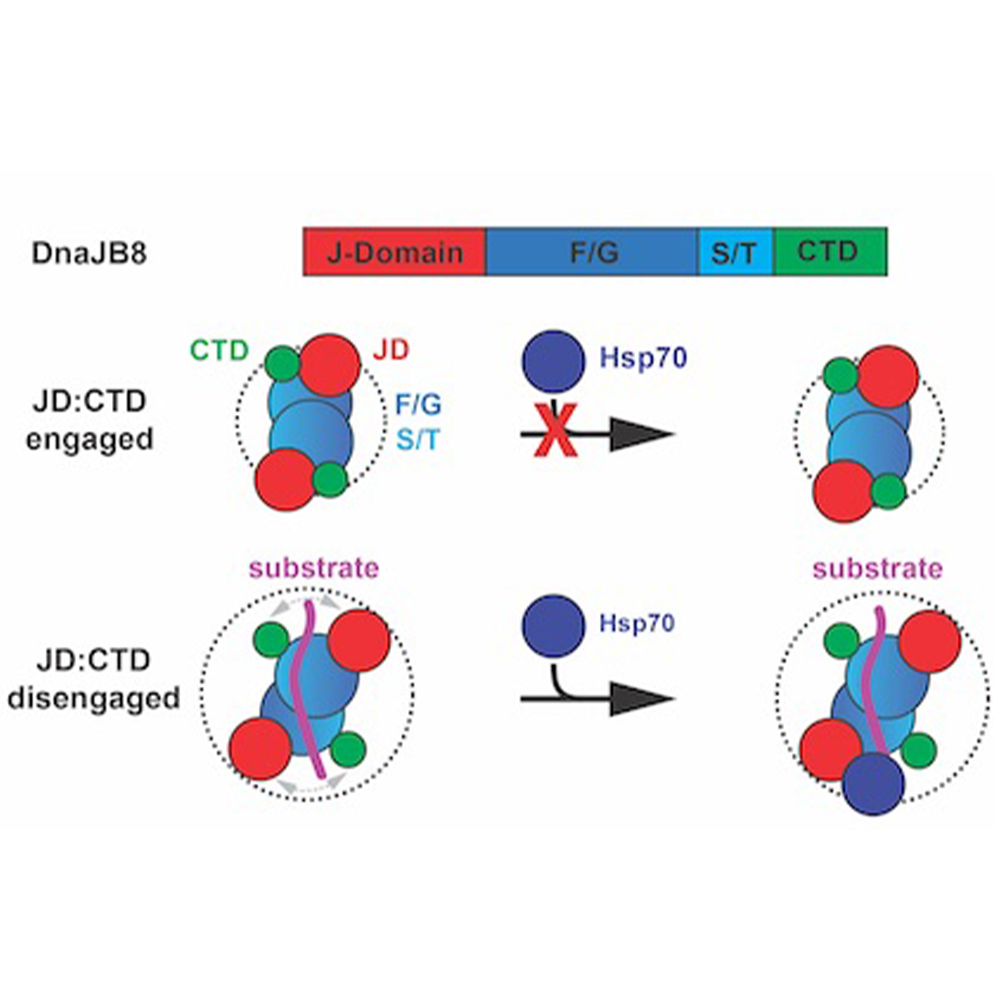
A new nanoparticle-based drug can boost the body’s innate immune system and make it more effective at fighting off tumors, researchers at UT Southwestern have shown.
Hope for children with bow hunter syndrome: Newsroom - UT Southwestern, Dallas, Texas
https://www.utsouthwestern.edu/newsroom/articles/year-2021/hope-for-children-with-bow-hunter-syndrome.html

Fusing the neck’s top two vertebrae can prevent repeat strokes in children with bow hunter syndrome, a rare condition that affects a handful of U.S. pediatric patients each year, UT Southwestern researchers suggest in a recent study.
Riding the wave to memory-forming genetics : Newsroom - UT Southwestern, Dallas, Texas
https://www.utsouthwestern.edu/newsroom/articles/year-2021/riding-the-wave-to-memory-forming-genetics.html
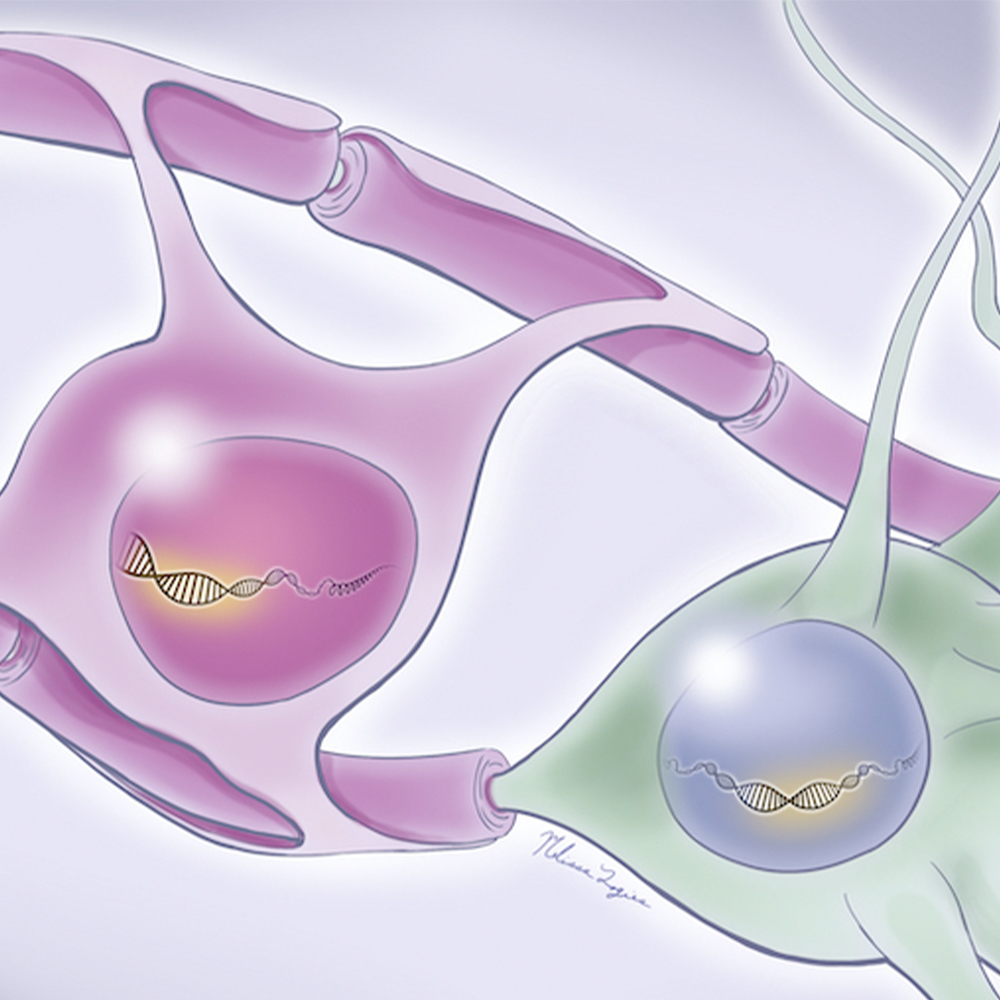
UT Southwestern scientists have identified key genes involved in brain waves that are pivotal for encoding memories.
Modified tau thwarts aggregation in neurodegenerative disease: Newsroom - UT Southwestern, Dallas, Texas
https://www.utsouthwestern.edu/newsroom/articles/year-2025/dec-tau-thwarts-aggregation-neurodegenerative-disease.html
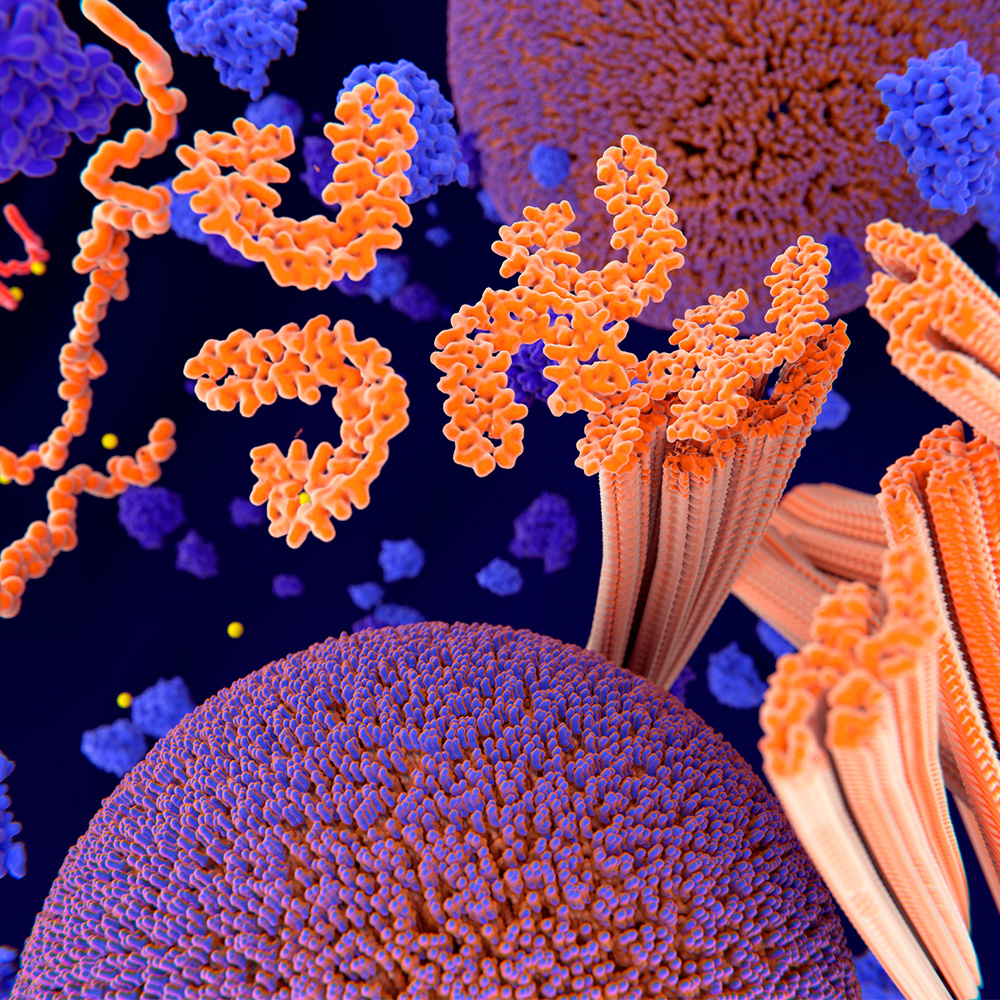
A designer version of the tau protein, developed by a team led by UT Southwestern Medical Center researchers, maintains its biological function while resisting aggregation, a pathological trait linked to neurodegenerative diseases called tauopathies.