
Search
At 25, the Dallas Heart Study is shaping cardiac care and exploring links to brain health: Newsroom - UT Southwestern, Dallas, Texas
https://www.utsouthwestern.edu/newsroom/articles/year-2025/aug-advancing-heart-health.html

Twenty-five years since its inception, the Dallas Heart Study (DHS) is recognized as one of the leading population-based studies of heart health in the U.S. It has spawned more than 230 research papers and produced major findings that have guided advancements in how cardiovascular disease, hypertension, and heart failure are treated.
UTSW study identifies factors affecting survival of patients with metastatic breast cancer : Newsroom - UT Southwestern, Dallas, Texas
https://www.utsouthwestern.edu/newsroom/articles/year-2025/oct-metastatic-breast-cancer.html

Researchers have identified factors associated with survival for patients initially diagnosed with metastatic breast cancer who were seen at UT Southwestern Medical Center and its affiliated sites.
Neurons in brain’s timekeeper might control nighttime hunger: Newsroom - UT Southwestern, Dallas, Texas
https://www.utsouthwestern.edu/newsroom/articles/year-2025/oct-neurons-brain-timekeeper.html
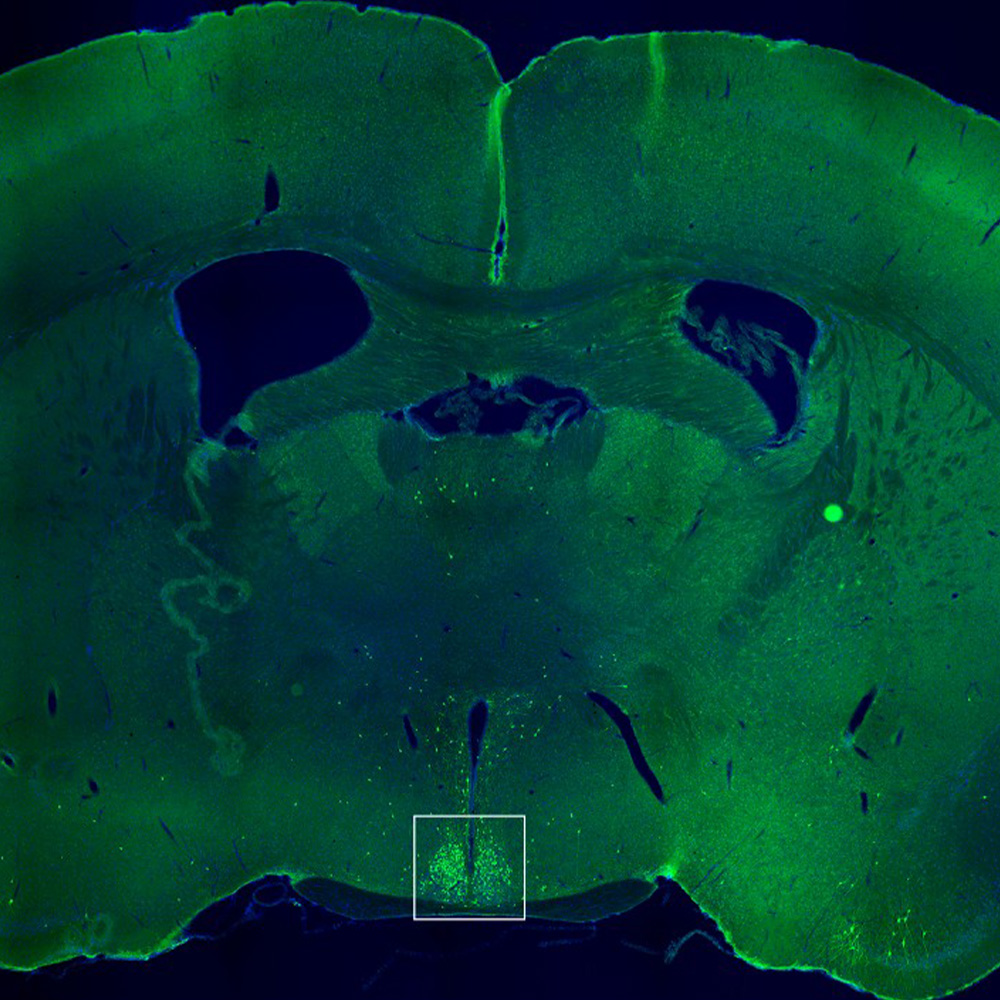
Activating specific neurons in a part of the brain that serves as the body’s master circadian pacemaker caused mice to eat significantly more during a time of day when they would normally be at rest, a UT Southwestern Medical Center study shows.
Antibodies block bacteria that cause tuberculosis, study shows: Newsroom - UT Southwestern, Dallas, Texas
https://www.utsouthwestern.edu/newsroom/articles/year-2026/feb-antibodies-block-bacteria.html
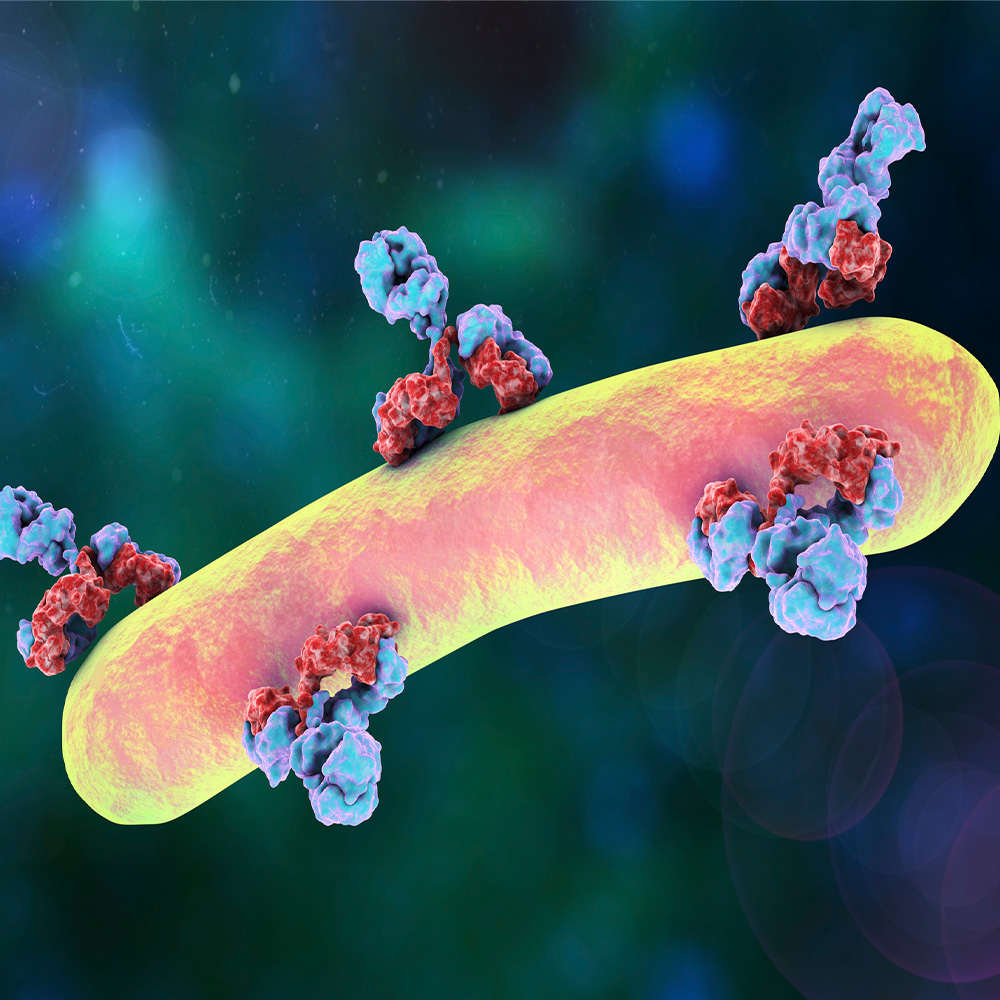
Antibodies that target specific tuberculosis (TB) proteins are effective at inhibiting the bacteria that cause TB, the infectious disease that claims the most lives worldwide, a study led by UT Southwestern Medical Center researchers found.
Stressors damage kidneys by mutating mitochondrial DNA : Newsroom - UT Southwestern, Dallas, Texas
https://www.utsouthwestern.edu/newsroom/articles/year-2025/oct-mutating-mitochondrial-dna.html
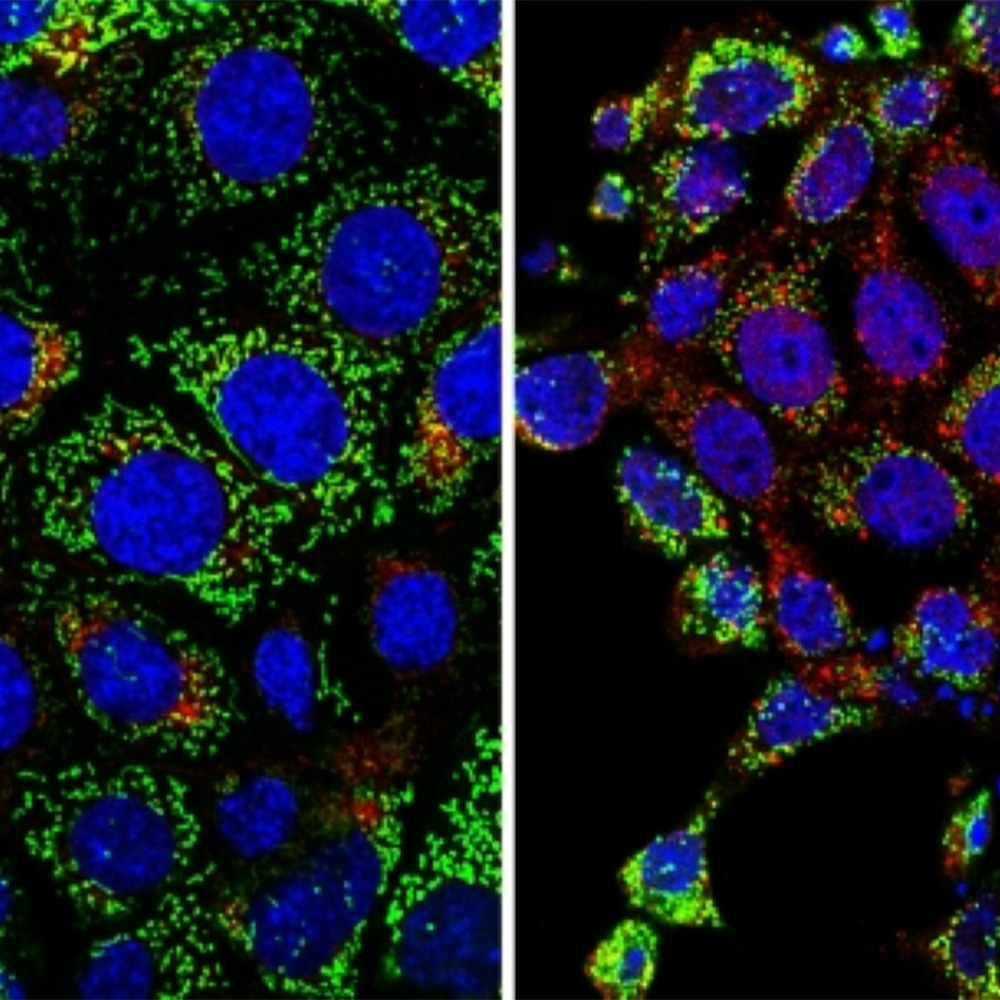
Kidney damage that seemingly heals appears to mutate the DNA in the mitochondria of kidney cells, making the organ less resilient to future stressors and reducing its function over time, a study led by UT Southwestern Medical Center researchers shows.
GLP-1 medication changes may support long-term weight management: Newsroom - UT Southwestern, Dallas, Texas
https://www.utsouthwestern.edu/newsroom/articles/year-2026/march-glp-1-medication-weight-management.html
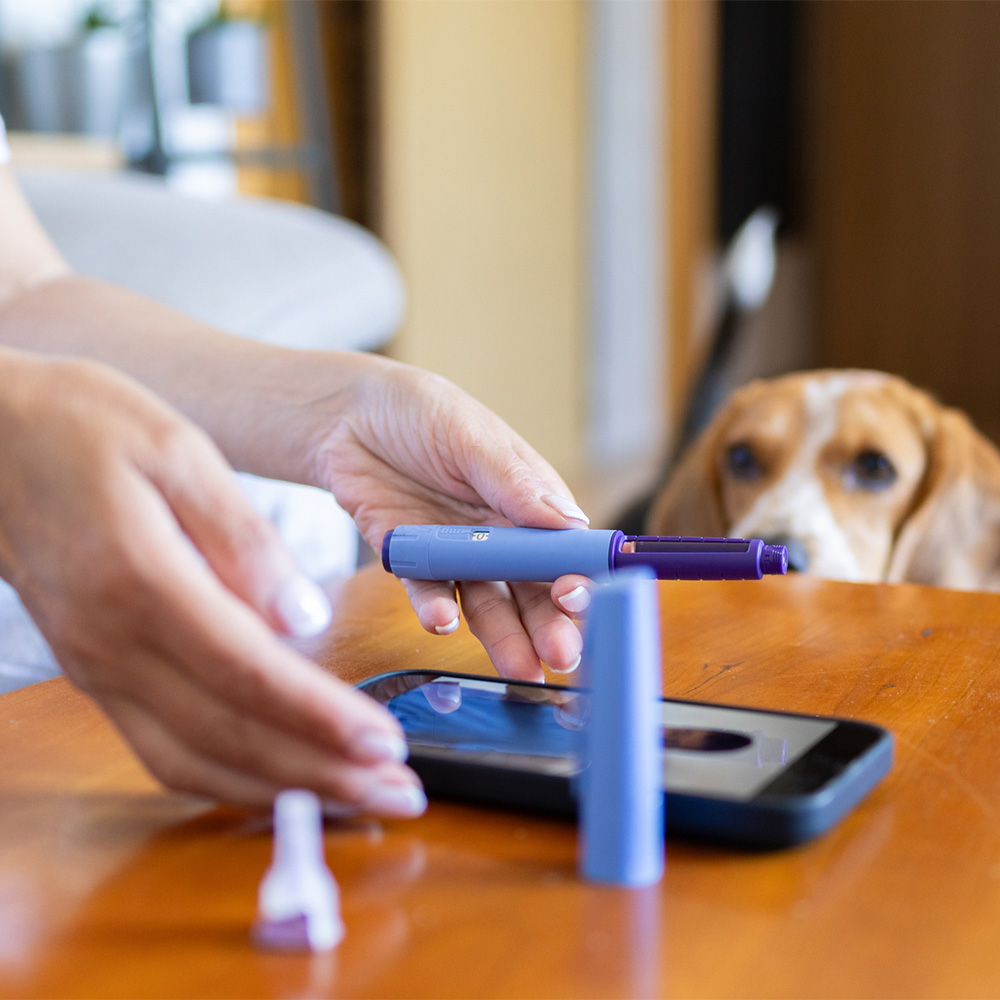
Overweight and obesity patients without diabetes who switched GLP-1 receptor agonist (GLP-1RA) drugs were more likely to stick with their treatment longer than those who didn’t switch, according to a new study by UT Southwestern Medical Center researchers.
Single-dose radiation before surgery can eradicate breast cancer: Newsroom - UT Southwestern, Dallas, Texas
https://www.utsouthwestern.edu/newsroom/articles/year-2025/nov-single-dose-radiation.html
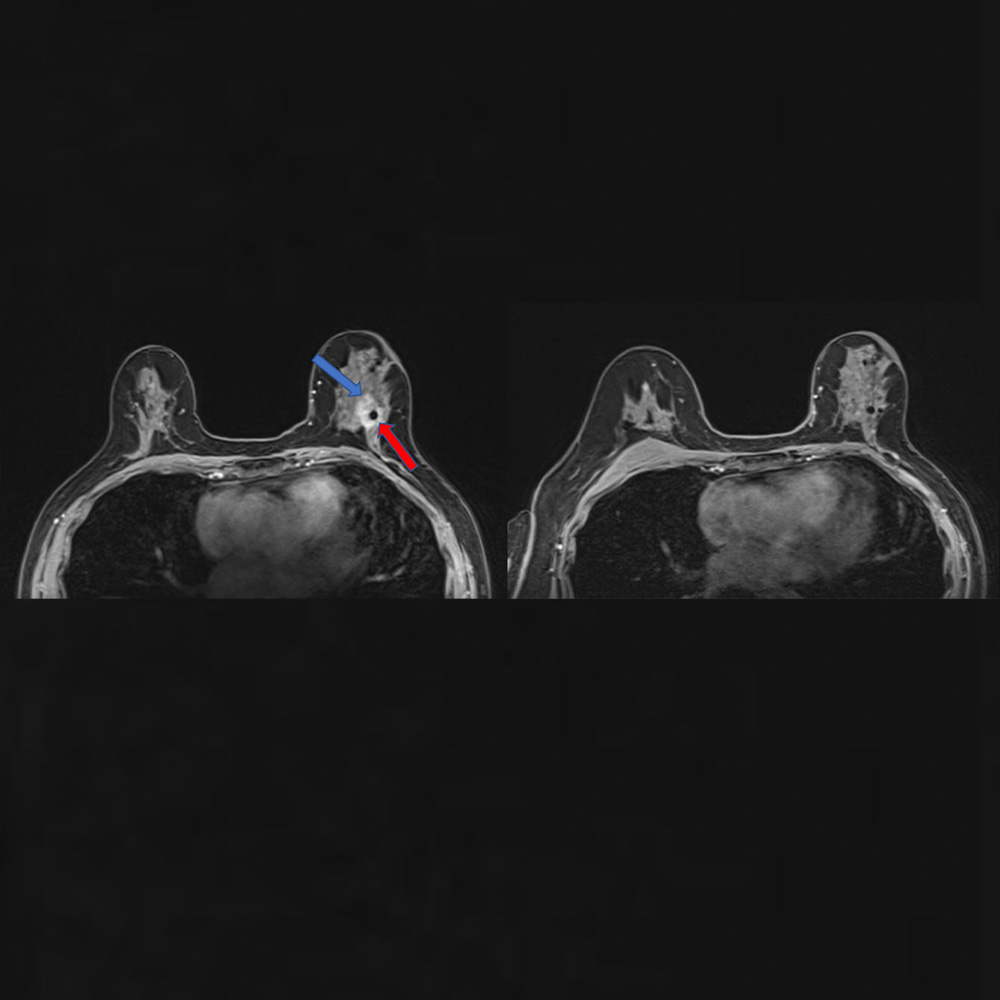
A single, high dose of radiation delivered before other treatments could completely eradicate tumors in most women with early-stage, operable hormone-positive breast cancer, according to a study led by UT Southwestern Medical Center researchers.
How to talk to children who have experienced traumatic events: Newsroom - UT Southwestern, Dallas, Texas
https://www.utsouthwestern.edu/newsroom/articles/year-2025/aug-children-traumatic-events.html

More than two-thirds of 16-year-olds today have been through a traumatic event, such as the Central Texas flooding in July that killed over 130 people, including numerous children at summer camp.
Ridding cells of mitochondria sheds light on their function: Newsroom - UT Southwestern, Dallas, Texas
https://www.utsouthwestern.edu/newsroom/articles/year-2025/july-ridding-cells-mitochondria.html
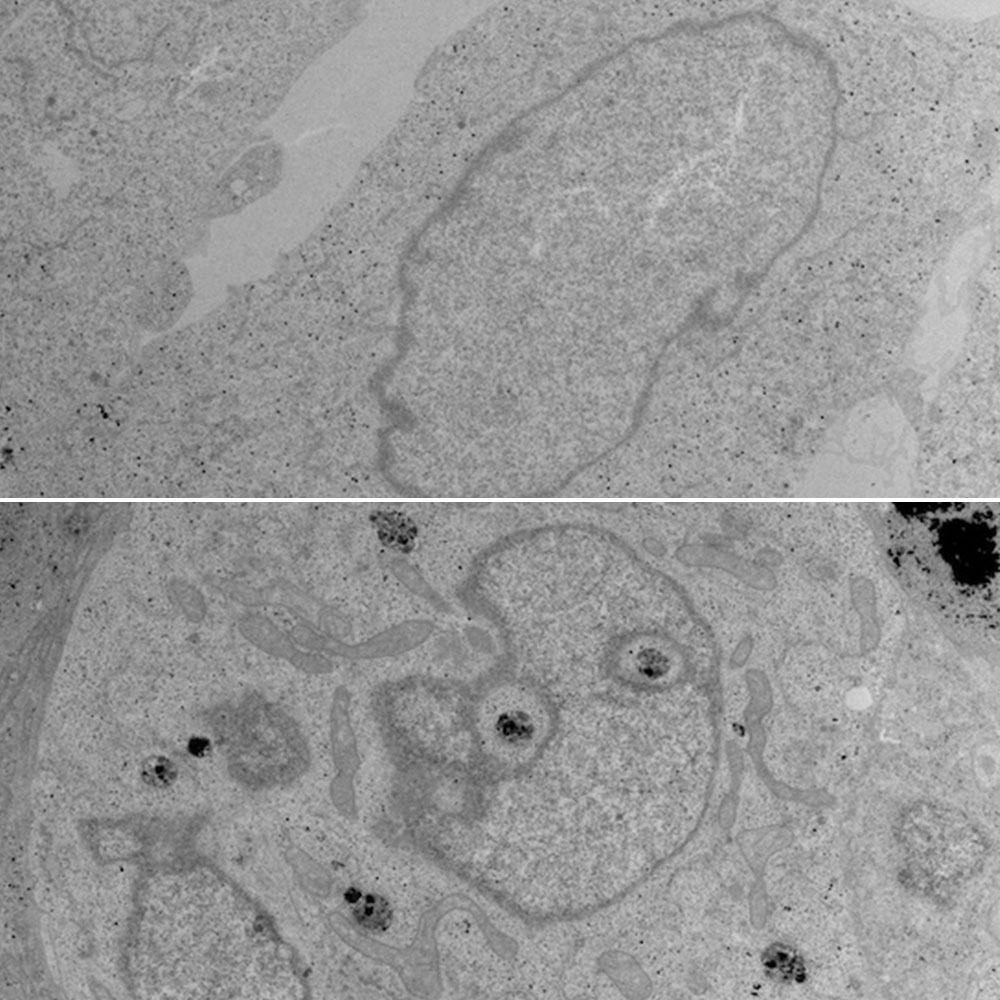
By using a genetic technique they developed that forces cells to rid themselves of mitochondria, UT Southwestern Medical Center researchers are gaining new insights into the function of these critical organelles.
Microprotein plays vital role in fat accumulation: Newsroom - UT Southwestern, Dallas, Texas
https://www.utsouthwestern.edu/newsroom/articles/year-2025/nov-microprotein-fat-accumulation.html
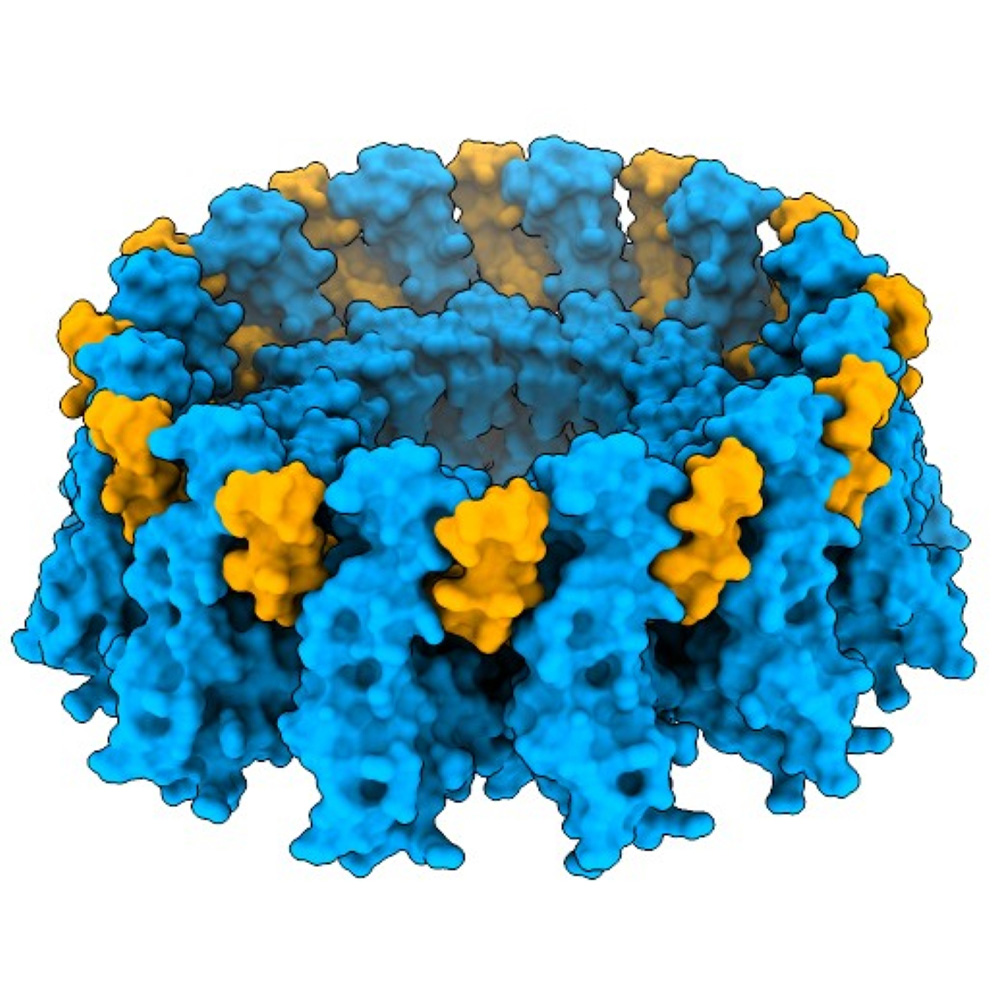
A microprotein called adipogenin appears to play a key role in helping fat cells store lipid droplets – a phenomenon that’s pivotal for metabolic health, a study co-led by UT Southwestern Medical Center researchers shows.