
CPRIT honors UTSW’s Argenbright with Texans Conquer Cancer Award
Recognition highlights statewide effort that has helped bring lifesaving cancer screening to hundreds of thousands of underserved Texans
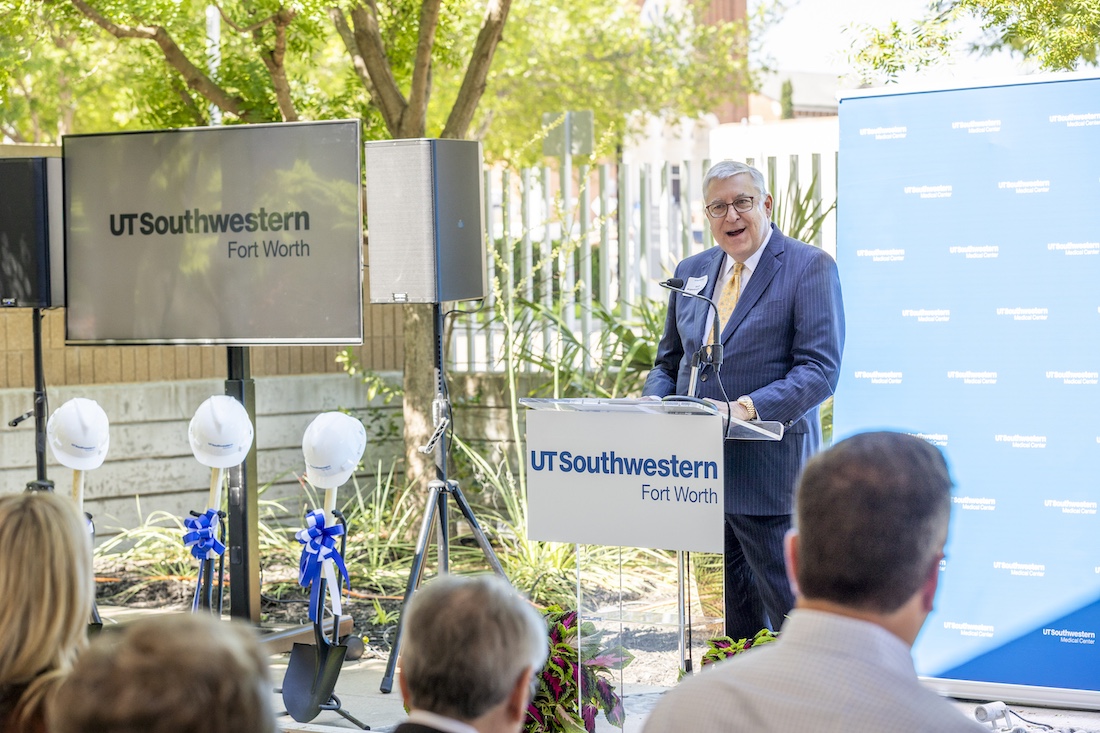
DALLAS – Oct. 08, 2026 – Keith Argenbright, M.D., Director of the Moncrief Cancer Institute at UT Southwestern Medical Center, received the 2026 Texans Conquer Cancer Award in Population Health from the Cancer Prevention and Research Institute of Texas (CPRIT) on Monday, Oct. 5, at the organization’s 2026 conference in Galveston. The award recognizes his nearly two decades of visionary leadership in expanding cancer screening and prevention services to underserved communities across Texas.
Dr. Argenbright, Professor in the Harold C. Simmons Comprehensive Cancer Center and Health Economics Systems and Policy in the Peter O’Donnell Jr. School of Public Health, has overseen more than $70 million in funding to support cancer screenings since joining UTSW in 2008. The Moncrief Cancer Institute/Simmons Cancer Center programs, which serve more than 100 rural and medically underserved counties across North, Central, and East Texas, provide breast, cervical, colorectal, lung, and prostate cancer screenings for approximately 30,000 uninsured and underinsured Texans annually. Since 2010, Dr. Argenbright and UTSW have received 17 CPRIT Prevention grants since 2010, totaling $32 million.
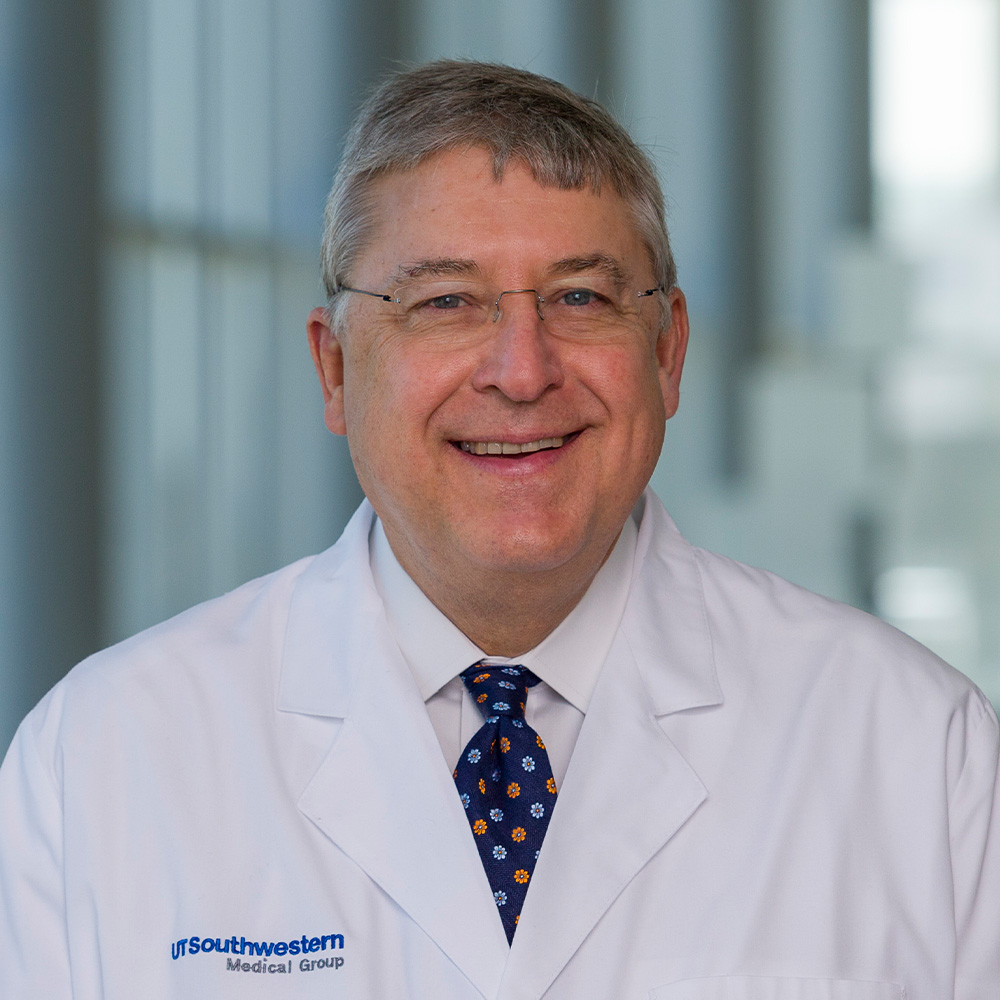
“Keith has transformed access to cancer prevention services for some of the most vulnerable populations in our state,” said Carlos L. Arteaga, M.D., Director of the Simmons Cancer Center and Associate Dean of Oncology Programs at UTSW. “His work with CPRIT and our community outreach programs demonstrates that where someone lives or their ability to pay should never determine whether they have access to potentially lifesaving cancer screenings.”
Since receiving its first CPRIT prevention grants in 2010 for breast and at-home colorectal cancer screenings, Moncrief Cancer Institute, located in Fort Worth’s Medical District, has built one of the state’s largest community-based cancer screening networks. The programs reach a service area with millions of uninsured and underinsured residents, and Dr. Argenbright’s team has built effective partnerships with rural hospitals, clinics, employers, faith communities, civic organizations, and local governments.
“Collectively, we’ve helped bring care closer to home for communities across Texas. And by focusing on early detection, we are giving patients more options, more opportunities, and often a better chance at survival,” said Dr. Argenbright, who accepted the award via recorded video message. “This honor belongs to the dedicated clinicians, patient navigators, community partners, and outreach teams who have worked tirelessly to make sure cancer screening is available to people who need it, regardless of where they live or how much they can pay.”
Prevention pays off in other ways, too.
For every dollar invested in the screening programs, between $5 and $6 is saved by individuals and health systems, Dr. Argenbright said, because the earlier a cancer is diagnosed, the less expensive it is to treat.
“Every cancer found through these programs represents a person whose future may have been changed because the disease was detected early,” said David E. Gerber, M.D., Professor of Internal Medicine in the Division of Hematology and Oncology and co-Director of the Office of Education and Training in the Simmons Cancer Center, who nominated Dr. Argenbright for the award. “Keith has devoted his career to ensuring that people who might otherwise fall through the cracks have access to screening and care. His vision, persistence, and ability to bring people together have directly improved and saved lives across Texas.”
According to Dr. Gerber’s nomination, Moncrief/Simmons CPRIT-supported programs have detected 1,461 cancer precursors and 2,951 cancers since 2010, with approximately 70% of those cancers identified at a localized stage, compared with 48% statewide.
In addition to directing UTSW’s Moncrief Cancer Institute, which is expanding its reach in Fort Worth with a new $177 million radiation oncology center that is projected to open in 2028, Dr. Argenbright has been a leader in public health education, mentorship, and cancer prevention policy. He earned the UT Regents’ Outstanding Teaching Award in 2014. As a member of CPRIT’s Prevention Advisory Committee, he supported efforts that contributed to the state’s Colorectal Cancer Treatment Pilot Program, which helps bridge the gap between cancer screening and treatment for uninsured Texans.
For Dr. Gerber, the award recognizes that Dr. Argenbright’s impact will extend well beyond any single program.
“Keith has built something that will continue improving lives long into the future,” Dr. Gerber said. “He hasn’t just expanded access to cancer screening. He’s created partnerships, trained future leaders, and developed systems that will help more Texans benefit from early detection for years to come.”
For more information about the Texans Conquer Cancer Award honorees, please visit cprit.texas.gov.
Dr. Argenbright is a Distinguished Teaching Professor. Dr. Arteaga holds the Annette Simmons Distinguished University Chair in Breast Cancer Research. Dr. Gerber holds the David Bruton, Jr. Professorship in Clinical Cancer Research.
About UT Southwestern Medical Center
UT Southwestern, one of the nation’s premier academic medical centers, integrates pioneering biomedical research with exceptional clinical care and education. The institution’s faculty members have received six Nobel Prizes and include 28 members of the National Academy of Sciences, 26 members of the National Academy of Medicine, and 14 Howard Hughes Medical Institute Investigators. The full-time faculty of nearly 3,400 is responsible for groundbreaking medical advances and is committed to translating science-driven research quickly to new clinical treatments. UT Southwestern physicians in more than 80 specialties care for more than 143,000 hospitalized patients, attend to more than 470,000 emergency room cases, and oversee nearly 5.3 million outpatient visits a year.