
UT Southwestern helps advance state, national efforts to strengthen nutrition education in medical schools
Led by Culinary Medicine Director Jaclyn Albin, M.D., UTSW has created a road map for training programs that prepare future clinicians to combat chronic disease
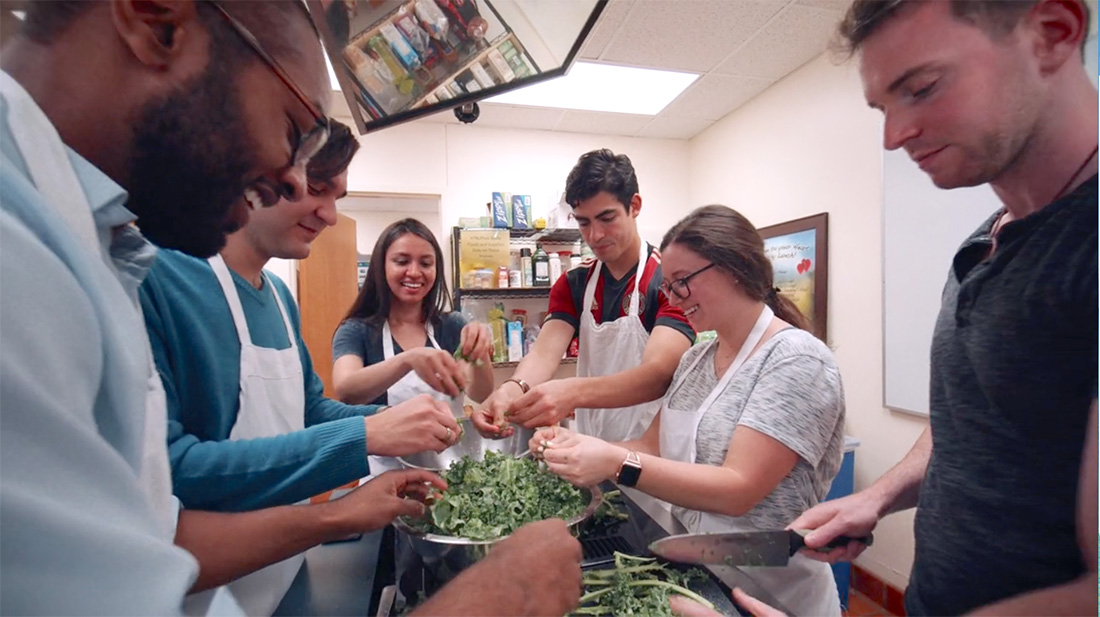
DALLAS – March 06, 2026 – UT Southwestern, one of the first medical schools in the country to integrate culinary medicine and nutrition education into its curriculum, is partnering with the U.S. Department of Health and Human Services (HHS) and more than 50 other top medical schools to launch a program promoting more widespread, meaningful nutrition training for future doctors.
Starting in fall 2026, 53 universities in 31 states will require every medical student to complete at least 40 hours of comprehensive nutrition education or a competency equivalent before graduating. HHS will dedicate $5 million through a multiphase National Institutes of Health (NIH) nutrition education challenge to support the schools’ development of programs, research, and coursework focused on evidence-based nutrition science.
UT Southwestern was the first medical center in the country to license the Health Meets Food educational curriculum from the American College of Culinary Medicine in 2015, starting at Moncrief Cancer Institute in Fort Worth, where culinary dietitian Milette Siler, M.B.A., RD, LD, began classes for cancer survivors.
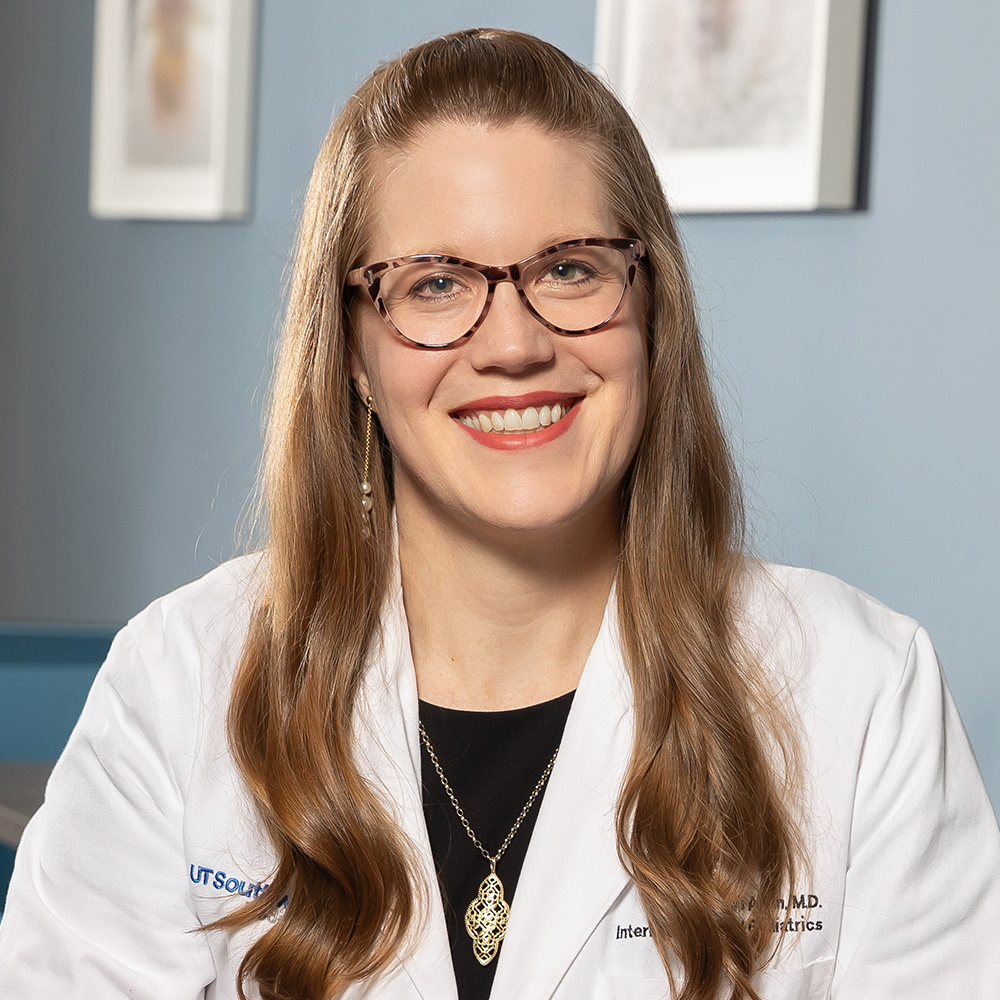
In 2017, Jaclyn Albin, M.D., Associate Professor of Pediatrics and Internal Medicine and in the Peter O’Donnell Jr. School of Public Health, founded UT Southwestern’s Culinary Medicine program in partnership with Ms. Siler.
Since then, UT Southwestern has been at the forefront of implementing nutrition training for medical students and residents. Dr. Albin participated in a national consensus process of nutrition and education experts to propose 36 competencies to incorporate into the medical education of physician trainees. The consensus statement was published in JAMA Network Open in 2024.
Additionally, Dr. Albin serves as Chair of the Texas Nutrition Advisory Committee, established last year to develop nutrition guidance and education for health professionals and medical schools. She hopes the state-level efforts will complement broader national conversations.
There is growing recognition across medicine and public health that nutrition plays a major role in health outcomes, and it has historically been underemphasized in medical training.
“At UT Southwestern, we’ve been advancing this work for years, and as it evolves nationwide, it will be important for initiatives at the federal, state, and institutional levels to develop thoughtfully so they reinforce one another and remain grounded in strong scientific evidence,” Dr. Albin said. “Ultimately, the goal is the same: ensuring health professionals are prepared to help patients use nutrition as part of improving and maintaining their health.”
Each year, about 1 million Americans die from diet-related chronic diseases, according to HHS. Despite definitive evidence that nutrition education is an effective tool for disease prevention, about 75% of U.S. medical schools do not require clinical nutrition classes, research published in 2024 shows.
UT Southwestern has been a notable exception in this area, having incorporated more than the HHS proposed minimum of 40 hours of nutrition education into its medical school curriculum to date.
Eat for Health is a required, experiential course that connects dietary patterns to health outcomes while teaching practical skills for discussing nutrition with patients. And the Culinary Medicine elective with Health Meets Food curriculum remains one of the most popular classes at UTSW year after year, alongside the flexible, self-paced Building a Food Foundation course available to fourth-year medical students.
The success of the institution’s instructional initiatives has carried over to direct patient care as well.
Dr. Albin co-founded the culinary medicine clinical service line with Ms. Siler, also lead dietetic instructor at UTSW. Their work attempts to remove barriers to health, such as a lack of understanding and food access. UTSW was also believed to be the first medical center in the country to adopt a new cost-efficient model for sustainable community partnerships. Faith-based organizations offer space for instructional classes while the cost of services is covered by insurance-billable medical care due to the application of group experiences to individual needs.
“Incorporating nutrition education and support into patient care has long been a challenge,” Dr. Albin said. “The ‘food is medicine’ principles are finally gaining broader acceptance in the medical community, and the multifaceted approach we are pioneering at UT Southwestern is an effective way of helping clinicians and patients alike in the journey to improve health and promote thriving.”
About UT Southwestern Medical Center
UT Southwestern, one of the nation’s premier academic medical centers, integrates pioneering biomedical research with exceptional clinical care and education. The institution’s faculty members have received six Nobel Prizes and include 24 members of the National Academy of Sciences, 25 members of the National Academy of Medicine, and 13 Howard Hughes Medical Institute Investigators. The full-time faculty of more than 3,300 is responsible for groundbreaking medical advances and is committed to translating science-driven research quickly to new clinical treatments. UT Southwestern physicians in more than 80 specialties care for more than 143,000 hospitalized patients, attend to more than 470,000 emergency room cases, and oversee nearly 5.3 million outpatient visits a year.