
UTSW first in Texas to offer novel treatment for rare eye cancer that spreads to the liver
Hepzato Kit is a breakthrough therapy designed to help patients with metastatic uveal melanoma who have few other options
DALLAS – Jan. 16, 2026 – A team at UT Southwestern Medical Center this week became the first in Texas and neighboring states to successfully perform a novel procedure to deliver whole-liver chemotherapy to treat metastatic uveal melanoma, a rare and deadly eye cancer.
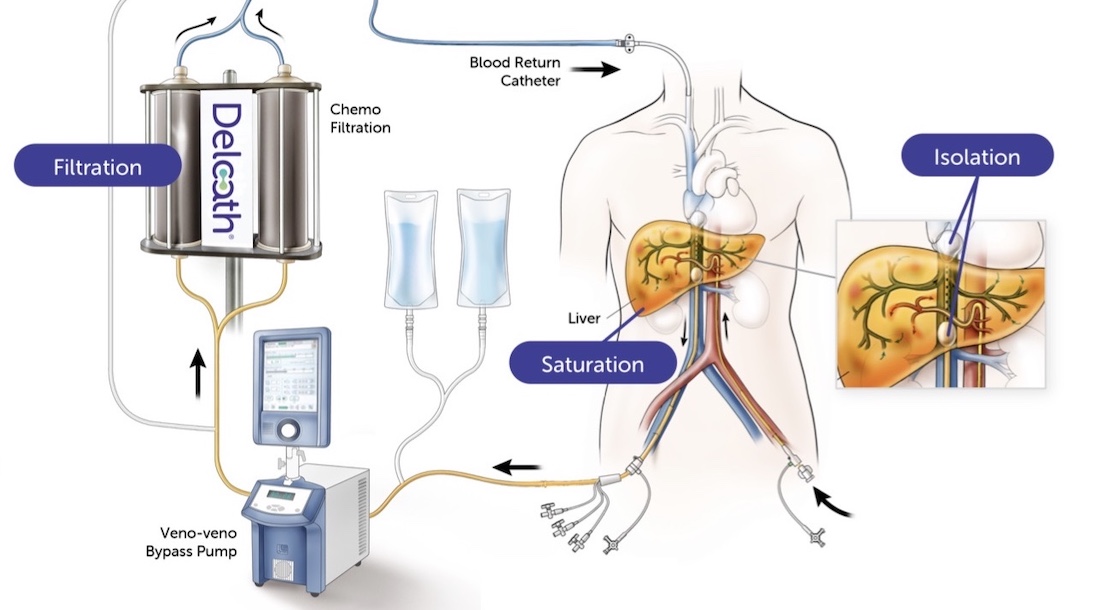
Tumors spread to the liver in up to 90% of metastatic uveal melanoma cases. Approved for use in adult patients by the Food and Drug Administration in 2023, Hepzato Kit involves a percutaneous hepatic perfusion (PHP) delivery method utilizing a series of specialized balloon catheters and filtration units to isolate the liver blood flow and deliver high doses of the chemotherapy drug melphalan via the hepatic artery to the entire liver.
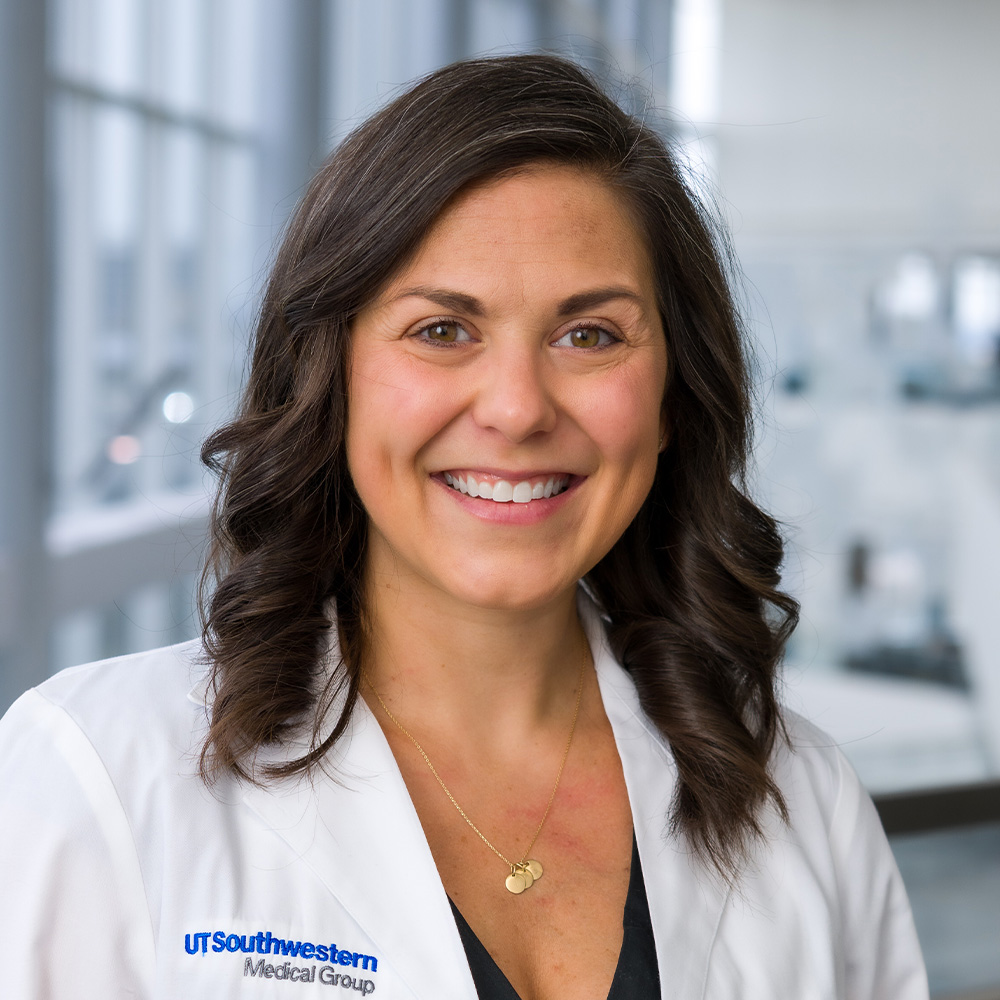
Adrienne Shannon, M.D., Assistant Professor of Surgery and a surgical oncologist at UT Southwestern, led the team during Thursday’s procedure to treat a 72-year-old man with multifocal hepatic tumors. Dr. Shannon previously participated in this procedure at Moffitt Cancer Center in Tampa, Florida, before she joined the faculty at UT Southwestern in 2025.
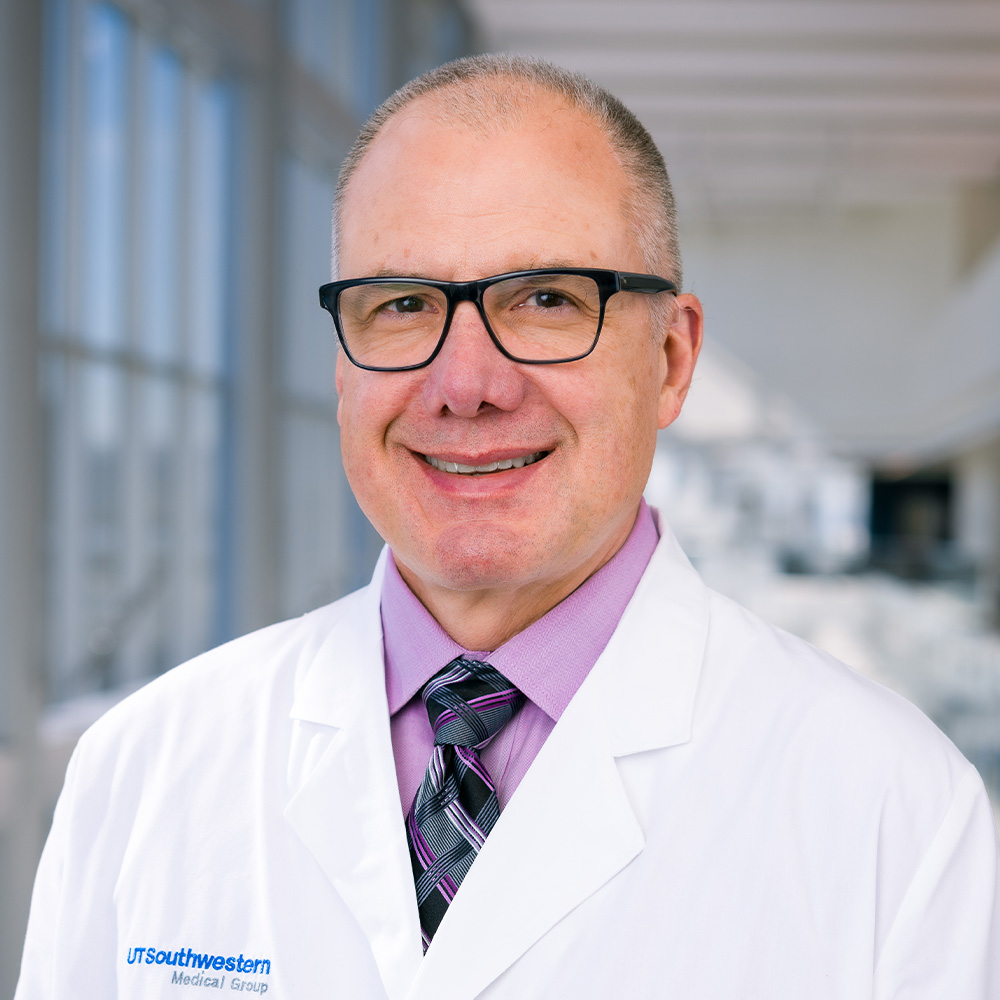
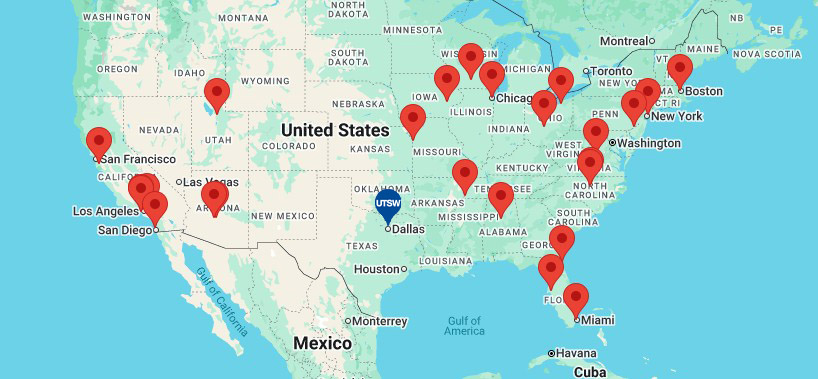
Hepzato is only available on a selective basis under a risk evaluation and mitigation strategy (REMS), and fewer than three dozen medical centers nationwide currently offer the therapy. Dr. Shannon worked with a highly trained team of UT Southwestern staff and fellow faculty members to deliver the therapy. They include interventional radiologists led by Sanjeeva Kalva, M.D., Patrick Sutphin, M.D., Ph.D., and Seung Kim, M.D., M.B.A.; anesthesiologists led by Steven Zheng, M.D.; and perfusionists. Dr. Kalva is a member of the Harold C. Simmons Comprehensive Cancer Center at UT Southwestern.
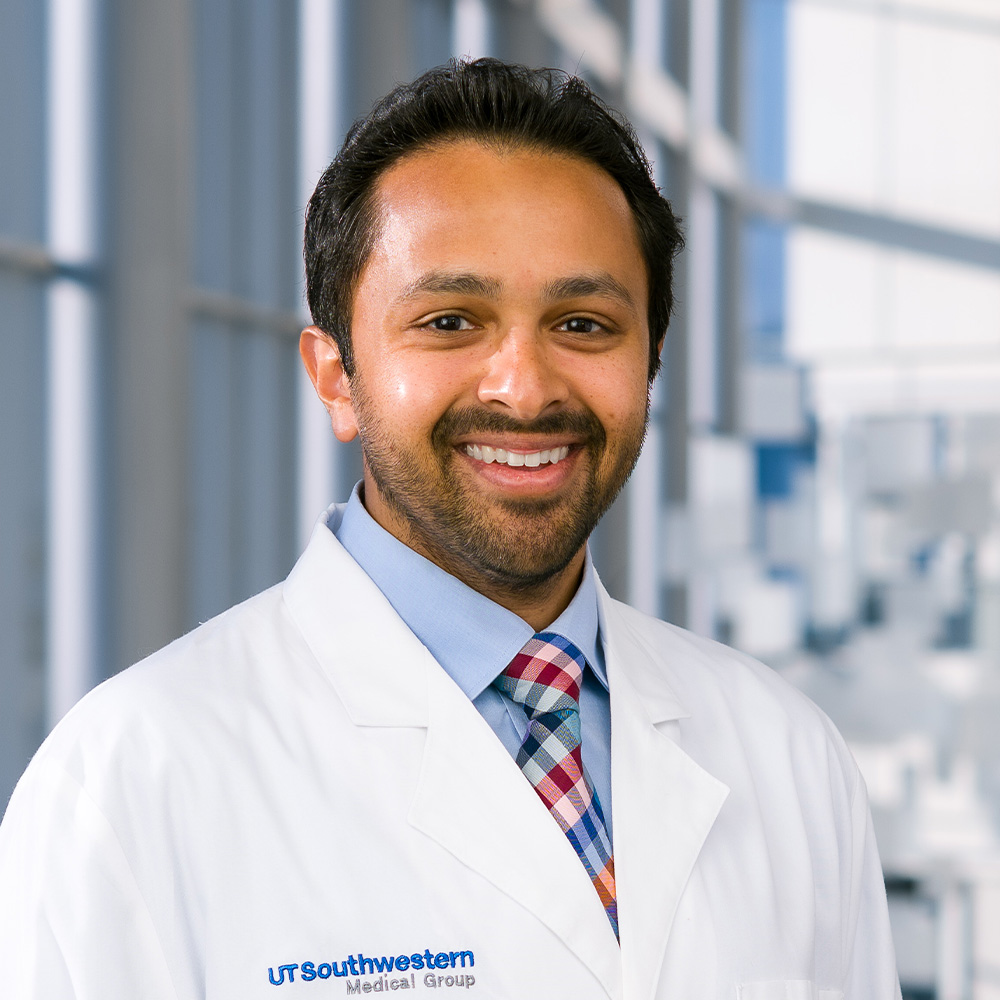
“Hepzato is the only FDA-approved treatment that treats the whole organ and has been proved to shrink tumors, translating into more effective disease control and potential survival benefit,” said Sanjay Chandrasekaran, M.D., Assistant Professor of Internal Medicine in the Division of Hematology and Oncology and the physician lead for the Multi-Histology and Precision Oncology Program (MPOP) Disease Oriented Team in the Simmons Cancer Center. He is also a Eugene P. Frenkel, M.D. Scholar in Clinical Medicine.
Dr. Chandrasekaran’s practice focuses on treating patients with uveal melanoma, melanoma, and other skin cancers.
“Having the ability to offer Hepzato to our patients is so important. Treating this deadly disease is about creating opportunity – the opportunity for patients to have access to a wide scope of options, including systemic therapies, clinical trials, and liver-directed treatments,” said Dr. Chandrasekaran, who has received institutional funding to grow the uveal melanoma program at UT Southwestern.
Uveal melanoma is a rare cancer that develops in ocular cells that create melanin. It accounts for about 5% of U.S. melanoma cases. About 50% of uveal melanoma patients are at risk for metastatic disease, sometimes years after successful treatment of the primary eye tumor.
Melphalan, a chemotherapy drug that targets tumor cells by binding to and cross-linking DNA strands and halting their replication, is infused directly into the liver’s main artery. The proprietary drug/device from Delcath Systems Inc. relies on veno-venous bypass and an extracorporeal filter system to effectively contain the drug within the liver and its blood vessels, allowing high doses to be delivered with limited systemic side effects.
A multicenter phase three study (the FOCUS trial) included 91 individuals who received Hepzato. It showed that 36.3% of patients experienced shrinkage of their tumors, including 7.7% who experienced a complete response or disappearance of liver lesions. The majority of tumor responses were seen after the first two cycles of therapy. The FOCUS study also found an overall survival rate of 80% after one year, and 65% of patients were progression-free at six months.
During the treatment, an interventional radiologist uses fluoroscopic imaging to place a double-balloon catheter in the inferior vena cava, isolating the liver’s vasculature. After the patient is transitioned to veno-venous bypass, a high dose of melphalan is injected into the hepatic artery to perfuse the liver for 30 minutes. It is then diverted to a filtration system designed to extract the drug from the patient’s system before blood is returned to the patient’s circulating blood volume. Afterward, the patient is typically monitored for up to 24 hours for potential complications, such as bleeding risks or low blood counts. Most patients are able to resume their normal activities within 48 hours. The therapy can be repeated up to six times every six to eight weeks.
“This approach will improve our patient’s progression-free survival, and it is a far more effective option for him than other liver-directed methods that only treat one segment of the liver at a time,” Dr. Shannon said.
After a detailed multidisciplinary review, this patient was determined to be an excellent candidate for Hepzato based on his physical fitness, adequate liver function, and tumor size with less than 50% of liver involvement by tumor. Through the MPOP clinical trials team, the Simmons Cancer Center is planning to offer Hepzato to select patients with metastatic breast and colorectal cancers in the near future.
“This achievement exemplifies the strength of UT Southwestern as a premier institution for interdisciplinary patient care, discovery-driven research, and the development of breakthrough therapies,” said J. William Harbour, M.D., Chair and Professor of Ophthalmology and a member of the Cellular Networks in Cancer Research Program of the Simmons Cancer Center. “It’s an exciting moment for our expanding ocular oncology program as we rapidly establish UT Southwestern as a national destination for patients with eye cancers.”
Dr. Harbour developed prognostic tests that are now standard of care for ocular melanoma and part of the National Comprehensive Cancer Network (NCCN) guidelines for prognostication and risk stratification for this cancer.
Dr. Harbour holds the David Bruton, Jr. Chair in Ophthalmology.
Drs. Shannon and Chandrasekaran receive financial compensation from Delcath Systems Inc.
Nonurgent inquiries related to uveal melanoma at UT Southwestern can be directed to uvealmelanoma@utsouthwestern.edu
About UT Southwestern Medical Center
UT Southwestern, one of the nation’s premier academic medical centers, integrates pioneering biomedical research with exceptional clinical care and education. The institution’s faculty members have received six Nobel Prizes and include 28 members of the National Academy of Sciences, 26 members of the National Academy of Medicine, and 14 Howard Hughes Medical Institute Investigators. The full-time faculty of nearly 3,400 is responsible for groundbreaking medical advances and is committed to translating science-driven research quickly to new clinical treatments. UT Southwestern physicians in more than 80 specialties care for more than 143,000 hospitalized patients, attend to more than 470,000 emergency room cases, and oversee nearly 5.3 million outpatient visits a year.