
Study identifies why some breast cancers evade treatment
UTSW research links protein secreted by T cells to growth of hormone receptor-positive tumors
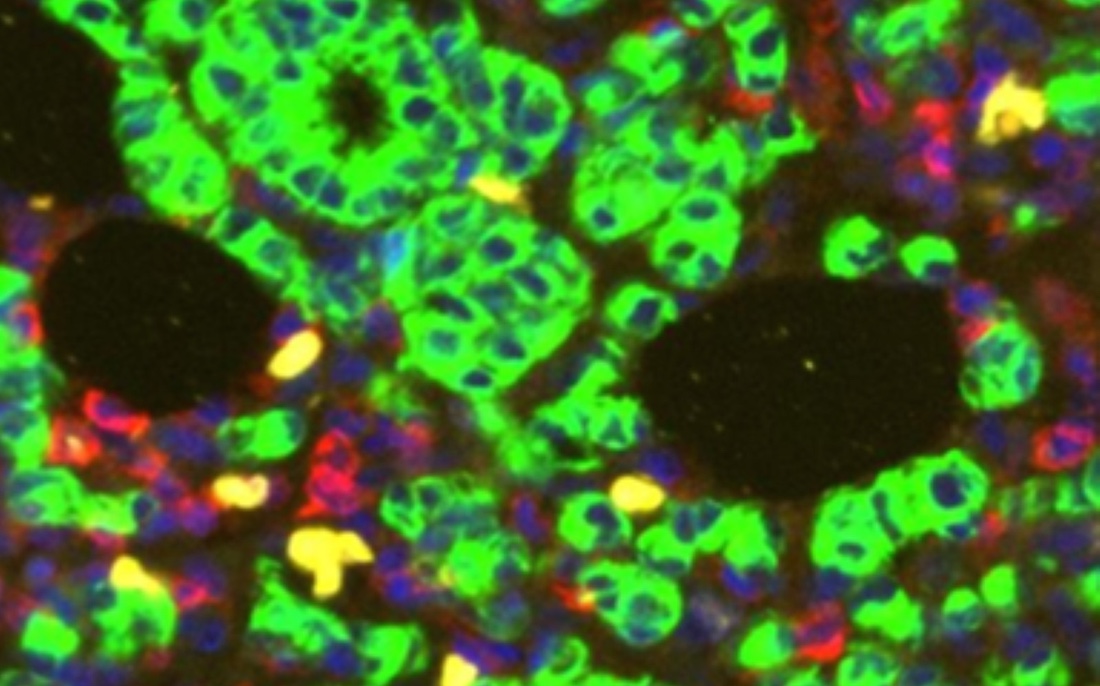
DALLAS – Feb. 05, 2026 – Up to 20% of hormone receptor-positive breast cancers don’t respond to antiestrogen therapies. A study led by researchers at UT Southwestern, published in The Journal of Clinical Investigation, suggests that a protein secreted by immune cells within these tumors causes them to grow even in the absence of estrogen.
“Our findings on the role of the tumor immune microenvironment in endocrine resistance point to new therapeutic strategies to overcome resistance and improve outcomes for patients,” said Ariella Hanker, Ph.D., Associate Professor in the Harold C. Simmons Comprehensive Cancer Center and of Internal Medicine at UT Southwestern.

Dr. Hanker co-led the study with Carlos L. Arteaga, M.D., Director of the Simmons Cancer Center and Associate Dean of Oncology Programs, and first author Fabiana Napolitano, M.D., Ph.D., a former member of the Arteaga Lab.
Nearly 80% of breast cancers are hormone receptor-positive and thus rely on estrogen to multiply and survive. Treatment of these cancers is typically based on depriving them of estrogen through various means, such as drugs that inhibit estrogen production. Although these therapies have significantly increased breast cancer survival, a subset of hormone receptor-positive cancers don’t respond, often leading them to recur after other treatments, including surgery and radiation.
Why these hormone receptor-positive cancers resist antiestrogen therapies hasn’t been clear, Dr. Hanker explained. To answer this question, she and her colleagues looked at 173 tumor samples from Vanderbilt University Medical Center, UT Southwestern, and Parkland Health. They compared those that responded to estrogen-depriving (ED) treatment with those that had become resistant. The researchers found a significant increase in gene expression for various immune pathways in the resistant tumors. These findings suggest the presence of immune cells within the tumor, such as B cells and T cells, as well as an uptick in immune-related activity in the cancer cells themselves.
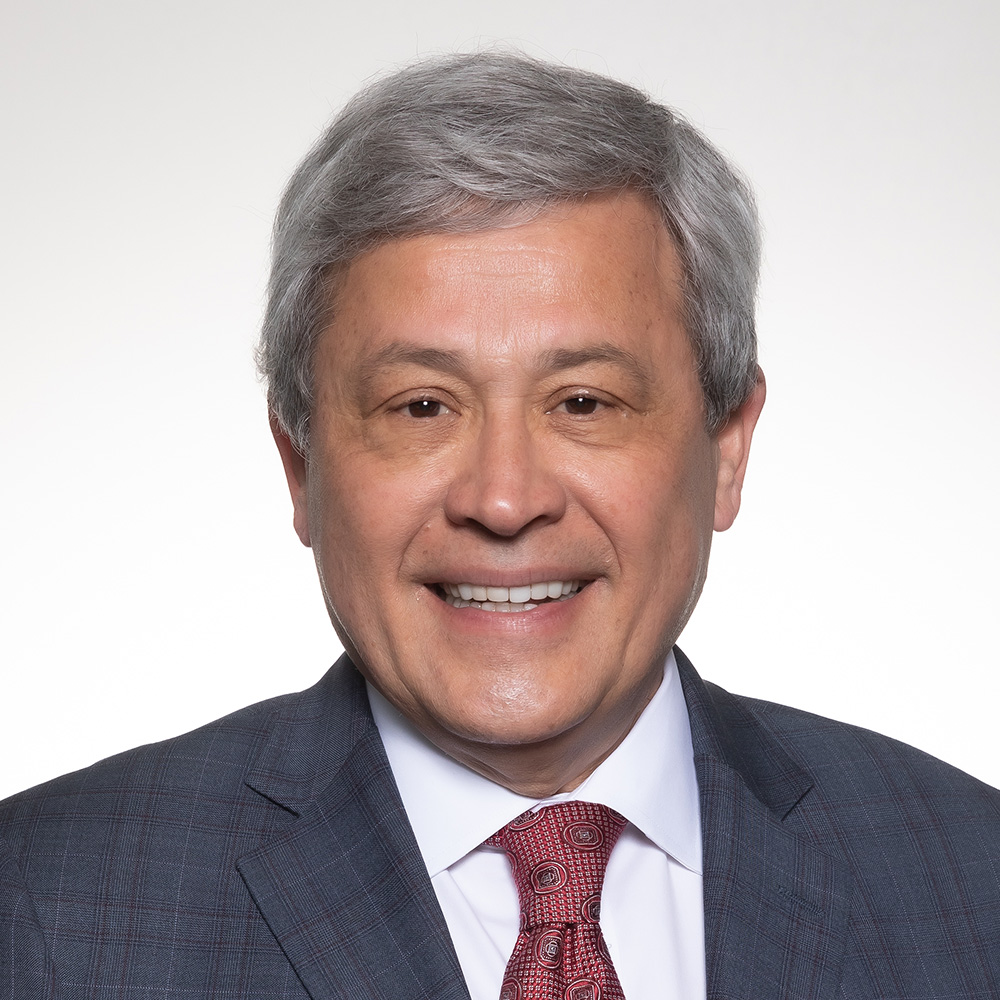
Examining similar tissue samples collected before and after patients received ED therapy showed that the therapy itself appeared to spur these immune pathways, increasing the infiltration of activated immune cells into tumors – but only in the ED-resistant samples. This suggests that antiestrogen therapy might cause cells within the tumor to release a chemical signal summoning the immune cells to the cancer site.
Further experiments identified this signal as CXCL11, a protein secreted by immune cells that recruits T cells to fight tumors and infections. When the researchers cultured hormone receptor-positive breast cancer cells without estrogen – a state in which they typically grow poorly – they thrived with the addition of CXCL11. They found similar results when they co-cultured breast cancer cells with T cells.
“This study is a good bedside-to-bench example of how starting from tumors in patients treated with estrogen suppression can inform mechanistic discovery in the laboratory that, in turn, can inform new biology and treatment directions for patients with breast cancer,” Dr. Arteaga said.
Together, these results suggest that T cells within hormone receptor-positive, ED-resistant tumors are a double-edged sword. Although the CXCL11 they produce spurs cancer growth, it also summons T cells to the tumor site that could potentially serve as cancer fighters, Dr. Hanker explained. Hormone receptor-positive breast cancers have long been considered immunologically “cold,” meaning that immunotherapies aren’t effective because they lack active immune cells. While this is true for the ED-sensitive tumors, ED-resistant tumors appear to have significantly more T cells. Thus, they may be more responsive to immunotherapies, an idea Dr. Hanker and her colleagues plan to test in a future clinical trial.
“Eventually, doctors may use CXCL11 as a biomarker to signal which hormone receptor-positive breast cancers might respond to immunotherapies,” she said.
A complete list of authors from UTSW can be found in the study.
Dr. Arteaga holds the Annette Simmons Distinguished University Chair in Breast Cancer Research.
This study was funded by the National Cancer Institute (R01CA224899), the Department of Defense (BC210406), the National Cancer Institute Breast Specialized Program of Research Excellence (SPORE) (P50CA098131), the National Cancer Institute Cancer Center Support Grant (P30CA142543), the Cancer Prevention and Research Institute of Texas (RR170061), the Susan G. Komen Breast Cancer Foundation (SAB1800010), and the Breast Cancer Research Foundation.
About UT Southwestern Medical Center
UT Southwestern, one of the nation’s premier academic medical centers, integrates pioneering biomedical research with exceptional clinical care and education. The institution’s faculty members have received six Nobel Prizes and include 24 members of the National Academy of Sciences, 25 members of the National Academy of Medicine, and 13 Howard Hughes Medical Institute Investigators. The full-time faculty of more than 3,300 is responsible for groundbreaking medical advances and is committed to translating science-driven research quickly to new clinical treatments. UT Southwestern physicians in more than 80 specialties care for more than 143,000 hospitalized patients, attend to more than 470,000 emergency room cases, and oversee nearly 5.3 million outpatient visits a year.
About Parkland Health
Parkland Health is one of the largest public hospital systems in the country. Premier services at the state-of-the-art Parkland Memorial Hospital include the Level I Rees-Jones Trauma Center, the only burn center in North Texas verified by the American Burn Association for adult and pediatric patients, and a Level III Neonatal Intensive Care Unit. The system also includes two on-campus outpatient clinics – the Ron J. Anderson, MD Clinic and the Moody Outpatient Center, as well as more than 30 community-based clinics and numerous outreach and education programs. By cultivating its diversity, inclusion, and health equity efforts, Parkland enriches the health and wellness of the communities it serves. For more information, visit parklandhealth.org.