
Persistent hunger may be behind weight regain after loss
UTSW-led study reveals overeating after dieting may be result of biological processes that strive to maintain elevated body weight

DALLAS – May 11, 2026 – Weight that was regained after it had been lost may be the result of persistent, biologically driven hunger, according to a study led by a UT Southwestern Medical Center researcher. The study’s findings appear to support the theory that humans who add back lost pounds are driven to return to a higher “set point” weight through hyperphagia, an insatiable hunger and intense preoccupation with food.
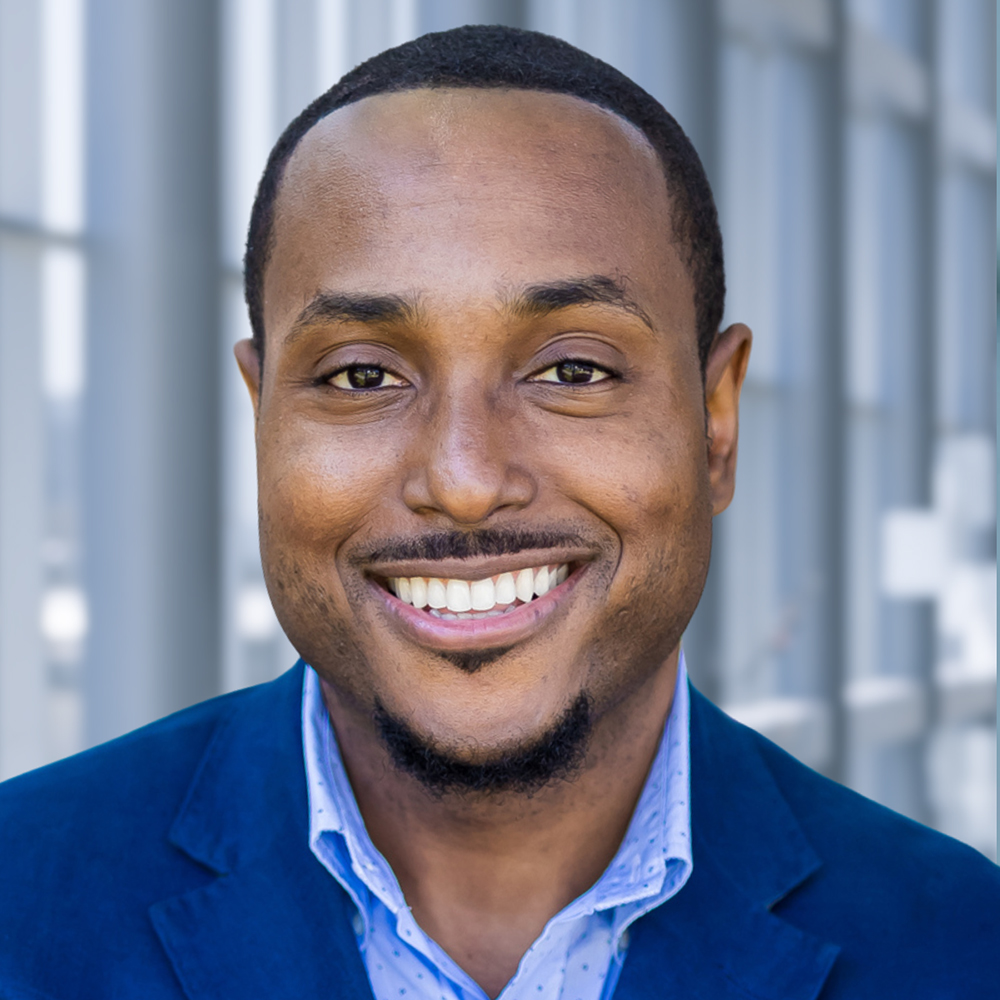
“GLP-1 receptor agonist drugs have shown a lot of efficacy in terms of reducing body weight, but weight regain is something that patients who take medications or even just diet experience,” said Frankie D. Heyward, Ph.D., Assistant Professor of Internal Medicine and Neuroscience at UT Southwestern, who led the study published in iScience. “Our study suggests more attention should be paid to the underlying biological mechanisms driving this persistent hunger we’re seeing in mouse models that is potentially occurring in humans.”
The study found that formerly obese male mice allowed to eat freely after losing weight on a calorie-restricted diet tend to significantly overeat. The tendency lasted up to a month after mice had maintained a lower weight with a standard diet.
Dr. Heyward, a member of the Center for Hypothalamic Research at UTSW, and co-author Evan D. Rosen, M.D., Ph.D., Professor of Medicine at Harvard Medical School, also discovered mice that gained weight more quickly on a high-fat diet regained the most weight, suggesting a potential predictor for susceptibility to weight regain.
Drs. Heyward and Rosen initiated the study after noticing hyperphagia within a group of formerly obese mice that were allowed to eat freely after a calorie-restricted diet. These reversed dietary obesity (ReDO) mice ate significantly more than normal-weight mice that had never been obese, prompting an investigation into the potential biological bases of hyperphagia.
A second set ate a high-fat diet for 20 weeks, causing them to become obese, then had their caloric intake restricted until the ReDOs became normal weight. ReDO mice were then divided into four categories: One group had unrestricted access to food after calorie restriction, and one was perpetually matched to the food consumption patterns of a normal-weight control group. The other two groups’ diets matched those of normal-weight mice for eight or 28 days. Afterward, they were allowed to eat as much as they wanted.
The ReDO group that had unlimited normal diet access overate once given the opportunity and ended up weighing significantly more than those that had never experienced obesity. Only mice whose food consumption patterns were perpetually matched to the control group maintained their weight loss.
“Mice appear to have a long-lived physiological drive to reclaim an elevated body weight,” Dr. Heyward explained. “This is relevant for humans in that, although they may successfully lose weight, our study suggests they may still have to resist a biological drive to return to an elevated body weight set point in order to maintain weight loss.”
Dr. Heyward’s research will continue to explore the biological causes of weight regain, aligning with UT Southwestern’s efforts to define the neural and physiological mechanisms that regulate feeding behavior, body weight, and metabolic disease.
This research was funded by grants from the National Institutes of Health (NIH T32 DK007516, NIH K01 DK131347, and R01 DK085171).
About UT Southwestern Medical Center
UT Southwestern, one of the nation’s premier academic medical centers, integrates pioneering biomedical research with exceptional clinical care and education. The institution’s faculty members have received six Nobel Prizes and include 27 members of the National Academy of Sciences, 25 members of the National Academy of Medicine, and 13 Howard Hughes Medical Institute Investigators. The full-time faculty of nearly 3,400 is responsible for groundbreaking medical advances and is committed to translating science-driven research quickly to new clinical treatments. UT Southwestern physicians in more than 80 specialties care for more than 143,000 hospitalized patients, attend to more than 470,000 emergency room cases, and oversee nearly 5.3 million outpatient visits a year.