
Study shows brain cells boost endurance benefits of exercise
Findings from research co-led by UTSW could lead to treatments that increase training gains when physical activity is limited
DALLAS – April 06, 2026 – Neurons in a part of the brain known as the ventromedial hypothalamus (VMH) appear to direct the body to boost endurance in response to exercise, a study co-led by researchers at UT Southwestern Medical Center shows. The findings, published in Neuron, shed light on how the body adapts to physical activity and could eventually lead to treatments that reproduce the benefits of exercise training when movement is limited.
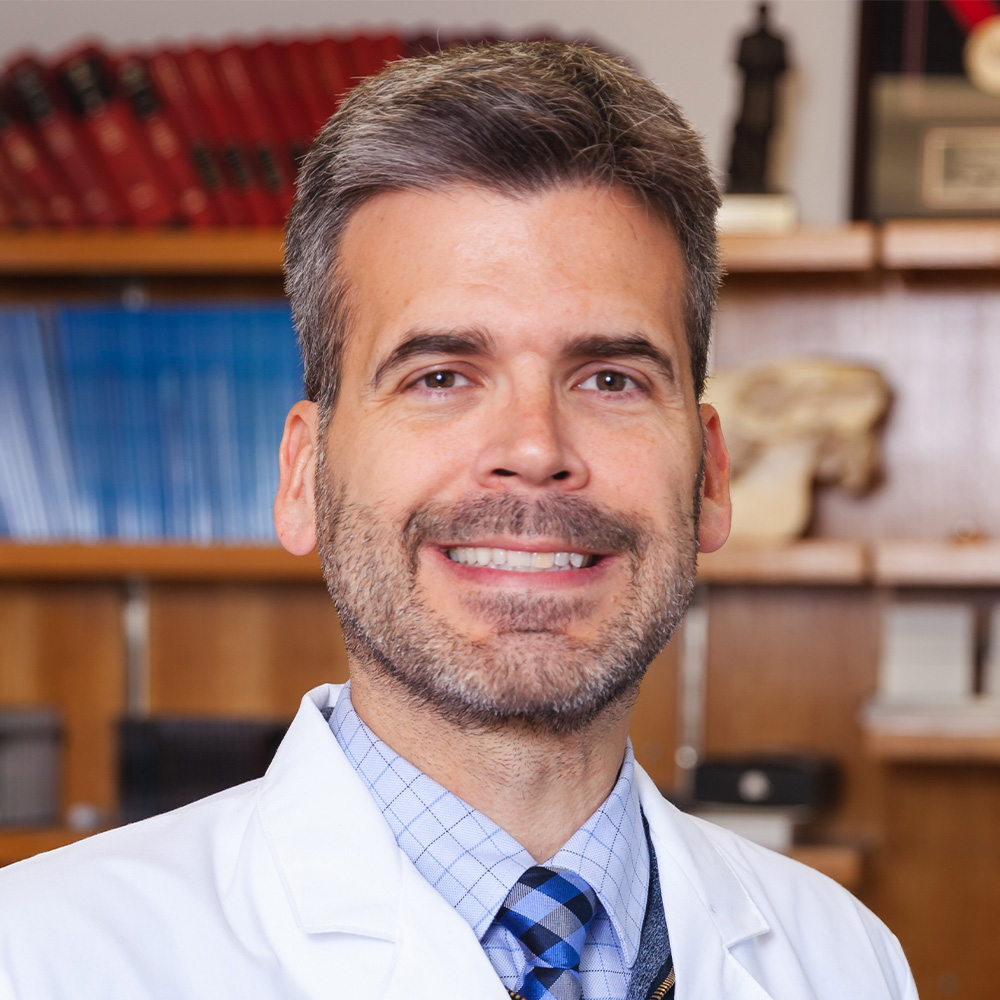
“Most people think of the body adapting to exercise through the muscles, heart, lungs, and other tissues. But our study shows that the brain itself can program endurance capacity,” said Kevin Williams, Ph.D., Associate Professor of Internal Medicine, a member of the Center for Hypothalamic Research, and an Investigator in the Peter O’Donnell Jr. Brain Institute at UT Southwestern. Dr. Williams co-led the study with J. Nicholas Betley, Ph.D., Associate Professor of Biology at the University of Pennsylvania, and Erik B. Bloss, Ph.D., Assistant Professor at The Jackson Laboratory.
Researchers have long known that the brain changes with exercise, boosting production of new neurons, increasing neural connectivity, and reducing neuroinflammation. These adaptations have typically been considered to reflect, rather than produce, the positive changes that come with exercise, the leading lifestyle intervention recommended for human health.
However, Dr. Williams explained, previous research at UTSW and elsewhere suggested that steroidogenic factor-1 (SF1) – a protein produced by a subset of neurons in the VMH – is key to many of the metabolic benefits of exercise. Studies showed that without it, mice failed to develop the muscle adaptations, resistance to weight gain, and increased calorie burning that comes from higher levels of physical activity.

To better understand SF1’s role, Dr. Williams and his colleagues worked with mice that underwent a rigorous exercise training program. They ran five days a week on a tiny treadmill, with a single weekly long run that increased in speed. This training significantly raised their endurance, which peaked about three weeks into the program.
The researchers found that some SF1-producing neurons had an uptick in activity. As the training program continued, these neurons became increasingly active, seemingly forming a kind of “memory” of past exercise.
When these neurons were blocked from firing in mice after their exercise programs, their endurance capacity did not rise. Taking the opposite tack, artificially increasing the firing of SF1-producing neurons after their exercise programs led to continued endurance improvement even at the three-week mark, when it typically plateaued in mice with normal SF1-neuron firing rates.
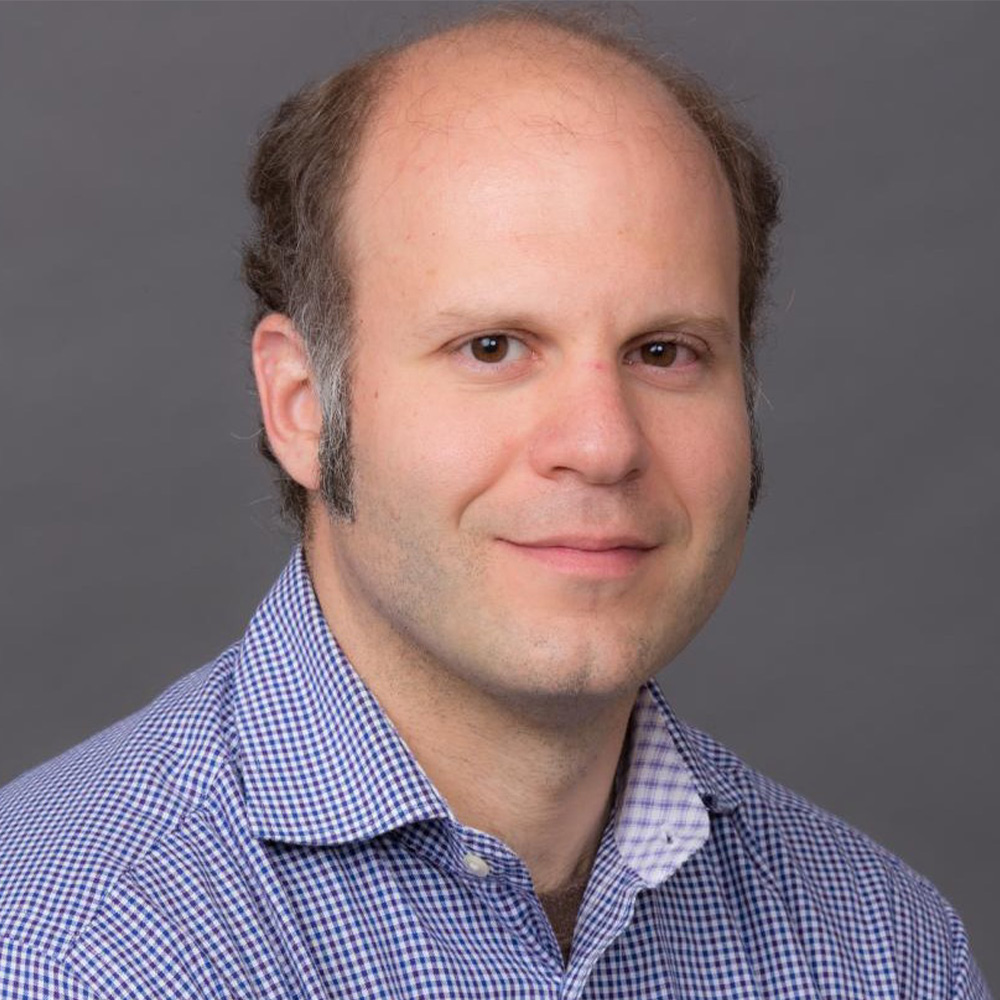
Together, Dr. Williams said, these results suggest VMH neurons that produce SF1 drive endurance improvements in response to exercise. He and his colleagues plan to study how these neurons sense that exercise has occurred, as well as the role other neurons connected to this population play in boosting endurance. Eventually, he said, this research could lead to new ways of raising endurance without exercise – a potential game changer for people who lack the capacity to increase their physical activity due to illness, injury, or limited mobility.
“One of the more interesting implications of this study is that we traditionally think of increases in athletic performance occurring by building the musculoskeletal, cardiovascular, and respiratory systems as an adaptive response to training,” Dr. Betley said. “Here, we identify the brain as a critical intermediate in this process.”
Other UT Southwestern researchers who contributed to this study are Joel K. Elmquist, D.V.M., Ph.D., Professor and Vice Chair of Research for Internal Medicine and Director of the Center for Hypothalamic Research; Teppei Fujikawa, Ph.D., Associate Professor of Internal Medicine and a member of the Center for Hypothalamic Research; Eunsang Hwang, Ph.D., Instructor of Internal Medicine; and Kyle Grose, B.S., Research Assistant.
This study was funded by grants from the University of Pennsylvania School of Arts and Sciences; the National Institutes of Health (P01 DK 119130, R01 AG 079877, R01 DK 119169, R56 DK 135501, F32 DK 131892, and F31 DK 131870); the National Science Foundation (DGE-1845298 and DGE-2236662); the National Research Foundation of Korea (2021R1A6A3A14044733); the Rhode Island Institutional Development Award Network of Biomedical Research Excellence (NIH P20 GM 103430); the Rhode Island Foundation (16409_139170); the Providence College Provost’s Fellowship; Providence College; and the University of Pennsylvania.
About UT Southwestern Medical Center
UT Southwestern, one of the nation’s premier academic medical centers, integrates pioneering biomedical research with exceptional clinical care and education. The institution’s faculty members have received six Nobel Prizes and include 24 members of the National Academy of Sciences, 25 members of the National Academy of Medicine, and 13 Howard Hughes Medical Institute Investigators. The full-time faculty of nearly 3,400 is responsible for groundbreaking medical advances and is committed to translating science-driven research quickly to new clinical treatments. UT Southwestern physicians in more than 80 specialties care for more than 143,000 hospitalized patients, attend to more than 470,000 emergency room cases, and oversee nearly 5.3 million outpatient visits a year.