
COVID-19 pandemic linked to increases in childhood obesity
UTSW researchers emphasize proactive, family-based interventions to reduce obesity’s chronic health risks, which can begin early in life

DALLAS – Dec. 02, 2025 – The COVID-19 pandemic not only disrupted children’s education, recreation, and social lives, but it also increased the prevalence of obesity in the U.S. pediatric population by roughly 1 million youngsters, according to a study led by UT Southwestern Medical Center researchers.
The study, published in Pediatrics, used data from the Centers for Disease Control and Prevention’s National Health and Nutrition Examination Survey (NHANES) to reveal that the prevalence of childhood obesity increased from 21.2% before the pandemic to 22.6% during the global outbreak.
“This was a substantial increase for pediatric obesity rates given the short time period,” said study leader Sarah Messiah, Ph.D., M.P.H., Professor of Epidemiology and Associate Dean for Research in the Peter O’Donnell Jr. School of Public Health at UT Southwestern. “It is important for pediatricians to be aware of these recent trends when assessing and counseling patients and their families.”

The researchers used NHANES data on body mass index (BMI, a surrogate or indirect measure of body-fat percentage), diet, ultra-processed food (UPF) intake, exercise, and socioeconomic markers in youths 2-19 years old. They then compared these factors before (2017 through March 2020) and during (August 2021 through August 2023) the pandemic.
The team categorized obesity into Classes I, II, and III based on how far a child’s BMI exceeded the 95th percentile for age and sex. Classes II and III were considered “severe obesity.”
The pandemic intensified weight gain for minority and disadvantaged youths and for those already overweight or with obesity. Class III obesity, defined as a BMI equal to or greater than 140% of the 95th percentile for age and sex, was highest among those ages 12-19 years, most notably from the lowest-income households. Black children had almost twice the risk of severe obesity as white youths.
Exercise had a positive effect. Children getting at least 60 minutes of daily exercise had less risk of developing overall or Class II obesity than those who did not. While UPF consumption decreased from 66% of surveyed children’s diets before the pandemic to 62.7% during it, the high prevalence across all weight categories made it difficult to determine that component’s effect on pandemic weight gain.
Early-onset obesity can cause systemic inflammation, increasing the risk of heart disease, stroke, osteoarthritis, liver disease, and other chronic illnesses at younger ages. Alarmingly, disease rates are growing most quickly among children with severe obesity, and pandemic trends have put more youths at risk, the authors said.
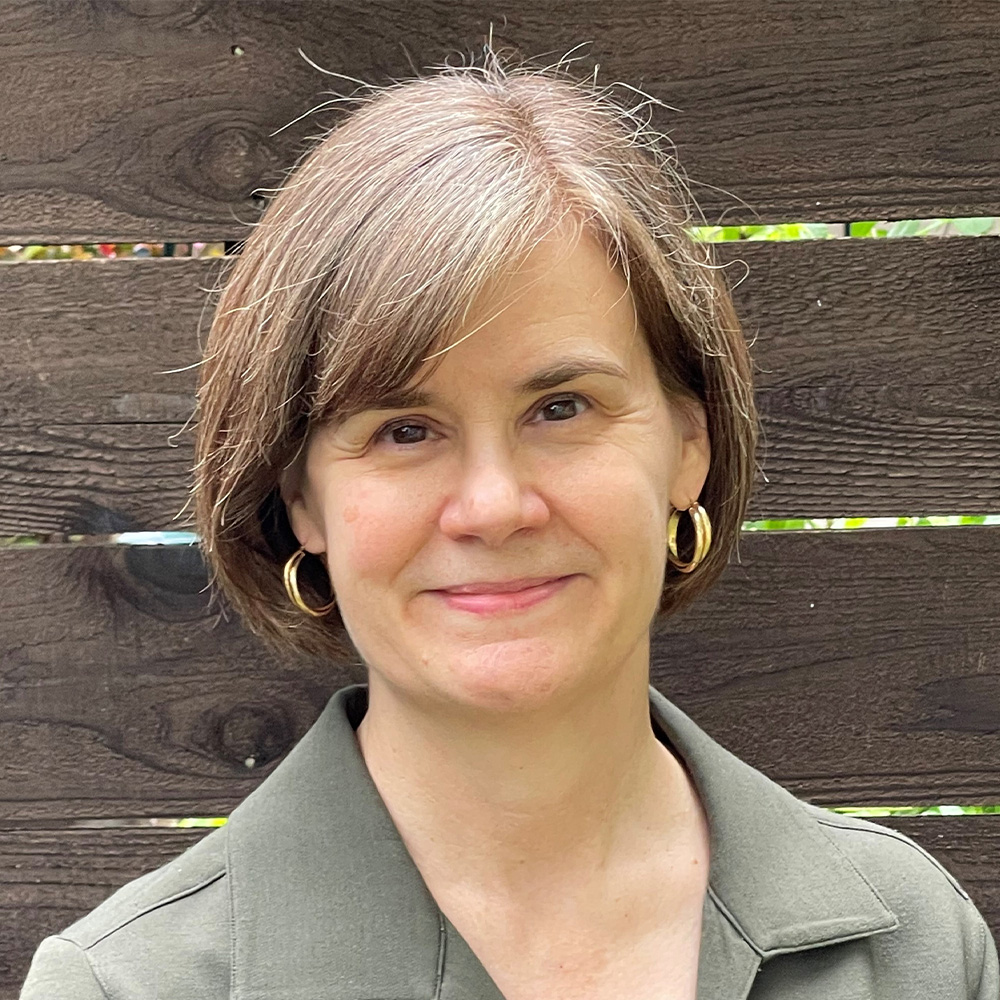
Dr. Messiah, who is also Professor of Pediatrics and Director of the Child and Adolescent Population Health Program, said environmental factors are important in driving dangerous weight gain. “You can think of the pandemic as an environmental exposure the entire population was going through,” she said.
Sarah Barlow, M.D., M.P.H., Professor of Pediatrics and senior author of the study, cited low resources, limited access to healthy foods, and busy parents as factors contributing to childhood obesity, adding, “The pandemic certainly heightened all of those stressors.” Unstructured time, as well as emotional stress or family deaths during the pandemic, may have led to more sedentary behavior and opportunistic eating among youths, the authors said.
Drs. Barlow and Messiah apply long-term, research-based family interventions to tackle pediatric obesity, such as healthy meal plans, attention to exercise, and strategies for behavioral change. Dr. Messiah, who leads family focus groups to develop effective interventions, co-develops digital programs that model healthy cooking and fitness. She encourages more active free play for children at home and during school.
Both advocate lifestyle interventions and consideration of medication before children reach severe obesity states. For all youths with obesity, patients, parents, and providers should decide together on the best approach, recognizing that family priorities, program availability, and insurance issues are among the factors that will guide the decisions.
“Our team has conducted interventions in communities and schools, and we get a positive effect,” Dr. Messiah said. “But these were research studies and our communities need support for durable systemic changes to our environments and food supply.”
Other UTSW researchers who contributed to this study are Yujia Guo, M.S., Biostatistics Consultant; Luyu Xie, Ph.D., Pharm.D., Assistant Professor in the O’Donnell School of Public Health; Bethany Cartwright, M.D., Ph.D., Assistant Professor of Pediatrics in the Division of Pediatric Endocrinology; and Deepali Ernest, Ph.D., postdoctoral researcher. Dr. Cartwright is also a member of the Touchstone Center for Diabetes Research at UTSW.
This study was funded by the National Institute of Child Health and Human Development (R21HD105129), the National Institutes of Health/National Institute on Minority Health and Health Disparities (R01MD011686), and the American Diabetes Association (7-23-JDFT2DY-05).
About UT Southwestern Medical Center
UT Southwestern, one of the nation’s premier academic medical centers, integrates pioneering biomedical research with exceptional clinical care and education. The institution’s faculty members have received six Nobel Prizes and include 28 members of the National Academy of Sciences, 26 members of the National Academy of Medicine, and 14 Howard Hughes Medical Institute Investigators. The full-time faculty of nearly 3,400 is responsible for groundbreaking medical advances and is committed to translating science-driven research quickly to new clinical treatments. UT Southwestern physicians in more than 80 specialties care for more than 143,000 hospitalized patients, attend to more than 470,000 emergency room cases, and oversee nearly 5.3 million outpatient visits a year.