
Child Neurology
Neurodevelopmental Disabilities Residency
Learn more about our six-year Neurodevelopmental Disabilities (NDD) residency program.
The Departments of Pediatrics and Neurology offer a five-year, ACGME-accredited categorical residency that integrates two years of pediatrics training at Children’s Medical Center with three years of dedicated child neurology experience. Graduates are eligible for board certification in Neurology with Special Qualification in Child Neurology through the American Board of Psychiatry and Neurology (ABPN). Our program provides comprehensive exposure to both common pediatric conditions and complex, rare neurologic disorders, preparing residents for a wide range of clinical practice.
Training takes place across exceptional clinical sites, including Children’s Health, the #1 children’s hospital in North Texas; Parkland Health, a high-volume safety-net hospital serving a large and diverse population; and Texas Scottish Rite Hospital for Children, internationally recognized for excellence in pediatric orthopedics and specialty care. Residents also benefit from robust opportunities in research, academics, global health, and advocacy, supporting the development of well-rounded physician leaders.


Welcome to the UT Southwestern combined Child Neurology Residency Program! As one of the top 25 programs in the nation, you’ll train alongside renowned experts while caring for a diverse and high-volume patient population across our clinical sites. Just as important, you’ll be supported by a close-knit community of compassionate, driven residents and dedicated mentors—fostering both your professional growth and lifelong connections.”
Program Years
- Postgraduate Years 1-2: Pediatric Training
Residents spend their first two years as integrated members of the Pediatrics Residency program at UT Southwestern - Children's Health℠.
- Postgraduate Year 3: Adult Neurology and Intro to Child Neurology
The first block of this year is dedicated to An Introduction to Neurology and Management of Acute Neurologic Emergencies. This focused review of neuroscience, neuroanatomy, neuropathology, and neuroradiology occurs without the burden of primary clinical responsibilities.
Residents complete six months of adult inpatient neurology with the focus on direct care of patients with acute neurologic disease on the neurology inpatient and consult services, while under the direct supervision of adult neurology senior residents and attending faculty. They also complete one block each of adult outpatient specialty clinics, adult neurology elective, and neuropathology.
Integrated throughout training is a weekly Child Neurology Continuity Clinic where residents follow patients longitudinally and assess disease progression and management, especially as it pertains to a developing child.
- Postgraduate Year 4: Mastering Skills in Child Neurology
During their fourth year, residents will complete their adult neurology training requirements including adult outpatient specialty clinics and adult neurology electives. Residents spend more time developing and mastering their skills in child neurology. They develop diagnostic skills and become familiar with the management of acute and chronic child neurologic disorders under direct supervision of senior residents and attendings in a variety of settings, including the ICUs, general and subspecialty pediatrics floors, EMU, the Emergency Room, and outpatient clinic rotations.
- Postgraduate Year 5: Becoming a Child Neurologist
Senior residents spend Year Five in a more supervisory role. Senior residents assume the major teaching duties and lead teams consisting of medical students, junior child-neurology residents, and rotating residents from other services. Residents complete scheduled rotations within general and subspecialty pediatric neurology clinics including stroke, epilepsy, neurodevelopmental disabilities, neuromuscular, headache medicine, concussion, neurogenetics, rare disorders, neuroimmunology, neuro-oncology, and more. Child Psychiatry rotation is also completed during this year. In addition, residents have electives, which are designed to be flexible to their needs in preparation for fellowship or a career in practice.
- Program Leadership
- Assistant Professor
Program Director

- Assistant Professor
Associate Program Director
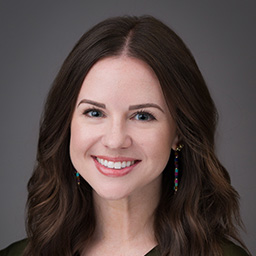
- Assistant Professor
Associate Program Director
- Assistant Professor
Contact Us
PediNeuroEducation@UTSouthwestern.edu our GME program coordinators if you have any questions.