
Living with sickle cell disease brings unique economic and emotional challenges, but you don't have to navigate them alone. At the UTSW Sickle Cell Program, we believe that while there is no "magic bullet," comprehensive education and personalized medical care are the keys to long-term wellness.
Our Mission
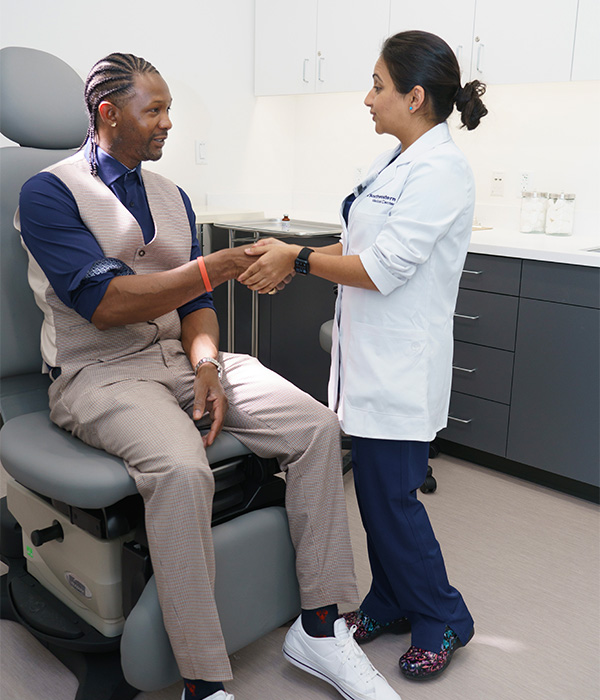
The mission of the Comprehensive Sickle Cell Program is to provide ongoing care for adults that includes preventative health maintenance, screening for damage to important organs, early recognition and treatment of complications and continued patient education, and psychosocial support for mental health needs.
Core Components
- Clinical Care
- Education
- Clinical Research
- Behavioral Health
Services provided
Regularly scheduled well patient visits, where doctor-patient relationships are established and medical, social as well as psychological issues are addressed.
- Comprehensive disease treatment and management
- Psychiatric Services
- Individual Therapy
- Group Therapy
- Pain Management
- Same/Next Day Infusions
- Patient Education
- Social Services / Case Management
- Support Group
- Centralized Inpatient Care
- Gene Therapy (coming)



Clinic Locations
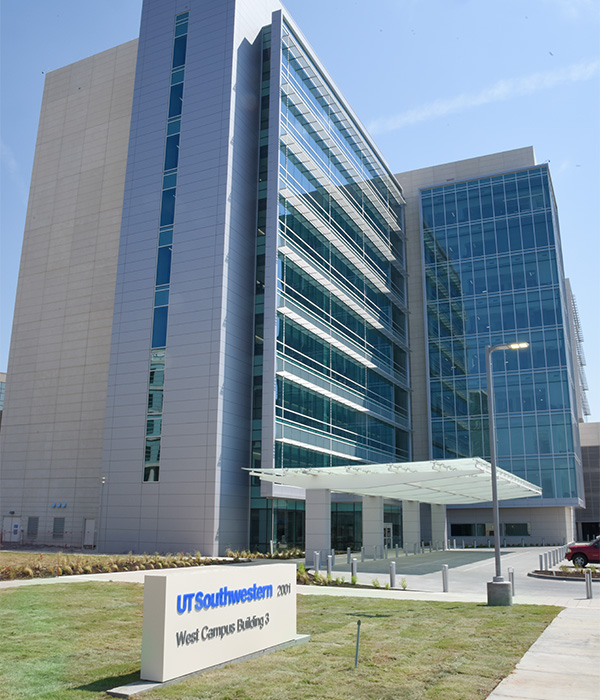
UT Southwestern Medical Center
West Campus Building 3
Blood Disorders Clinic
2001 Inwood Road
Dallas, Texas 75390
Location: 9th Floor
UT Southwestern Medical Center at Redbird
3450 W. Camp Wisdom Road
Dallas, Texas 75390
Location: 1st Floor
UT Southwestern Medical Center
3030 Waterview Parkway
Richardson, Texas 75080
UTSW Moncrief Cancer Institute
400 West Magnolia Avenue
Fort Worth, Texas 76104
Location: 2nd Floor
Parkland Health & Hospital Systems
Moody Building
5151 Maple Ave
Dallas, Texas 75235
Location: 3rd Floor
Patients in the UTSW comprehensive program have access to recommended multidisciplinary expertise that include: Sickle cell expert hematologists, psychologist, nephrologists, pulmonary hypertension specialists, hepatologists, obstetrics and gynecology, urologists, orthopedic surgeons, neurosurgeons, transfusion medicine specialists, cardiologists, ophthalmologists, pain management specialist, and bone marrow transplant specialist.
Sickle Cell Clinic Appointments
Our dedicated team is committed to helping you overcome barriers to care through a collaborative partnership. By sharing your specific needs and stressors with us, we can tailor a treatment plan that fits you. Connect with us today to receive the expert guidance and the support you deserve.
New Patients
214-645-6393
New Patient Appointment
Program Patients
214-648-6521
MyChart App

Support Group
Our mission
- Provide an environment where patient education and self-management of their disease can be implemented as well
- Identify areas of ongoing improvement in healthcare delivery by their medical team
What do we do?
- Educate
- We provide a venue to educate patients and families impacted by Sickle Cell Disease on topics directly relevant to their health.
- Improve Care
- We take patient concerns and formulate plans to address making changes.
- Bring Awareness
- We encourage participation in community events to extend awareness
How do I get information on participating?
This group includes adult patients and their community of caregivers.
Meetings are facilitated by the sickle cell social worker.
214-648-4114
Comprehensivesicklecell@UTSouthwestern.edu
When do we meet?
Meetings are held quarterly on the 3rd Wednesday evening of the month at 5:30 p.m.
Community Advisory Board
The North Texas Sickle Cell Community Advisory Board (CAB) brings together individuals living with sickle cell disease, caregivers, advocates, and community members to provide patient-centered insight into research, education, and outreach initiatives. The CAB works alongside clinicians and researchers at UT Southwestern to ensure community perspectives help guide sickle cell research, improve communication, and strengthen trust between the medical community and the patients it serves.
Contact Us
214-648-6521
comprehensivesicklecell@utsouthwestern.edu
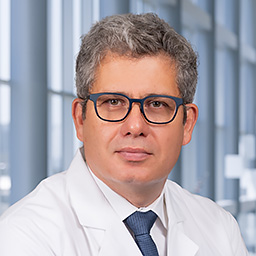
Jean-Antoine Ribeil, M.D., Ph.D.
Director, Comprehensive Adult Sickle Cell Disease Program

Tonya Mitchell, MBA
Program Manager