About Us
Our investigators lead a diverse portfolio of research spanning key areas of anesthesiology, including perioperative medicine, pain management, neuroanesthesiology, and critical care. Their work reflects a broad continuum of inquiry, from foundational discovery to clinical application, and is grounded in a shared commitment to advancing patient outcomes. Across these areas, teams pursue questions that improve understanding of disease, refine clinical practice, and enhance the safety and quality of care.
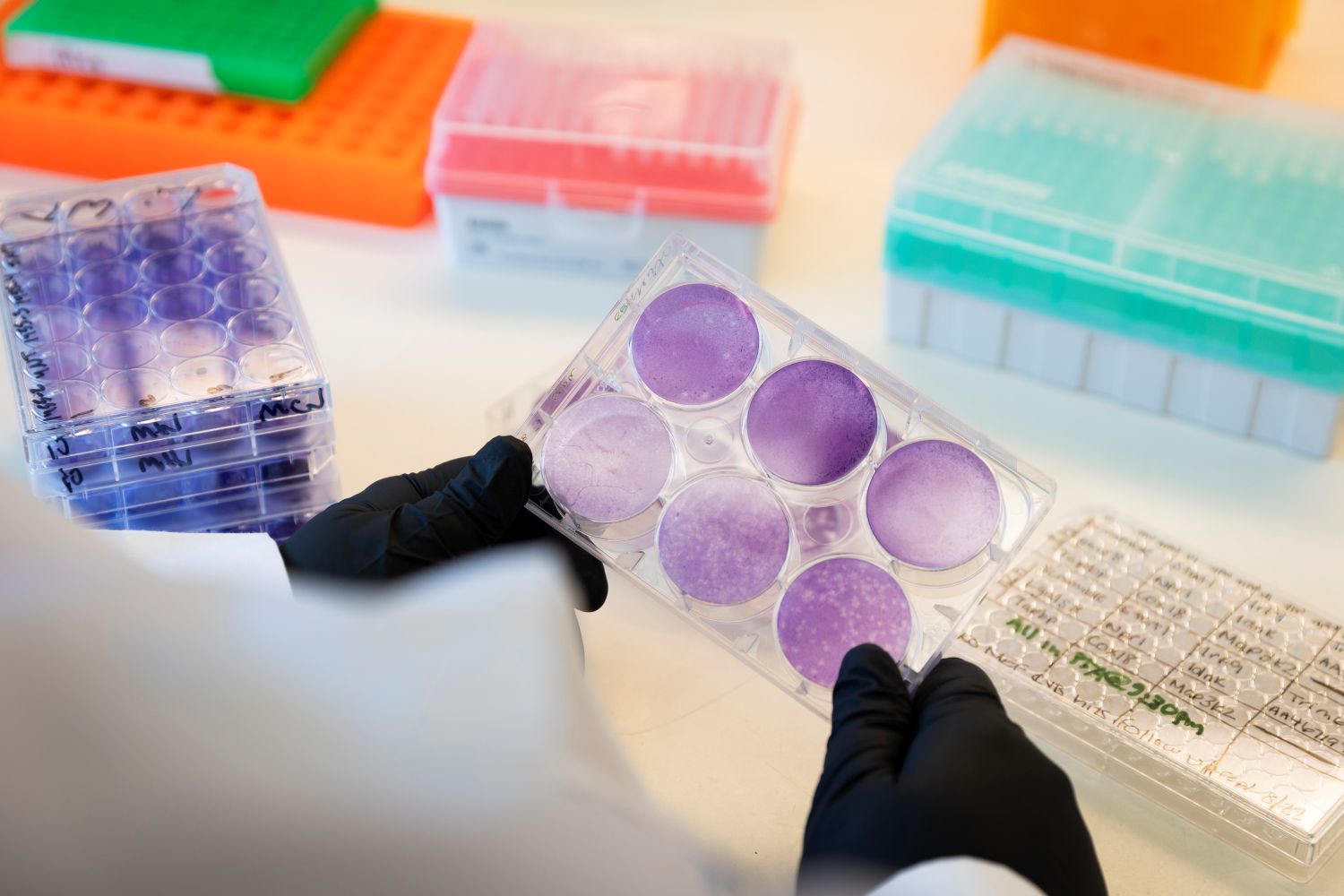
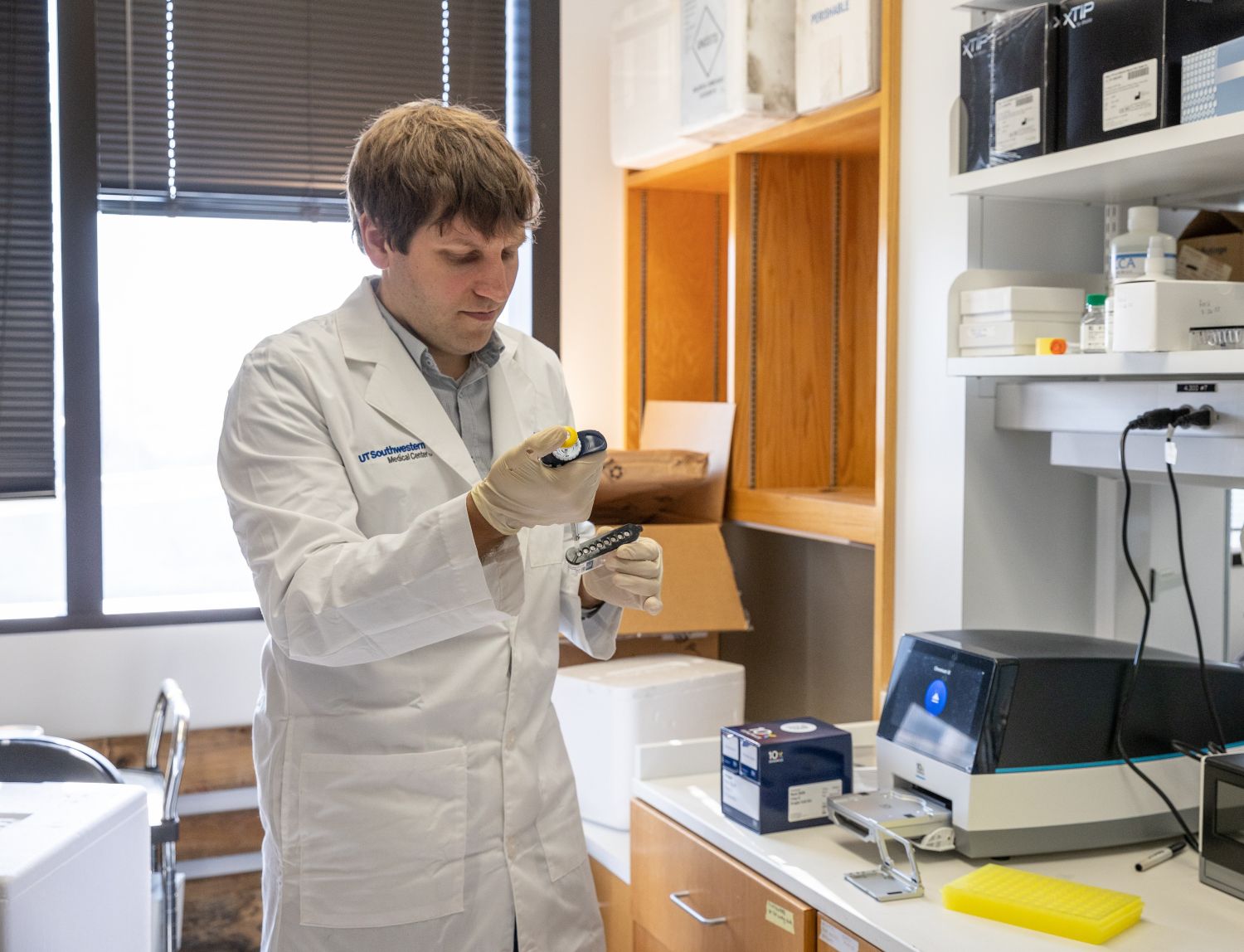
Research efforts span bench, clinical, and translational science, advancing understanding and improving care across the perioperative continuum. Efforts focus on exploring mechanisms of disease, evaluating clinical practices, and developing approaches to enhance patient safety, recovery, and long-term outcomes. Together, this work reflects a shared focus on addressing complex challenges in anesthesiology through rigorous inquiry and collaboration.
Meet Our Principle Investigators:
Dr. Busch is an Associate Professor whose research focuses on developing minimally and non-invasive optical technologies to continuously monitor microvascular blood flow, oxygen saturation, and other aspects of central nervous system health at the bedside. His work leverages diffuse optical and correlation spectroscopies to advance real-time assessment of cerebral and spinal cord physiology, with applications ranging from critical care to pediatric extracorporeal support. Dr. Busch’s program emphasizes interdisciplinary collaboration across engineering, clinical, and neuroscience teams to translate quantitative monitoring tools into clinical research and practice.
Lab Site
Dr. Jouett is a neuroanesthesiologist, neurointensivist, and physician-scientist at UT Southwestern Medical Center. His research focuses on cerebrovascular physiology, autonomic control, and multimodal neuromonitoring in patients with severe neurologic injury and those undergoing high-risk neurosurgical care. By integrating advanced physiologic signals with clinical data, his work aims to develop individualized, physiology-guided strategies to improve brain perfusion, reduce secondary injury, and enhance neurologic outcomes.
Dr. Lauman is an Instructor in the Department of Anesthesiology and Pain Management, whose research centers on posture, neuromuscular rehabilitation, and the relationship between movement and psychological health. Dr. Lauman examines how biomechanical alignment influences functional outcomes, with the goal of translating these findings into practical, evidence-based rehabilitation strategies .He serves as a lead investigator in the development of the Monitored Augmented Rehabilitation System (MARS), a mixed-reality platform advancing assessment and rehabilitation of postural and neuromuscular function across pediatric and athletic populations. Dr. Lauman’s work emphasizes interdisciplinary collaboration, integrating motion science, technology, and clinical research to improve recovery and long-term outcomes. Through active partnerships with clinicians, researchers, and trainees, his program focuses on bridging research and practice to develop innovative rehabilitation tools that support patient-centered care.
Dr. Michael is an investigator who focuses on perioperative patient safety and how it is affected by team communication. She and her team investigate the effects of evidence-based, multimodal patient safety interventions on medical error rates as well as downstream patient outcomes. These interventions utilize didactic education, simulation, cognitive aids, and team training, and the interventions target teaming moments such as handoffs of patient care, timeouts, and debriefs. By eliminating communication errors during these crucial moments, Dr. Michael and her collaborators across the nation aim to decrease adverse events, thereby enhancing perioperative patient safety.
Dr. Patwardhan is an investigator focused on translational research into the mechanisms of pain and novel approaches to pain treatment. His lab combines in-vivo assays, biochemical and genetic techniques in animal models, and human clinical research to identify biological factors driving chronic pain and to evaluate non-opioid pharmacological and neuromodulatory interventions. Committed to team science, Dr. Patwardhan’s program works with local, national, and international collaborators to bridge basic discovery and therapeutic innovation in pain management.
Lab Site
- Siddharth Dave, M.D.
- Ulrike Hoffmann, M.D., Ph.D.
- Ethan Sanford, M.D.
- Peter Szmuk, M.D.
- Markus Velten, M.D., Ph.D.
- Proshad Efune, M.D.
Endowed Scholars are distinguished faculty recognized for research excellence and leadership that advance innovation in anesthesiology and pain management. These investigators drive high-impact discovery and contribute to unique scientific breakthroughs that shape the field.
Many Endowed Scholars also hold joint or secondary appointments across other UT Southwestern departments, strengthening collaboration and extending the reach of their work across the institution. These cross-disciplinary roles provide valuable insight into complex clinical and scientific challenges that span multiple specialties. By bridging areas of expertise, they connect diverse perspectives in research, education, and patient care, enriching both their home department and the broader academic community.
Dr. Choi leads research aimed at understanding the development, function, and dysfunction of ascending somatosensory pathways that shape how touch and pain signals are processed in the nervous system. His lab integrates neurobiological, genetic, and circuit-level approaches to dissect how sensory information is transmitted and interpreted in health and disease. Through collaborative efforts across neuroscience and clinical disciplines, Dr. Choi’s work seeks insights that can guide better interventions for sensory and pain disorders.
Lab Site
Dr. Lai is an Associate Professor whose research investigates how animals process external and internal sensory information, with particular emphasis on somatosensory circuits that underlie proprioception and pain perception. Her work spans cellular, developmental, and systems neuroscience to map the formation and function of sensory pathways from peripheral neurons through the spinal cord and brain. Dr. Lai’s research program is grounded in interdisciplinary collaboration across genetics, neurophysiology, and behavioral science to uncover fundamental mechanisms of sensory system organization and function.
Lab Site
Dr. Pool leads research on the neural circuits and cell types that underlie motivation, pain perception, and related behavioral states. His lab combines molecular, genetic, transcriptomic, and circuit-level approaches to map and manipulate the neural substrates that drive biological motivations and pain responses. With an emphasis on developing targeted gene-based strategies to modify these circuits, Dr. Pool’s research is deeply collaborative, engaging multidisciplinary teams to translate insights from basic neuroscience into potential interventions for pain and motivational disorders.
Lab Site