
Search
Study shows brain cells boost endurance benefits of exercise: Newsroom - UT Southwestern, Dallas, Texas
https://www.utsouthwestern.edu/newsroom/articles/year-2026/april-brain-cells-boost-endurance.html
Neurons in a part of the brain known as the ventromedial hypothalamus (VMH) appear to direct the body to boost endurance in response to exercise, a study co-led by researchers at UT Southwestern Medical Center shows.
UTSW Research: Dementia risk, depression, and more: Newsroom - UT Southwestern, Dallas, Texas
https://www.utsouthwestern.edu/newsroom/articles/year-2026/march-research-dementia-risk-depression.html

Tens of millions worldwide have dementia, neurodegenerative diseases that affect memory, thinking, and daily routines. Chronic kidney disease (CKD) has been identified as a risk factor for dementia and has been associated with dementia symptoms, such as cognitive decline and impairment. However, it
Developmental ‘switch’ in brain may shape lifelong obesity risk: Newsroom - UT Southwestern, Dallas, Texas
https://www.utsouthwestern.edu/newsroom/articles/year-2026/feb-developmental-switch-brain-obesity-risk.html
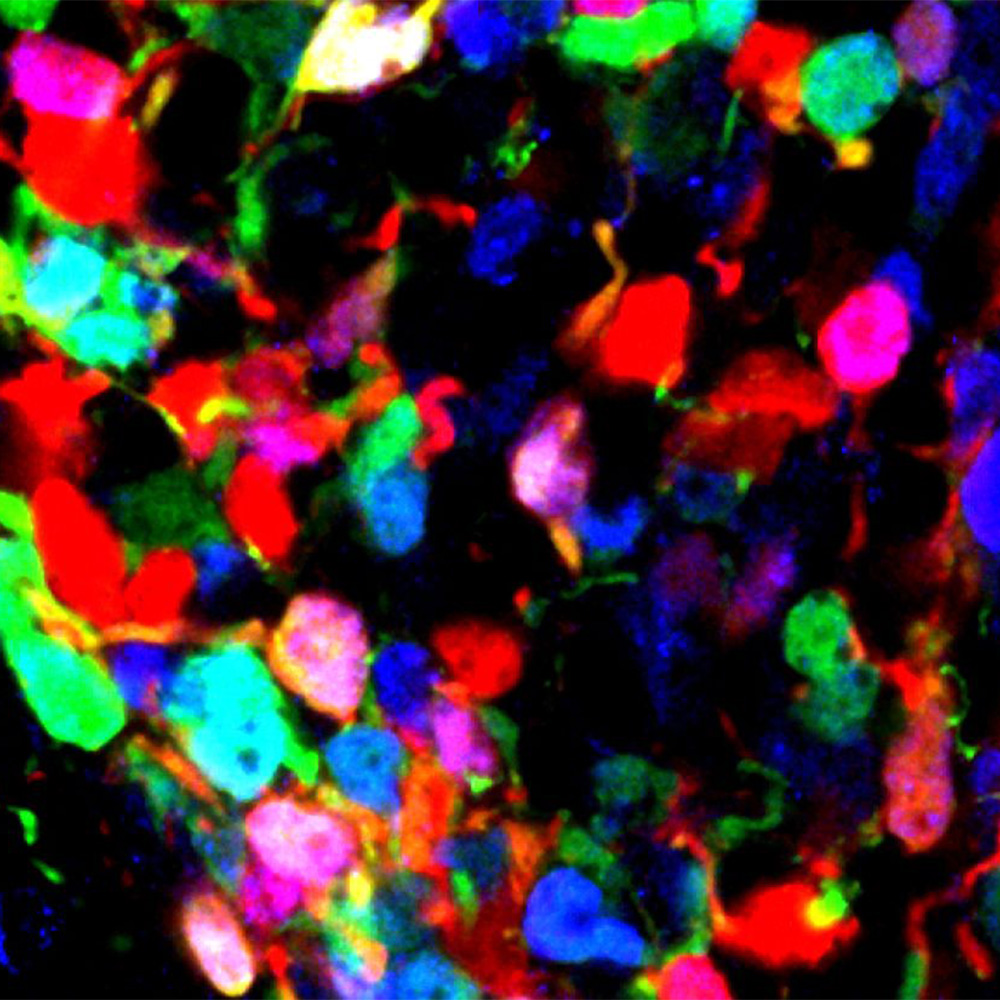
Researchers at UT Southwestern Medical Center have discovered that a crucial developmental process in the brain’s hypothalamus may influence how susceptible individuals are to obesity.
UTSW researchers document “infodemic” of false information on COVID-19 in first year of pandemic : Newsroom - UT Southwestern, Dallas, Texas
https://www.utsouthwestern.edu/newsroom/articles/year-2022/august-infodemic-false-information-covid-19.html

More than 225,000 tweets with the hashtags #scamdemic and #plandemic led to an “infodemic” of misinformation and disinformation on Twitter during the first year of the pandemic, according to a study by UT Southwestern researchers published in PLOS ONE.
UT Southwestern develops nanotherapeutic to ward off liver cancer: Newsroom - UT Southwestern, Dallas, Texas
https://www.utsouthwestern.edu/newsroom/articles/year-2022/nanotherapeutic-to-ward-off-liver-cancer.html?fbclid=IwAR0BcDOWp2UKETuoDkae2IlTo3yQAJ0QALlP2trZNCiZweKoRKBNOeGYBmk
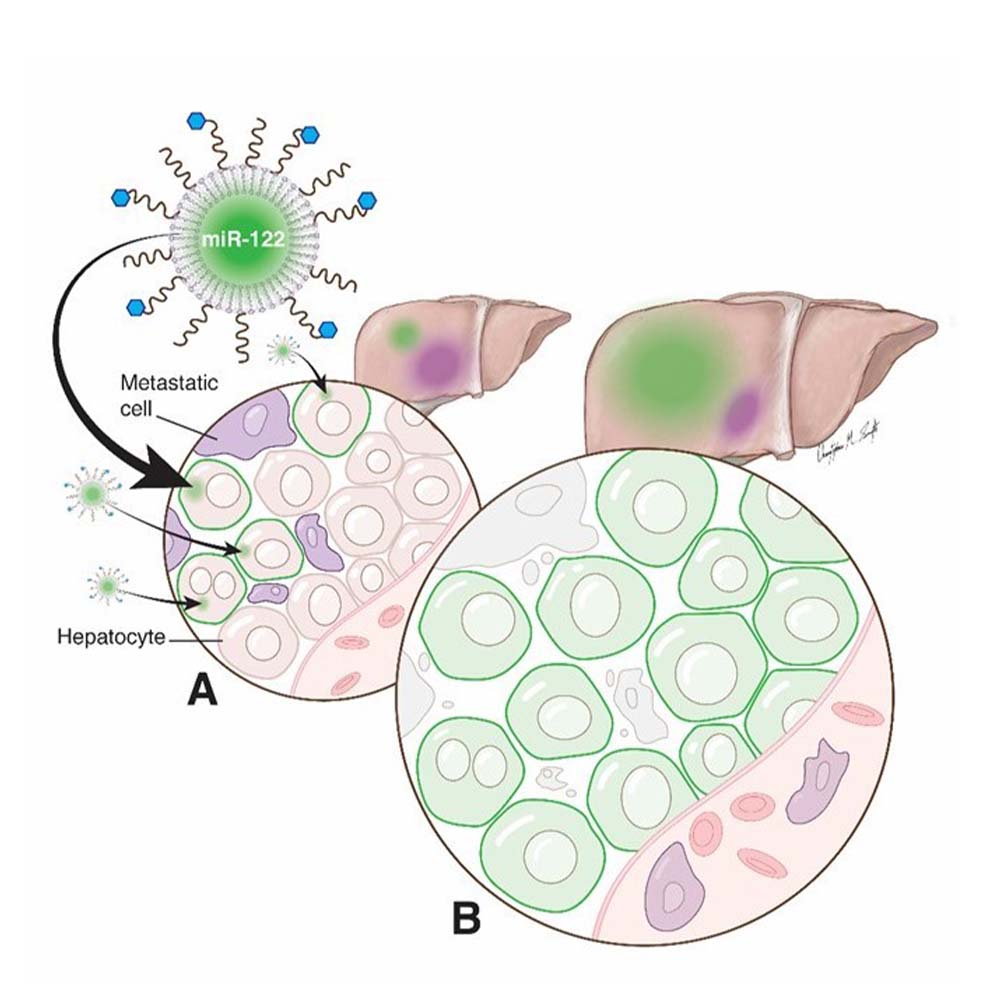
Physician researchers from UT Southwestern Medical Center have developed an innovative nanotherapeutic drug that prevents cancer from spreading to the liver.
UT Southwestern nearly doubles lifespan of mice with brain cancer: Newsroom - UT Southwestern, Dallas, Texas
https://www.utsouthwestern.edu/newsroom/articles/year-2020/brain-cancer.html?utm_source=SCCC+Updates+Master+Distribution+List&utm_campaign=e1b4880a1d-EMAIL_CAMPAIGN_2020_02_14_02_00&utm_medium=email&u
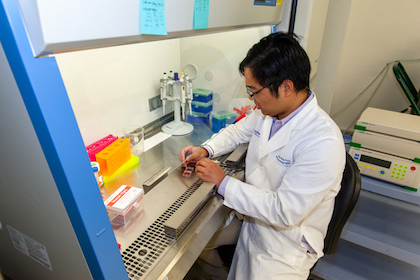
UT Southwestern Simmons Cancer Center researchers have developed technology that is spawning a much better form of drug delivery for gene therapy and has achieved a 43 percent increase in the survival of mice with glioblastoma, one of the deadliest forms of human brain cancer.
Clinical trial shows stereotactic radiation extends systemic therapy and slows kidney cancer progression : Newsroom - UT Southwestern, Dallas, Texas
https://www.utsouthwestern.edu/newsroom/articles/year-2022/stereotactic-radiation-extends-systemic-therapy.html?fbclid=IwAR1nJaYKEYszHNEC8pwRgLaWmvicsg9TfaXSGeHYzFW8nJWsvZ4SctcKXnw
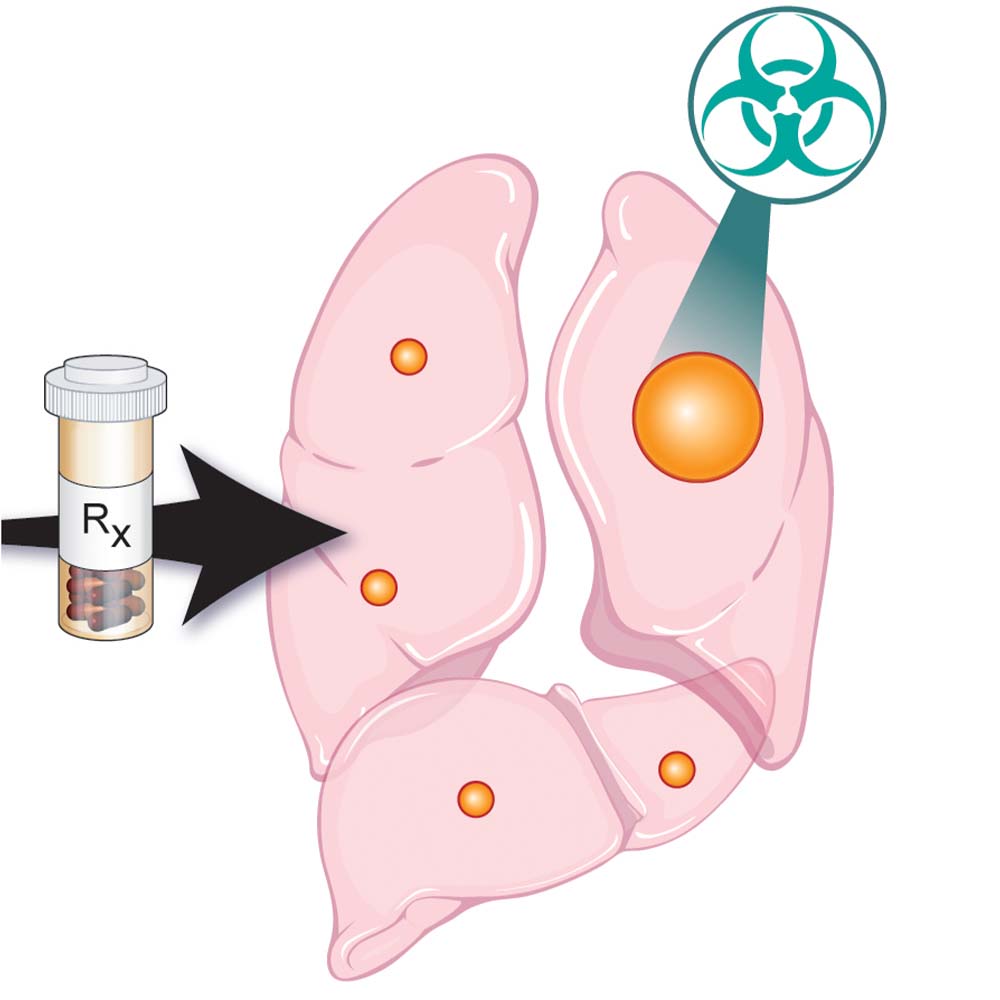
A new study by the Kidney Cancer Program (KCP) at UT Southwestern’s Harold C. Simmons Comprehensive Cancer Center shows that highly focused radiation to isolated metastases that progress despite drug therapy can prolong drug use in kidney cancer patients, saving the few other drugs for treating