
Search
Dallas study finds expectant women in areas with worse health disparities have greater risk of adverse pregnancy outcomes : Newsroom - UT Southwestern, Dallas, Texas
https://www.utsouthwestern.edu/newsroom/articles/year-2021/worse-health-disparities.html
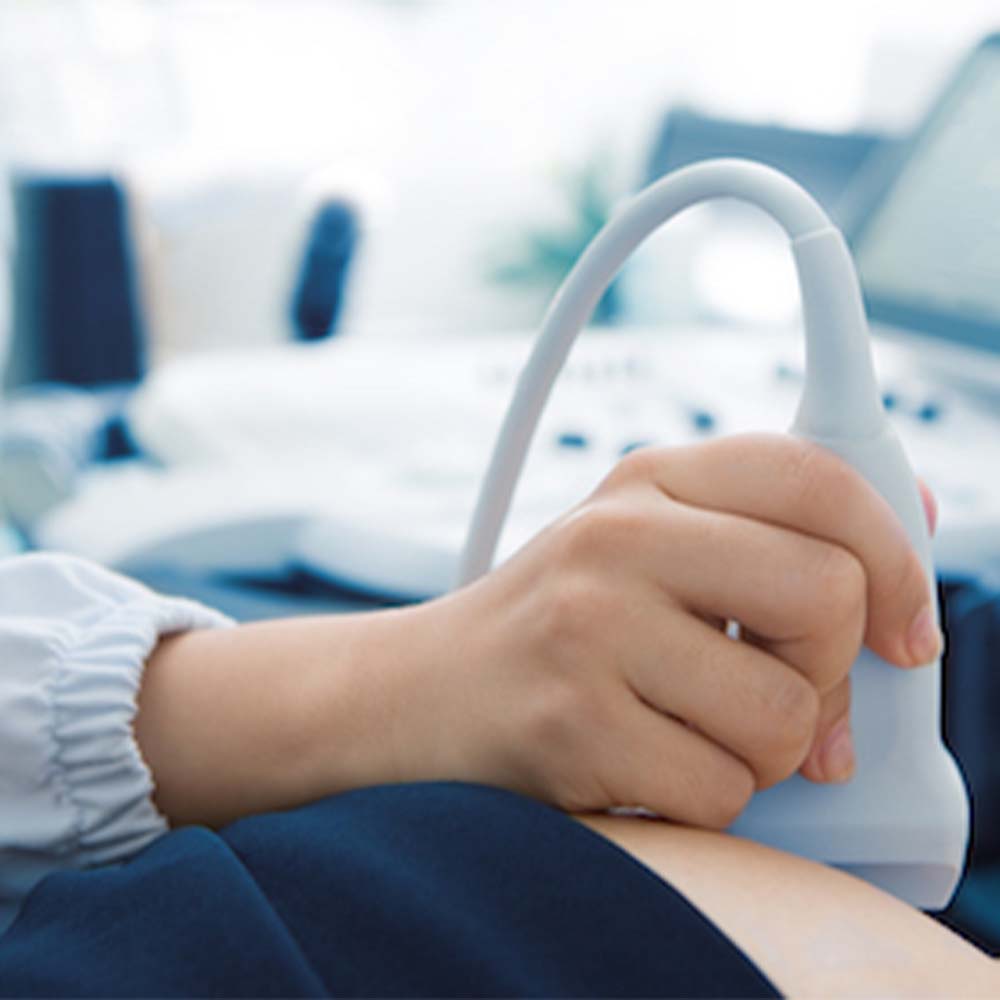
Researchers at UT Southwestern Medical Center studied outcomes for young women at a county hospital and found that while 97% of them accessed prenatal care, those with greater social needs were associated with adverse outcomes both during pregnancy and during the early weeks of their babies’ lives
Scientists find first in human evidence of how memories form: Newsroom - UT Southwestern, Dallas, Texas
https://www.utsouthwestern.edu/newsroom/articles/year-2021/how-memories-form.html
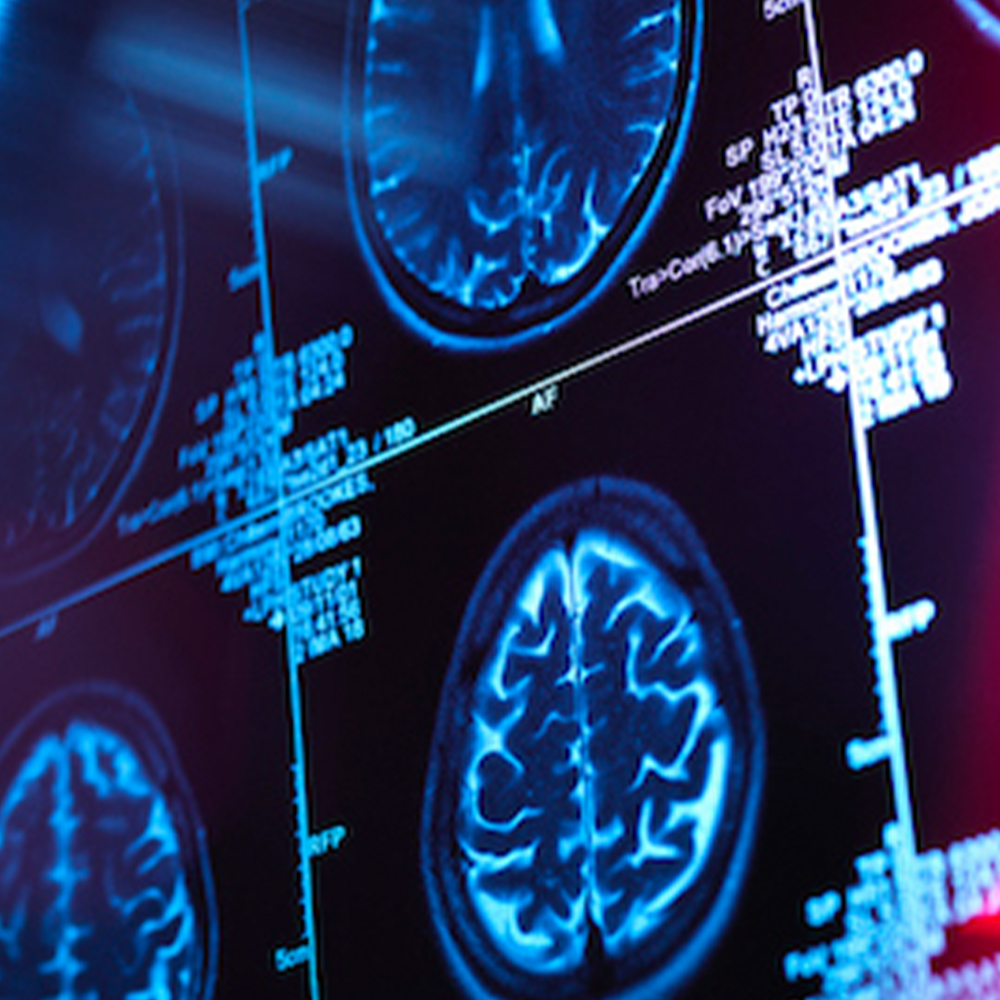
UT Southwestern researchers have identified the characteristics of more than 100 memory-sensitive neurons that play a central role in how memories are recalled in the brain.
HHMI Investigator/NAS member Dr. Beth Levine<br / >Director of UT Southwestern Center for Autophagy Research: 1960-2020: Newsroom - UT Southwestern, Dallas, Texas
https://www.utsouthwestern.edu/newsroom/articles/year-2020/beth-levine.html
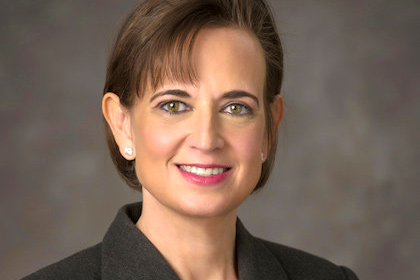
Dr. Beth Levine, UT Southwestern Professor of Internal Medicine and Microbiology, Director of the Center for Autophagy Research, and holder of the Charles Cameron Sprague Distinguished Chair in Biomedical Science, died Sunday after a battle with breast cancer.
QI study demonstrates better outcomes for NICU infants with optimized use of CPAP and surfactant: Newsroom - UT Southwestern, Dallas, Texas
https://www.utsouthwestern.edu/newsroom/articles/year-2021/nicu-infants.html
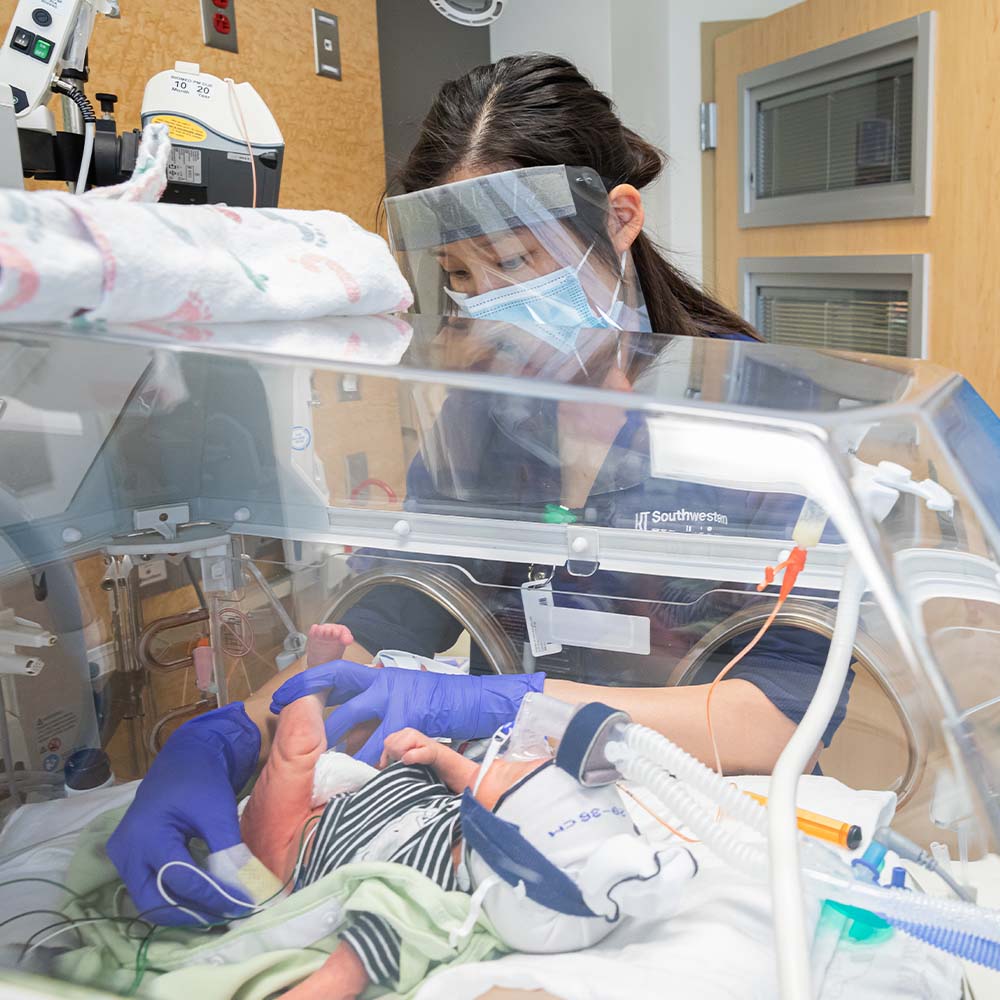
A study conducted at Parkland Health and Hospital System by neonatologists from UT Southwestern Medical Center showed that optimizing the use of continuous positive airway pressure, or CPAP – the same method used to treat patients with sleep apnea – decreased the need for mechanical ventilation in
UTSW among top three companies in the nation for new graduates: Newsroom - UT Southwestern, Dallas, Texas
https://www.utsouthwestern.edu/newsroom/articles/year-2021/forbes-new-graduates.html
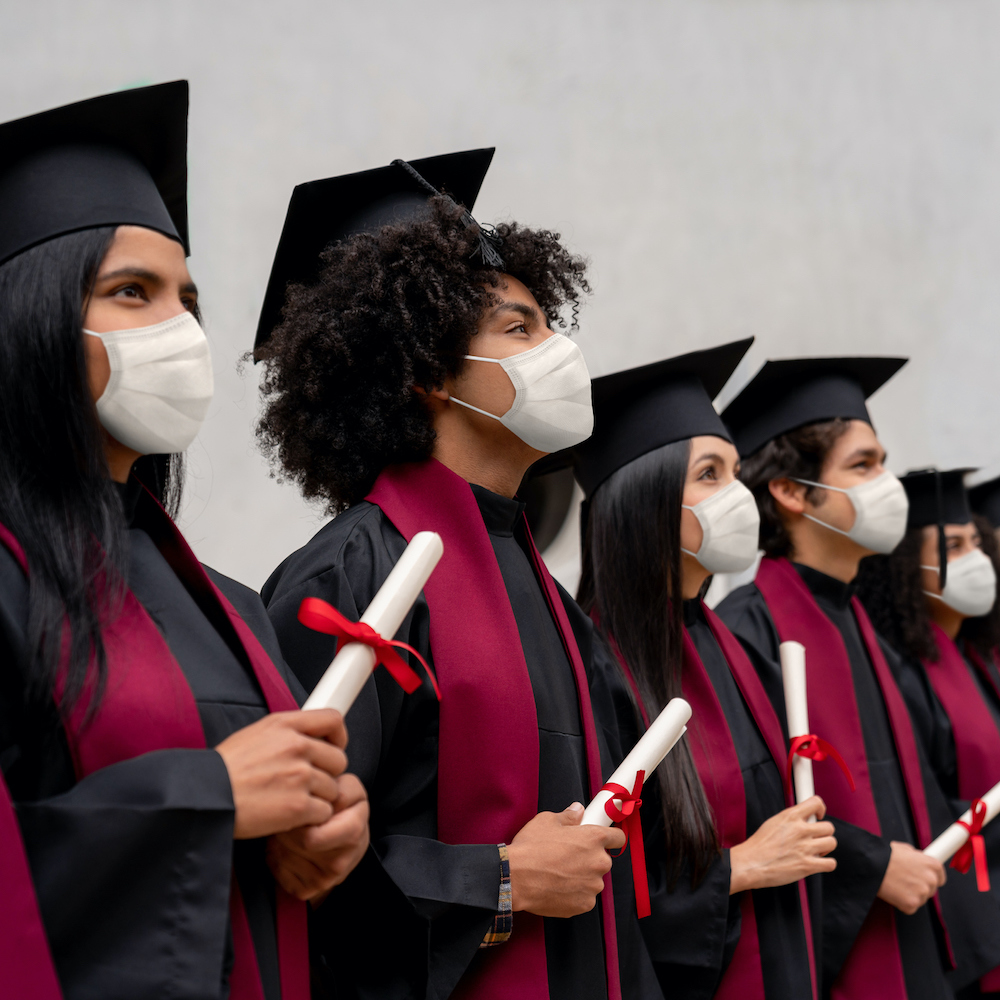
UT Southwestern Medical Center ranked No. 3 in the nation on Forbes’ list of America’s Best Employers For New Graduates, placing it in the top 1 percent, and highest among academic medical centers.
Intervention for patients hospitalized with HIV improved reengagement and outcomes of care: Newsroom - UT Southwestern, Dallas, Texas
https://www.utsouthwestern.edu/newsroom/articles/year-2020/hiv-outcomes.html
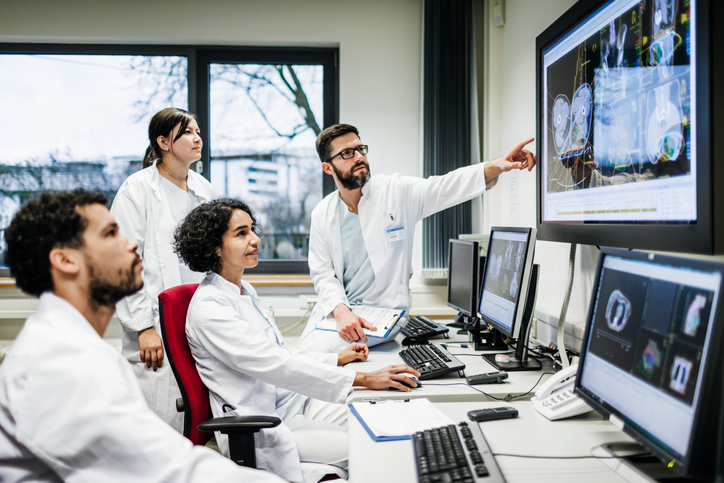
Providing multidisciplinary team consults for HIV patients while they are hospitalized to help address social and medical barriers reduces future infection rates and boosts participation in follow-up care, results from a study on how to reengage patients show.
Better measure of 'good cholesterol' can gauge heart attack and stroke risk in some populations: Newsroom - UT Southwestern, Dallas, Texas
https://www.utsouthwestern.edu/newsroom/articles/year-2020/good-cholesterol.html
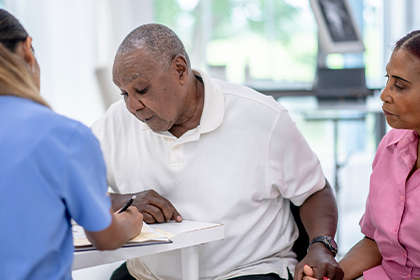
People with higher HDL cholesterol levels tend to have lower rates of cardiovascular disease.
UT Southwestern study defines anemia in pregnancy using uncomplicated U.S. cases: Newsroom - UT Southwestern, Dallas, Texas
https://www.utsouthwestern.edu/newsroom/articles/year-2022/anemia-in-pregnancy.html

Maternal anemia has the same definition across the sociodemographic spectrum, according to a UT Southwestern study of a diverse population of uncomplicated patients.
UTSW receives new CPRIT funding to advance cancer research: Newsroom - UT Southwestern, Dallas, Texas
https://www.utsouthwestern.edu/newsroom/articles/year-2021/cprit-funding.html
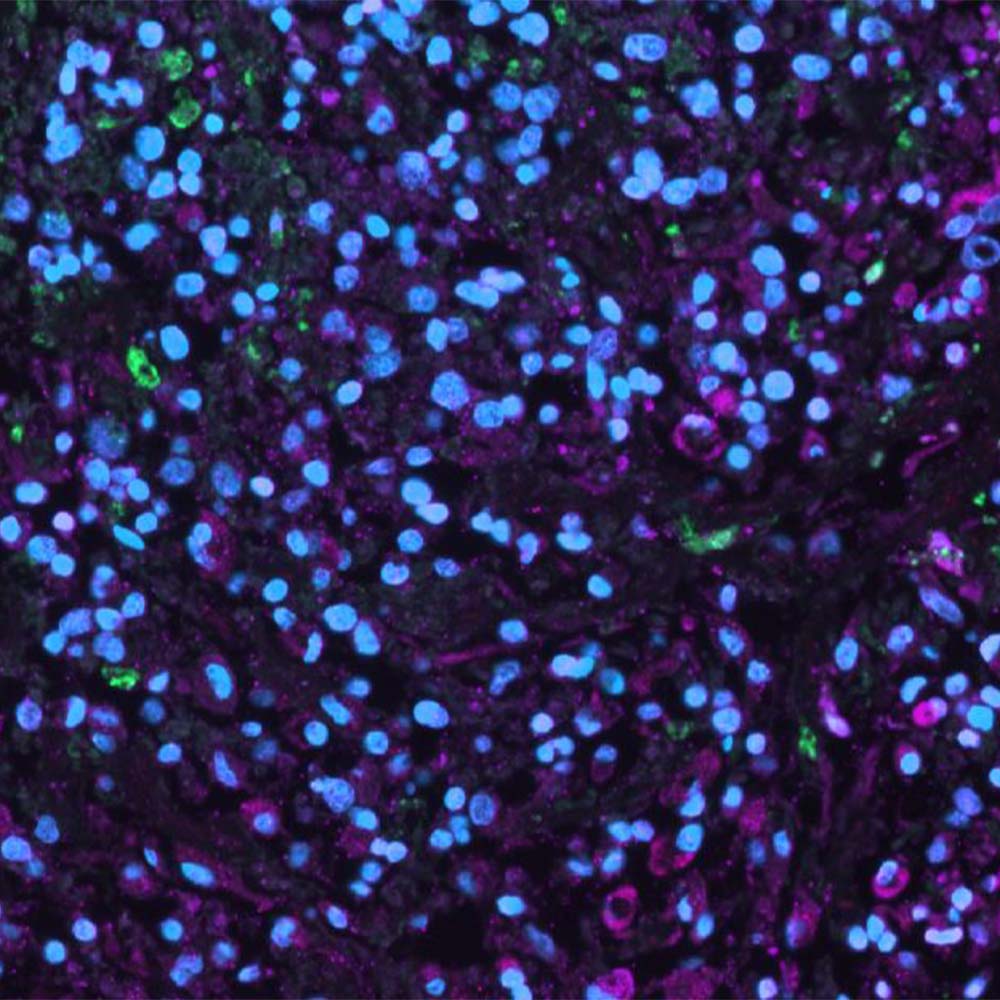
The Harold C. Simmons Comprehensive Cancer Center has been awarded grants from the Cancer Prevention and Research Institute of Texas to increase minority participation in clinical trials, expand lung cancer screening, develop brain tumor drugs, and advance innovations in drug discovery and
UT Southwestern identifies first reported Brazil variant of SARS-CoV-2 in North Texas: Newsroom - UT Southwestern, Dallas, Texas
https://www.utsouthwestern.edu/newsroom/articles/year-2021/brazil-variant.html
UT Southwestern Medical Center scientists have identified the first cases of the Brazilian variant of COVID-19 infection in North Texas using next-generation sequencing technologies along with PCR testing.