
Search
UTSW Research: Exploring essential tremor, GLP-1RAs, and more: Newsroom - UT Southwestern, Dallas, Texas
https://www.utsouthwestern.edu/newsroom/articles/year-2025/dec-research-roundup.html

Essential tremor (ET) is a common movement disorder affecting about 2% of the American population, and more than 20% of those over 90 years old. Despite its prevalence and decades of study, researchers don’t know the precise mechanisms underlying ET.
Think healthy at holiday meals: Don’t overfill your plate or stomach: Newsroom - UT Southwestern, Dallas, Texas
https://www.utsouthwestern.edu/newsroom/articles/year-2025/nov-holiday-meals.html

We’ve all been there: You’re gathered with family or friends for a delicious holiday meal. You start piling food on your plate, and before you know it, there’s no room left – and you haven’t even made it to the cranberry sauce and sweet potatoes.
Food as medicine: UTSW advances clinical nutrition care
https://www.utsouthwestern.edu/newsroom/articles/year-2025/sept-clinical-nutrition.html

A novel clinical pilot program at UT Southwestern Medical Center is transforming the role of nutrition education in patient care.
Biomarkers linked to side effects from cancer immunotherapy
https://www.utsouthwestern.edu/newsroom/articles/year-2025/sept-immunotherapy-biomarkers.html
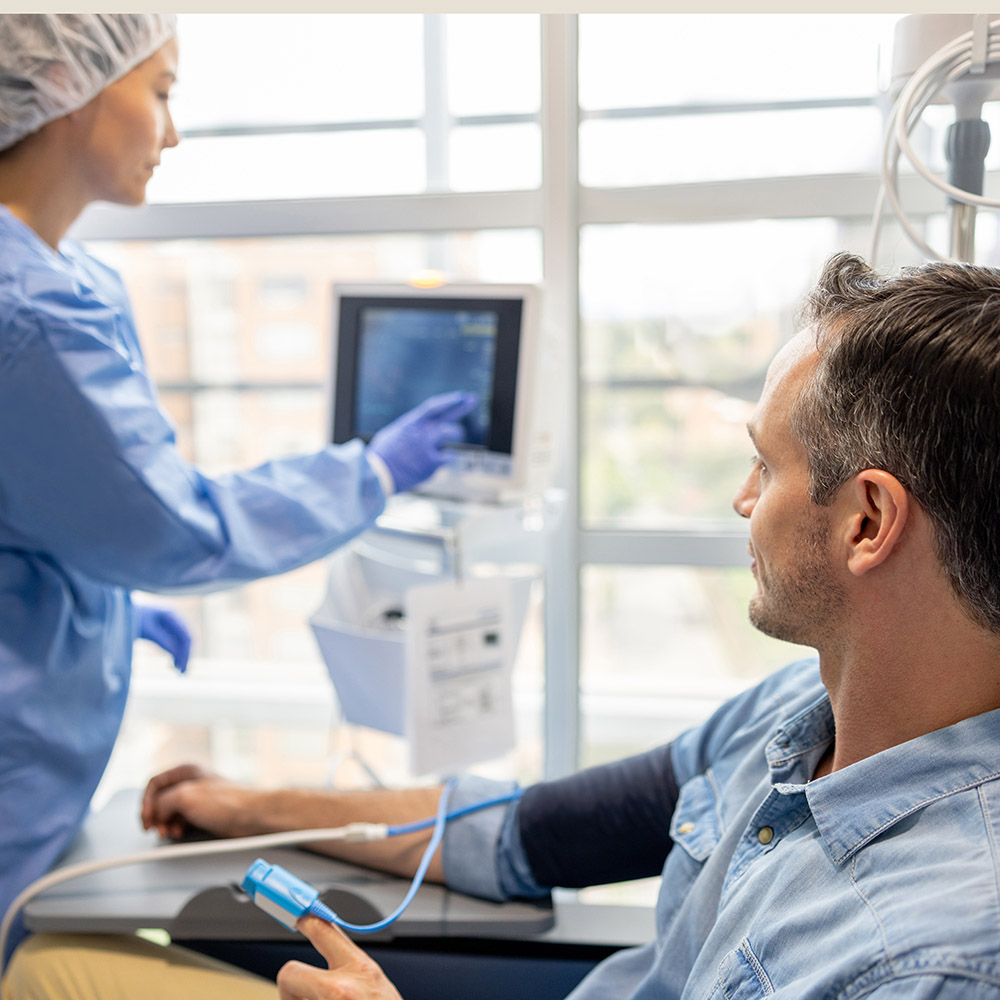
A team led by UT Southwestern Medical Center scientists has identified early signals from the immune system that could help predict which cancer patients are most likely to develop harmful side effects from immunotherapy.
Is vaping more harmful than smoking cigarettes? More people incorrectly think so: Newsroom - UT Southwestern, Dallas, Texas
https://www.utsouthwestern.edu/newsroom/articles/year-2026/march-e-cigarettes.html

A growing number of U.S. adults consider electronic cigarettes (e-cigarettes) more harmful than conventional cigarettes, UT Southwestern Medical Center researchers show in a study.
UT Southwestern Center for Depression Research and Clinical Care partnering on Lone Star Depression Challenge: Newsroom - UT Southwestern, Dallas, Texas
https://www.utsouthwestern.edu/newsroom/articles/year-2021/lone-star-depression.html
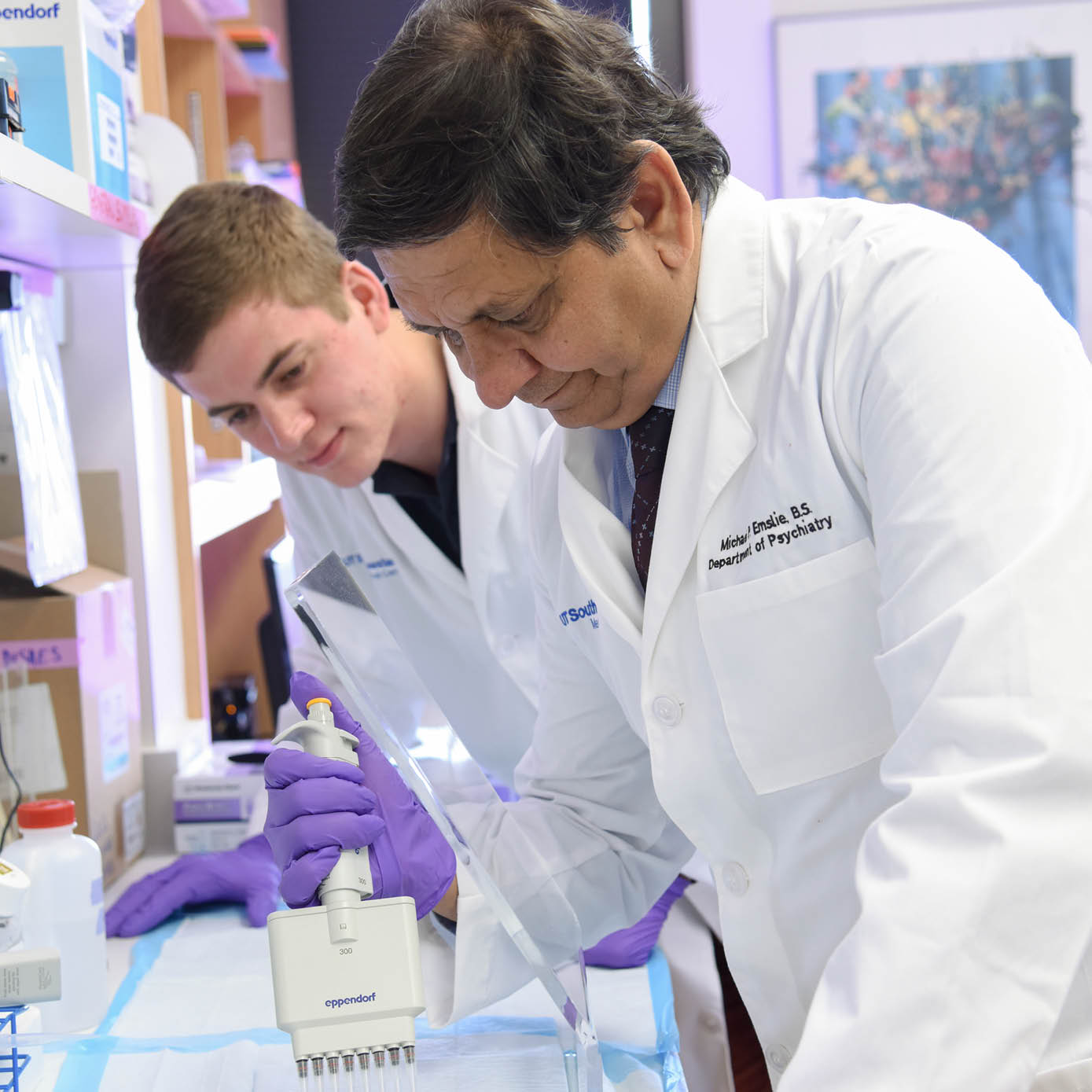
UT Southwestern Medical Center’s Center for Depression Research and Clinical Care is collaborating with mental health colleagues across the country to expand detection and treatment for depression and other disorders across Texas as part of the Lone Star Depression Challenge.
UT Southwestern cell biologist to receive Maddox Award from TAMEST: Newsroom - UT Southwestern, Dallas, Texas
https://www.utsouthwestern.edu/newsroom/articles/year-2025/dec-maddox-tamest.html

Maralice Conacci-Sorrell, Ph.D., Associate Professor of Cell Biology at UT Southwestern Medical Center, is the recipient of the 2026 Mary Beth Maddox Award and Lectureship from the Texas Academy of Medicine, Engineering, Science & Technology (TAMEST).
UTSW Research: Mosquito saliva and malaria, brain tumors, and more: Newsroom - UT Southwestern, Dallas, Texas
https://www.utsouthwestern.edu/newsroom/articles/year-2025/march-research-roundup.html
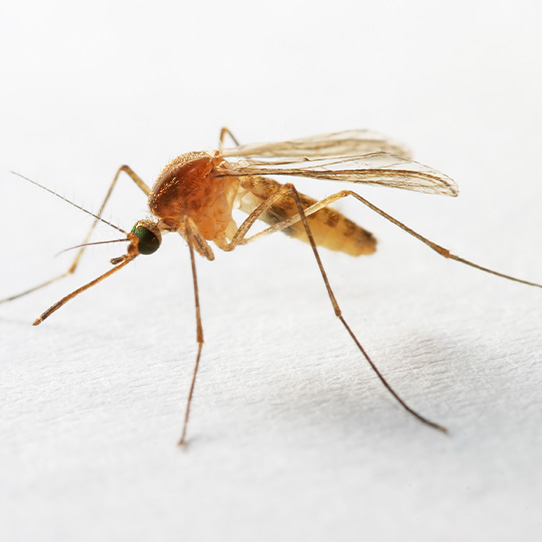
Malaria, responsible for hundreds of thousands of deaths each year worldwide, is caused by a parasite transmitted through the salivary glands of female Anopheles mosquitoes. Understanding the biology of these tissues is critical to developing new treatments for the disease, found mostly in tropical
A powerhouse of obesity research – then and now: Newsroom - UT Southwestern, Dallas, Texas
https://www.utsouthwestern.edu/newsroom/articles/year-2024/sept-obesity-research.html
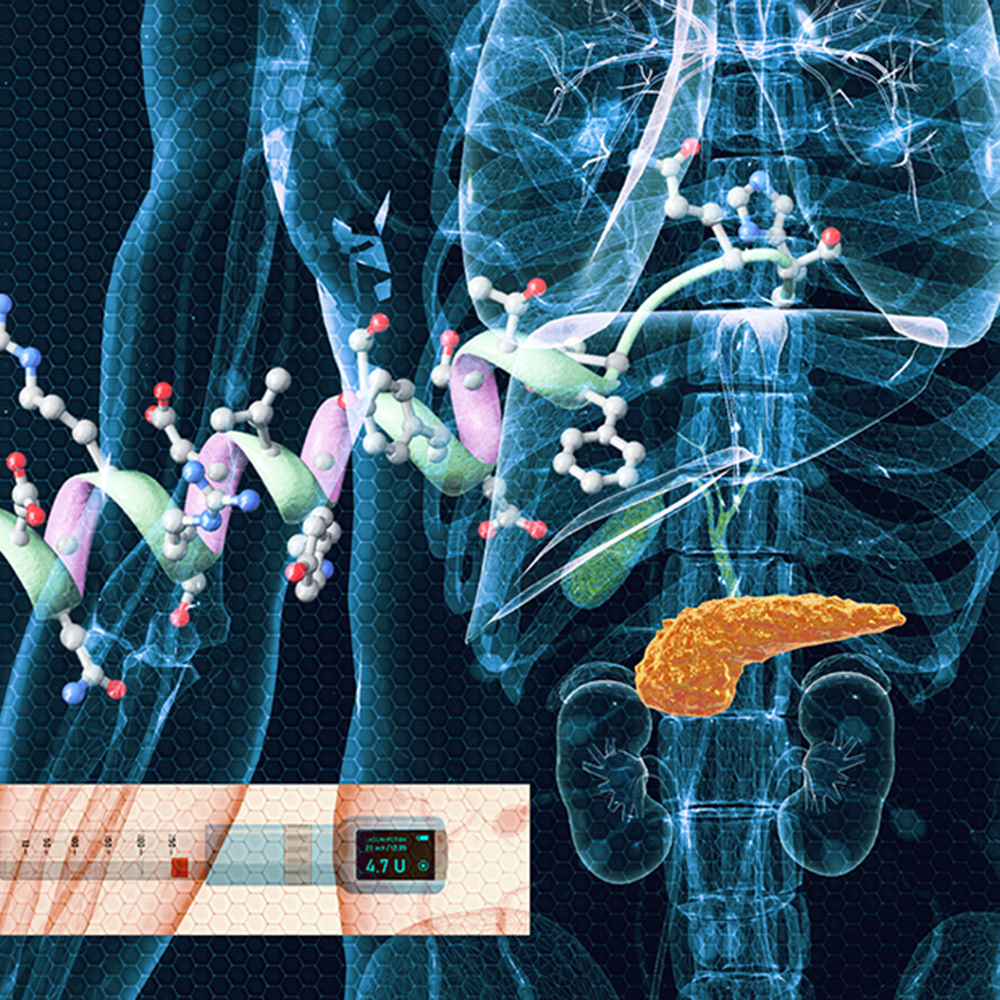
As weight-loss drugs capture the public’s imagination, UTSW and its Nutrition Obesity Research Center are uniquely positioned to lead the way in discovery, education, and community outreach.
In Memoriam: Jean Wilson, M.D., made scientific discoveries that led to effective prostate treatments, insights into sexual differentiation: Newsroom - UT Southwestern, Dallas, Texas
https://www.utsouthwestern.edu/newsroom/articles/year-2021/in-memoriam-wilson.html
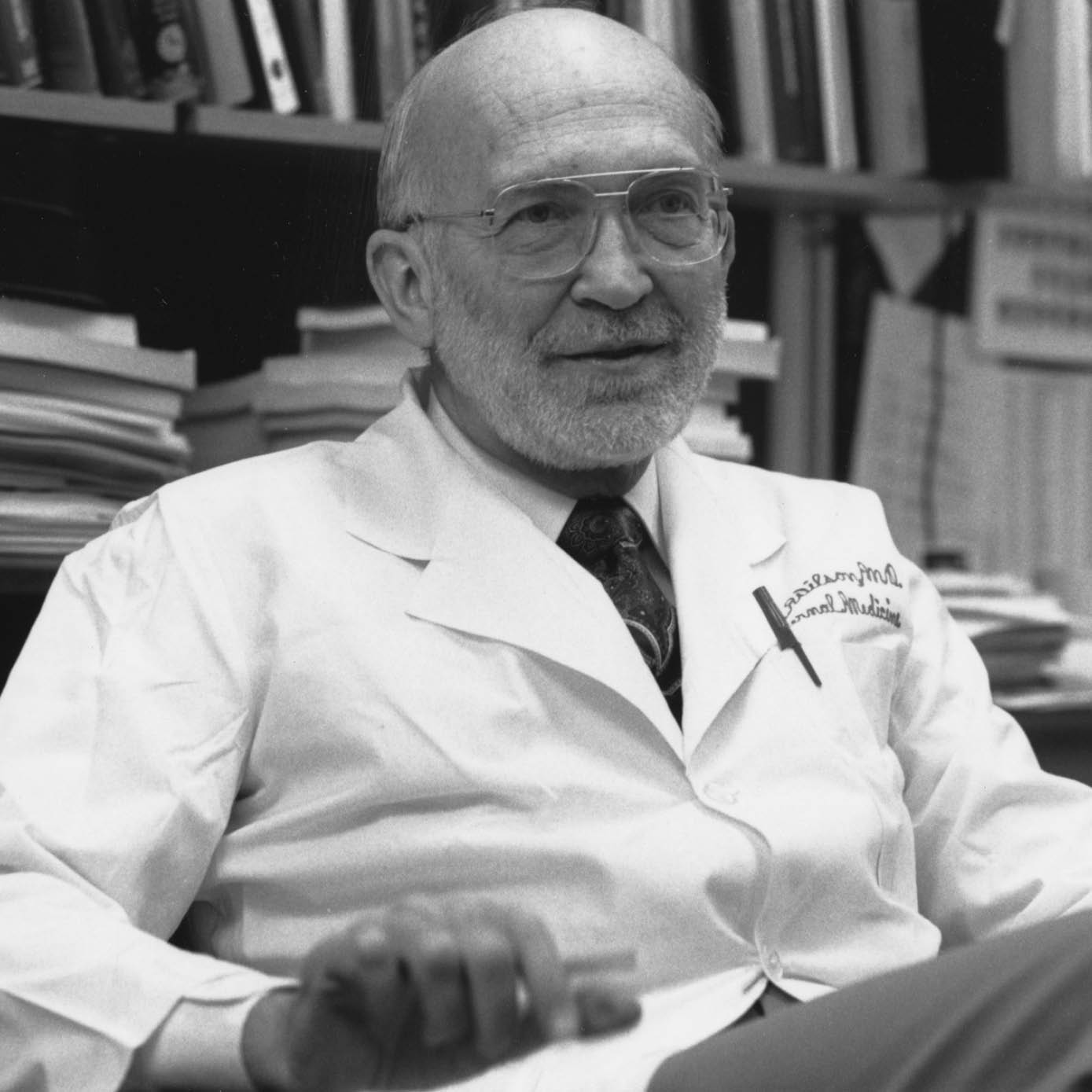
Jean D. Wilson, M.D., an internationally known endocrinologist whose scientific discoveries led to profound insights into the mechanisms underlying sexual differentiation and led to now widely used treatments for prostate disease, died June 13. He was 88.