
Search
Breast cancer drug benefits broader group of patients, trial shows: Newsroom - UT Southwestern, Dallas, Texas
https://www.utsouthwestern.edu/newsroom/articles/year-2022/october-breast-cancer-drug.html

A drug approved to treat breast cancer patients with mutations in the BRCA1 or BRCA2 genes may also benefit people who have other genetic mutations.
Preventing “identity theft” in prostate cancer cells re-sensitizes them to therapy: Newsroom - UT Southwestern, Dallas, Texas
https://www.utsouthwestern.edu/newsroom/articles/year-2022/october-prostate-cancer-cells.html

UTSW study suggests combination therapy might help prostate cancer patients overcome resistance to current treatments.
Disease control, safe medications critical to pregnancies for women with rheumatic disease: Newsroom - UT Southwestern, Dallas, Texas
https://www.utsouthwestern.edu/newsroom/articles/year-2022/july-women-with-rheumatic-disease.html

Pregnant women with active rheumatic disease carry a higher risk of adverse outcomes than the general population including hypertension, preeclampsia, higher cesarean section rate, small for gestational aged infants, preterm delivery, and fetal loss.
Safer imaging technology for complex aortic repairs uses light instead of X-rays: Newsroom - UT Southwestern, Dallas, Texas
https://www.utsouthwestern.edu/newsroom/articles/year-2022/august-safer-imaging-technology.html
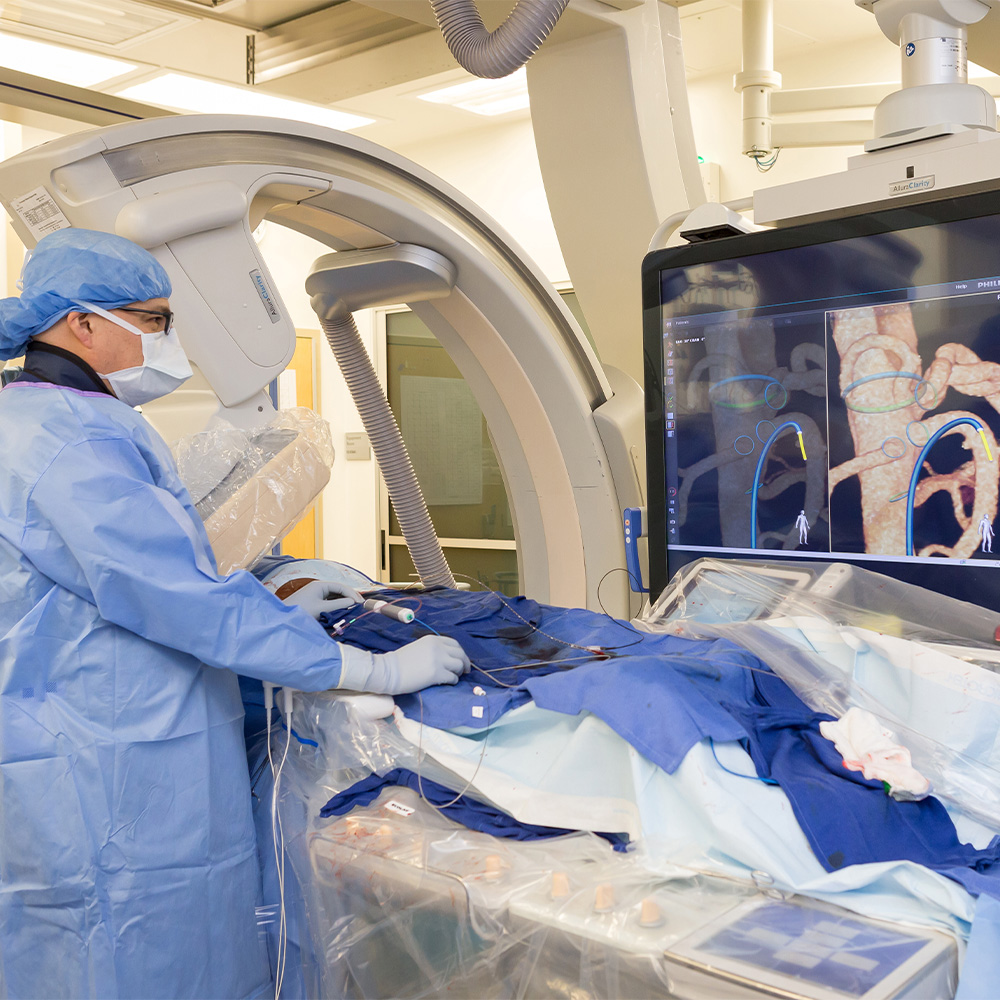
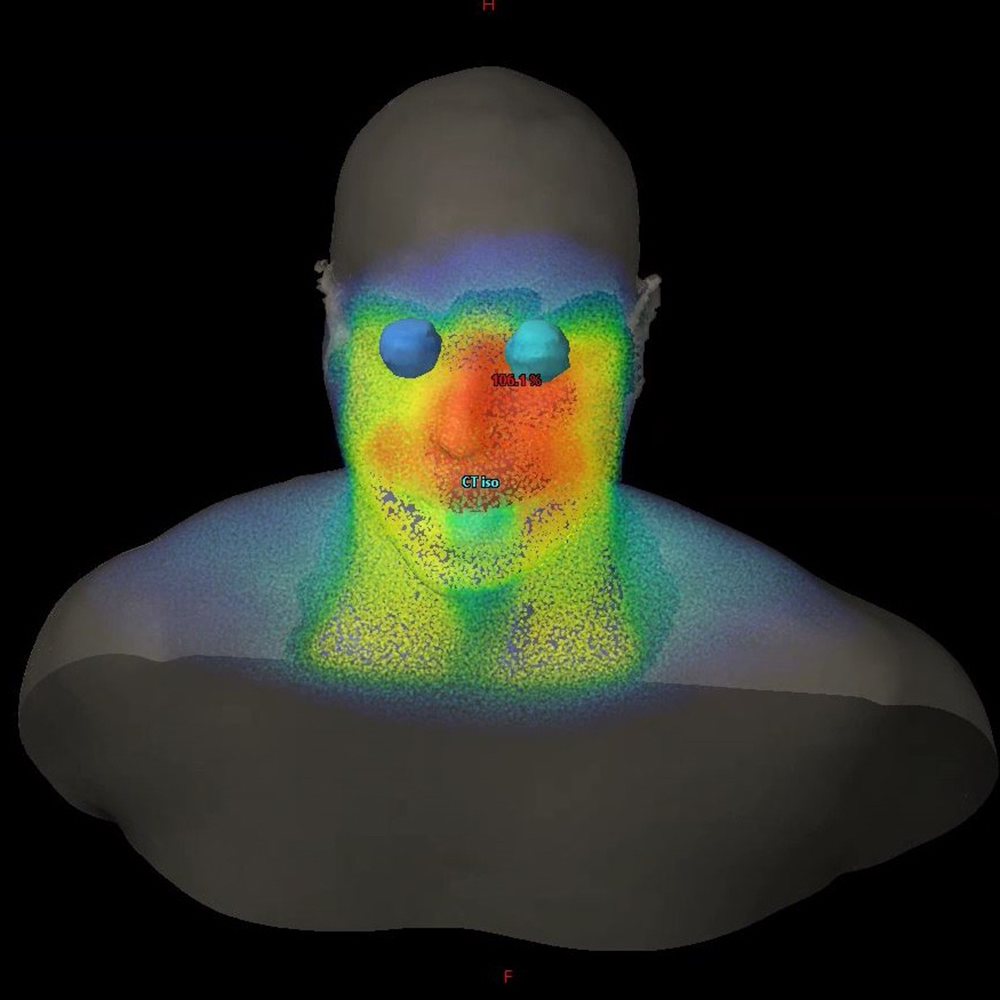
A new imaging device at UT Southwestern is making complex aortic repairs safer for patients and operating room staff by dramatically reducing their exposure to radiation.
How AI will enhance health care: Newsroom - UT Southwestern, Dallas, Texas
https://www.utsouthwestern.edu/newsroom/articles/year-2024/may-ai-health-care.html
Artificial intelligence is rapidly reshaping the landscape of health care, revolutionizing scientific discovery, drug development, diagnosis and treatment, as well as health care delivery operations. As with any emerging technology, its success lies in its implementation, and The University of Texas
International policy adviser, epidemiologist Dr. Saad Omer selected inaugural dean for UT Southwestern’s O’Donnell School of Public Health: Newsroom - UT Southwestern, Dallas, Texas
https://www.utsouthwestern.edu/newsroom/articles/year-2023/january-omer-inaugural-dean.html
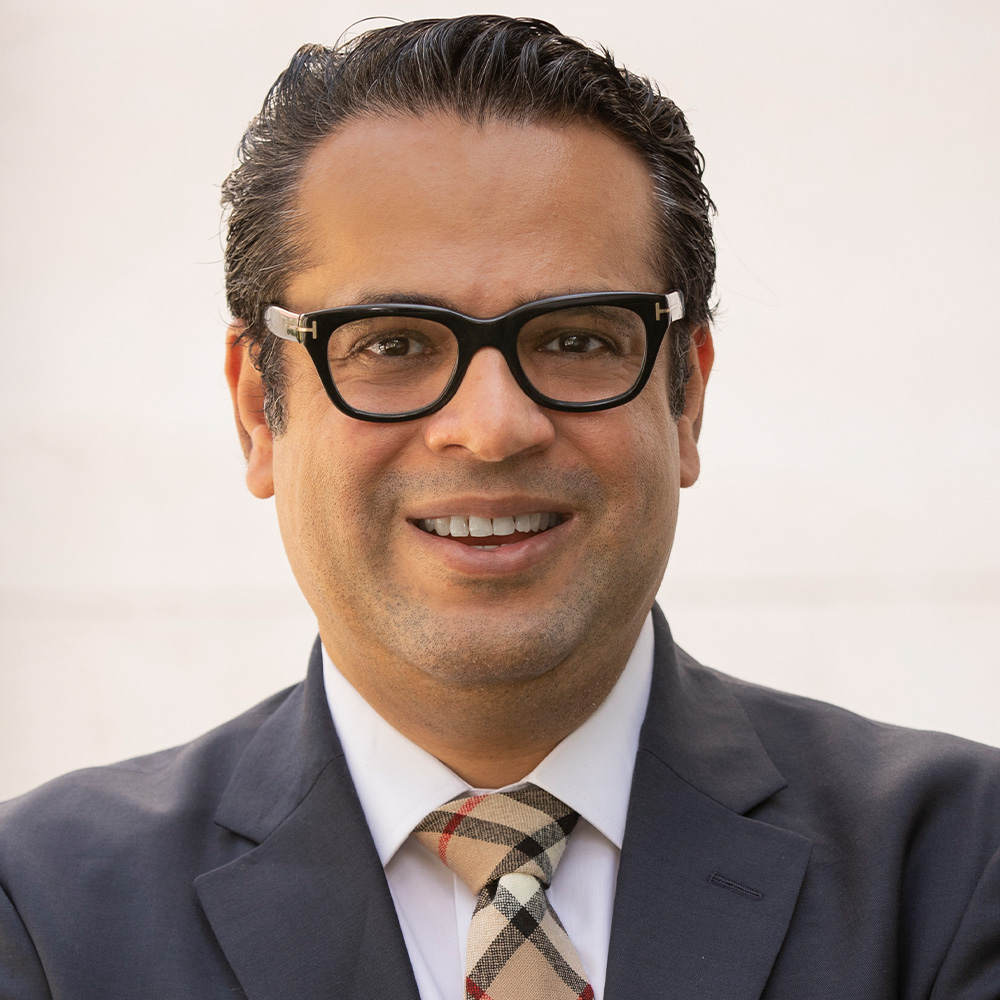
Internationally recognized epidemiologist Saad B. Omer, M.B.B.S, Ph.D., who currently directs the Yale Institute for Global Health, has been appointed the inaugural Dean of the Peter O’Donnell Jr. School of Public Health at UT Southwestern Medical Center.
UT Southwestern immunologists uncover obesity-linked trigger to severe form of liver disease: Newsroom - UT Southwestern, Dallas, Texas
https://www.utsouthwestern.edu/newsroom/articles/year-2022/december-obesity-linked-trigger.html
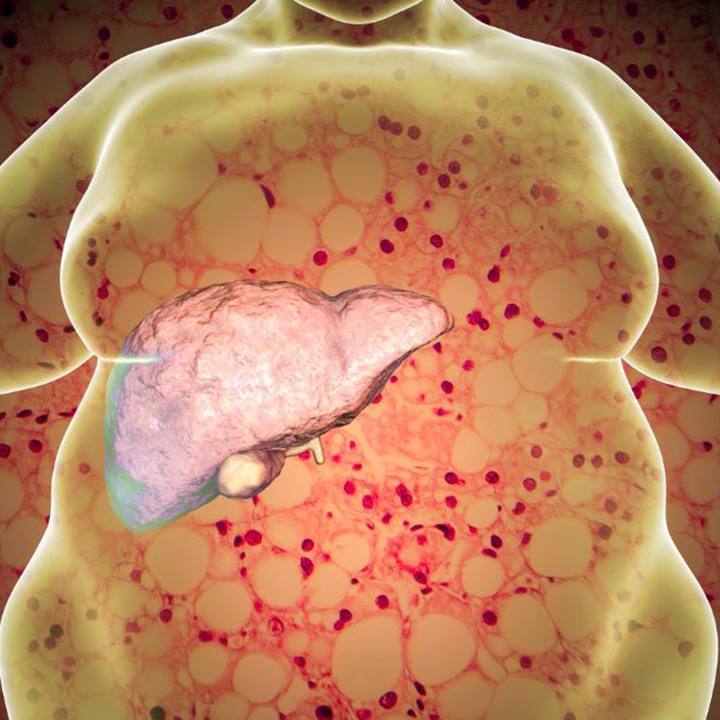
UT Southwestern immunologists have uncovered a key pathogenic event prompted by obesity that can trigger severe forms of nonalcoholic fatty liver disease and potential liver failure.
A master gear in the circadian clock: Newsroom - UT Southwestern, Dallas, Texas
https://www.utsouthwestern.edu/newsroom/articles/year-2021/a-master-gear-in-the-circadian-clock.html
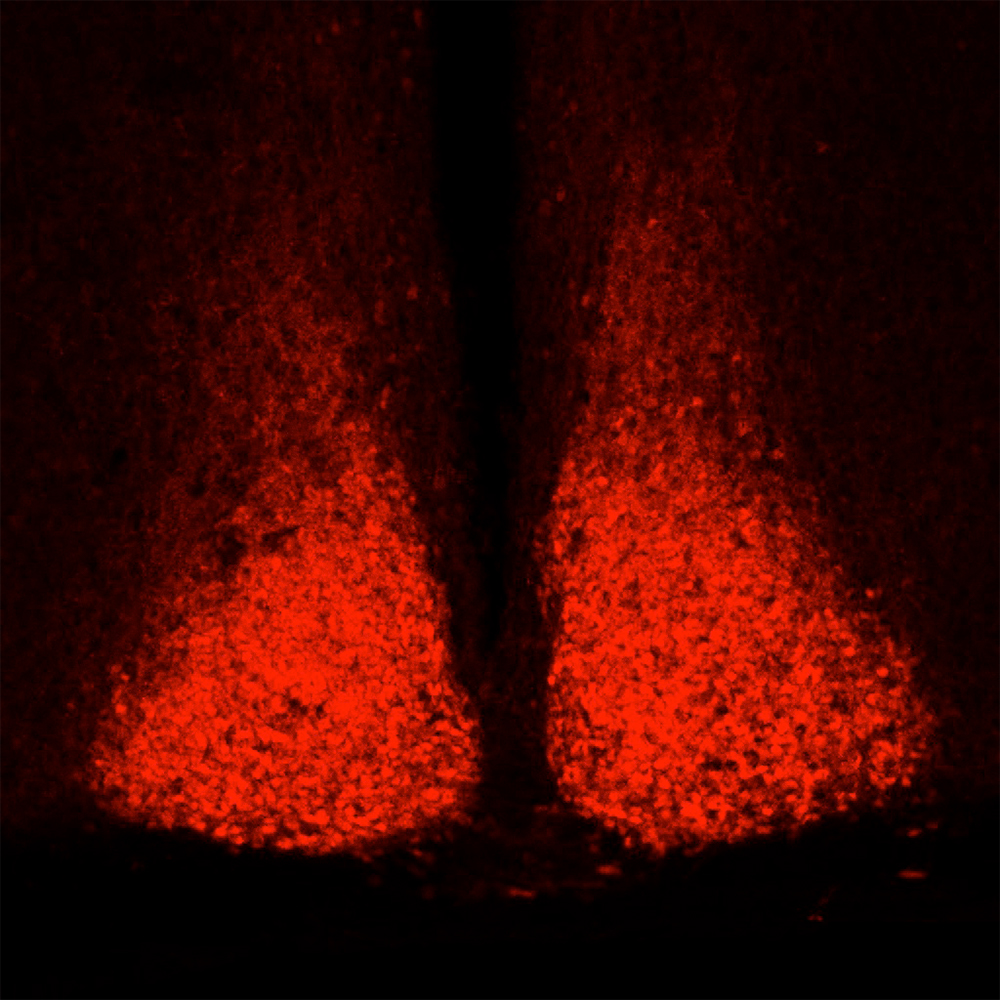
A gene called Npas4, already known to play a key role in balancing excitatory and inhibitory inputs in brain cells, appears to also be a master timekeeper for the brain’s circadian clock, new research led by UT Southwestern scientists suggests.
Culinary Medicine programs aim to improve nutrition education for doctors : Newsroom - UT Southwestern, Dallas, Texas
https://www.utsouthwestern.edu/newsroom/articles/year-2022/september-culinary-medicine-programs.html

Culinary medicine programs are emerging at medical schools to meet a critical need to improve nutrition education in an era of unprecedented diet-related health problems including obesity and cardiovascular disease.
UTSW scientists identify pathway to curb spread of brain cancer : Newsroom - UT Southwestern, Dallas, Texas
https://www.utsouthwestern.edu/newsroom/articles/year-2022/august-spread-of-brain-cancer.html
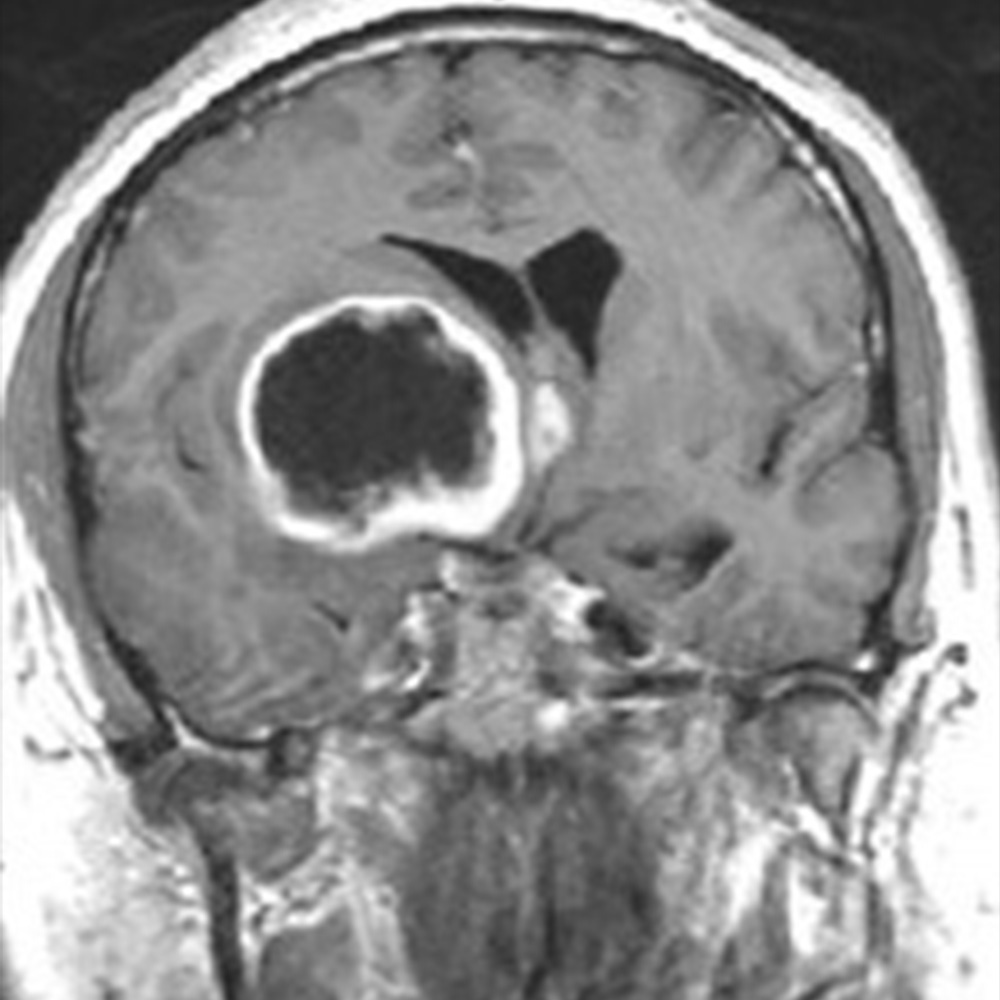
UT Southwestern researchers have identified a molecular pathway responsible for the spread of glioblastoma to surrounding tissue in the brain, as well as an existing drug that curbed tumor growth in animal models.