
Search
How the brain remembers right place, right time: Newsroom - UT Southwestern, Dallas, Texas
https://www.utsouthwestern.edu/newsroom/articles/year-2020/how-the-brain-remembers-right-place-right-time.html
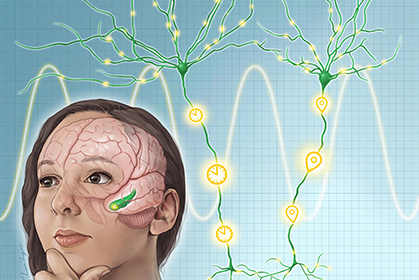
Two studies led by UT Southwestern researchers shed new light on how the brain encodes time and place into memories.
COVID-19 patient outcomes affected by cardiovascular risk : Newsroom - UT Southwestern, Dallas, Texas
https://www.utsouthwestern.edu/newsroom/articles/year-2020/covid-19-patient-outcomes-affected-by-cardiovascular-risk.html
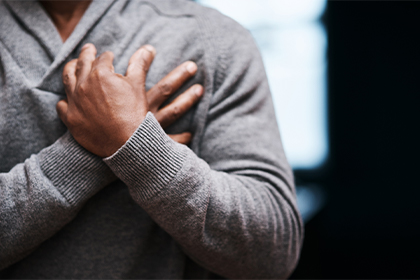
Research presented today by UT Southwestern cardiologists at the annual American Heart Association (AHA) Scientific Sessions 2020 showed that Black and Hispanic people were more likely to be hospitalized with COVID-19 than white patients, and that nonwhite men with cardiovascular disease or risk
Scientists identify cells responsible for liver tissue maintenance and regeneration: Newsroom - UT Southwestern, Dallas, Texas
https://www.utsouthwestern.edu/newsroom/articles/year-2021/scientists-identify-cells-responsible-for-liver-tissue.html
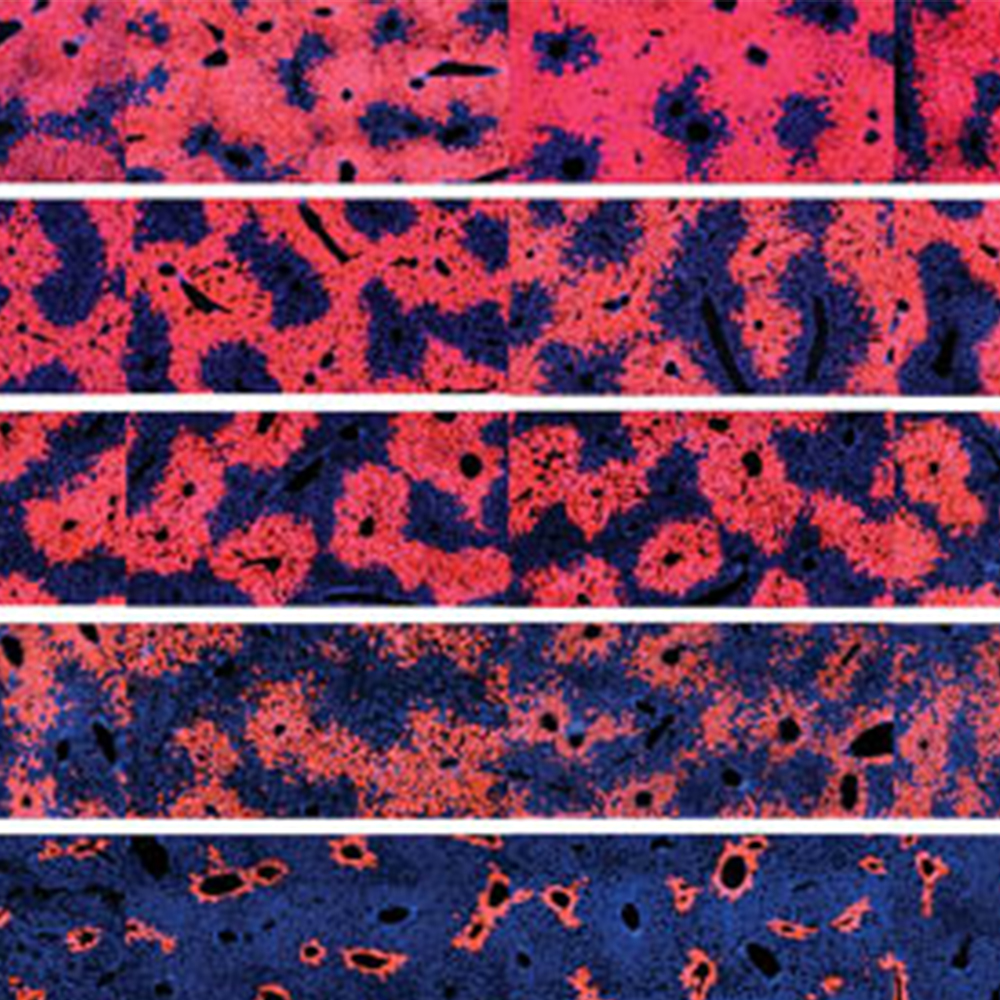
While the amazing regenerative power of the liver has been known since ancient times, the cells responsible for maintaining and replenishing the liver have remained a mystery.
Development of new stem cell type may lead to advances in regenerative medicine: Newsroom - UT Southwestern, Dallas, Texas
https://www.utsouthwestern.edu/newsroom/articles/year-2020/new-stem-cell-regenerative-medicine.html

A team led by UT Southwestern has derived a new “intermediate” embryonic stem cell type from multiple species that can contribute to chimeras and create precursors to sperm and eggs in a culture dish.
UT Southwestern to host virtual discussion on ‘Black Men in White Coats’ documentary: Newsroom - UT Southwestern, Dallas, Texas
https://www.utsouthwestern.edu/newsroom/articles/year-2021/black-men-in-white-coats-documentary.html

The importance of increasing the number of Black male doctors in the United States will be the subject of a virtual panel discussion at UT Southwestern in advance of the release of a documentary on the issue.
UTSW findings advance RAS inhibitors for use in fighting more cancers: Newsroom - UT Southwestern, Dallas, Texas
https://www.utsouthwestern.edu/newsroom/articles/year-2021/ras-inhibitors-for-use-in-fighting-more-cancers.html
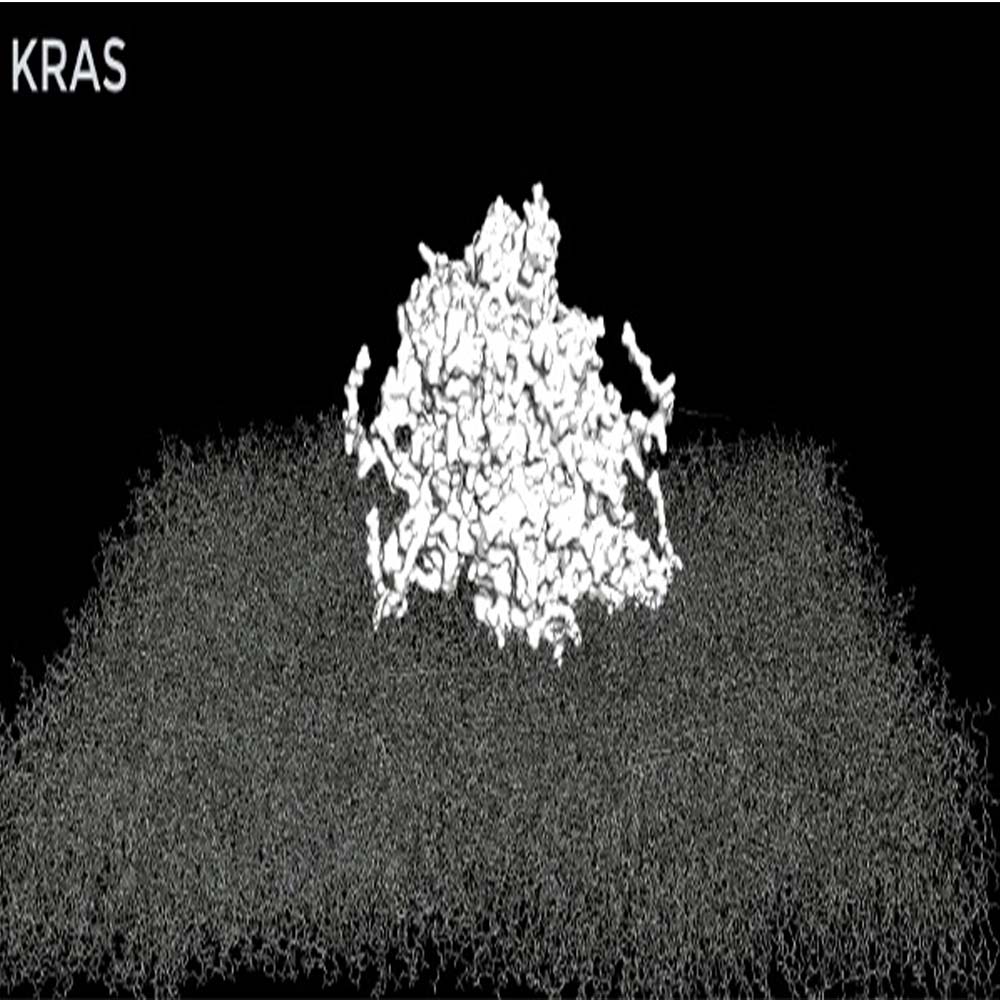
New findings by UT Southwestern researchers help better understand the how one of the most commonly mutated genetic drivers of cancer passes signals that cause the disease.
Tumors hijack the cell death pathway to live: Newsroom - UT Southwestern, Dallas, Texas
https://www.utsouthwestern.edu/newsroom/articles/year-2020/tumors-hijack-the-cell-death-pathway-to-live.html
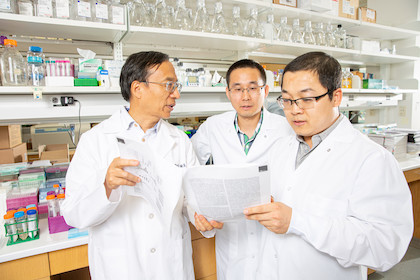
Cancer cells avoid an immune system attack after radiation by commandeering a cell signaling pathway that helps dying cells avoid triggering an immune response
UTSW infectious diseases experts offer advice on second booster : Newsroom - UT Southwestern, Dallas, Texas
https://www.utsouthwestern.edu/newsroom/articles/year-2022/june-predict-liver-cancer-risk.html
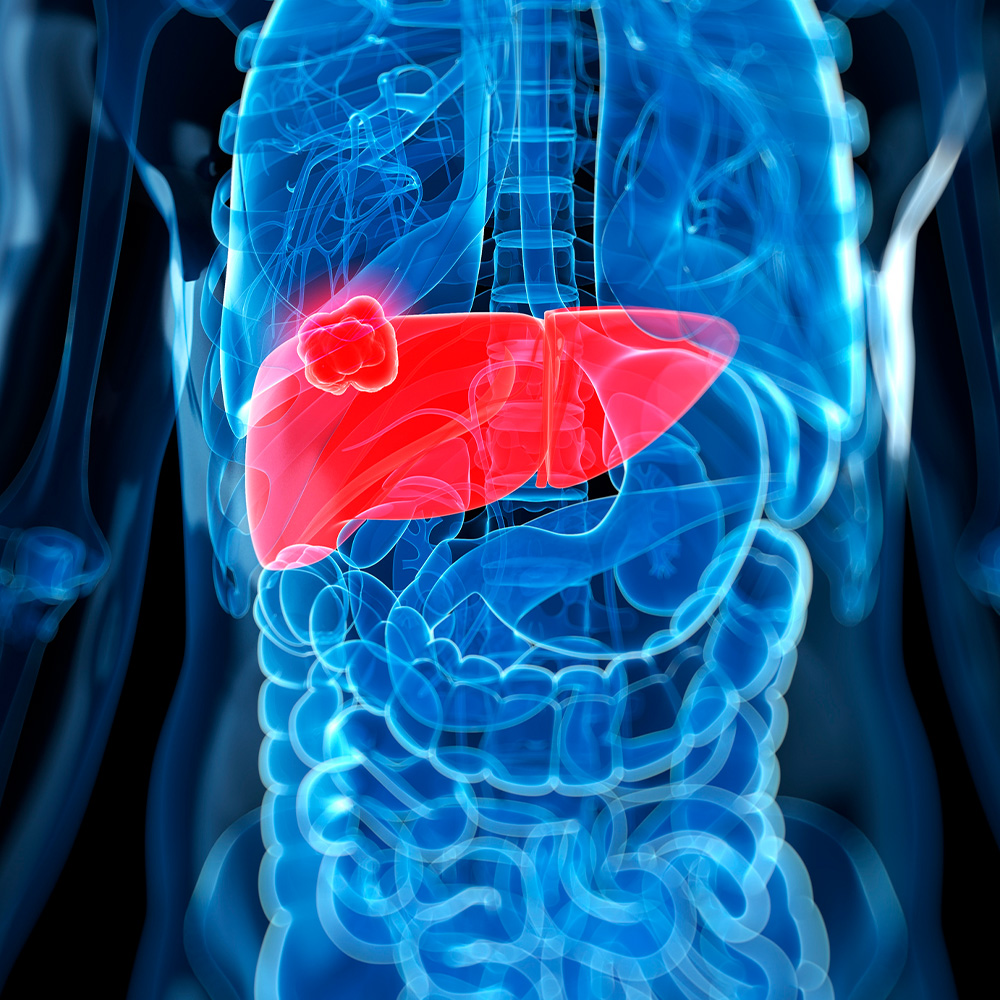
An estimated one-quarter of adults in the U.S. have nonalcoholic fatty liver disease (NAFLD), an excess of fat in liver cells that can cause chronic inflammation and liver damage, increasing the risk of liver cancer.
UT Southwestern’s nationally ranked geriatric care receives international exemplar status: Newsroom - UT Southwestern, Dallas, Texas
https://www.utsouthwestern.edu/newsroom/articles/year-2022/october-nationally-ranked-geriatric-care.html
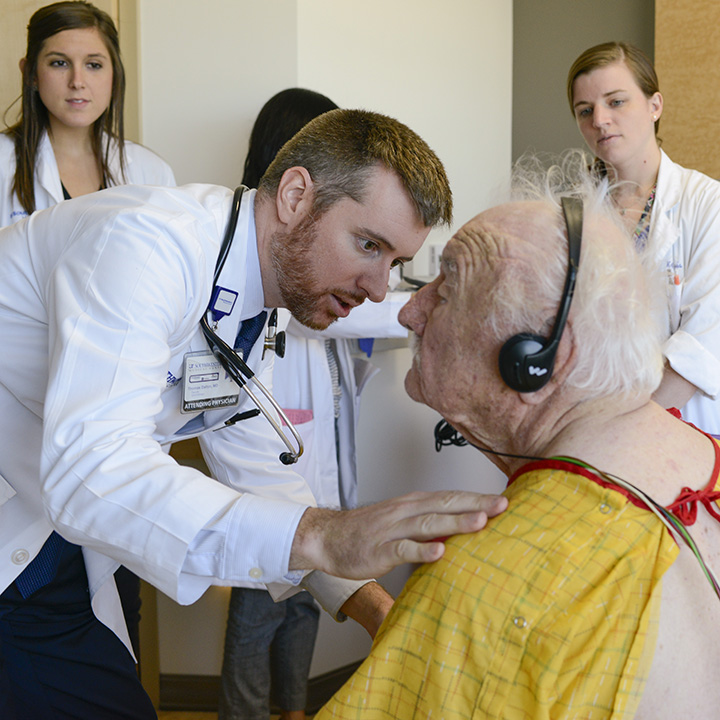
UT Southwestern Medical Center has received exemplar status by the Nurses Improving Care for Healthsystem Elders (NICHE).
UTSW researchers find no decrease in preterm births with vaginal progesterone: Newsroom - UT Southwestern, Dallas, Texas
https://www.utsouthwestern.edu/newsroom/articles/year-2022/october-preterm-births-with-vaginal-progesterone.html
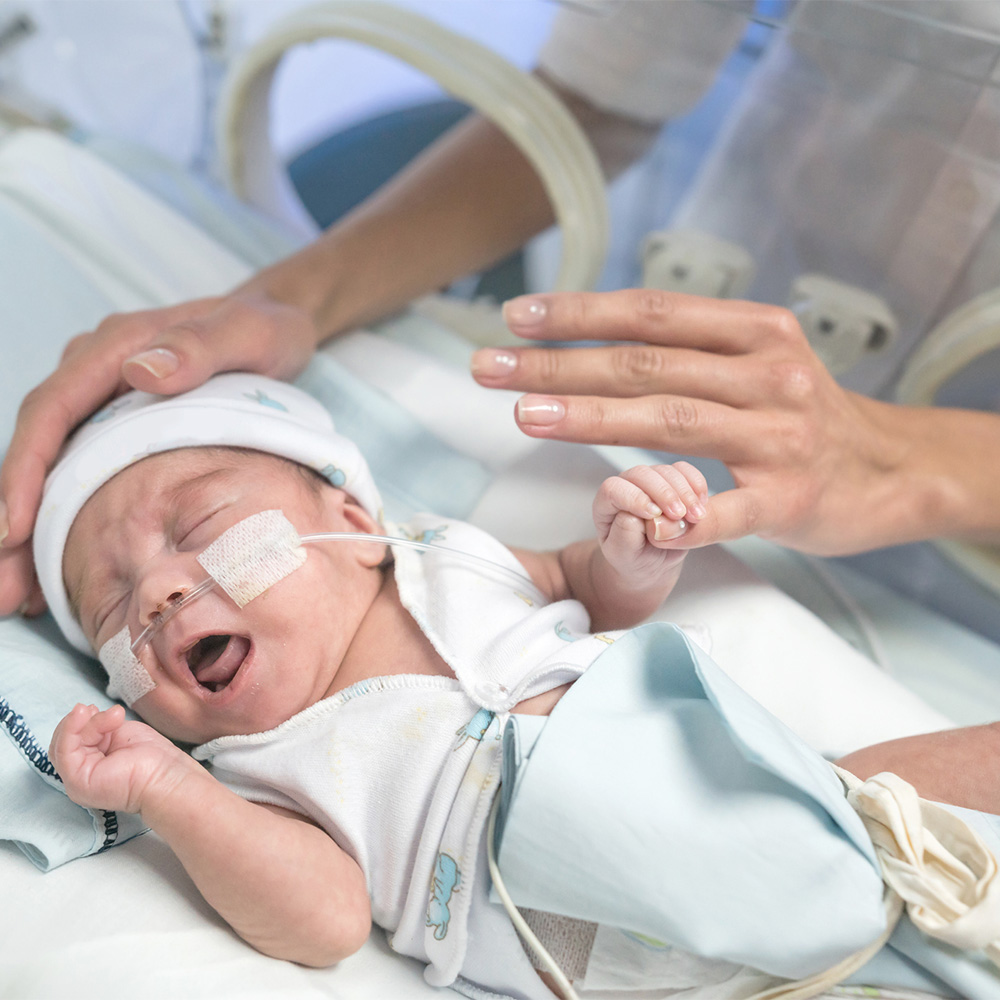
Vaginal progesterone, a hormone treatment considered the standard of care for preventing preterm birth in at-risk pregnant women, may not be effective, according to UT Southwestern researchers.