
Search
Two-step screening strategy could reduce diabetic heart failure: Newsroom - UT Southwestern, Dallas, Texas
https://www.utsouthwestern.edu/newsroom/articles/year-2023/dec-could-reduce-diabetic-heart-failure.html
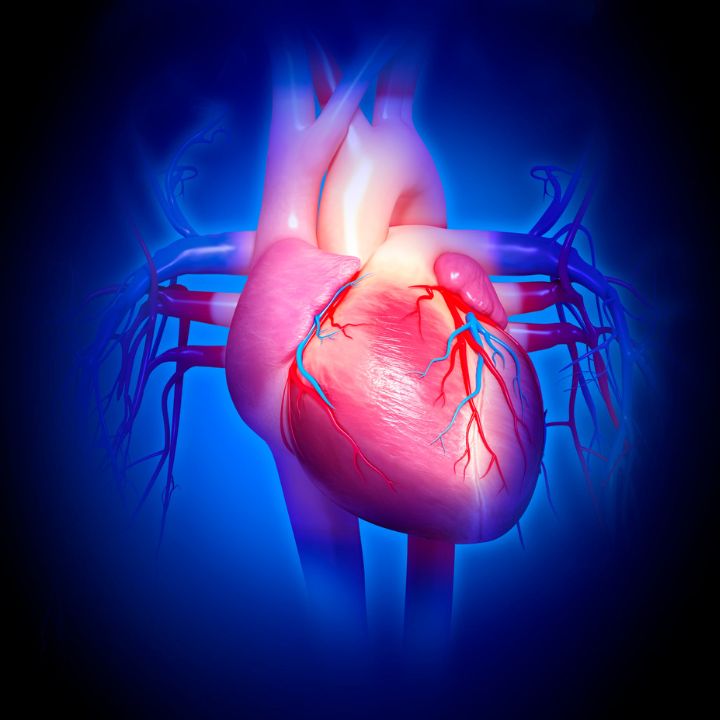
A two-step screening protocol that combines clinical risk assessment with biomarker testing can more effectively identify which patients with Type 2 diabetes need medication to prevent heart failure, according to a study led by UT Southwestern Medical Center researchers.
Moncrief Cancer Institute debuts new Mobile Screening Clinic funded by Tarrant County : Newsroom - UT Southwestern, Dallas, Texas
https://www.utsouthwestern.edu/newsroom/articles/year-2024/march-moncrief-cancer-institute-mobile-screening.html
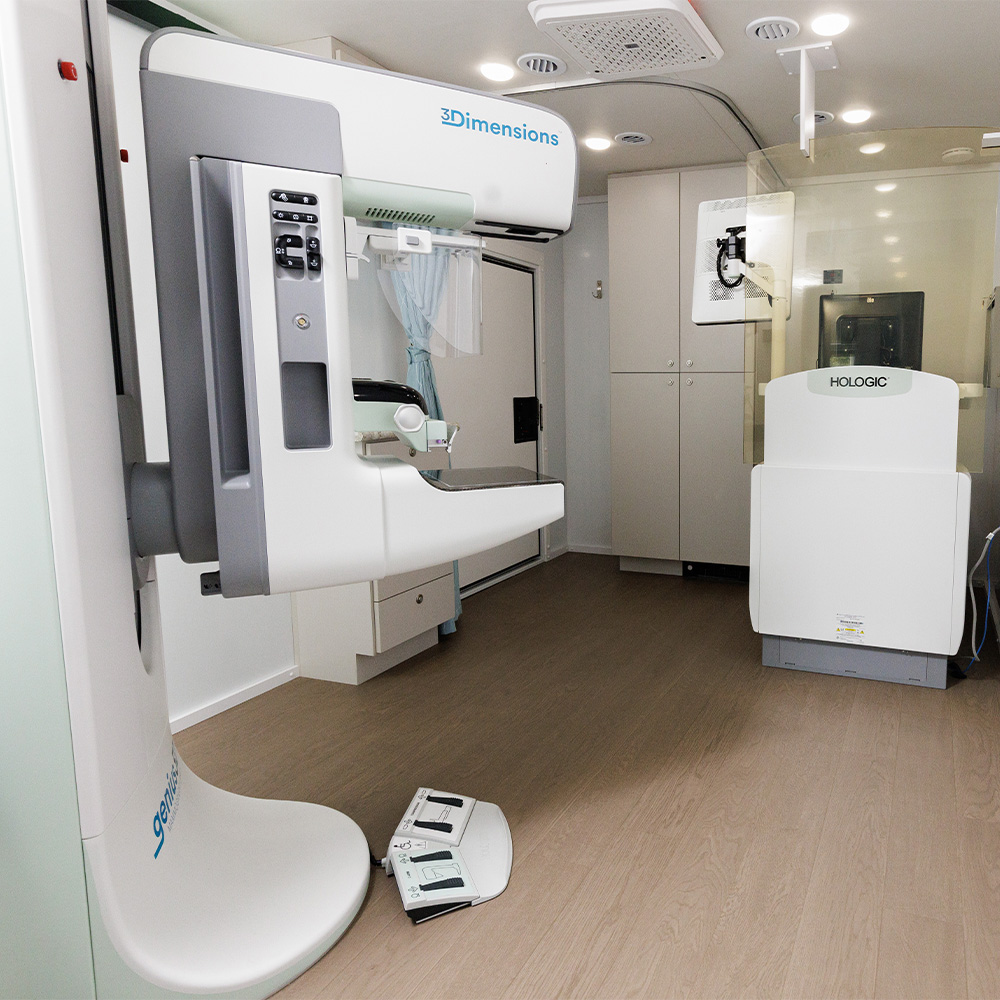
Moncrief Cancer Institute debuted its new Mobile Screening Clinic prior to the Tarrant County Commissioners Court meeting today. The $1 million, 36-foot cancer screening clinic was funded by Tarrant County through a three-year, $9 million grant awarded to Moncrief Cancer Institute in 2022.
Drug developed by UTSW spinoff approved for metastatic kidney cancer: Newsroom - UT Southwestern, Dallas, Texas
https://www.utsouthwestern.edu/newsroom/articles/year-2023/dec-metastatic-kidney-cancer-drug-spinoff.html
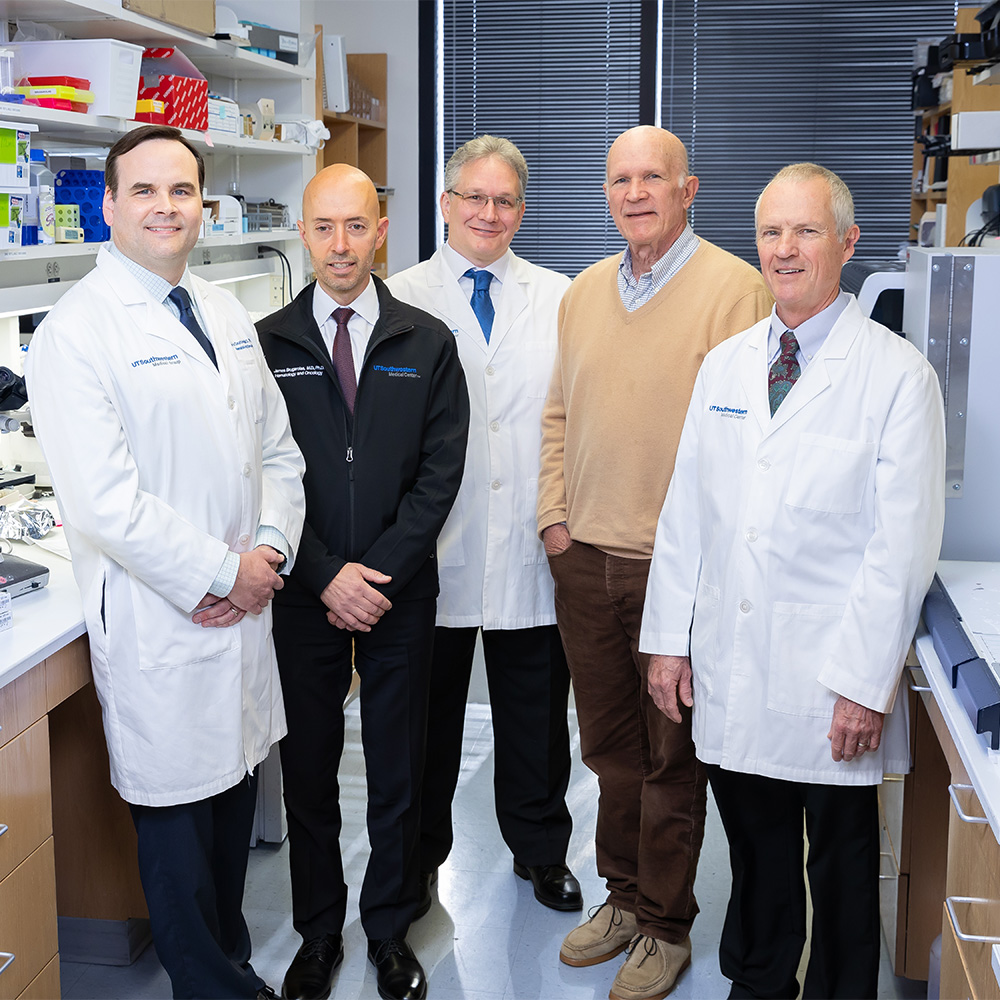
The U.S. Food & Drug Administration has expanded the approved use of belzutifan for treatment of metastatic kidney cancer, another milestone for the novel, first-in-class kidney cancer drug arising from scientific discoveries at UT Southwestern Medical Center.
At-home colorectal cancer screenings pose challenges for some: Newsroom - UT Southwestern, Dallas, Texas
https://www.utsouthwestern.edu/newsroom/articles/year-2023/dec-at-home-colorectal-cancer-screenings.html
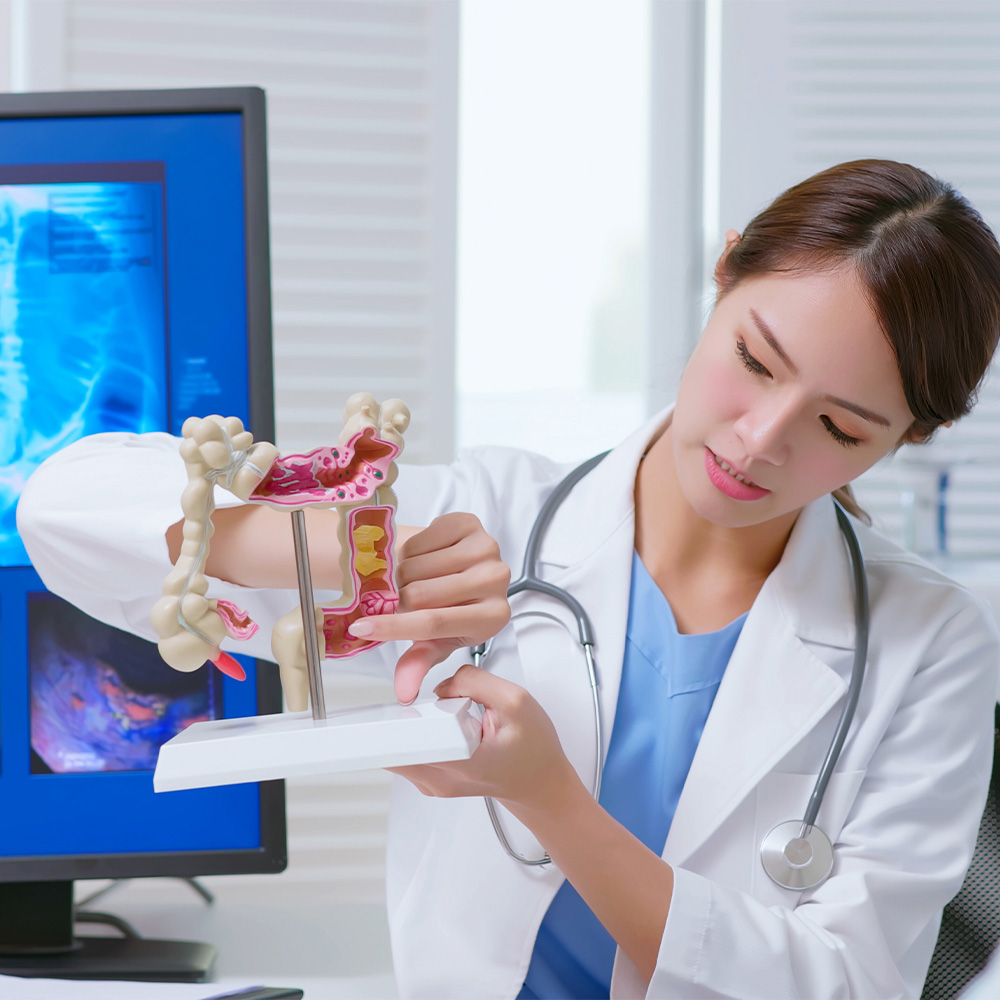
Despite the convenience of at-home screening tests for early detection of colorectal cancer (CRC), a study led by UT Southwestern Medical Center researchers examining more than a decade of patient data found that about 10% of the tests could not be processed, mostly due to patient error.
Robotic surgery is associated with improved outcomes for most colon cancer patients: Newsroom - UT Southwestern, Dallas, Texas
https://www.utsouthwestern.edu/newsroom/articles/year-2024/jan-robotic-surgery-colon-cancer-patients.html
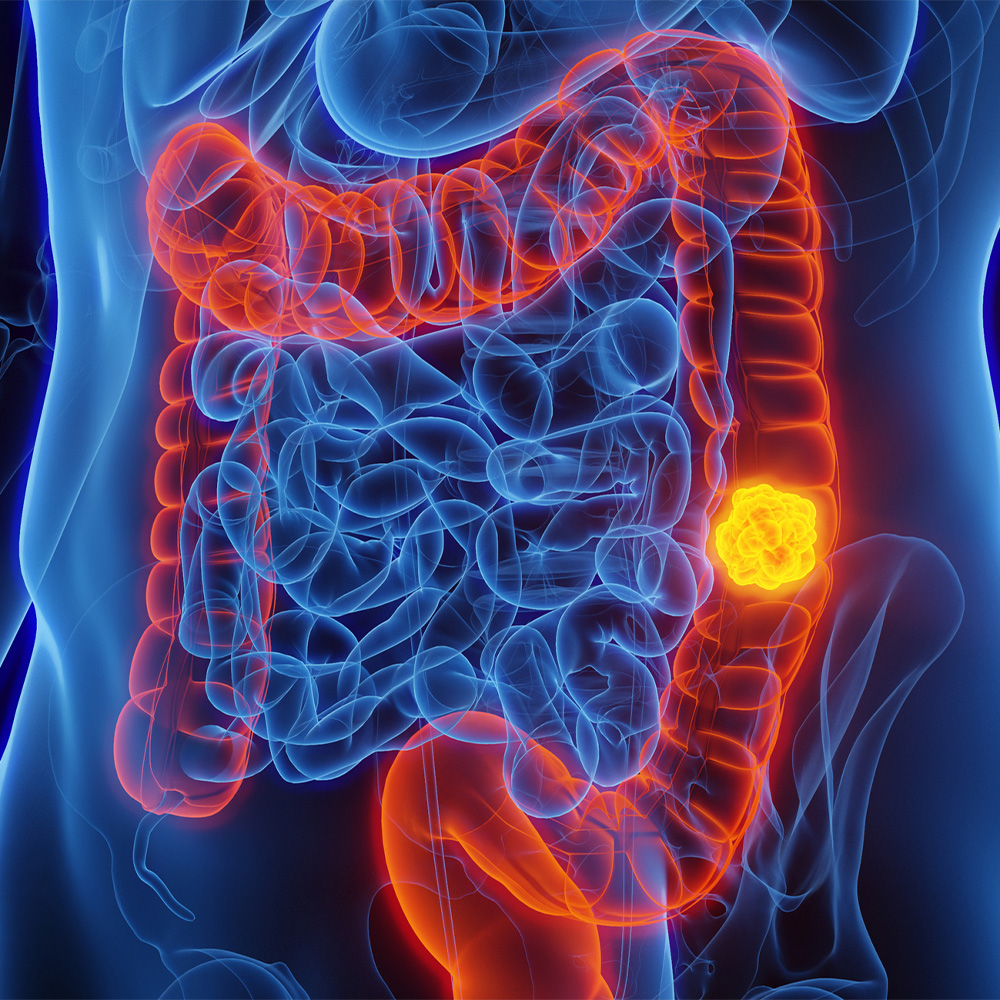
Robotic surgery offers significant benefits over laparoscopic procedures for many patients undergoing colectomies for colon cancer, according to a study by UT Southwestern Medical Center.
Treat yourself to healthy eating habits for the holidays: Newsroom - UT Southwestern, Dallas, Texas
https://www.utsouthwestern.edu/newsroom/articles/year-2023/dec-healthy-eating-habits-for-the-holidays.html

Office parties and family dinners make eating healthy during the holiday season a challenge. But you can still enjoy your favorite treats while maintaining a balanced diet, according to nutrition experts at UT Southwestern Medical Center.
UT Southwestern biochemist, molecular biologist named Howard Hughes Medical Institute Investigators: Newsroom - UT Southwestern, Dallas, Texas
https://www.utsouthwestern.edu/newsroom/articles/year-2021/howard-hughes-medical-institute-investigators.html

Two UT Southwestern Medical Center researchers – a biochemist and a molecular biologist – are among 33 distinguished scientists nationwide named Howard Hughes Medical Institute (HHMI) Investigators.
Device keeps brain alive, functioning separate from body : Newsroom - UT Southwestern, Dallas, Texas
https://www.utsouthwestern.edu/newsroom/articles/year-2023/oct-device-keeps-brain-alive.html
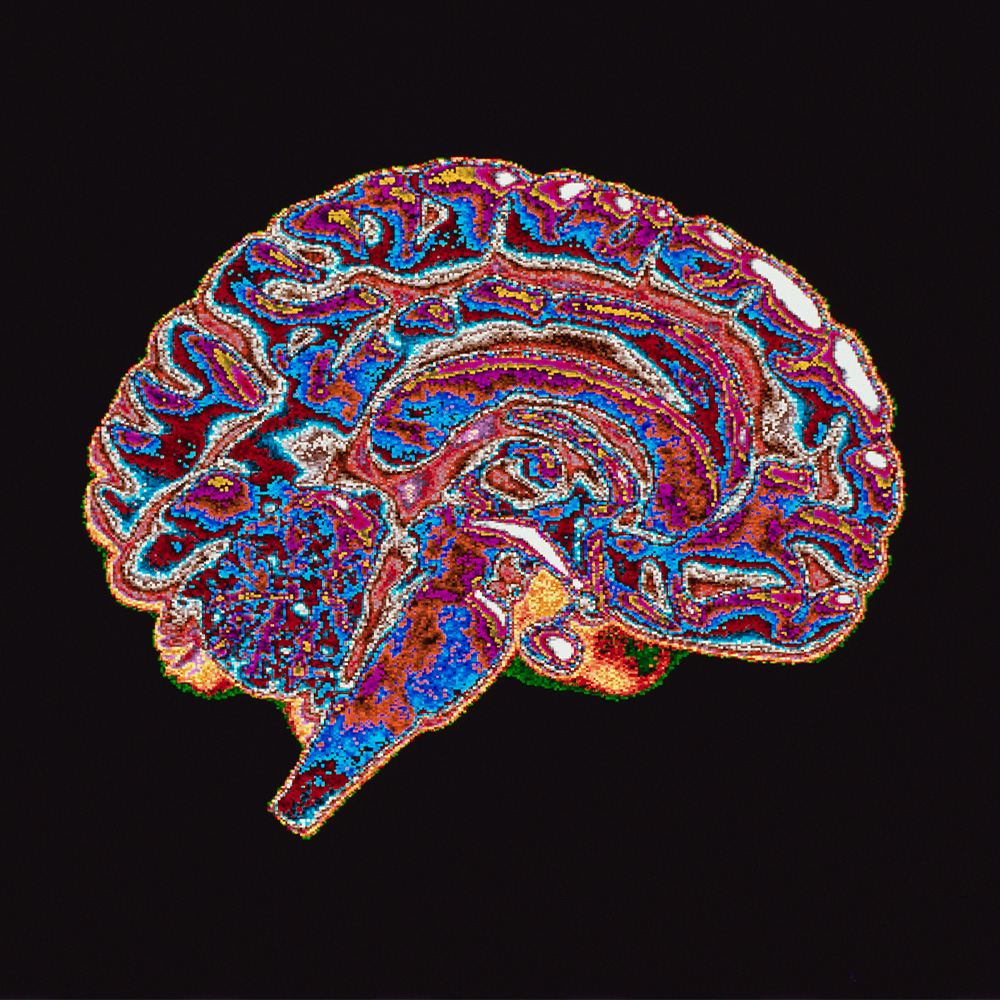
Researchers led by a team at UT Southwestern Medical Center have developed a device that can isolate blood flow to the brain, keeping the organ alive and functioning independent from the rest of the body for several hours.
New Knowledge Commons to improve understanding of immune system: Newsroom - UT Southwestern, Dallas, Texas
https://www.utsouthwestern.edu/newsroom/articles/year-2023/nov-new-knowledge-commons-immune-system.html
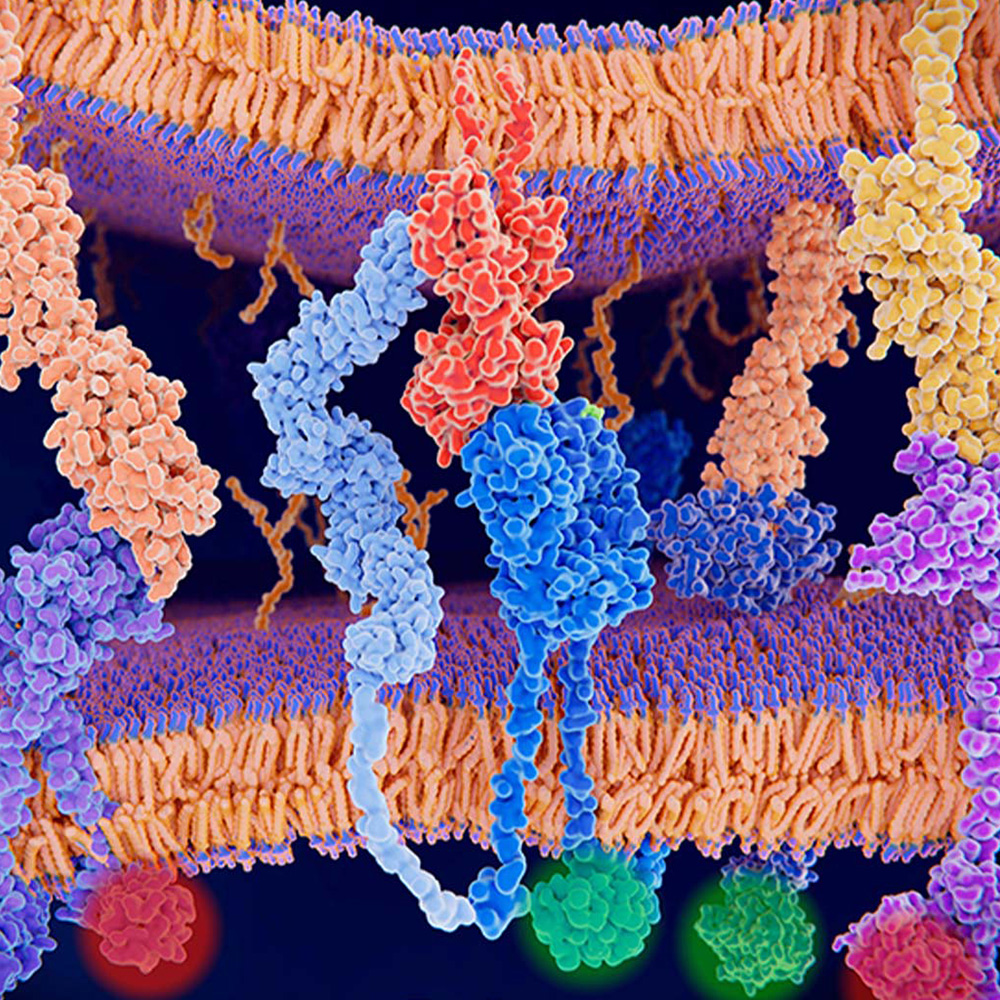
UT Southwestern Medical Center will lead a multi-institution effort to gather and assimilate information on the billions of sequences employed by immune receptors of the adaptive immune system.
Traditional Chinese medicine reduces risk after heart attack: Newsroom - UT Southwestern, Dallas, Texas
https://www.utsouthwestern.edu/newsroom/articles/year-2023/oct-traditional-chinese-medicine-heart-attack.html
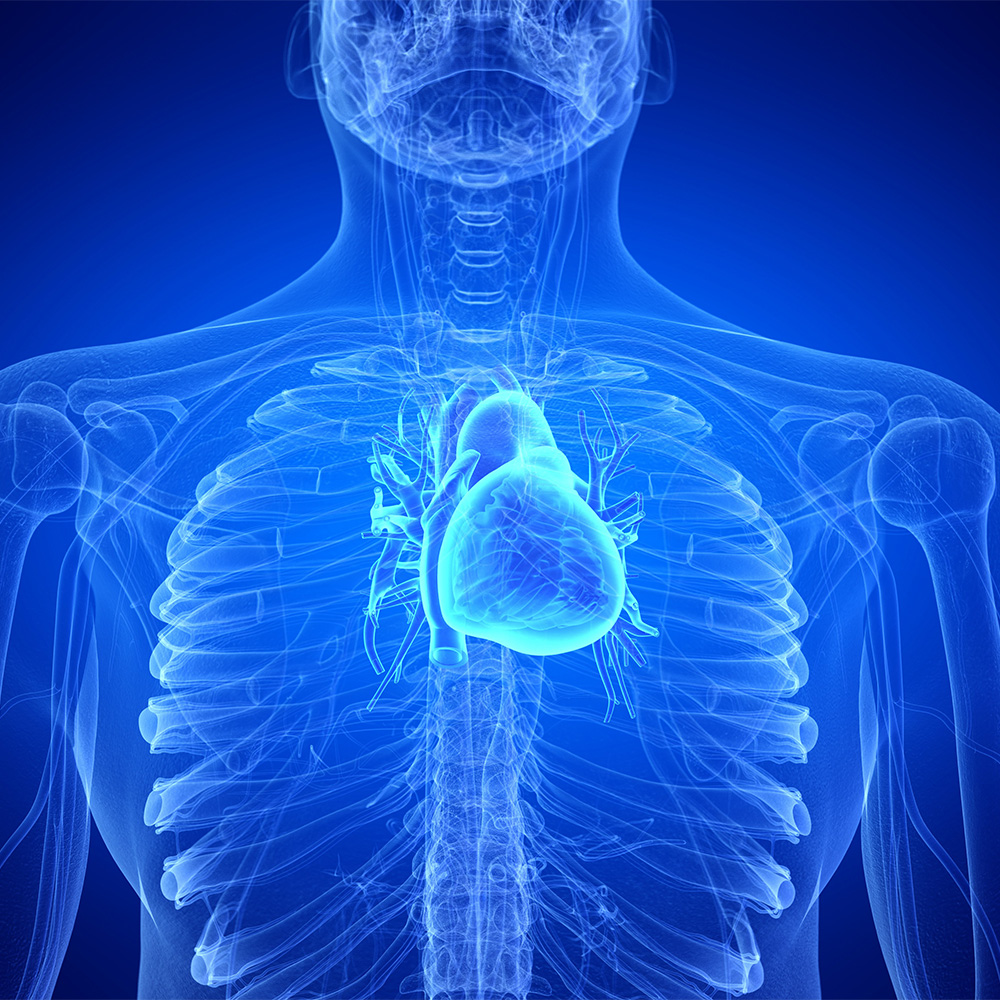
A traditional Chinese medicine whose name means “to open the network of the heart” reduced the risk of heart attacks, deaths, and other major cardiovascular complications for at least a year after a first heart attack, a study led by UT Southwestern Medical Center researchers shows.