
Search
Researchers identify mechanism by which exercise strengthens bones and immunity: Newsroom - UT Southwestern, Dallas, Texas
https://www.utsouthwestern.edu/newsroom/articles/year-2021/researchers-identify-mechanism-by-which-exercise-strengthens-bones-and-immunity.html
Scientists at the Children’s Medical Center Research Institute at UT Southwestern (CRI) have identified the specialized environment, known as a niche, in the bone marrow where new bone and immune cells are produced.
Aspirin use best for those with high coronary calcium, low risk of bleeding : Newsroom - UT Southwestern, Dallas, Texas
https://www.utsouthwestern.edu/newsroom/articles/year-2020/aspirin-use-best-for-those-with-high-coronary-calcium.html
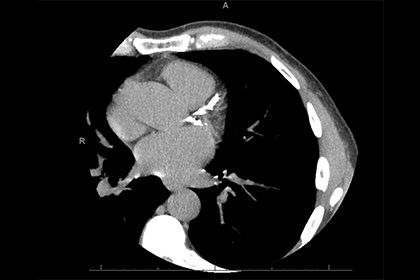
An X-ray test commonly used to assess hardening of the arteries could help doctors decide whether the benefits of taking aspirin to prevent a first heart attack or stroke outweigh the risks of bleeding from its use, UT Southwestern research suggests.
UTSW Research: Kidney stones, cancer diagnoses, and brain injury
https://www.utsouthwestern.edu/newsroom/articles/year-2026/april-kidney-stones-cancer-diagnoses-brain-injury.html
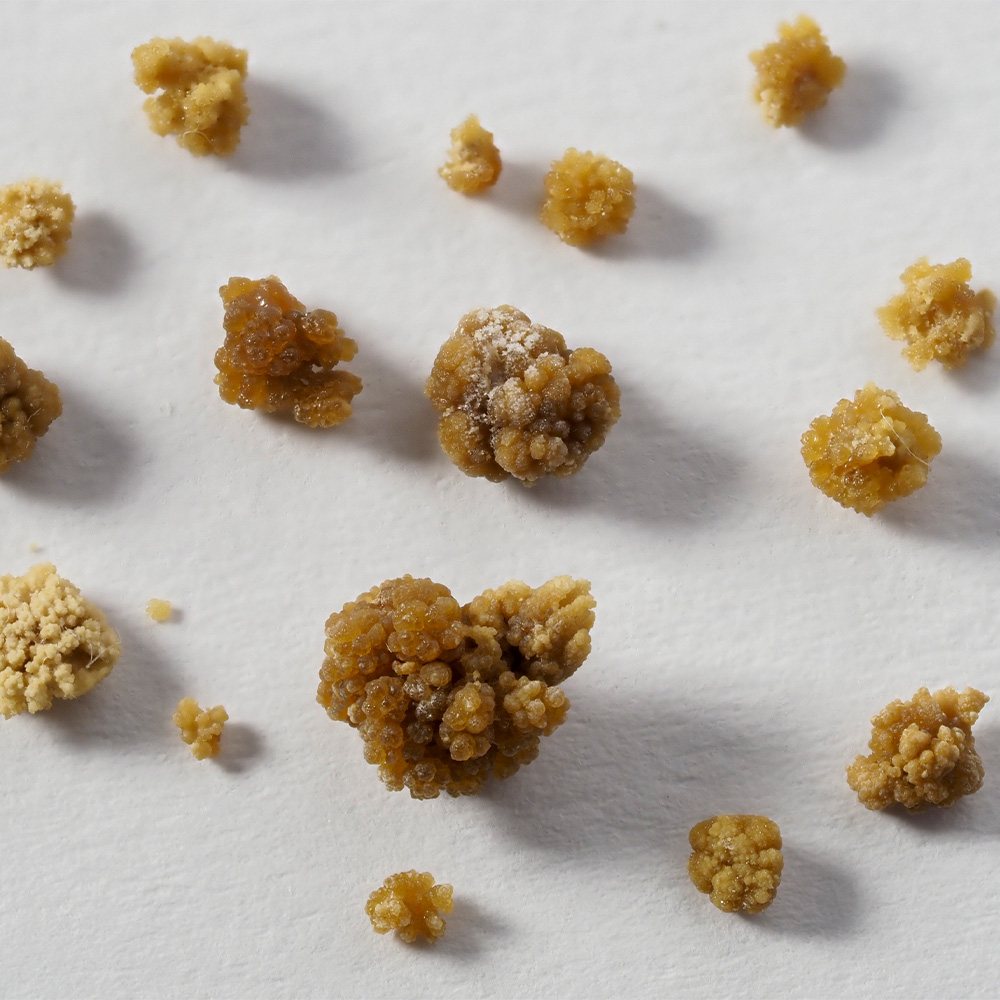
About 1 in 11 people in the U.S. experience urinary stone disease – more commonly known as kidney stones – according to the National Institute of Diabetes and Digestive and Kidney Diseases. Increasing fluid intake has long been recommended to decrease the risk of recurrence in those who develop this painful condition. However, studies have shown that maintaining high fluid intake can be difficult.
Scientists identify source of weight gain from antipsychotics: Newsroom - UT Southwestern, Dallas, Texas
https://www.utsouthwestern.edu/newsroom/articles/year-2021/scientists-identify-source-of-weight-gain-from-antipsychotics.html
Scientists with UT Southwestern’s Peter O’Donnell Jr. Brain Institute have identified the molecular mechanism that can cause weight gain for those using a common antipsychotic medication.
All weight loss isn't equal for reducing heart failure risk : Newsroom - UT Southwestern, Dallas, Texas
https://www.utsouthwestern.edu/newsroom/articles/year-2020/all-weight-loss-isnt-equal-for-reducing-heart-failure-risk.html

Reducing the level of body fat and waist size are linked to a lower risk of heart failure in patients with type 2 diabetes, a study led by UT Southwestern researchers indicates.
Three approved drugs can curb COVID-19 virus replication: Newsroom - UT Southwestern, Dallas, Texas
https://www.utsouthwestern.edu/newsroom/articles/year-2020/three-approved-drugs-can-curb-covid-19-virus-replication.html

Three drugs that are already approved by the Food and Drug Administration (FDA) or other international agencies can block the production of the novel coronavirus that causes COVID-19 in human cells.
Advanced MRI scans may improve treatment of tremor, Parkinson's disease: Newsroom - UT Southwestern, Dallas, Texas
https://www.utsouthwestern.edu/newsroom/articles/year-2020/advanced-mri-scans-may-improve-treatment-of-tremor-parkinsons-disease.html
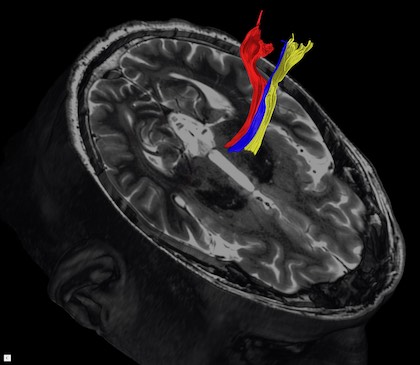
Recently developed MRI techniques used to more precisely target a small area in the brain linked to Parkinson’s disease.
Obesity patients report health challenges during shelter in place: Newsroom - UT Southwestern, Dallas, Texas
https://www.utsouthwestern.edu/newsroom/articles/year-2020/obesity-patients-report-health-challenges-during-shelter-in-place.html

Shelter-in-place orders to reduce the spread of COVID-19 put unusual strains on people with obesity
Black, Hispanic, impoverished have worse survival rates among teens, adults under 40 with cancer, UTSW review shows: Newsroom - UT Southwestern, Dallas, Texas
https://www.utsouthwestern.edu/newsroom/articles/year-2021/blacks-hispanics-impoverished-have-worse-cancer-survival-rates.html

Being Black or Hispanic people, living in high-poverty neighborhoods, and having Medicaid or no insurance coverage are associated with higher mortality in men and women under 40 with cancer
Triple negative breast cancer meets its match: Newsroom - UT Southwestern, Dallas, Texas
https://www.utsouthwestern.edu/newsroom/articles/year-2020/triple-negative-breast-cancer-meets-its-match.html
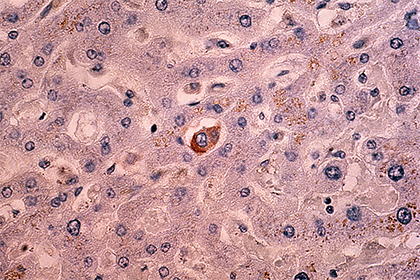
One member of a larger family of oxygen sensing enzymes could offer a viable target for triple negative breast cancer (TNBC), UTSW researchers report in a new study.