
Search
AI accurately predicts cancer outcomes from tissue samples : Newsroom - UT Southwestern, Dallas, Texas
https://www.utsouthwestern.edu/newsroom/articles/year-2023/dec-ai-accurately-predicts-cancer-outcomes.html
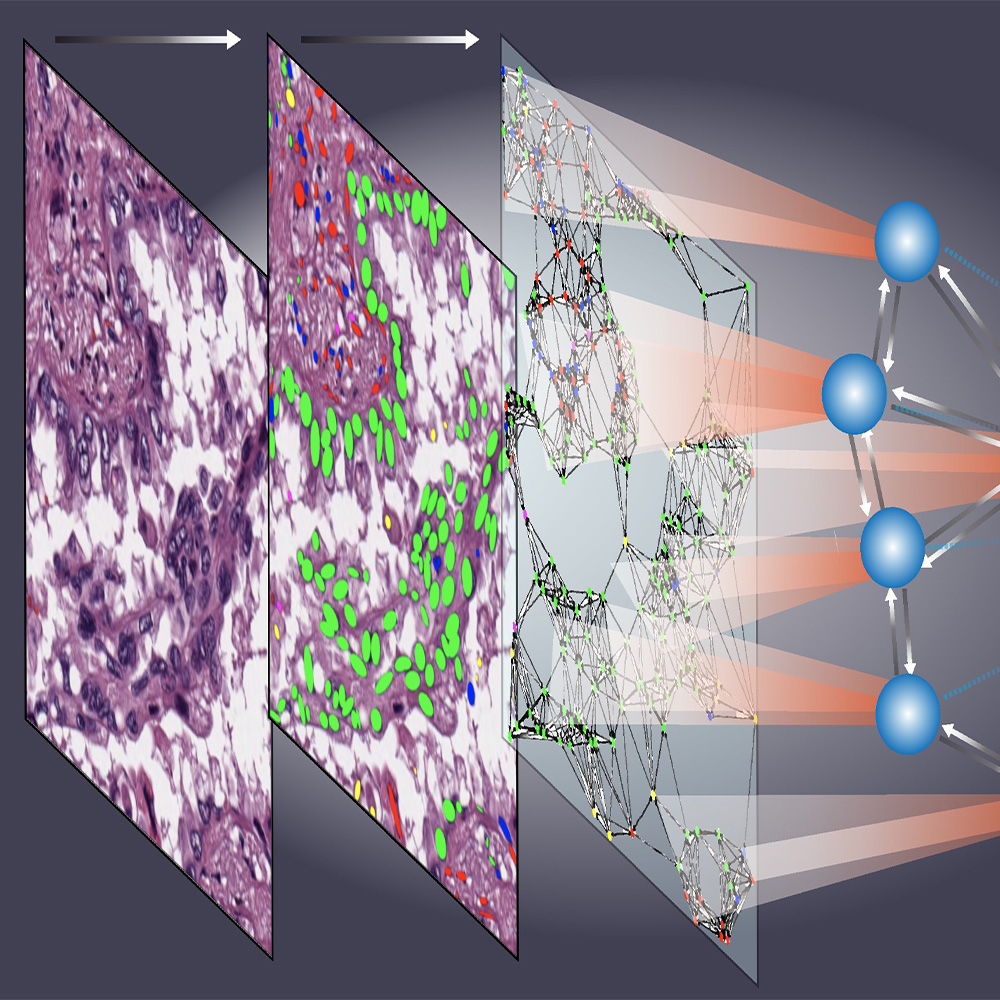
Researchers at UT Southwestern Medical Center have developed a novel artificial intelligence (AI) model that analyzes the spatial arrangement of cells in tissue samples.
Personal approach reduces opioids after cesarean deliveries: Newsroom - UT Southwestern, Dallas, Texas
https://www.utsouthwestern.edu/newsroom/articles/year-2023/dec-opioids-prescribed-after-c-section.html
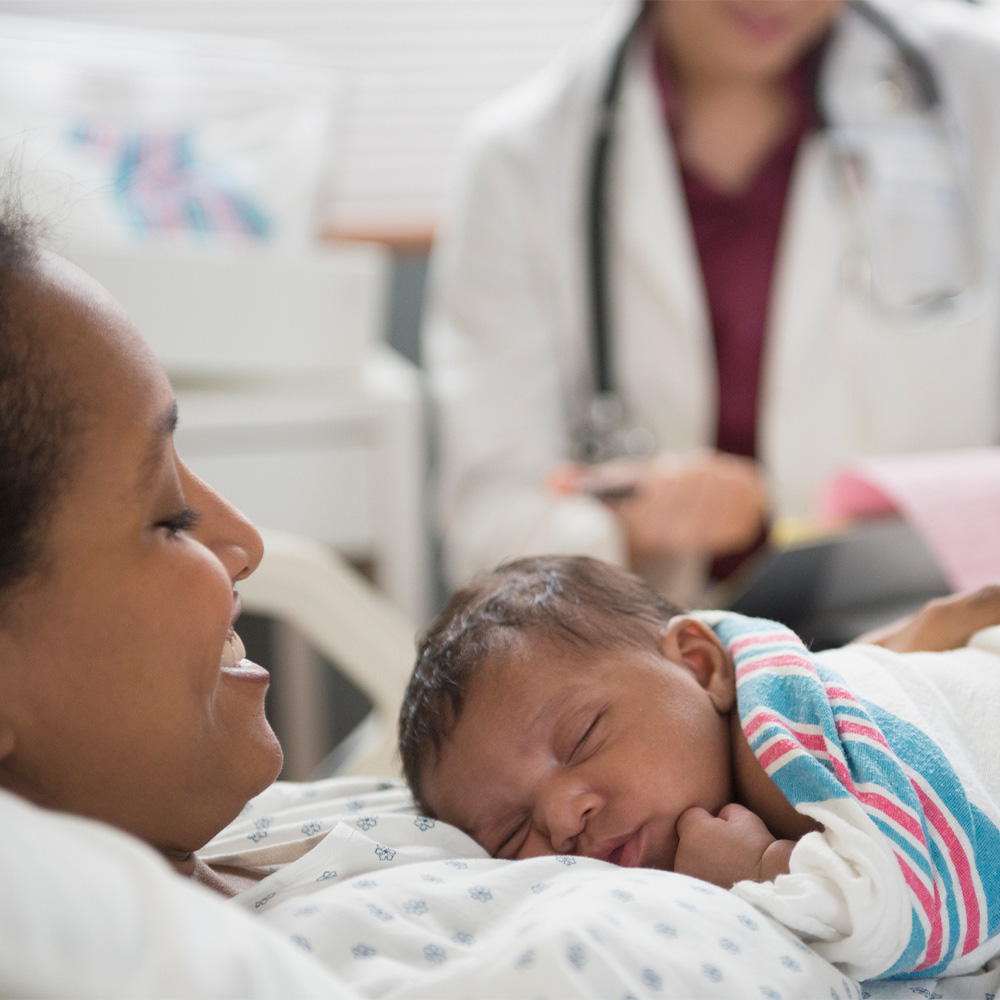
Tailoring prescriptions individually to a patient’s needs after cesarean delivery can decrease opioid use while successfully managing post-surgical pain, according to a new study by researchers at UT Southwestern Medical Center. The change in protocol, detailed in a study published in the American Journal of Obstetrics and Gynecology, lessened the number of opioids released into the community by more than 90,000 tablets per year.
Give yourself the perfect gift: Trim your holiday stress: Newsroom - UT Southwestern, Dallas, Texas
https://www.utsouthwestern.edu/newsroom/articles/year-2023/nov-holiday-stress-news-tip.html

Experts at UT Southwestern Medical Center say there are ways to manage stress and make your holidays much more enjoyable – and they start with adjusting your expectations, which will help relieve the pressure you put on yourself to achieve perfection.
Readmissions more likely for wheelchair users after shoulder replacement: Newsroom - UT Southwestern, Dallas, Texas
https://www.utsouthwestern.edu/newsroom/articles/year-2023/oct-wheelchair-users-after-shoulder-replacement.html
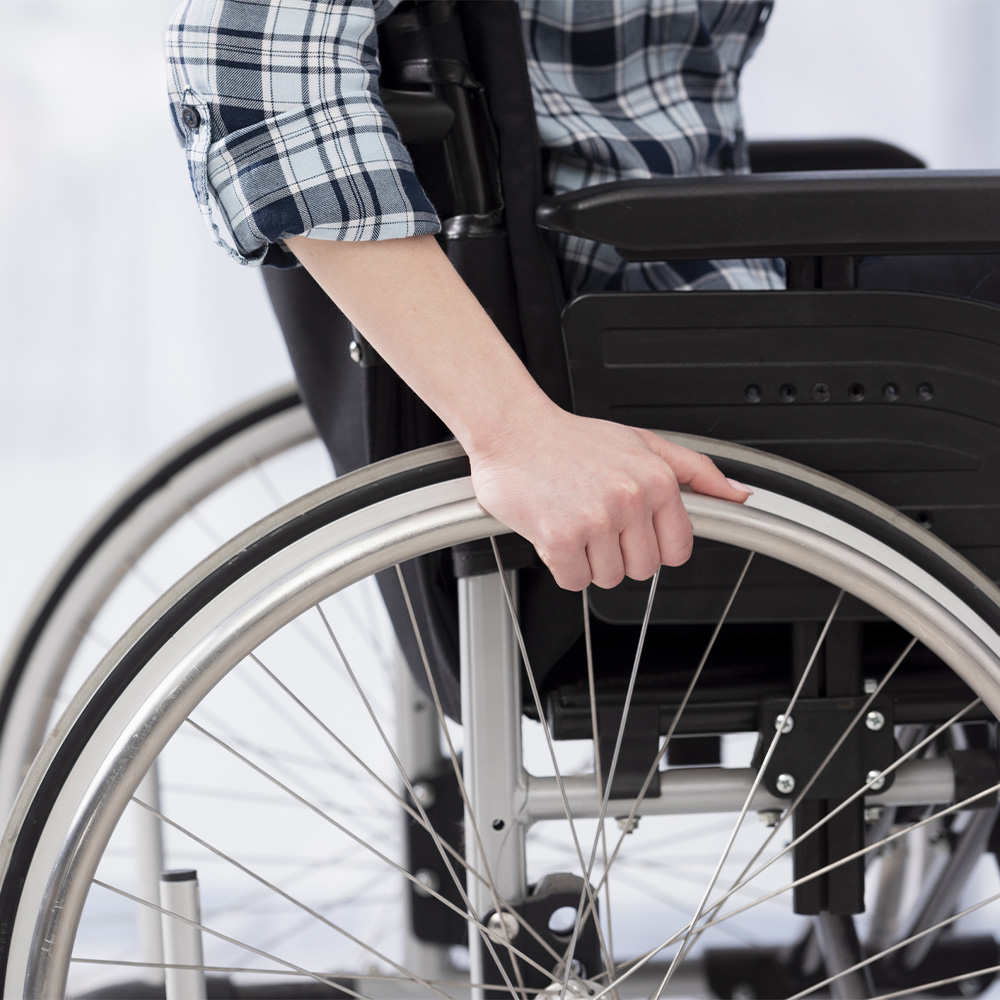
Wheelchair users are nearly three times more likely to experience hospital readmission following total shoulder arthroplasty (TSA), according to UT Southwestern Medical Center researchers.
Traditional Chinese medicine reduces risk after heart attack: Newsroom - UT Southwestern, Dallas, Texas
https://www.utsouthwestern.edu/newsroom/articles/year-2023/oct-traditional-chinese-medicine-heart-attack.html
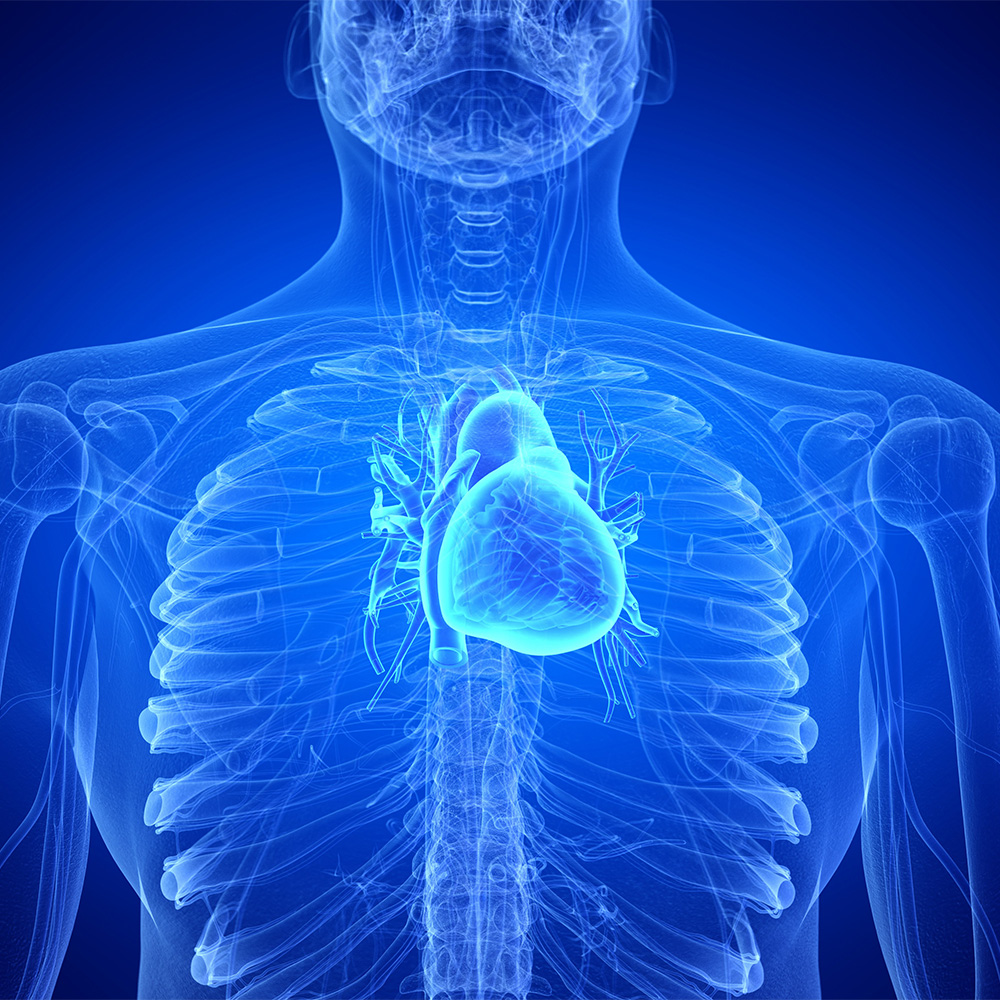
A traditional Chinese medicine whose name means “to open the network of the heart” reduced the risk of heart attacks, deaths, and other major cardiovascular complications for at least a year after a first heart attack, a study led by UT Southwestern Medical Center researchers shows.
Traffic-based air pollution drives pregnancy complications: Newsroom - UT Southwestern, Dallas, Texas
https://www.utsouthwestern.edu/newsroom/articles/year-2023/oct-air-pollution-drives-pregnancy-complications.html
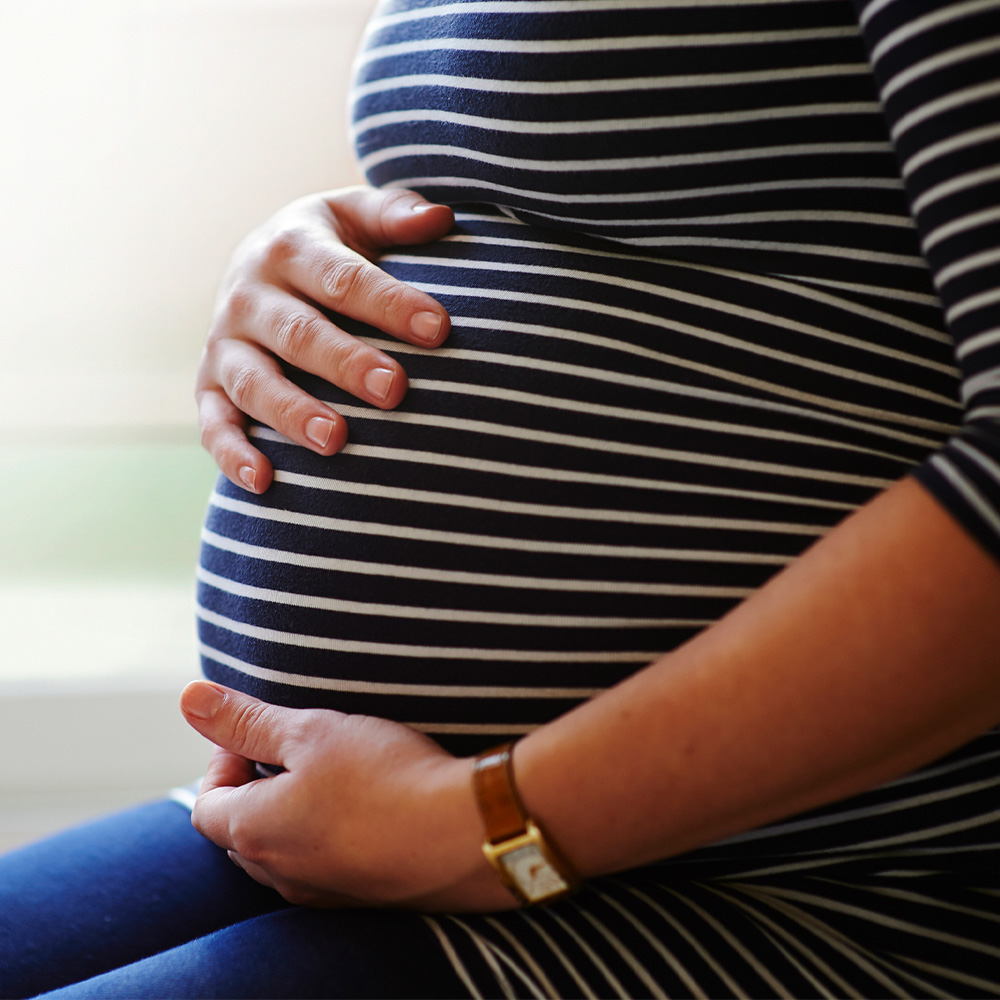
Exposure to traffic-related air pollution during pregnancy is associated with serious neonatal complications, according to a study by UT Southwestern Medical Center researchers that matched records from more than 60,000 births with air-monitoring data.
Nerve block can reduce need for postsurgical opioids: Newsroom - UT Southwestern, Dallas, Texas
https://www.utsouthwestern.edu/newsroom/articles/year-2023/oct-nerve-block-postsurgical-opioids.html
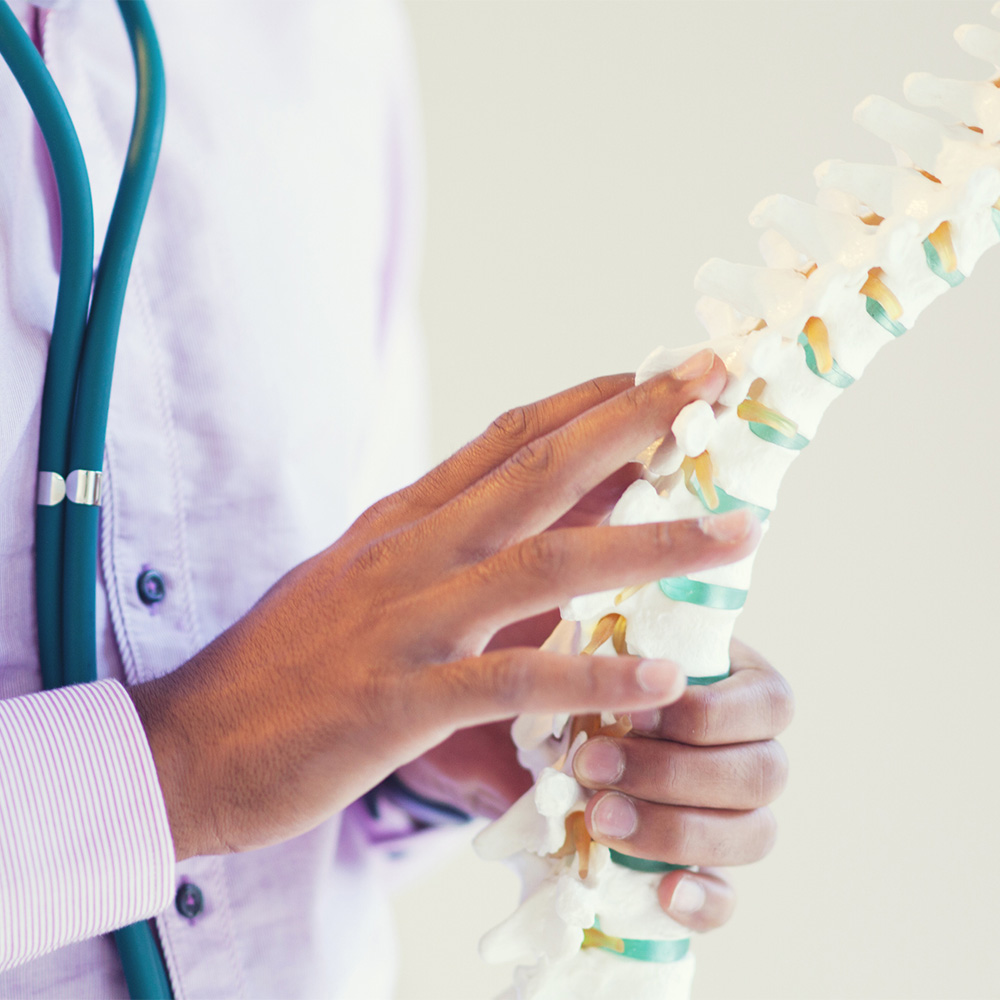
A preoperative nerve block used in combination with other medications can reduce the need for opioids to manage pain following spinal surgery, UT Southwestern Medical Center researchers found.
Device keeps brain alive, functioning separate from body : Newsroom - UT Southwestern, Dallas, Texas
https://www.utsouthwestern.edu/newsroom/articles/year-2023/oct-device-keeps-brain-alive.html
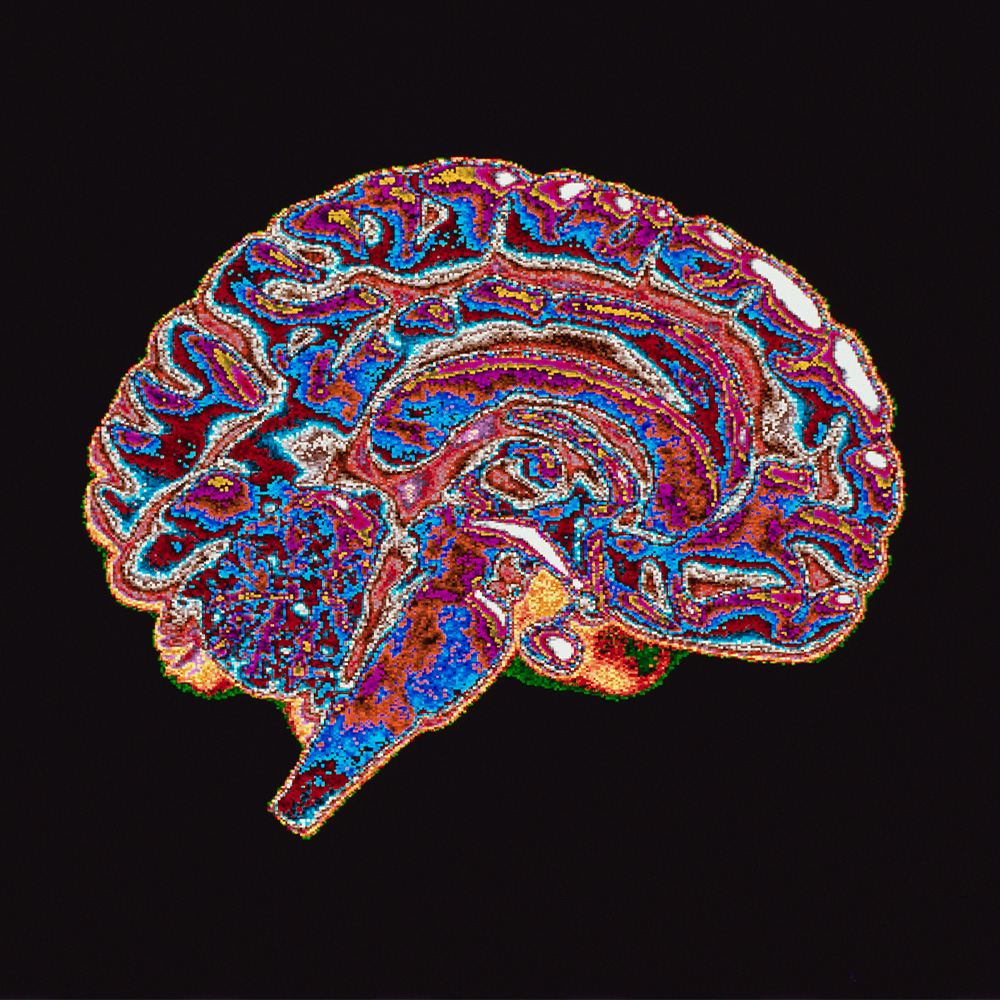
Researchers led by a team at UT Southwestern Medical Center have developed a device that can isolate blood flow to the brain, keeping the organ alive and functioning independent from the rest of the body for several hours.
Lower blood pressure for diabetic patients reduces cardiovascular disease : Newsroom - UT Southwestern, Dallas, Texas
https://www.utsouthwestern.edu/newsroom/articles/year-2024/nov-lower-blood-pressure-diabetic-patients.html

People with Type 2 diabetes had significantly fewer heart attacks, strokes, heart failures, and deaths from cardiovascular disease when their blood pressure was lower than the current standard goal, a UT Southwestern Medical Center researcher and his colleagues found.
Antibodies associated with rare disorder may signal future risk of heart attack and stroke: Newsroom - UT Southwestern, Dallas, Texas
https://www.utsouthwestern.edu/newsroom/articles/year-2023/may-antibodies-associated-with-rare-disorder.html
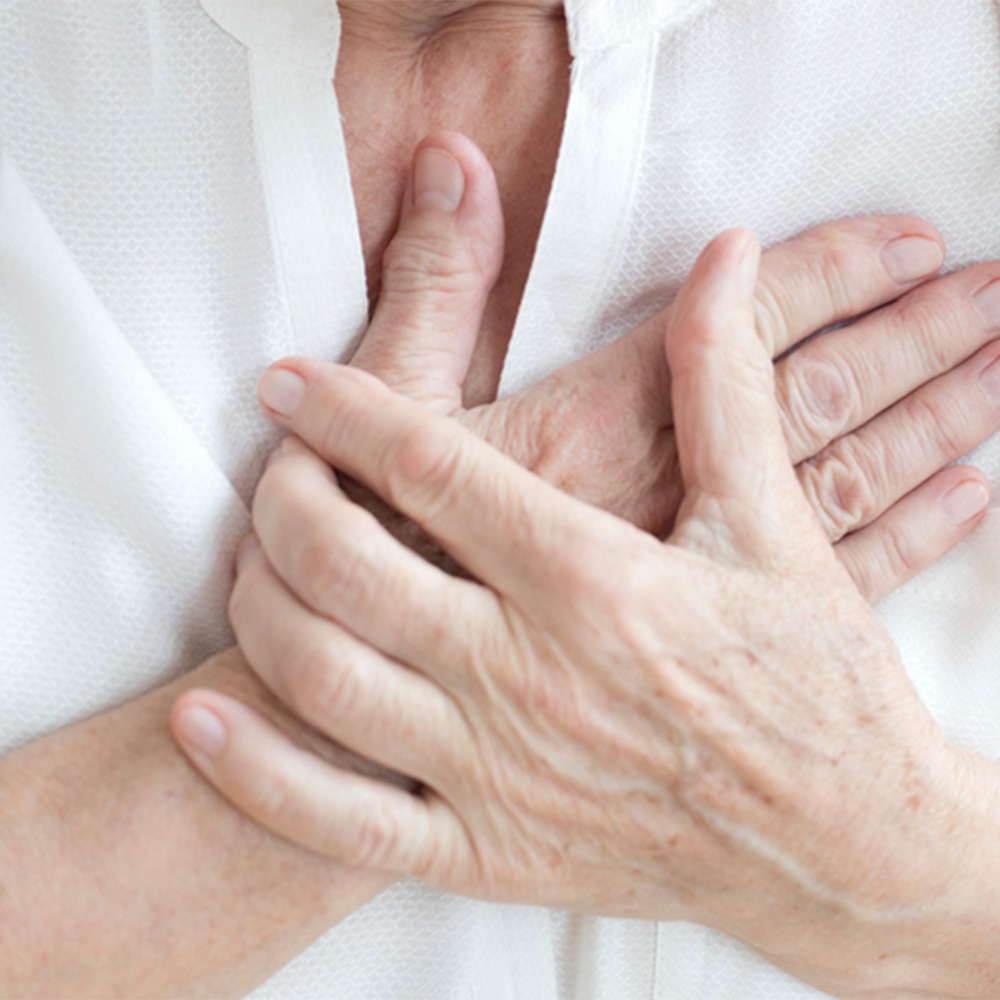
Seemingly healthy people whose blood contained antibodies associated with a condition called antiphospholipid syndrome (APS) were significantly more likely to experience a cardiovascular event such as a heart attack or stroke than those without, a study led by UT Southwestern scientists shows.