
Search
UTSW study finds palliative care consultation does not decrease COVID-19 patients’ chances of receiving CPR: Newsroom - UT Southwestern, Dallas, Texas
https://www.utsouthwestern.edu/newsroom/articles/year-2022/palliative-care.html
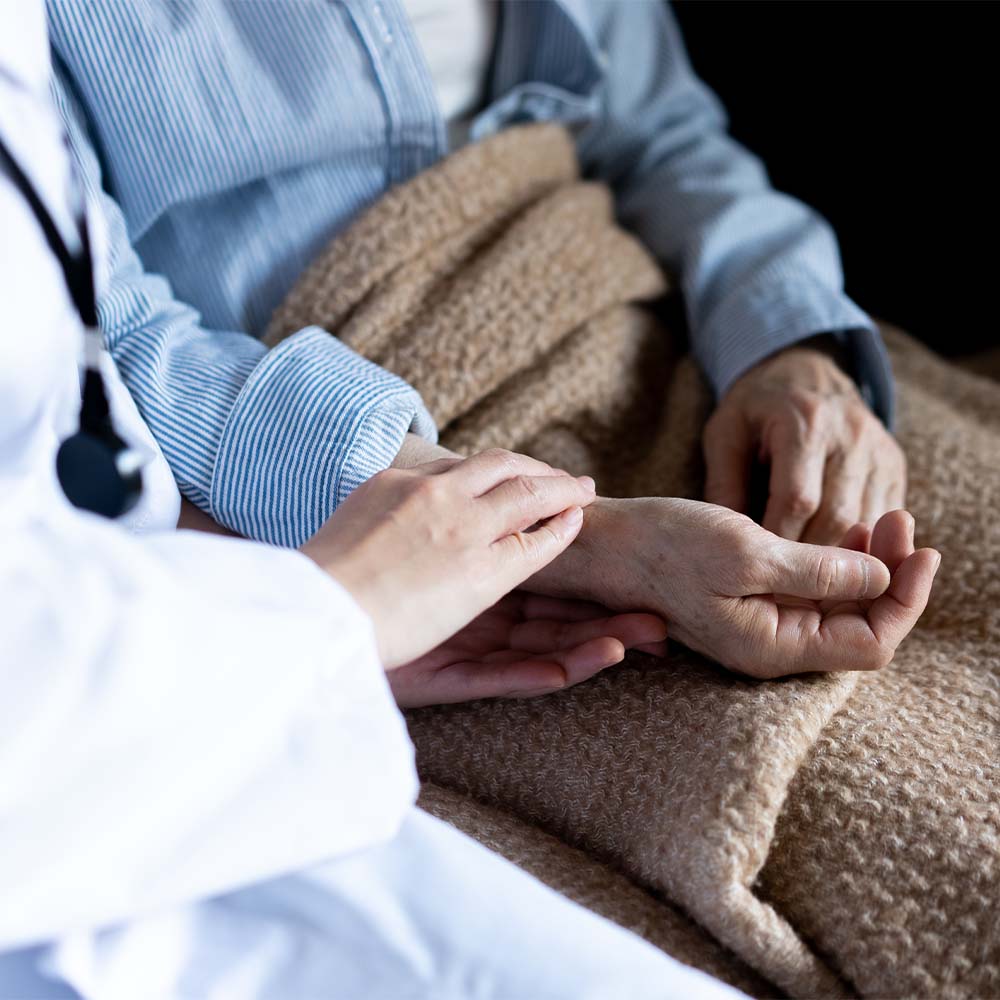
COVID-19 patients who receive a palliative care consultation are 5.6 times more likely to receive comfort care at the end of life and are just as likely to receive CPR if needed as those who did not receive a consultation, according to a UT Southwestern study.
UT Southwestern joins Dallas, the state, and the nation in mourning the loss of Peter O’Donnell Jr., an uncommon and visionary philanthropist, and catalyst for progress: Newsroom - UT Southwestern, Dallas, Texas
https://www.utsouthwestern.edu/newsroom/articles/year-2021/peter-odonnell-jr.html
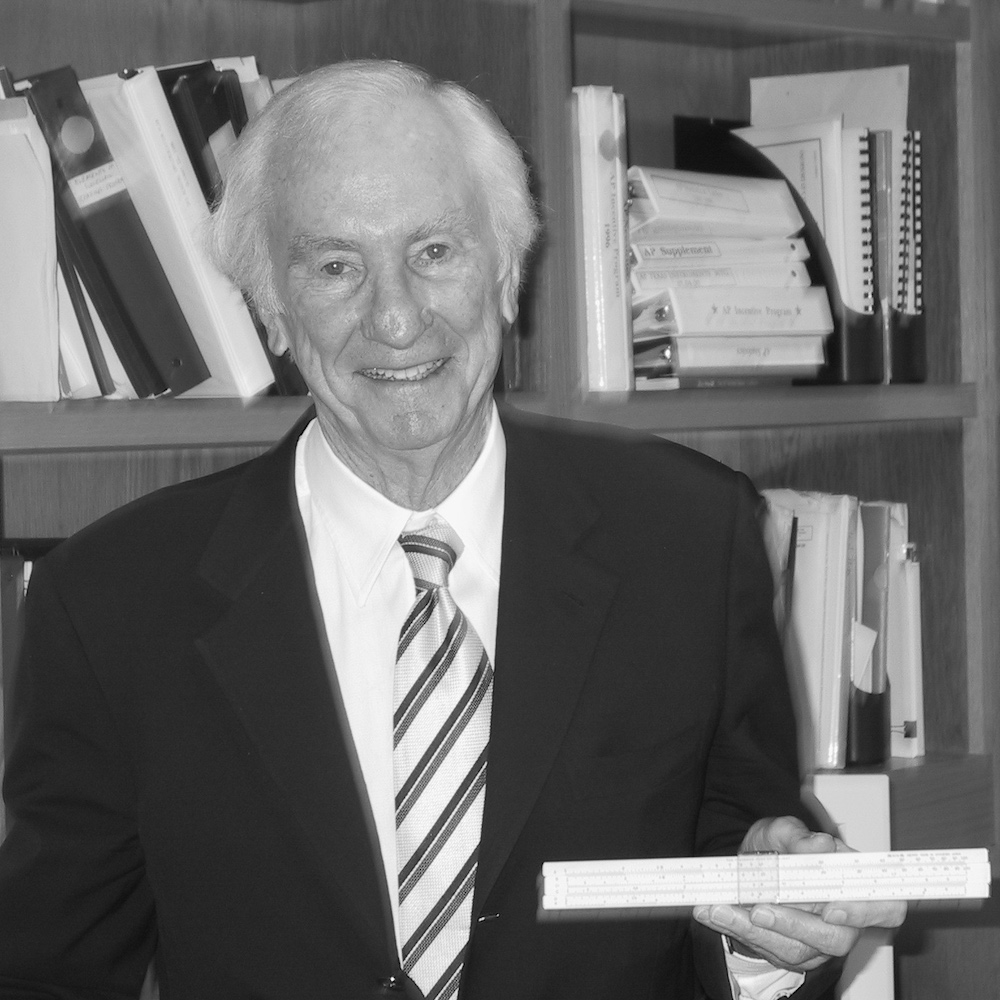
Peter O’Donnell Jr., whose committed humanitarianism, legendary generosity, and cherished friendship graced UT Southwestern Medical Center for many decades, passed away at the age of 97.
Artificial intelligence algorithm developed to assess metastatic potential in skin cancers: Newsroom - UT Southwestern, Dallas, Texas
https://www.utsouthwestern.edu/newsroom/articles/year-2021/ai-melanoma.html
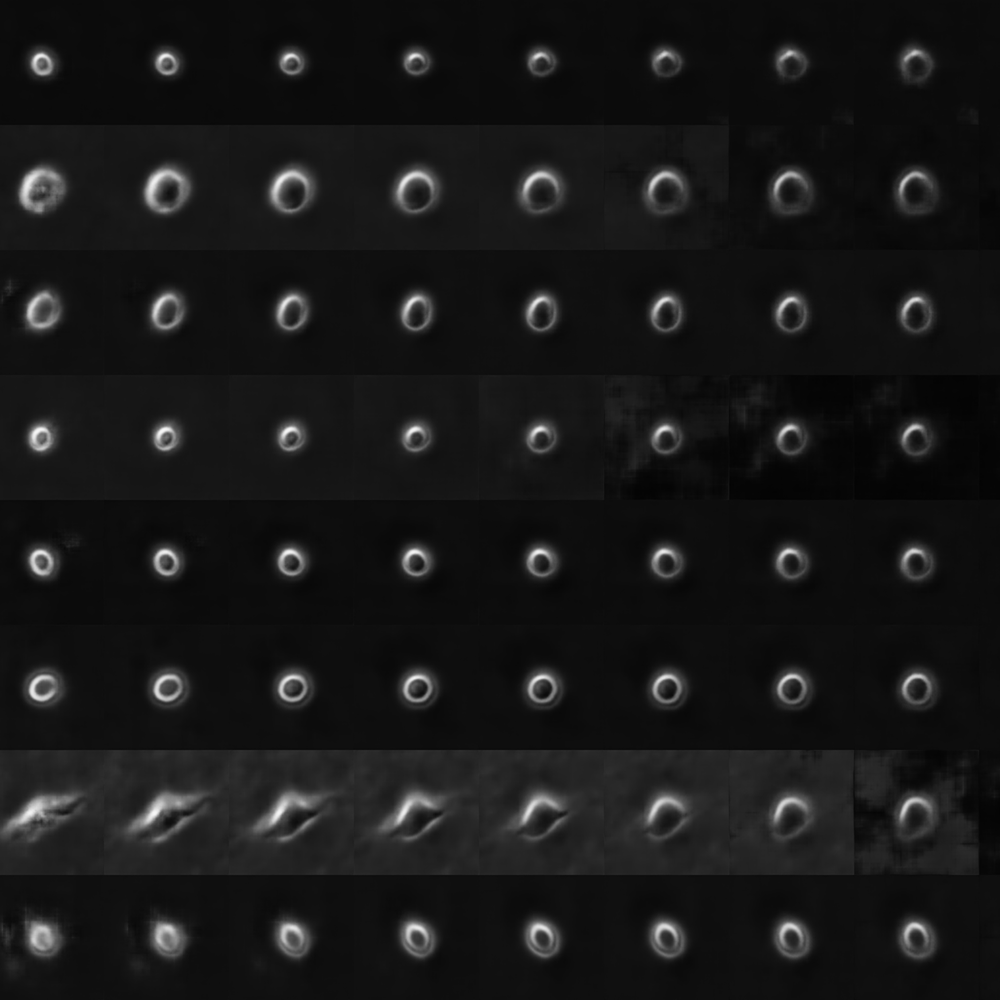
Using artificial intelligence (AI), researchers from UT Southwestern have developed a way to accurately predict which skin cancers are highly metastatic.
Nerves may be key to blocking abnormal bone growth in tissue: Newsroom - UT Southwestern, Dallas, Texas
https://www.utsouthwestern.edu/newsroom/articles/year-2021/abnormal-bone-growth.html
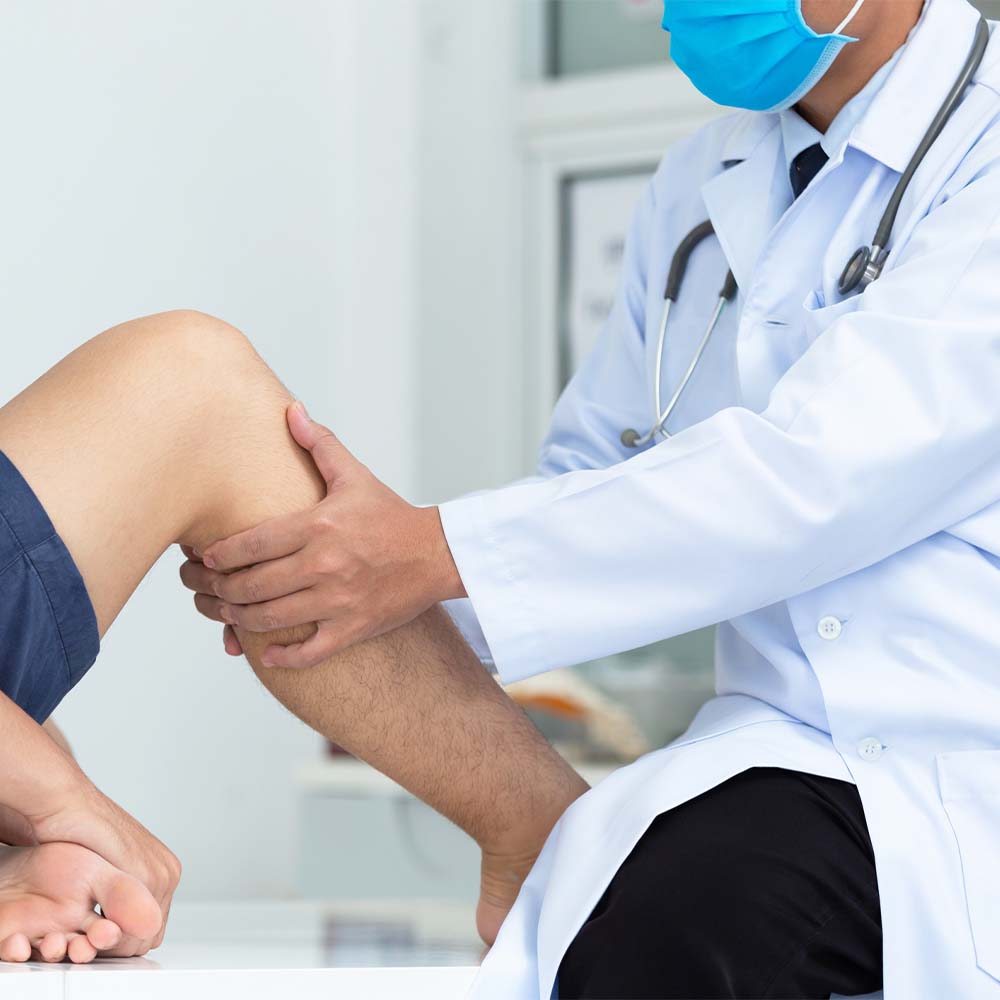
Blocking a molecule that draws sensory nerves into musculoskeletal injuries prevents heterotopic ossification (HO), a process in which bone abnormally grows in soft tissue during healing
UTSW scientists eliminate key Alzheimer’s feature in animal model: Newsroom - UT Southwestern, Dallas, Texas
https://www.utsouthwestern.edu/newsroom/articles/year-2021/alzheimers-feature.html
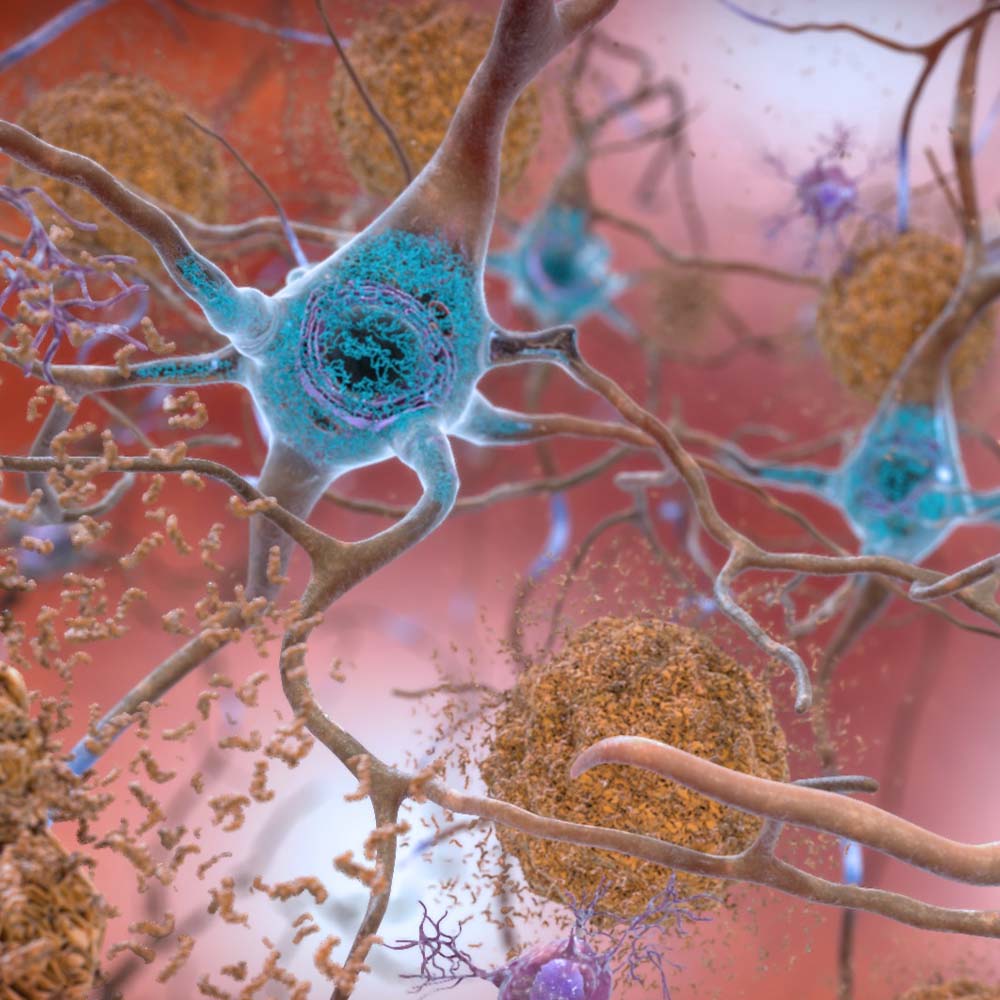
A study by UT Southwestern researchers finds that changing the biochemistry of parts of brain cells abolished the formation of amyloid beta plaques in a mouse model of Alzheimer’s disease.
Hunting down the mutations that cause cancer drug resistance: Newsroom - UT Southwestern, Dallas, Texas
https://www.utsouthwestern.edu/newsroom/articles/year-2021/cancer-drug-resistance.html
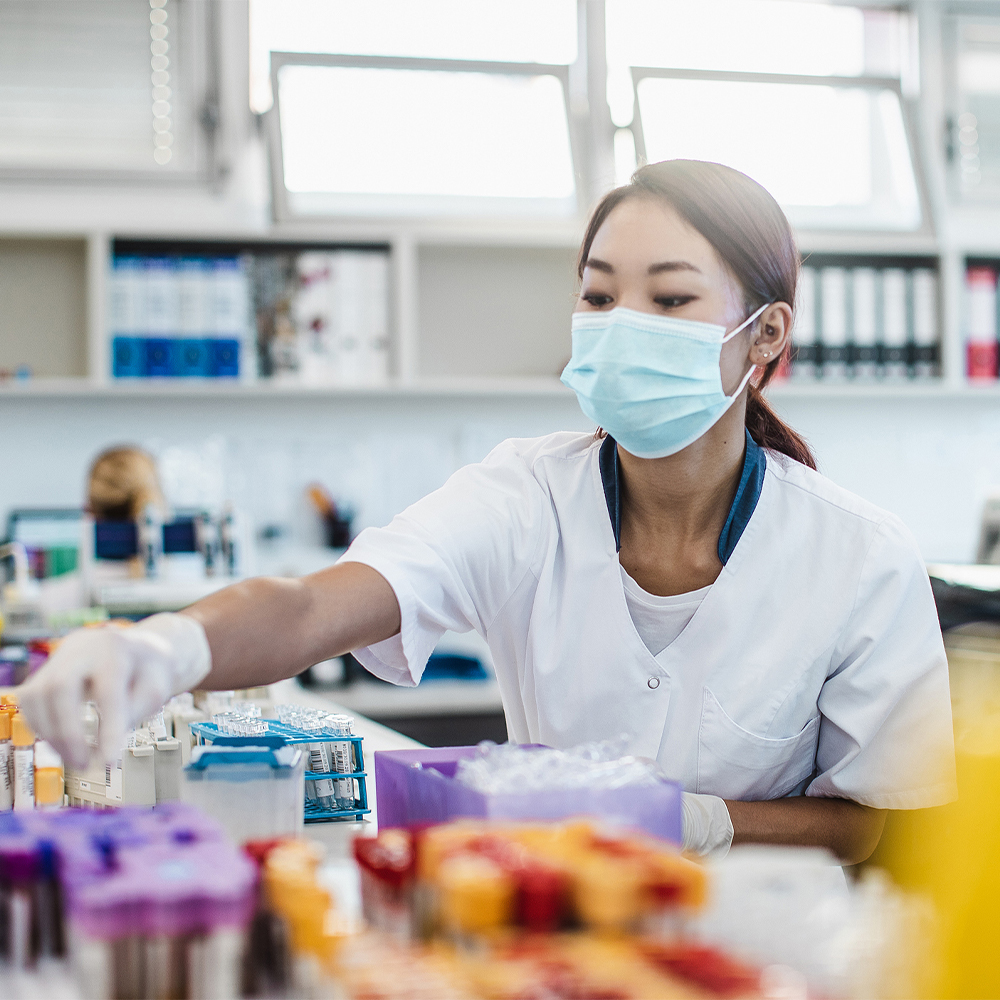
Using a virus to purposely mutate genes that produce cancer-driving proteins could shed light on the resistance that inevitably develops to cancer drugs that target them, a new study led by UT Southwestern scientists suggests.
Increasing the immune system’s appetite for cancer protectors: Newsroom - UT Southwestern, Dallas, Texas
https://www.utsouthwestern.edu/newsroom/articles/year-2021/cancer-protectors.html
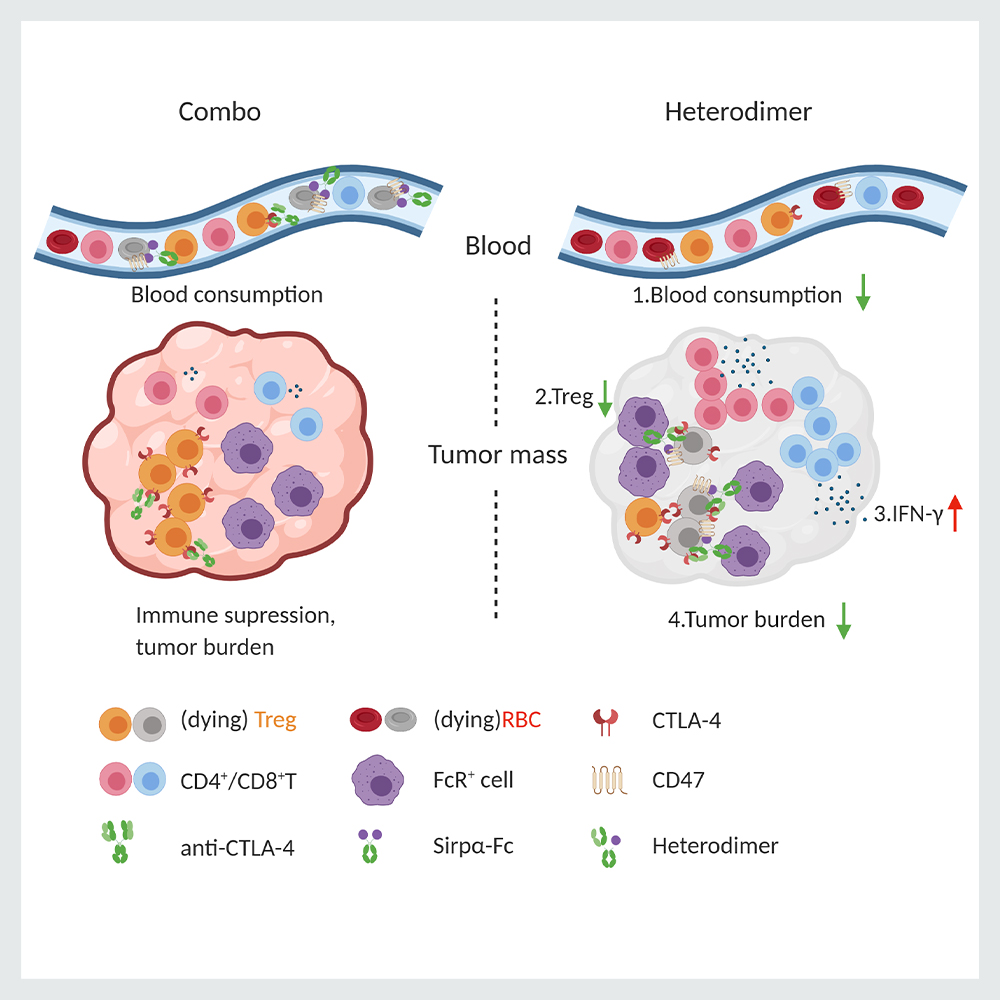
A two-arm molecule can effectively deplete cancer-protecting cells inside tumors, allowing the immune system to fight off tumors without becoming overactive.
UT Southwestern pioneers PULSAR-integrated radiotherapy with immunotherapy for improved tumor control: Newsroom - UT Southwestern, Dallas, Texas
https://www.utsouthwestern.edu/newsroom/articles/year-2021/pulsar-integrated-radiotherapy.html
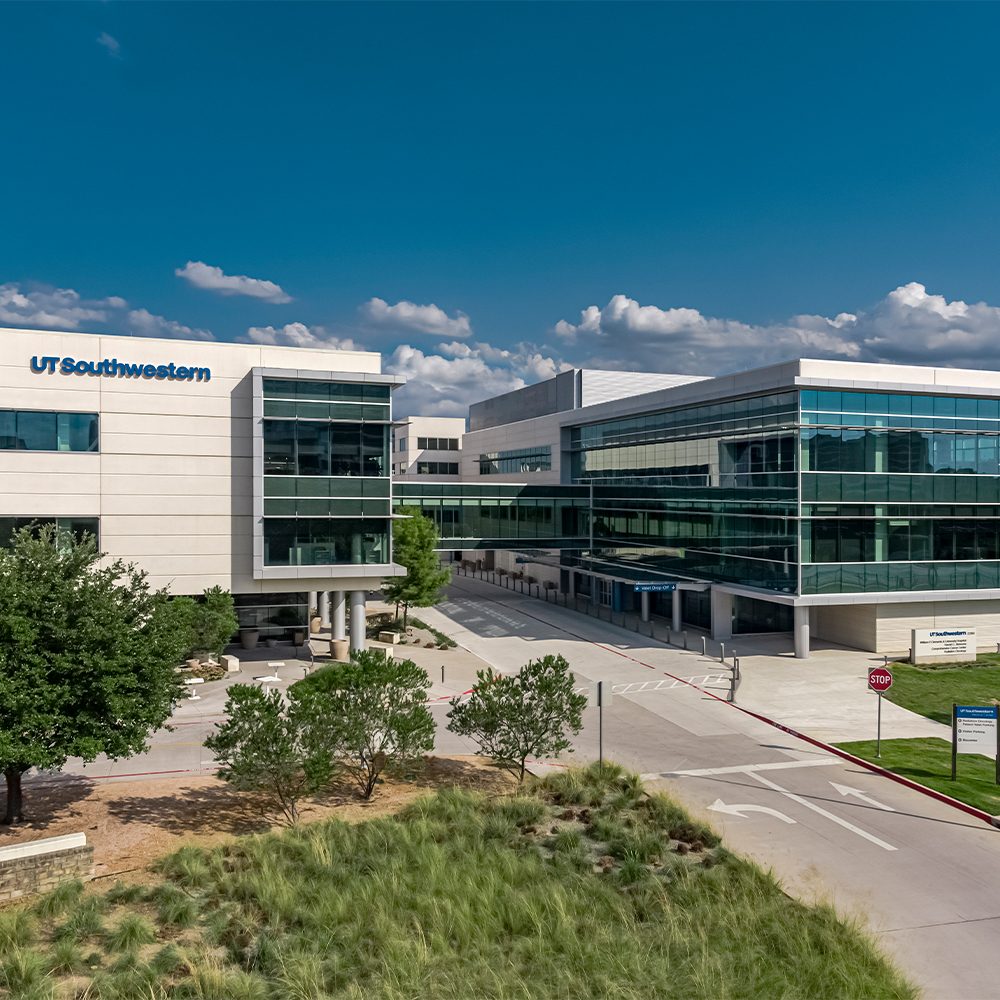
Artificial intelligence, along with a $71-million expansion of Radiation Oncology services, is allowing UT Southwestern Medical Center cancer physicians to pioneer a new PULSAR radiation-therapy strategy that improves tumor control compared with traditional daily therapy.
COVID-19 hospitalizations increase among unvaccinated pregnant women: Newsroom - UT Southwestern, Dallas, Texas
https://www.utsouthwestern.edu/newsroom/articles/year-2021/covid-19-hospitalizations-pregnant-women.html
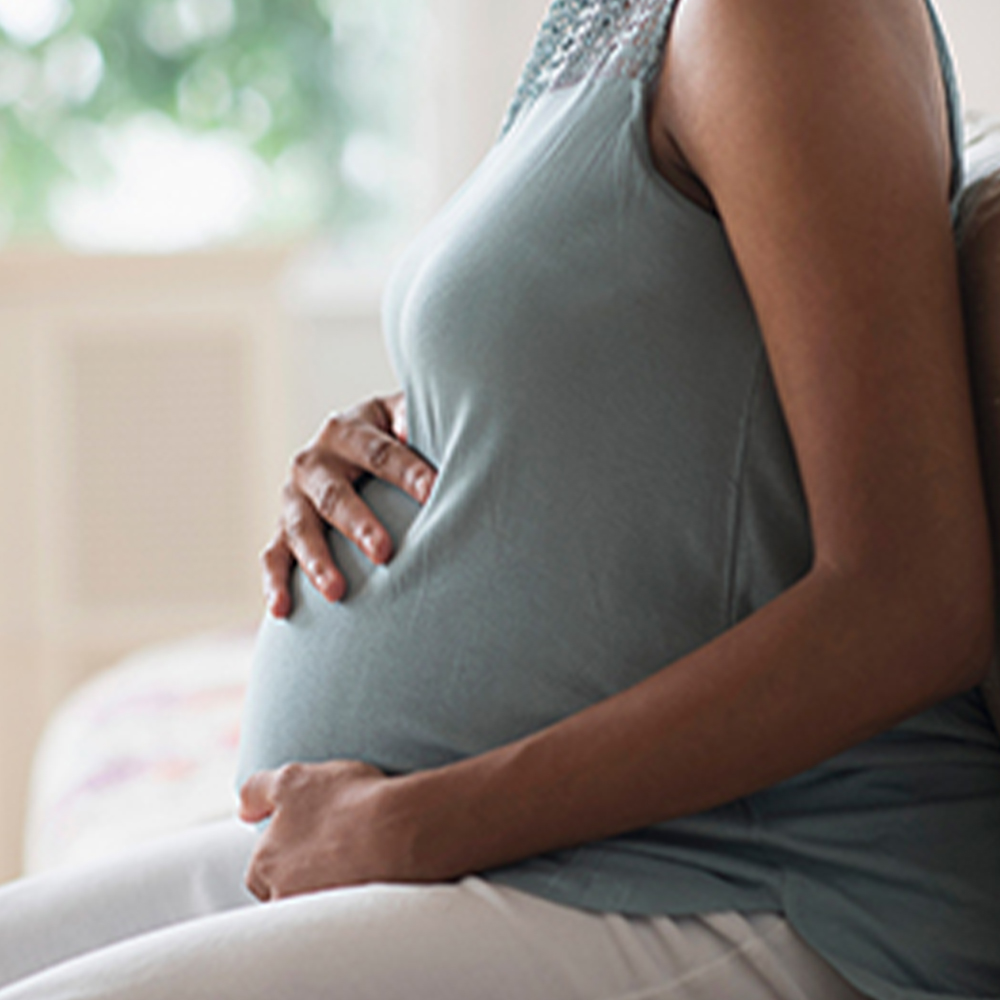
Unvaccinated pregnant women are increasingly being hospitalized with COVID-19 during a nationwide surge of the Delta variant, according to research from UT Southwestern Medical Center.
UT Southwestern researcher wins NIH Director’s Award to study how DNA’s 3D structure affects health and disease: Newsroom - UT Southwestern, Dallas, Texas
https://www.utsouthwestern.edu/newsroom/articles/year-2021/zhou-nih-awards.html
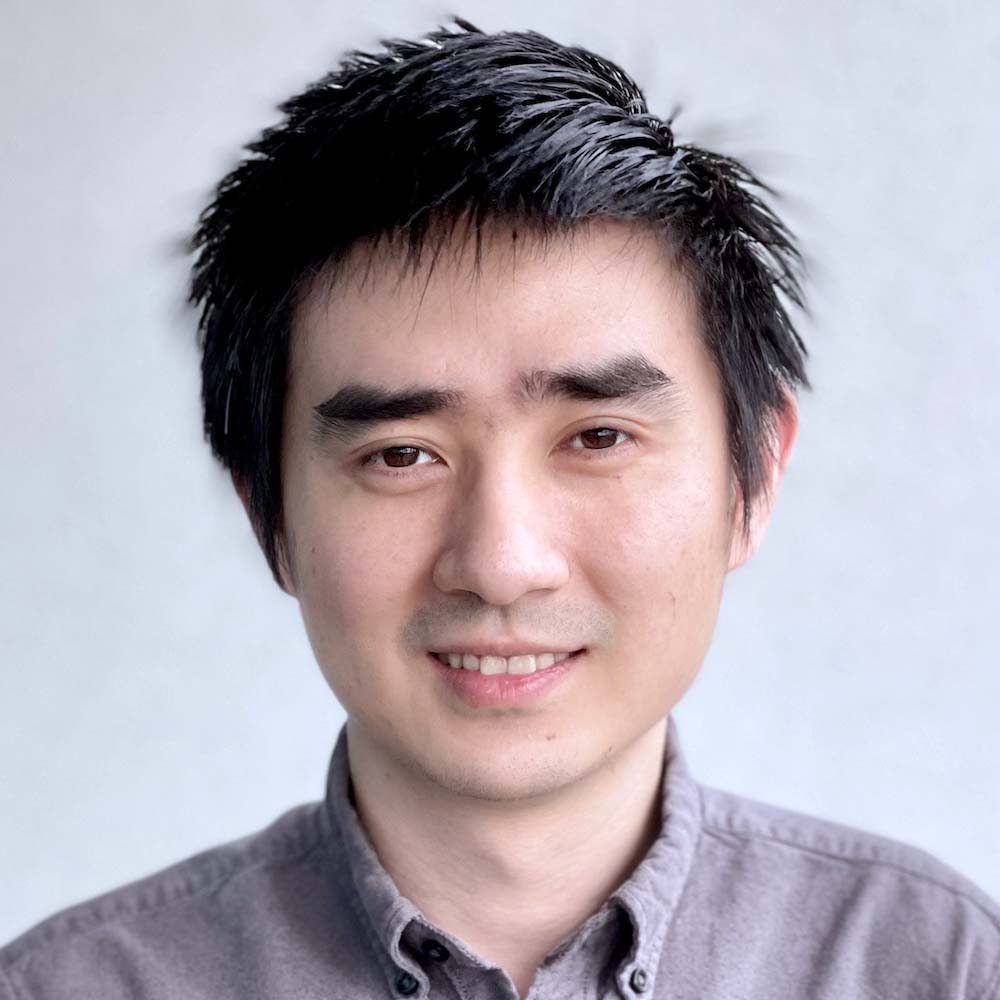
Jian Zhou, Ph.D., Assistant Professor in UT Southwestern’s Lyda Hill Department of Bioinformatics, has been awarded $1.5 million from the National Institutes of Health (NIH) to use artificial intelligence to investigate the three-dimensional structure of DNA and its impact on health.