
Search
Drug targeting clear cell renal cell carcinoma shows promising approach: Newsroom - UT Southwestern, Dallas, Texas
https://www.utsouthwestern.edu/newsroom/articles/year-2024/april-drug-targeting.html
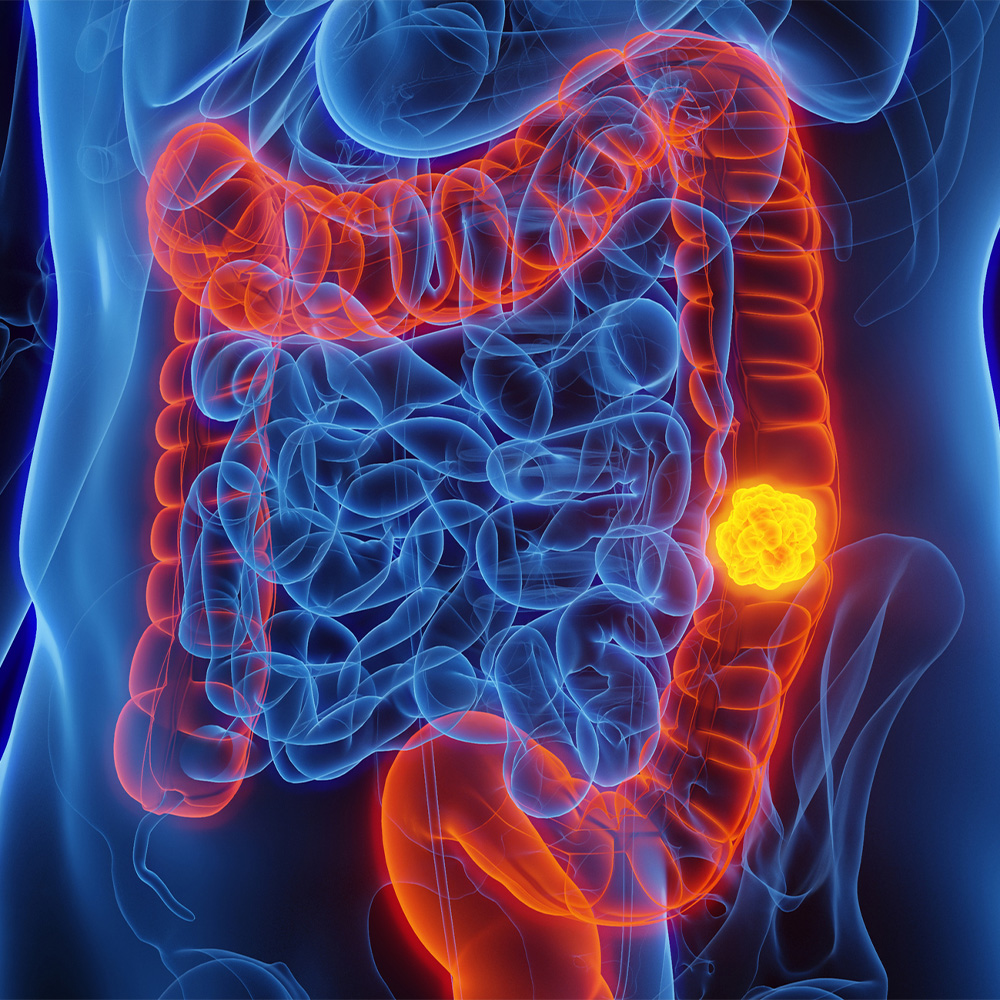
– In a groundbreaking phase one clinical trial led by UT Southwestern Medical Center, a short interfering RNA (siRNA) drug directed to tumor cells, ARO-HIF2, effectively disrupted HIF2α, a key driver of clear cell renal cell carcinoma (ccRCC).
UTSW study finds mechanical hearts can regenerate some heart tissue: Newsroom - UT Southwestern, Dallas, Texas
https://www.utsouthwestern.edu/newsroom/articles/year-2022/mechanical-hearts.html
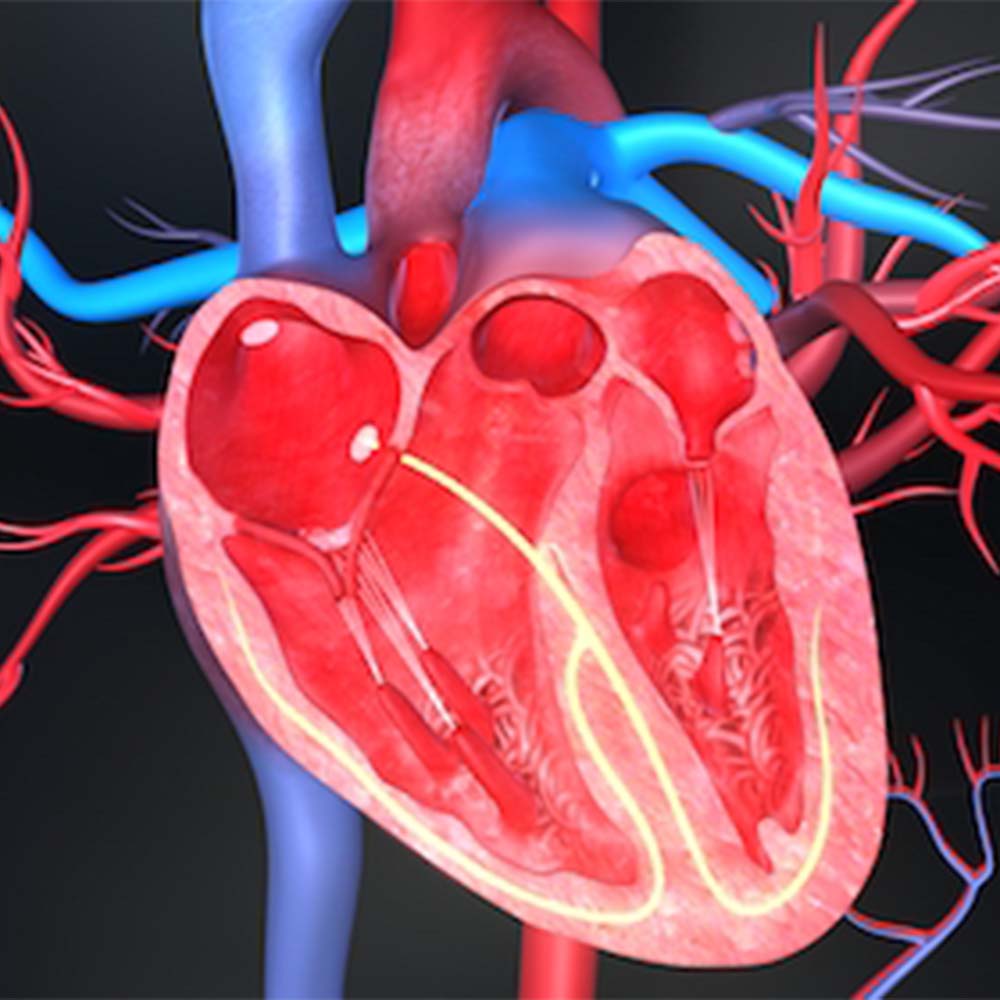
Mechanical hearts spur some regeneration in dormant parts of failing hearts, according to a UT Southwestern pilot study that shows promise for developing regenerative heart therapies.
Omicron prompted spike in COVID cases in pregnant women, but fewer hospitalizations: Newsroom - UT Southwestern, Dallas, Texas
https://www.utsouthwestern.edu/newsroom/articles/year-2022/omicron-pregnant-women.html

Women who were pregnant during the recent Omicron surge were diagnosed with COVID-19 at a much higher rate than during previous phases of the pandemic, but were less likely to develop severe illness, a study by UT Southwestern and Parkland Health scientists found.
Researchers discover new molecular driver of retinoblastoma: Newsroom - UT Southwestern, Dallas, Texas
https://www.utsouthwestern.edu/newsroom/articles/year-2022/september-retinoblastoma.html
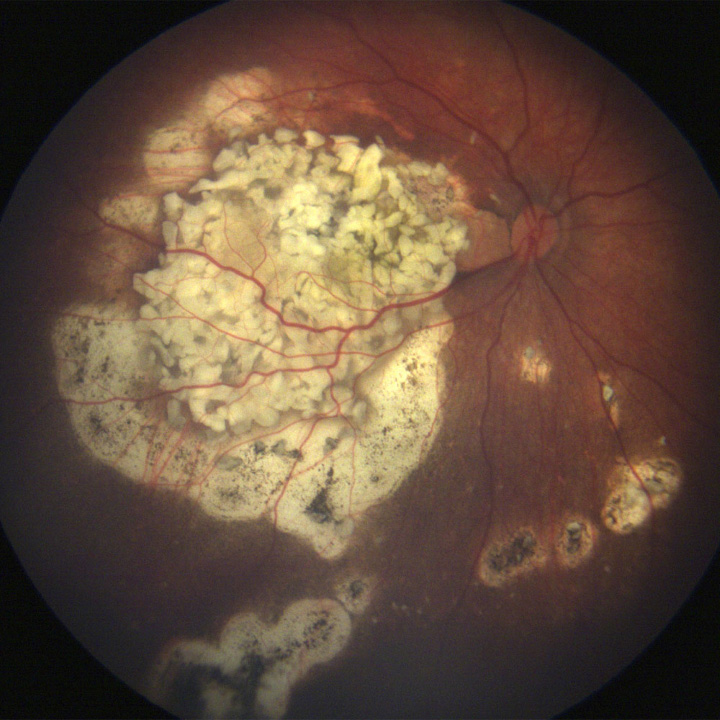
Researchers have discovered that a molecule – estrogen-related receptor gamma, or ESRRG – becomes hyperactive and promotes tumor cell survival in retinoblastoma.
Dr. John Warner receives Gold Heart Award from the American Heart Association: Newsroom - UT Southwestern, Dallas, Texas
https://www.utsouthwestern.edu/newsroom/articles/year-2022/june-warner-aha.html

Dr. Warner took on a larger role in launching a program that brought together EMS and hospitals to speed treatment for people in Dallas who experience a severe type of heart attack known as a STEMI.
Metabolic vulnerabilities could be new targets for metastatic breast cancer : Newsroom - UT Southwestern, Dallas, Texas
https://www.utsouthwestern.edu/newsroom/articles/year-2022/metabolic-vulnerabilities.html
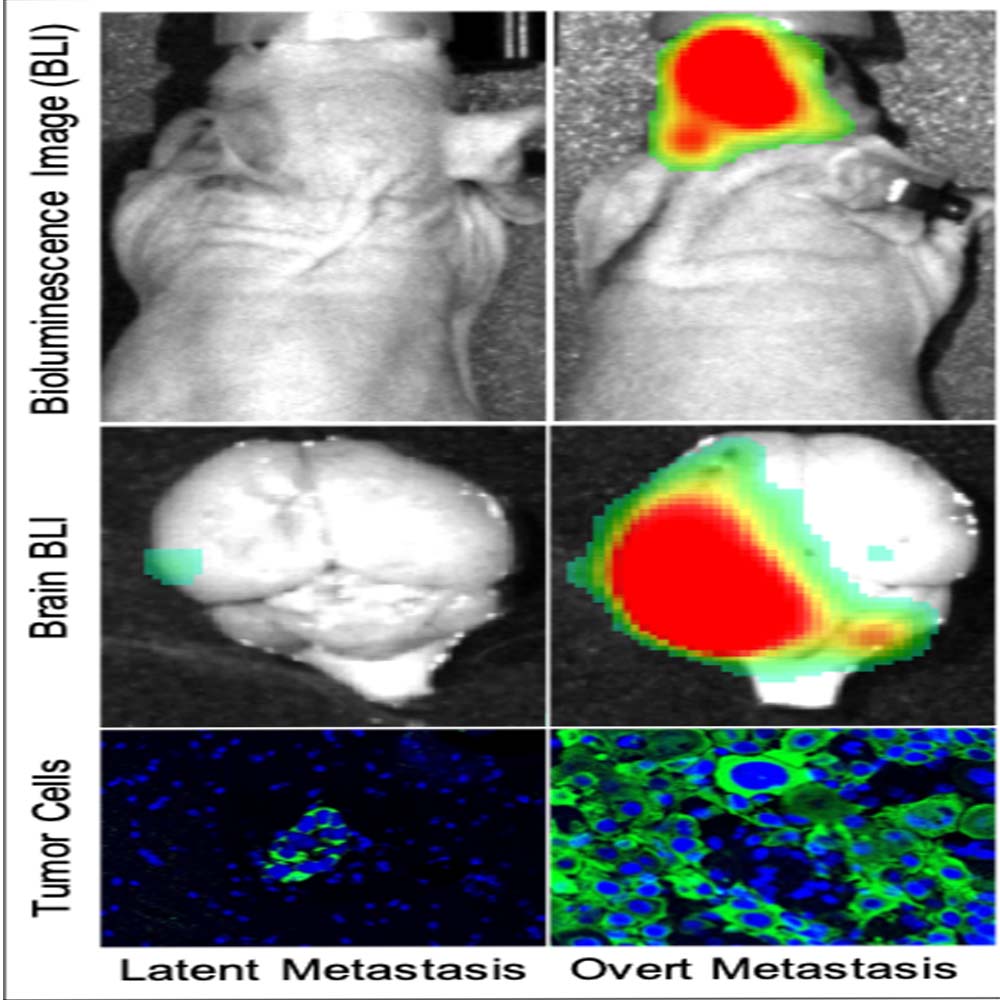
Metabolic differences could explain why some metastatic breast cancer cells rapidly generate tumors after migrating from primary tumors to the brain, while others linger for months or years before forming these secondary tumors, UT Southwestern scientists report in a new study.
UTSW infectious diseases experts offer advice on second COVID-19 booster : Newsroom - UT Southwestern, Dallas, Texas
https://www.utsouthwestern.edu/newsroom/articles/year-2022/second-booster.html

Individuals should weigh their own personal health and risk levels in deciding when to receive a second booster of the COVID-19 vaccine, UT Southwestern infectious diseases experts advise.
UT Southwestern researchers use AI to detect new family of genes in gut bacteria : Newsroom - UT Southwestern, Dallas, Texas
https://www.utsouthwestern.edu/newsroom/articles/year-2022/june-gut-bacteria.html
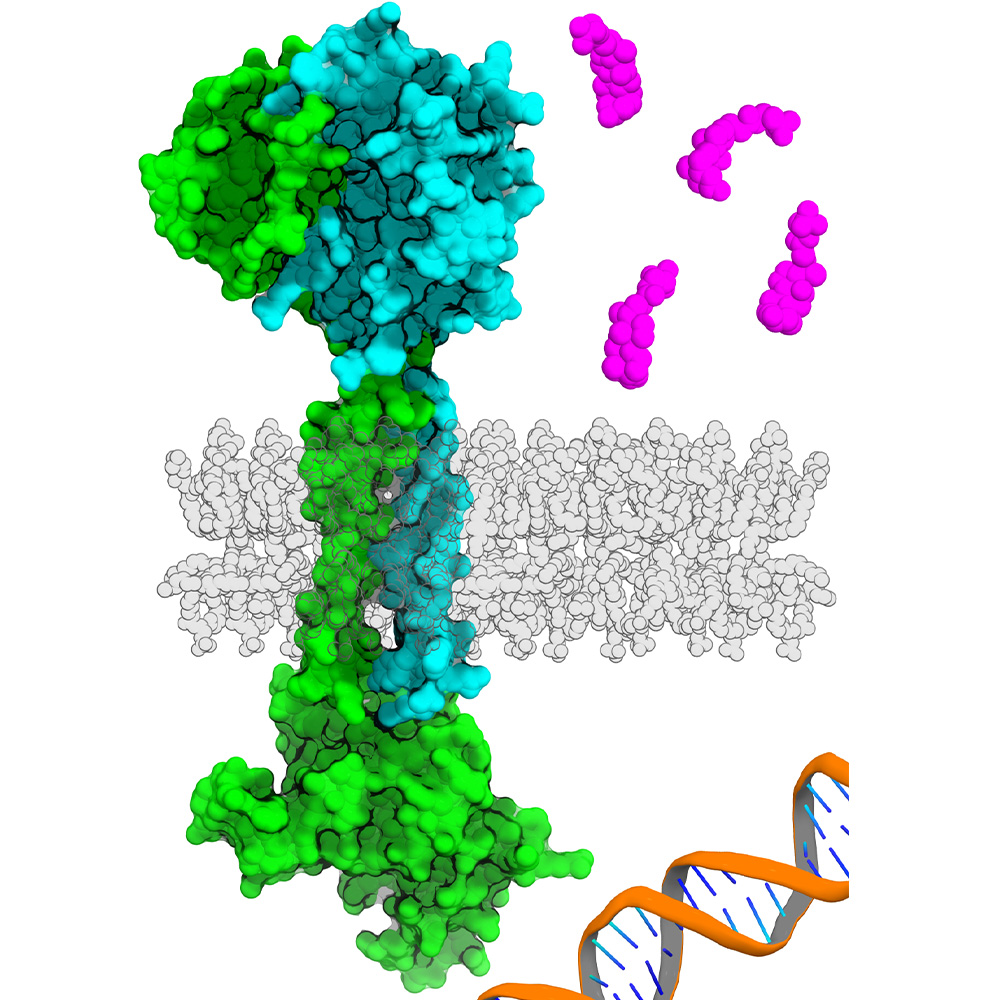
Using artificial intelligence, UT Southwestern researchers have discovered a new family of sensing genes in enteric bacteria that are linked by structure and probably function, but not genetic sequence.
UTSW researchers take new approach to fight viral infections : Newsroom - UT Southwestern, Dallas, Texas
https://www.utsouthwestern.edu/newsroom/articles/year-2022/viral-infections.html
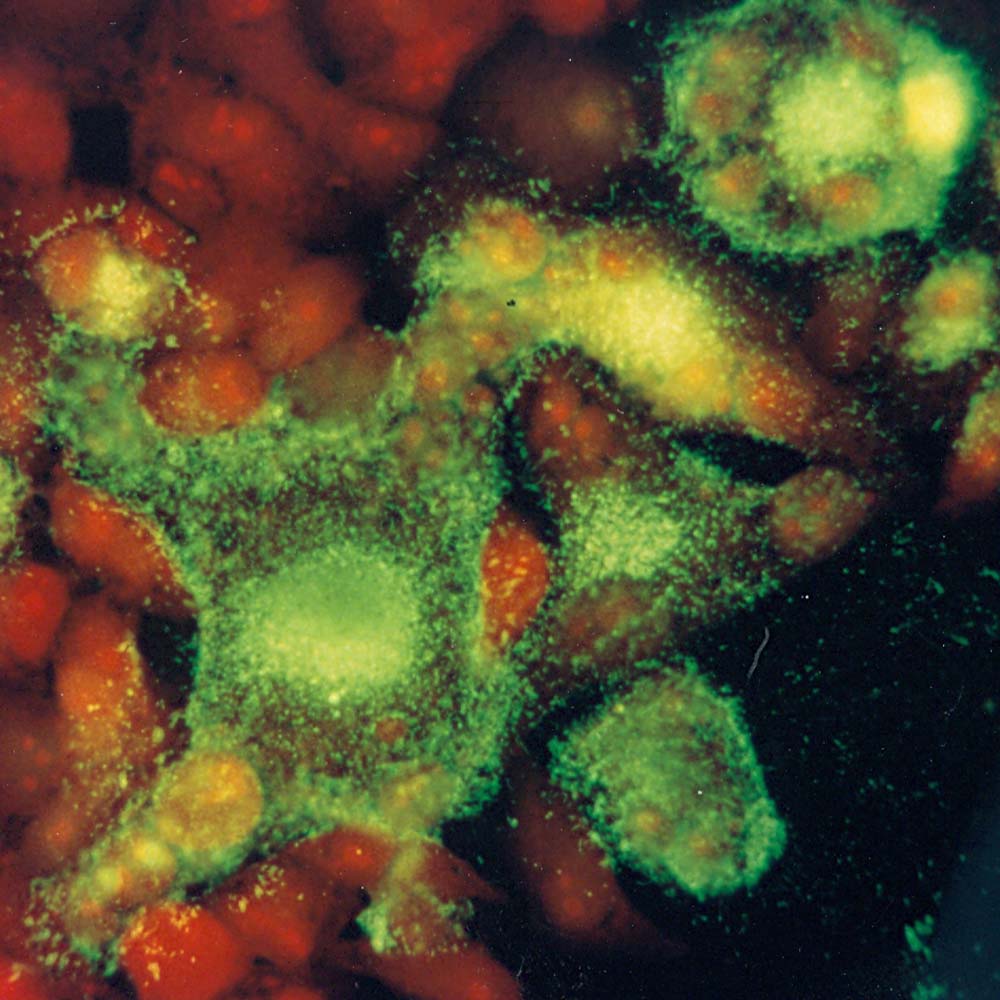
A new approach that targets the cellular machinery that viruses need to reproduce – rather than the virus itself – appears to stem replication of a common childhood pathogen known as respiratory syncytial virus (RSV), UT Southwestern researchers report in a new study.
UTSW study recommends screening for suspected obstructive sleep apnea in underweight children: Newsroom - UT Southwestern, Dallas, Texas
https://www.utsouthwestern.edu/newsroom/articles/year-2022/sleep-apnea.html

Researchers at UT Southwestern Medical Center studied obstructive sleep apnea in a large group of children and concluded that underweight children with this condition are more likely to have decreased height, tonsillar hypertrophy, and allergic rhinitis.