
Search
UT Southwestern study defines anemia in pregnancy using uncomplicated U.S. cases: Newsroom - UT Southwestern, Dallas, Texas
https://www.utsouthwestern.edu/newsroom/articles/year-2022/anemia-in-pregnancy.html

Maternal anemia has the same definition across the sociodemographic spectrum, according to a UT Southwestern study of a diverse population of uncomplicated patients.
More than two decades of UTSW research paves way for first-in-kind drug: Newsroom - UT Southwestern, Dallas, Texas
https://www.utsouthwestern.edu/newsroom/articles/year-2022/first-in-kind-drug.html
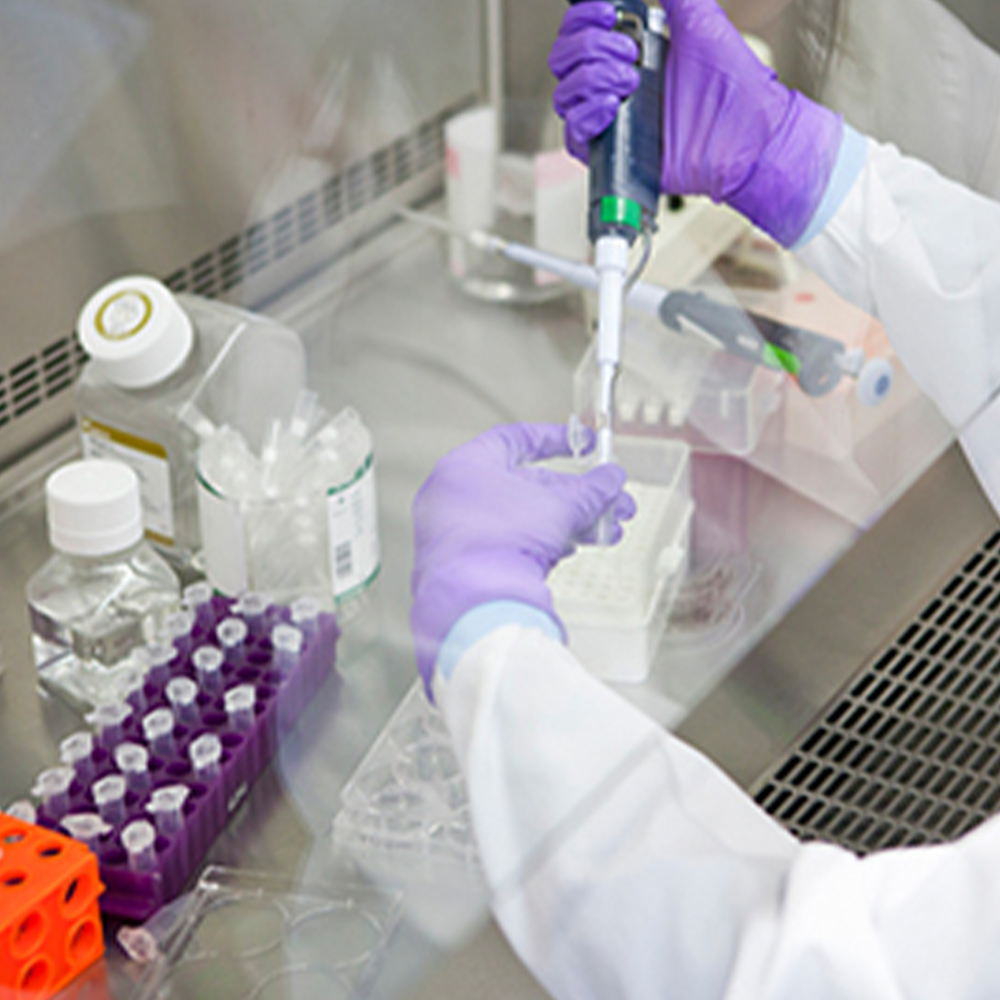
A first-in-kind immune-modulating drug that arose from decades of basic research at UT Southwestern Medical Center has received approval from the U.S. Food and Drug Administration as a new treatment for myasthenia gravis.
Protecting your eyes from the summer sun: Newsroom - UT Southwestern, Dallas, Texas
https://www.utsouthwestern.edu/newsroom/articles/year-2022/health-tips-ophthalmology.html
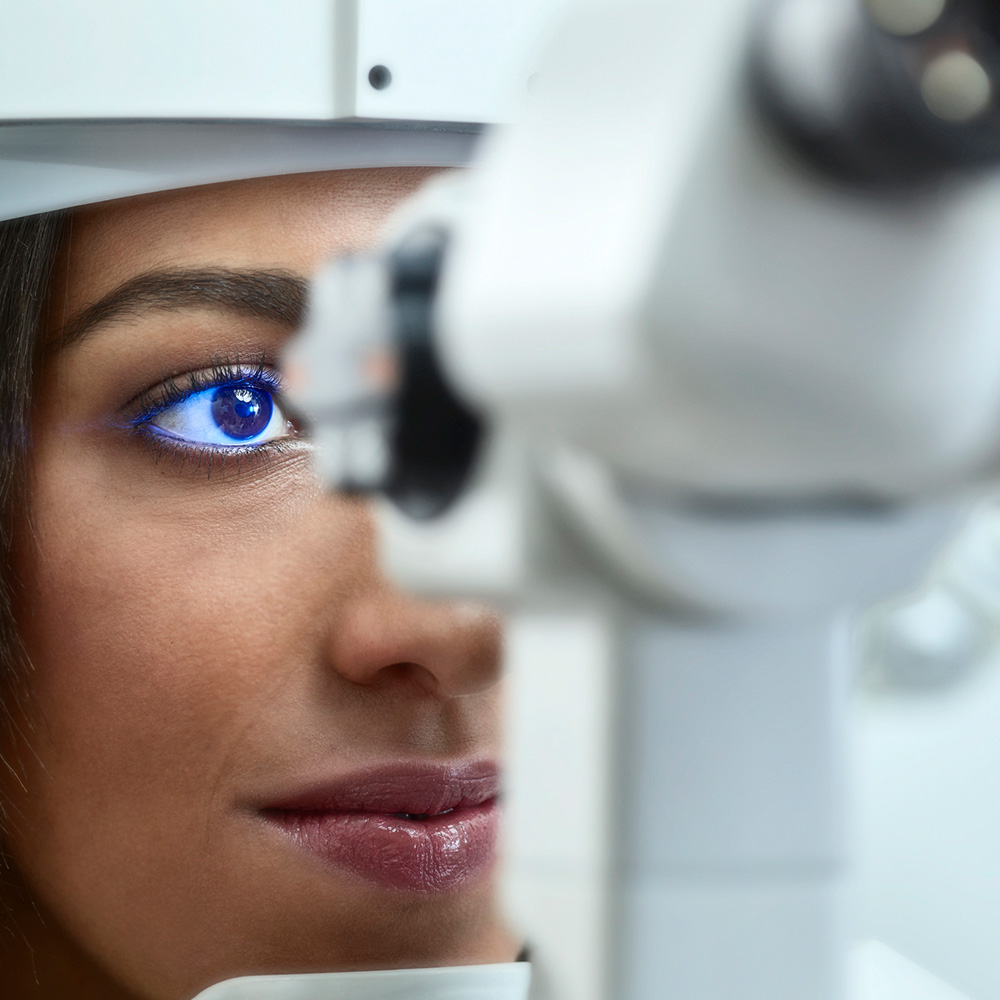
With summer approaching and temperatures on the rise, it’s important to protect not just your skin but also your eyes from the sun’s rays.
UTSW researchers develop microbubble technology to enhance cancer immunotherapy : Newsroom - UT Southwestern, Dallas, Texas
https://www.utsouthwestern.edu/newsroom/articles/year-2022/microbubble-technology.html
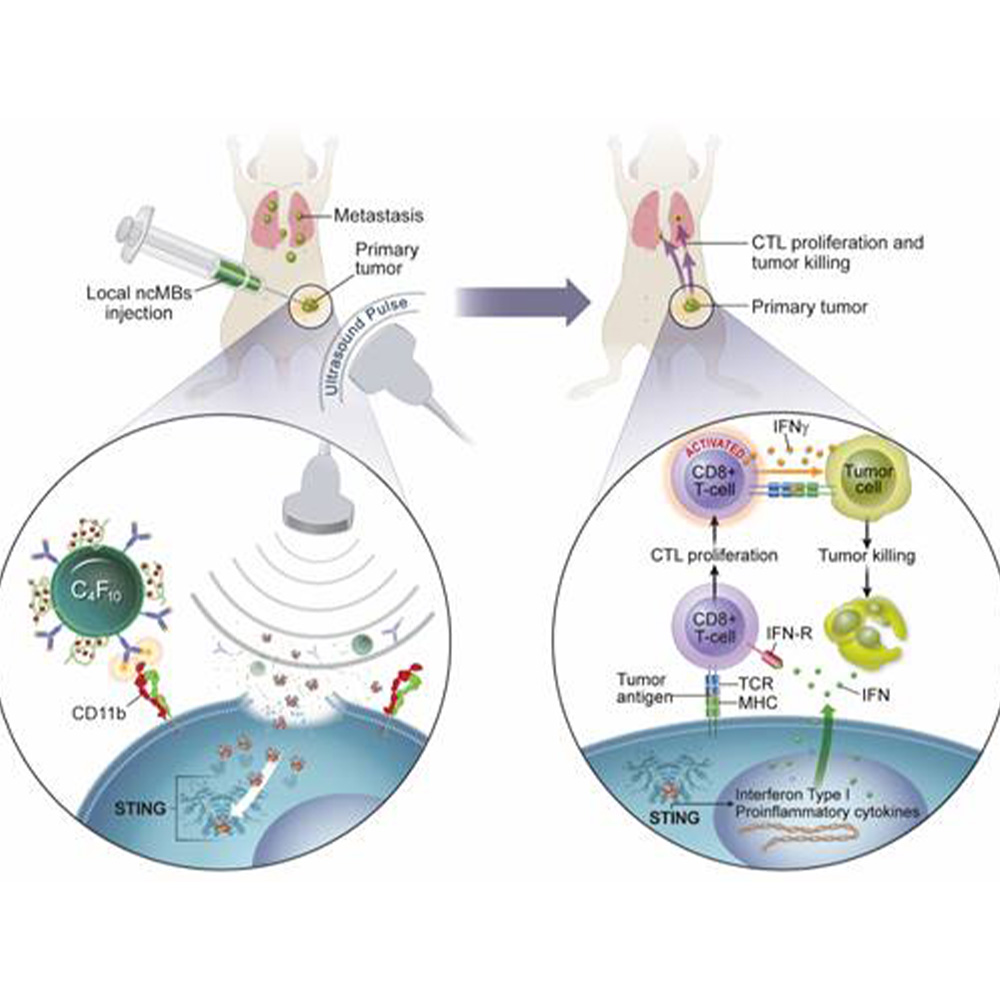
Researchers at UT Southwestern have developed a first-of-its-kind ultrasound-guided cancer immunotherapy platform that delivers immune-stimulating agents to cells for the development of systemic anti-tumor immunity.
Simmons Cancer Center investigators receive more than $17 million in CPRIT funding: Newsroom - UT Southwestern, Dallas, Texas
https://www.utsouthwestern.edu/newsroom/articles/year-2022/scc-cprit-funding.html
Fifteen scientists in the Harold C. Simmons Comprehensive Cancer Center at UT Southwestern received more than $17 million in research funds in the latest round of grants awarded by the Cancer Prevention and Research Institute of Texas (CPRIT).
Risk factors identified for autoimmune hepatitis after liver transplant: Newsroom - UT Southwestern, Dallas, Texas
https://www.utsouthwestern.edu/newsroom/articles/year-2022/autoimmune-hepatitis.html
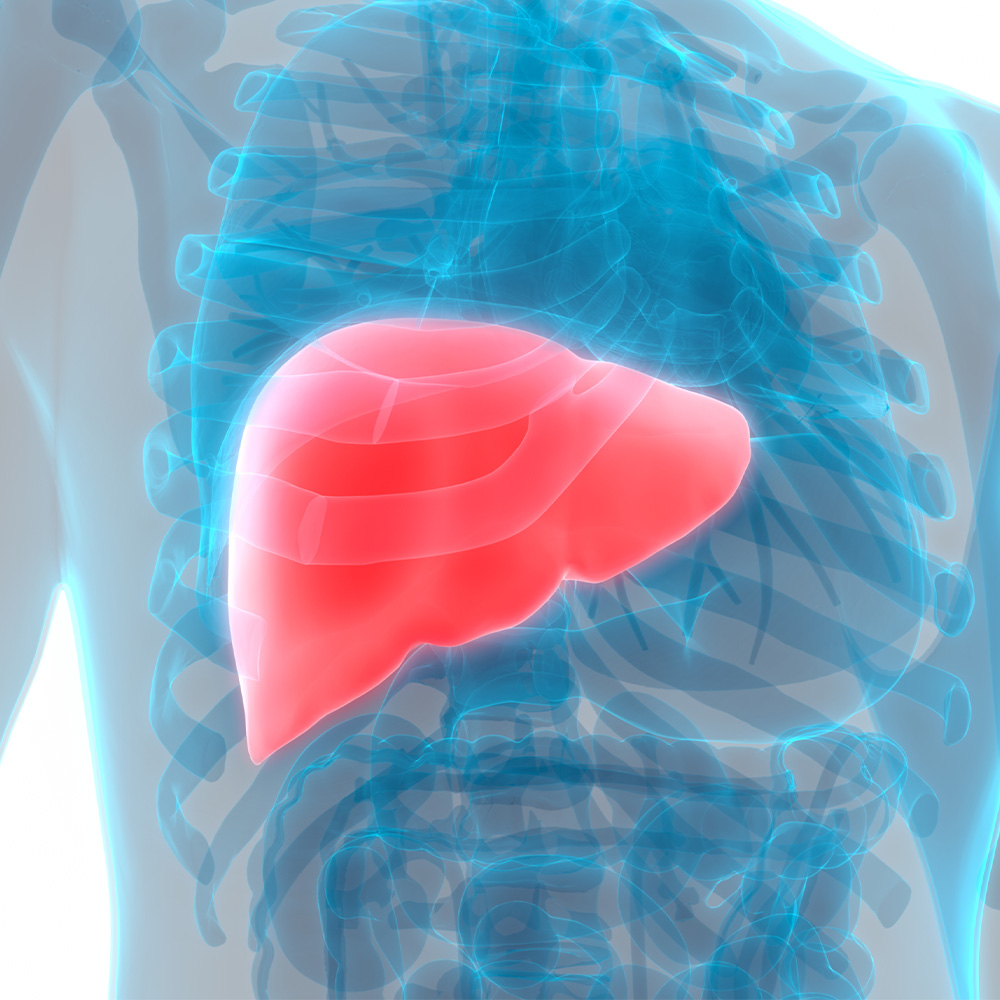
A multicenter study performed by a large international consortium that includes UT Southwestern has outlined a set of risk factors and outcomes for patients with autoimmune hepatitis (AIH) that recurs after liver transplantation.
UTSW study: RNA exosome key for B cell development: Newsroom - UT Southwestern, Dallas, Texas
https://www.utsouthwestern.edu/newsroom/articles/year-2022/rna-exosome-key.html
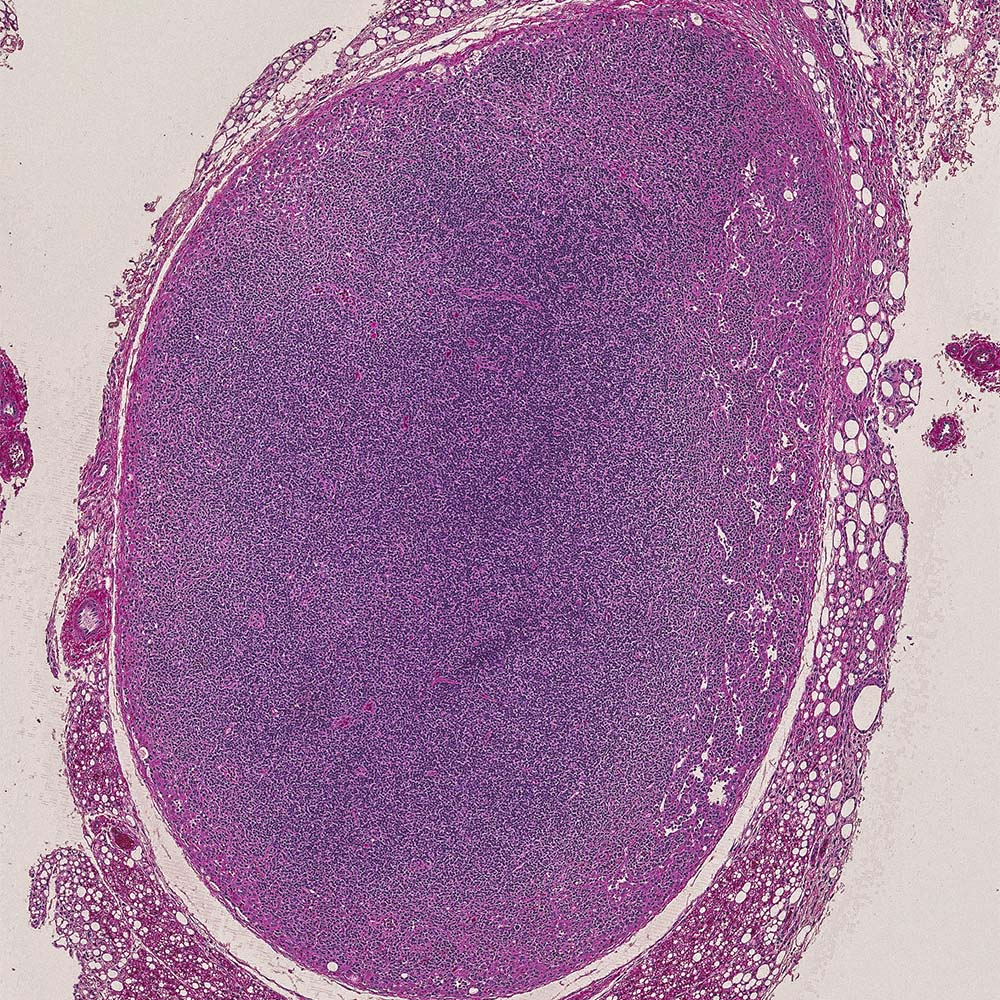
New research from UT Southwestern suggests that RNA exosomes– the cellular machines that degrade old molecules of RNA – play a key role in the development of B cells, which are critical to the immune system’s ability to protect against infection.
Radiofrequency ablation offers a nonsurgical treatment for thyroid nodules: Newsroom - UT Southwestern, Dallas, Texas
https://www.utsouthwestern.edu/newsroom/articles/year-2022/thyroid-nodules.html
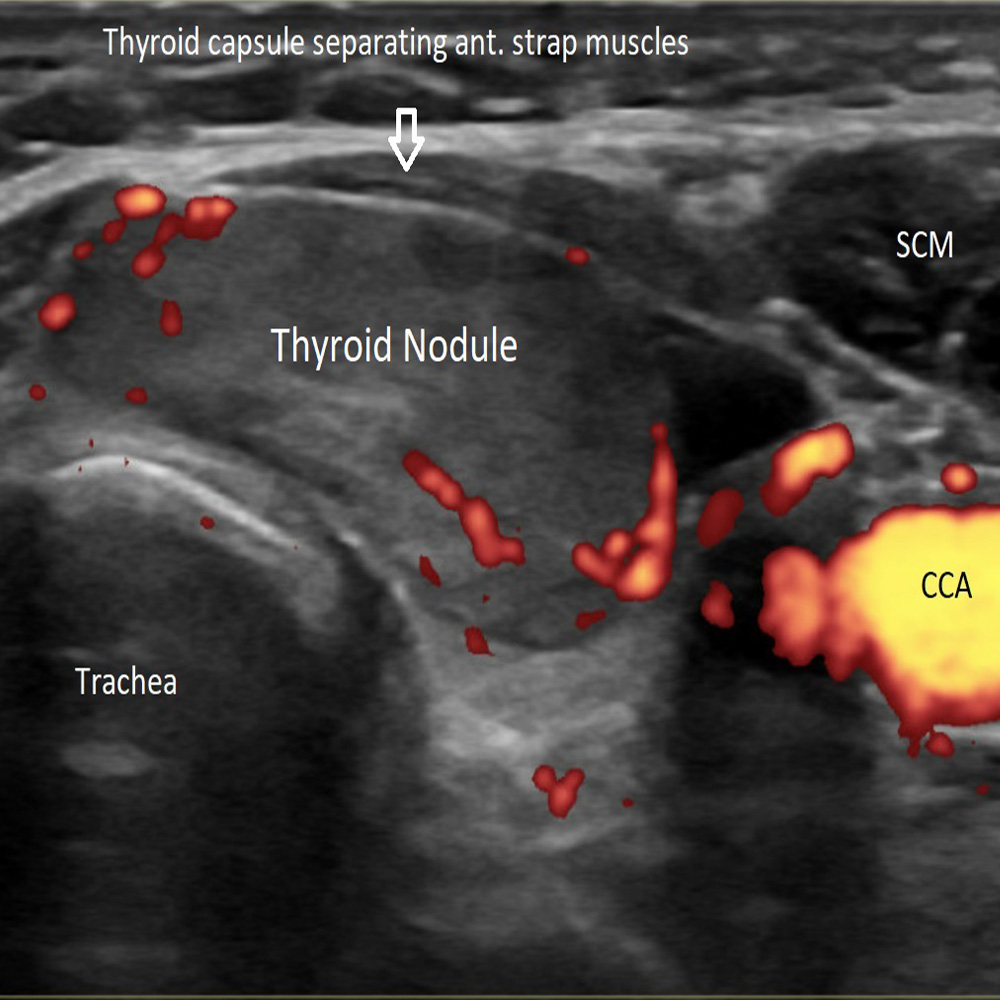
When Vickie Bell-Percival was offered the opportunity to have a nodule on her thyroid treated with a new nonsurgical technique called radiofrequency ablation (RFA), she didn’t hesitate.
Aging in place? Factors to consider when deciding whether it’s safe to continue living at home : Newsroom - UT Southwestern, Dallas, Texas
https://www.utsouthwestern.edu/newsroom/articles/year-2022/june-aging-in-place.html
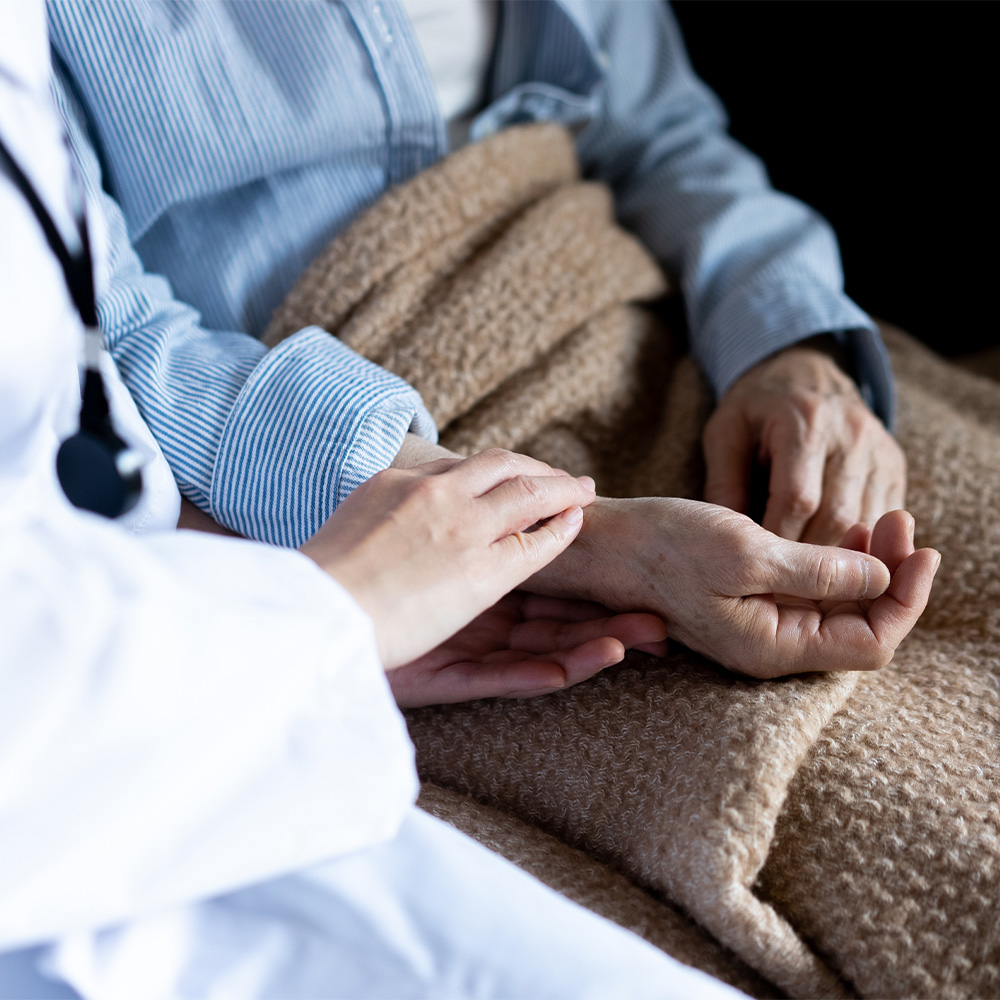
Four out of five Americans 65 and older want to stay in their homes as they age, according to a recent Associated Press poll. But deciding how long an elderly relative should live alone and when they should move to an environment with more support – such as assisted living or a nursing home – can be difficult.
Promising compound kills range of hard-to-treat cancers by targeting a previously undiscovered vulnerability: Newsroom - UT Southwestern, Dallas, Texas
https://www.utsouthwestern.edu/newsroom/articles/year-2022/hard-to-treat-cancers.html
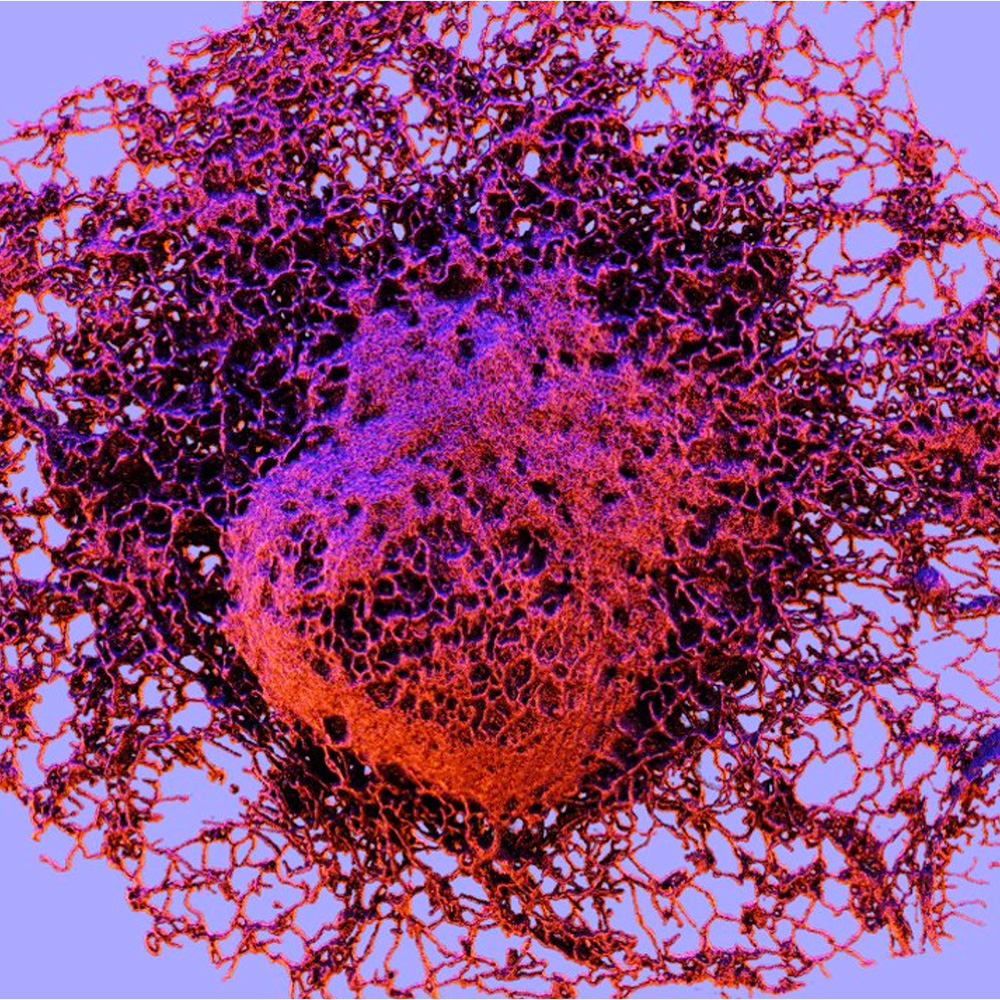
A compound synthesized by a team led by UT Southwestern scientists kills a range of hard-to-treat cancer types by targeting a previously unexploited vulnerability, a new study reports.