
Search
Rare genetic disorder linked to liver dysfunction, hypoglycemia, lipodystrophy : Newsroom - UT Southwestern, Dallas, Texas
https://www.utsouthwestern.edu/newsroom/articles/year-2025/dec-rare-genetic-disorder-hypoglycemia.html
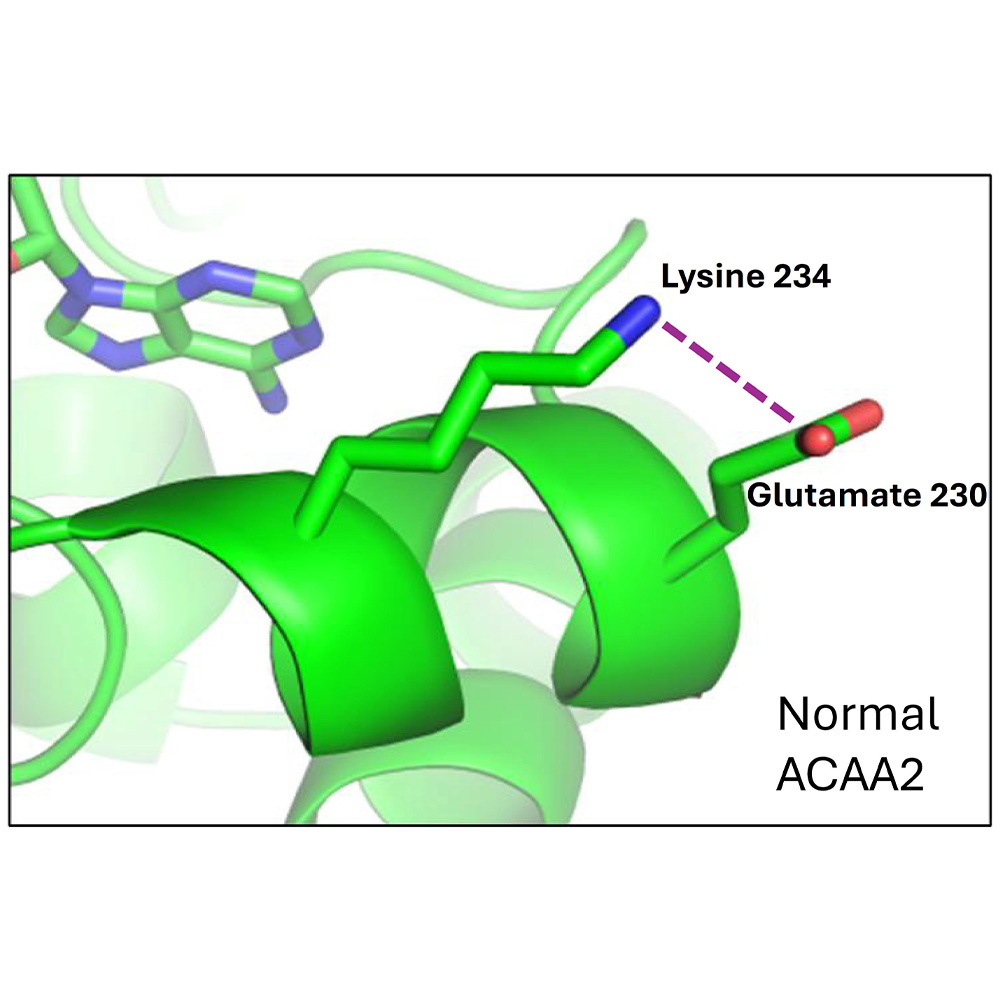
A rare genetic disorder discovered by UT Southwestern Medical Center researchers and their colleagues can cause brain damage from dangerously low blood sugar levels and liver damage in infants, along with variable body fat loss, fatty tumors, and metabolic complications in youth and adults.
Ribosome level changes detected in early brain development : Newsroom - UT Southwestern, Dallas, Texas
https://www.utsouthwestern.edu/newsroom/articles/year-2025/aug-ribosome-early-brain-development.html
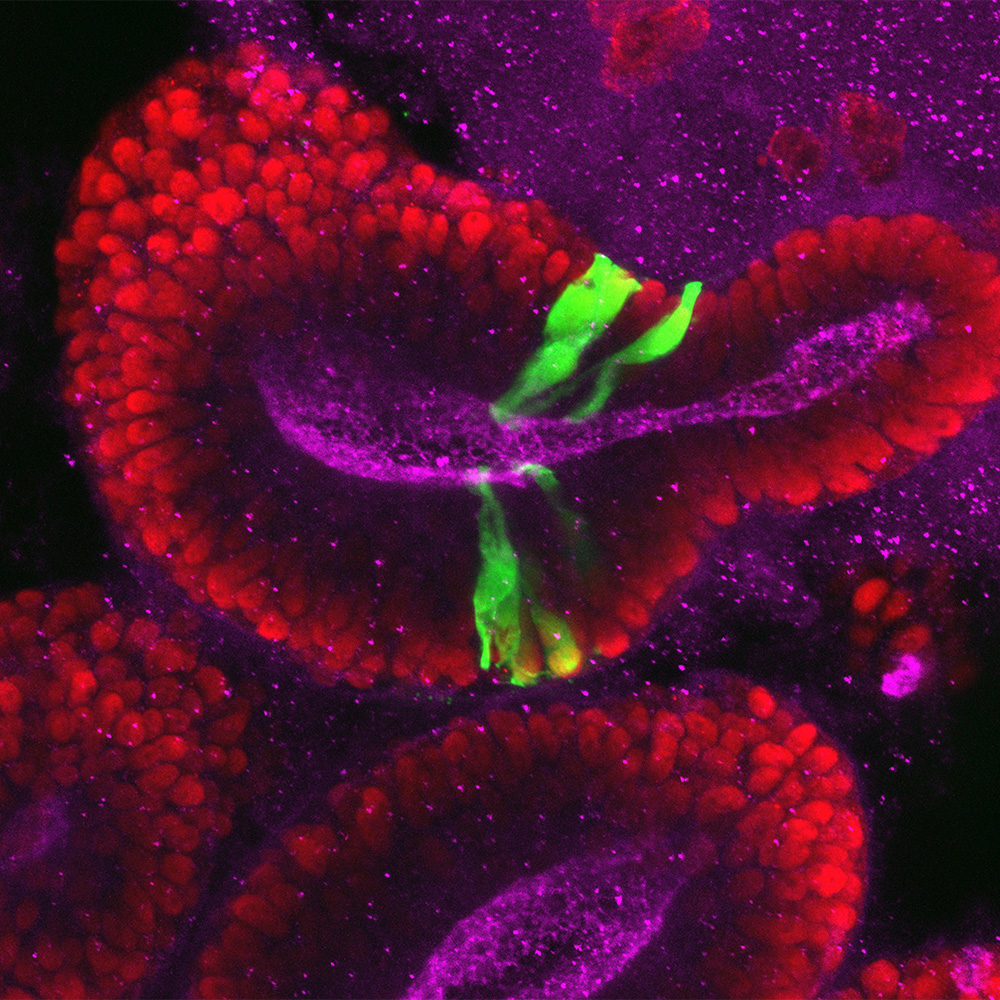
A team led by UT Southwestern Medical Center scientists has identified a specific stage of neurodevelopment when differentiating neural cells produce fewer ribosomes, which are responsible for making proteins.
UTSW scientists link another gene to obesity : Newsroom - UT Southwestern, Dallas, Texas
https://www.utsouthwestern.edu/newsroom/articles/year-2025/june-scientists-link-gene-to-obesity.html
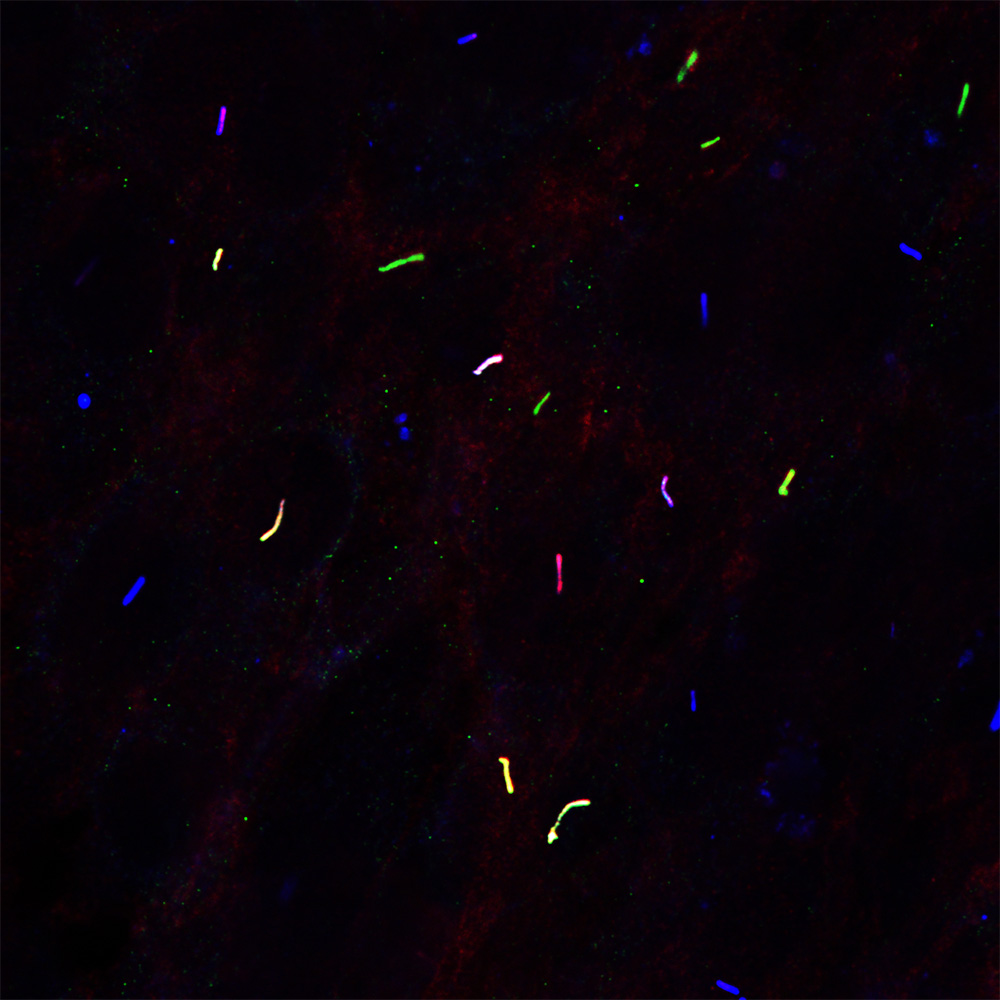
Using a tool called Automated Meiotic Mapping (AMM) that was developed at UT Southwestern Medical Center, a team of researchers has identified a gene that appears to be key for regulating food intake.
New tool sheds light on where RNA is found in cells : Newsroom - UT Southwestern, Dallas, Texas
https://www.utsouthwestern.edu/newsroom/articles/year-2025/june-tool-sheds-light-on-rna.html
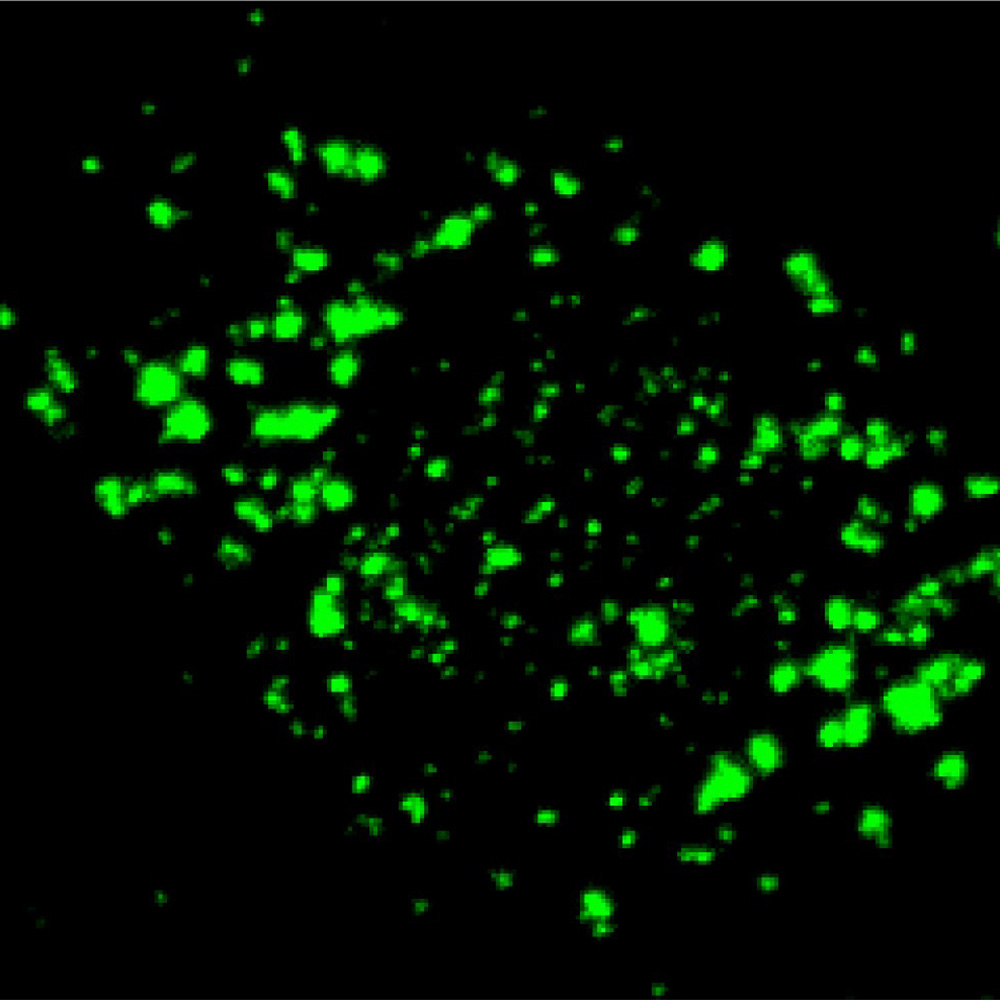
A new tool called PHOTON, developed by scientists at UT Southwestern Medical Center, can identify RNA molecules at their native locations within cells – providing valuable clues to where different RNA species are distributed spatially in response to various cellular cues.
Study links female sex hormones to progression of eye disease: Newsroom - UT Southwestern, Dallas, Texas
https://www.utsouthwestern.edu/newsroom/articles/year-2025/july-female-sex-hormones-eye-disease.html
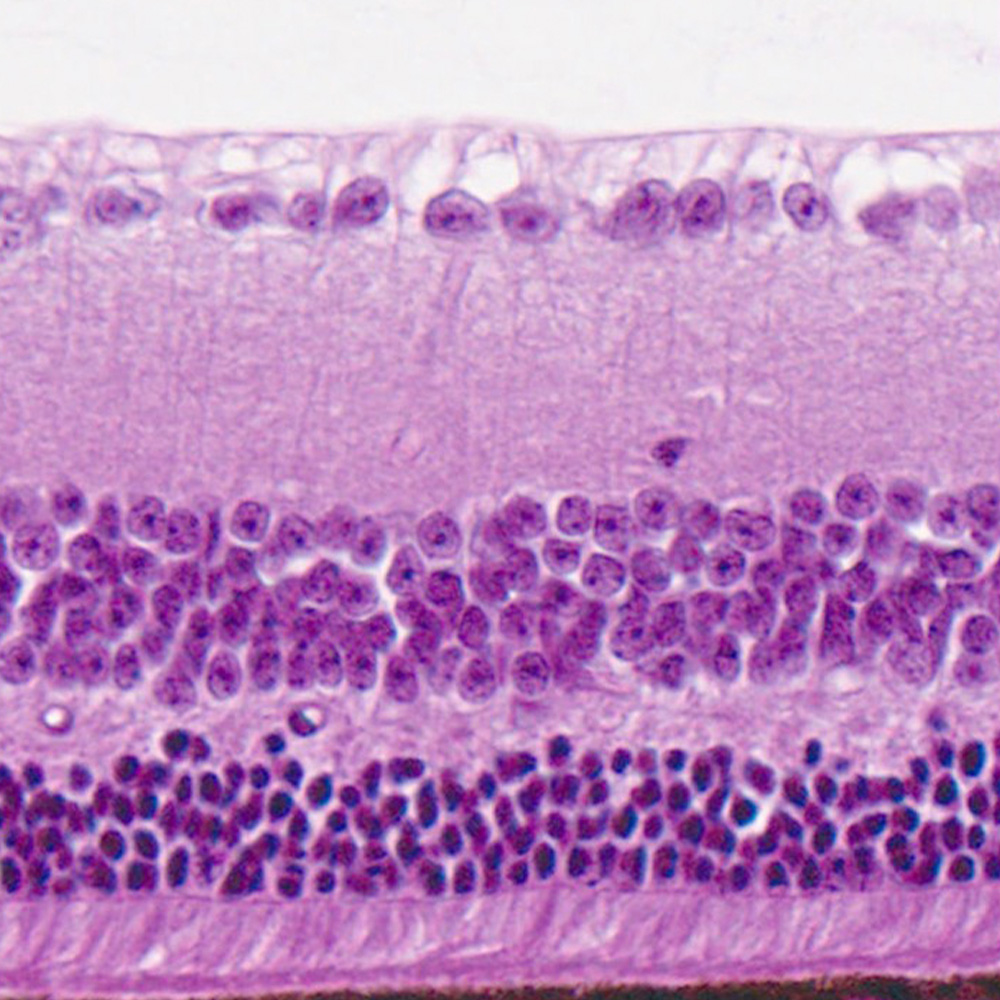
Female sex hormones can significantly enhance the progression of the rare neurodegenerative eye disease retinitis pigmentosa (RP), according to a preclinical study by researchers at UT Southwestern Medical Center. The findings, published in Science Advances, may lead to therapeutics to slow progression of the disease and help clinicians assess the risk of hormone therapies for female patients with genetic markers for the disease.
UT Southwestern biochemist elected to U.K.’s Royal Society: Newsroom - UT Southwestern, Dallas, Texas
https://www.utsouthwestern.edu/newsroom/articles/year-2025/may-biochemist-elected-uk-royal-society.html

Zhijian “James” Chen, Ph.D., Professor of Molecular Biology and Director of the Center for Inflammation Research at UT Southwestern Medical Center, has been elected to the Fellowship of the Royal Society, the United Kingdom’s national academy of sciences and the oldest scientific academy in continuous existence.
Scientists identify protein that heightens neurodegenerative disease: Newsroom - UT Southwestern, Dallas, Texas
https://www.utsouthwestern.edu/newsroom/articles/year-2025/may-gene-that-heightens-neurodegenerative-disease.html
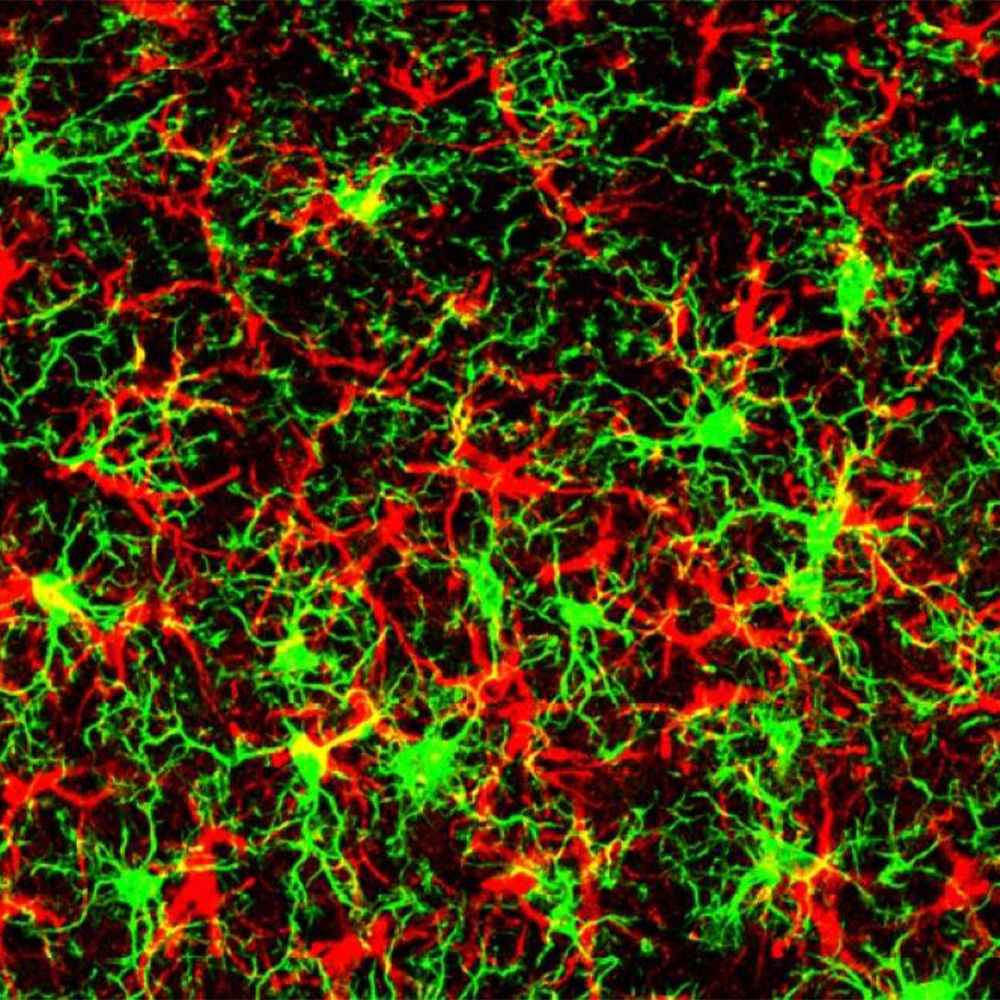
UT Southwestern Medical Center scientists have identified a gene that appears to act as a master control switch for reactive gliosis, a prominent feature of many neurodegenerative diseases that is thought to contribute to their pathology.
Protein pivotal for B-cell cancers gets a closer look: Newsroom - UT Southwestern, Dallas, Texas
https://www.utsouthwestern.edu/newsroom/articles/year-2025/june-protein-pivotal-b-cell-cancers.html
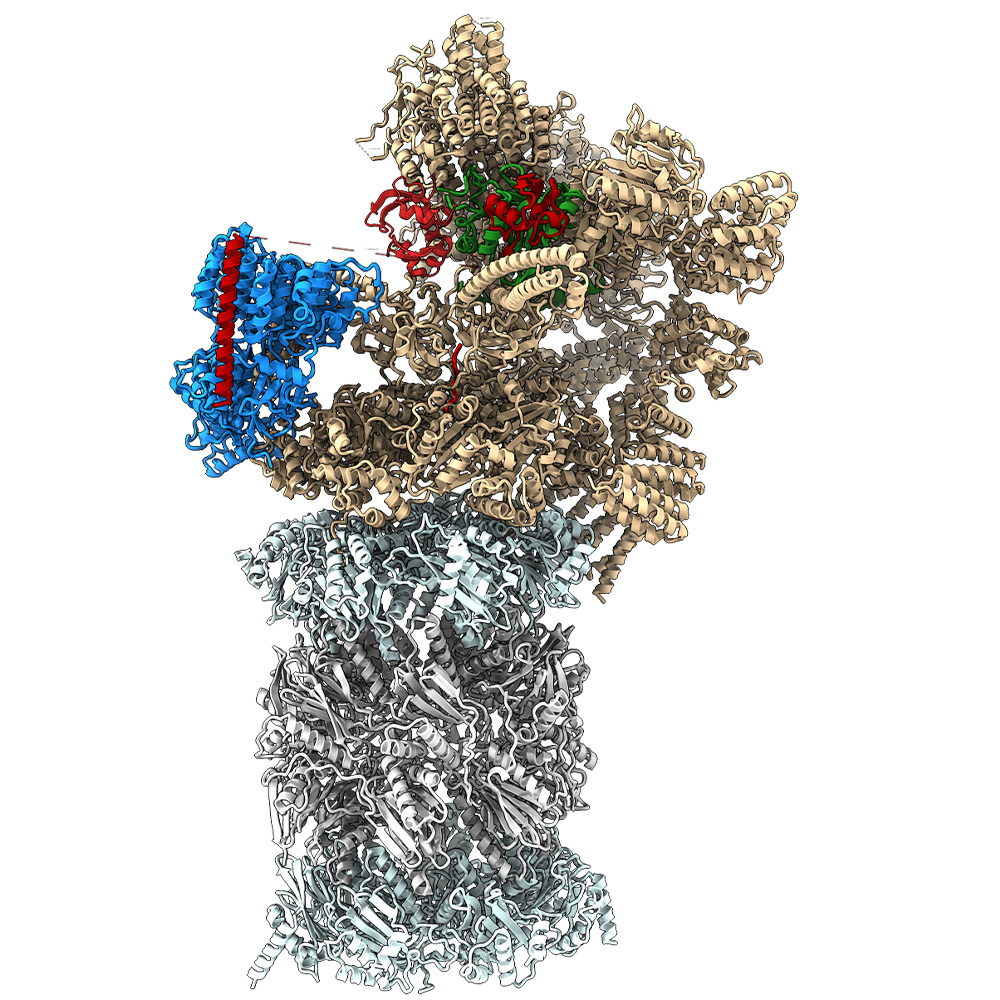
Using a cutting-edge imaging technology known as cryo-electron microscopy, researchers at UT Southwestern Medical Center have determined the structure of a protein called midnolin that’s crucial to the survival of malignant cells in some leukemias, lymphomas, and multiple myelomas.
Hormone may hold key to longer life, improved metabolic health : Newsroom - UT Southwestern, Dallas, Texas
https://www.utsouthwestern.edu/newsroom/articles/year-2025/july-hormone-improved-metabolic-health.html
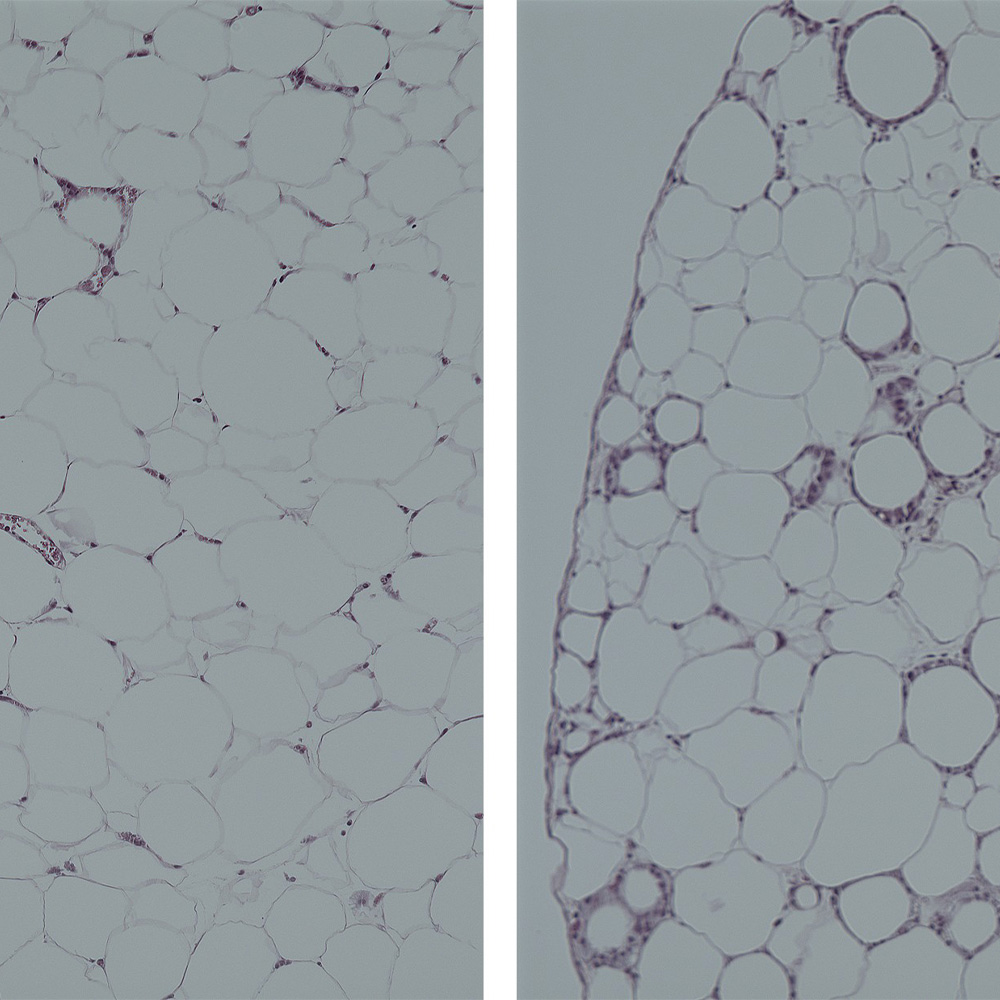
Fat cells genetically altered to overproduce a hormone called FGF21 resulted in improved metabolic health and an extended lifespan in mice that were fed a high-fat diet, UT Southwestern Medical Center researchers report. The findings, published in Cell Metabolism, could lead to new interventions that have the same positive effects in humans.
Presurgical radiation may curb pancreatic cancer recurrence: Newsroom - UT Southwestern, Dallas, Texas
https://www.utsouthwestern.edu/newsroom/articles/year-2025/july-presurgical-radiation-pancreatic-cancer.html
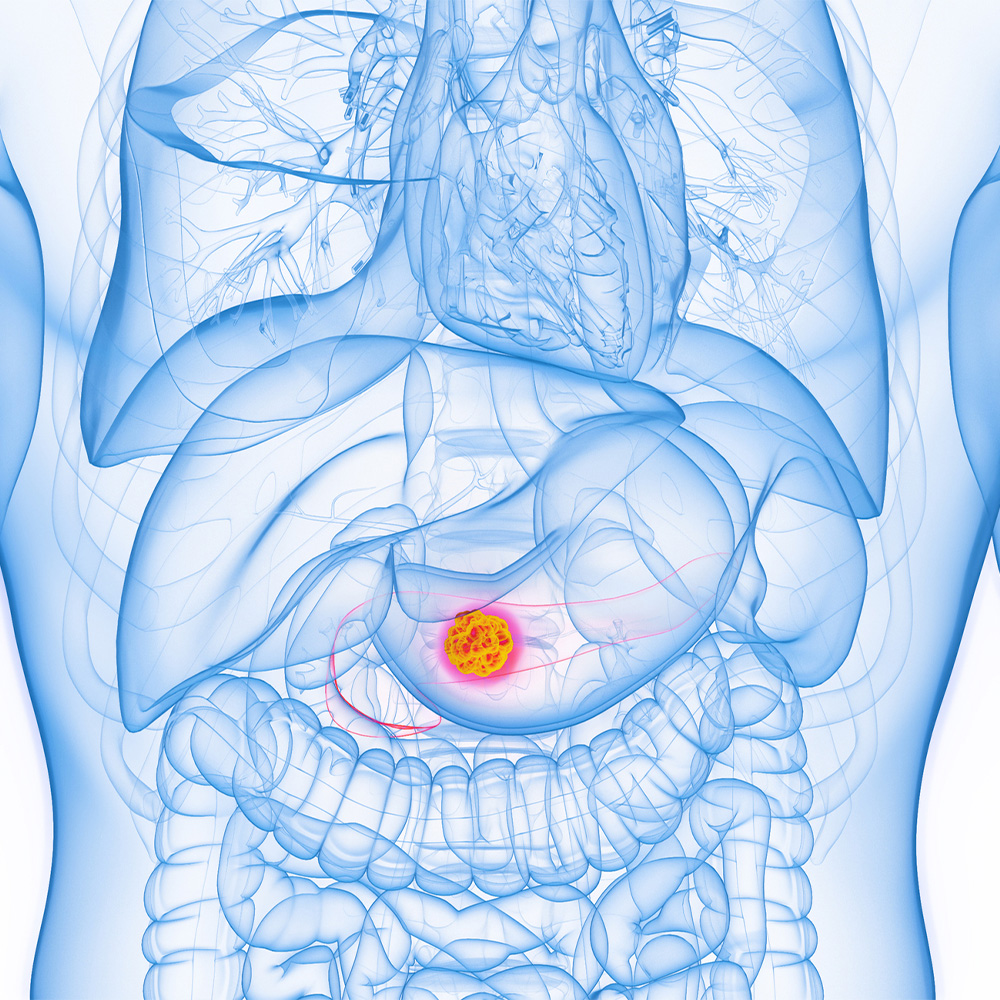
Adding targeted radiation to chemotherapy prior to surgery may offer better control of pancreatic tumors – potentially reducing the rate of recurrence after treatment, according to a new study from UT Southwestern Medical Center. Published in Clinical Cancer Research, the novel study offers evidence of a more effective approach with biological insights for treating one of the most aggressive and lethal forms of cancer.