
Search
Postdoctoral Road Map: Postdoctoral Scholars - UT Southwestern, Dallas, Texas
https://www.utsouthwestern.edu/research/postdoctoral-scholars/roadmap/
The journey to becoming postdoctoral scholar at UT Southwestern follows a road map that consists of five steps.
Helping those with a rare disease find the right treatment - CT Plus - UT Southwestern
https://www.utsouthwestern.edu/ctplus/stories/2022/eds-patient-story.html
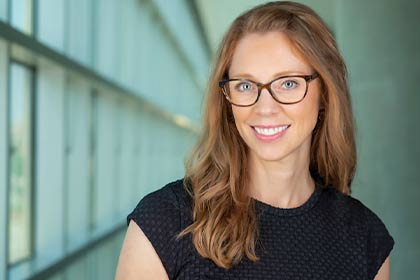
By the time EDS patients come to UT Southwestern, many have already seen numerous doctors and are still searching for an accurate diagnosis and treatment plan. The UTSW Physical Medicine and Rehabilitation specialist team is well equipped to help patients for this rare condition, creating a customized treatment plan for each.
Postdoctoral Association (PDA) - UT Southwestern, Dallas, Texas
https://www.utsouthwestern.edu/research/postdoctoral-scholars/pda/
The Postdoctoral Association helps postdocs develop a sense of community and promotes training and career development.
BRG members and partners lauded for commitment to diversity, inclusion - CT Plus - UT Southwestern
https://www.utsouthwestern.edu/ctplus/stories/2022/brg-awards.html
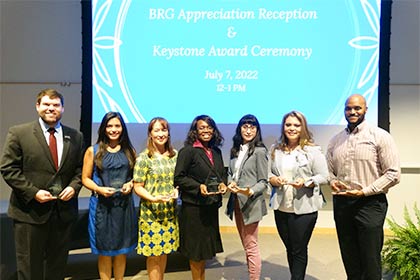
This event showcased the significant contributions of BRG members and officers who devote their time, energy, and talent to center belonging, inclusion, and wellness for everyone at UT Southwestern.
Bryan Williams, M.D. Student Center: Student Support - UT Southwestern, Dallas, TX
https://www.utsouthwestern.edu/education/students/student-life/
Discover the Bryan Williams, M.D. Student Center, where UTSW students are involved in fitness, intramural, volunteer activities, and 100+ student organizations.
Returning the wounded warriors: UTSW gastroenterologist serves as Air Force flight surgeon, UT Southwestern Medical Center, Dallas, TX
https://www.utsouthwestern.edu/ctplus/stories/2018/veteran-vanderveldt.html
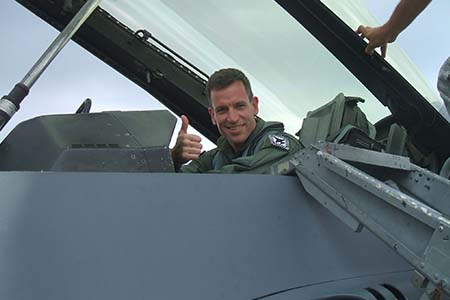
An Assistant Professor of Internal Medicine at UT Southwestern, he has served in the Air Force Reserve since 2008.
Creating a regenerative microenvironment to augment the healing of childhood bone necrosis - CT Plus - UT Southwestern
https://www.utsouthwestern.edu/ctplus/stories/2022/harry-kim-osteonecrosis.html
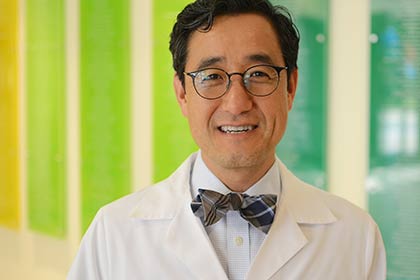
With the aid of a R01 grant from the National Institutes of Health and a large animal model of the disease, Dr. Kim and his team will develop and test minimally invasive tissue-engineering methods to transform the inflammatory environment into a regenerative one.
Student Organizations: Bryan Williams, M.D. Student Center - UT Southwestern, Dallas, TX
https://www.utsouthwestern.edu/education/students/student-orgs/
More than 100 student organizations through the Bryan Williams M.D. Student Center actively participate in and contribute to a vibrant university community.
Addressing the most-feared kidney cancer complication - CT Plus - UT Southwestern
https://www.utsouthwestern.edu/ctplus/stories/2022/kidney-cancer.html
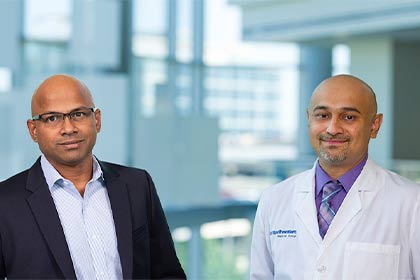
UTSW researchers pioneered the use of stereotactic ablative radiation (SAbR), reporting the first case in the literature in 2015.
Postdoctoral Affairs Office: Graduate School - UT Southwestern, Dallas, Texas
https://www.utsouthwestern.edu/research/postdoctoral-scholars/office/
The Postdoctoral Affairs Office serves, supports, and advocates for postdoctoral scholars and the faculty who train them at UT Southwestern Medical Center.