
Search
New biosensor tracks down missing metabolite from childhood brain disorder: Newsroom - UT Southwestern, Dallas, Texas
https://www.utsouthwestern.edu/newsroom/articles/year-2026/july-new-biosensor-metabolite-childhood-brain-disorder.html
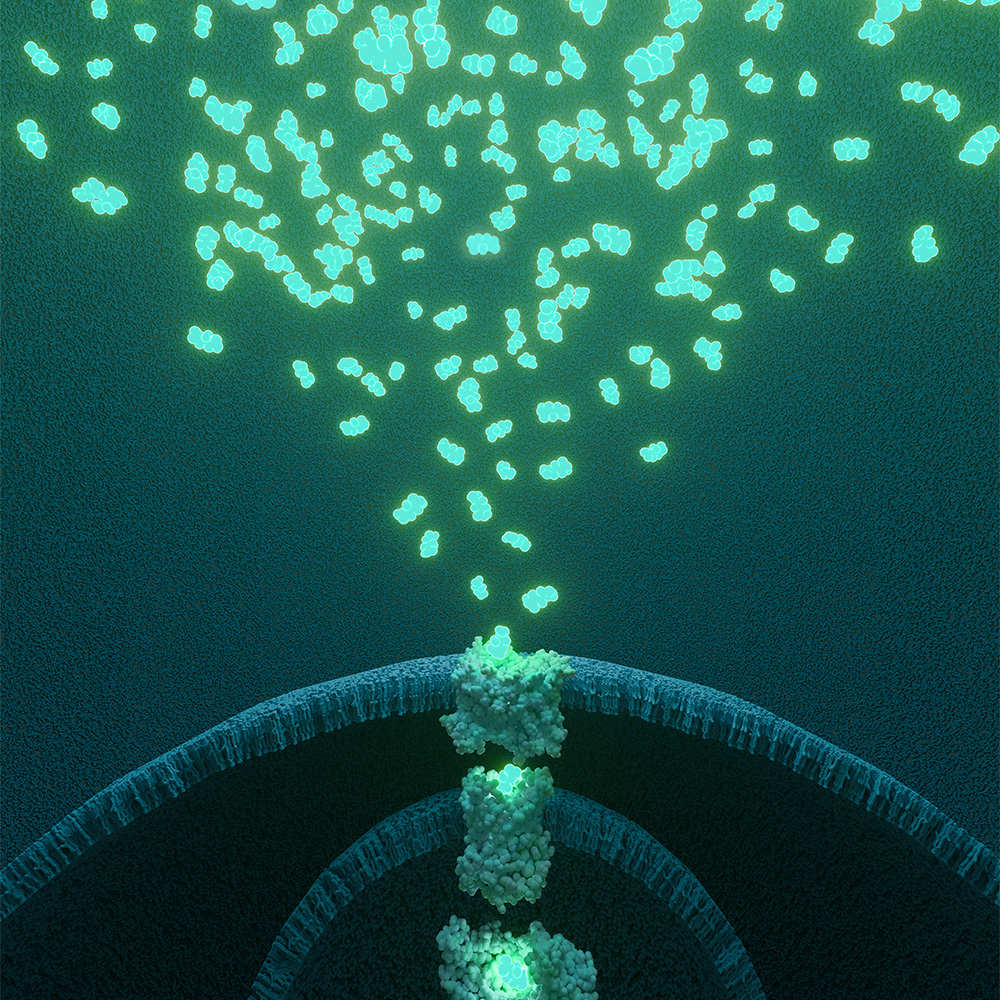
Scientists at Children’s Medical Center Research Institute at UT Southwestern (CRI) have discovered why babies born with a rare inborn error of metabolism, called GPT2 deficiency, suffer from severe neurological impairment, according to research published in Science.
UTSW researcher receives NIH Director’s New Innovator Award: Newsroom - UT Southwestern, Dallas, Texas
https://www.utsouthwestern.edu/newsroom/articles/year-2023/oct-maddipati-nih-directors-new-innovator-award.html
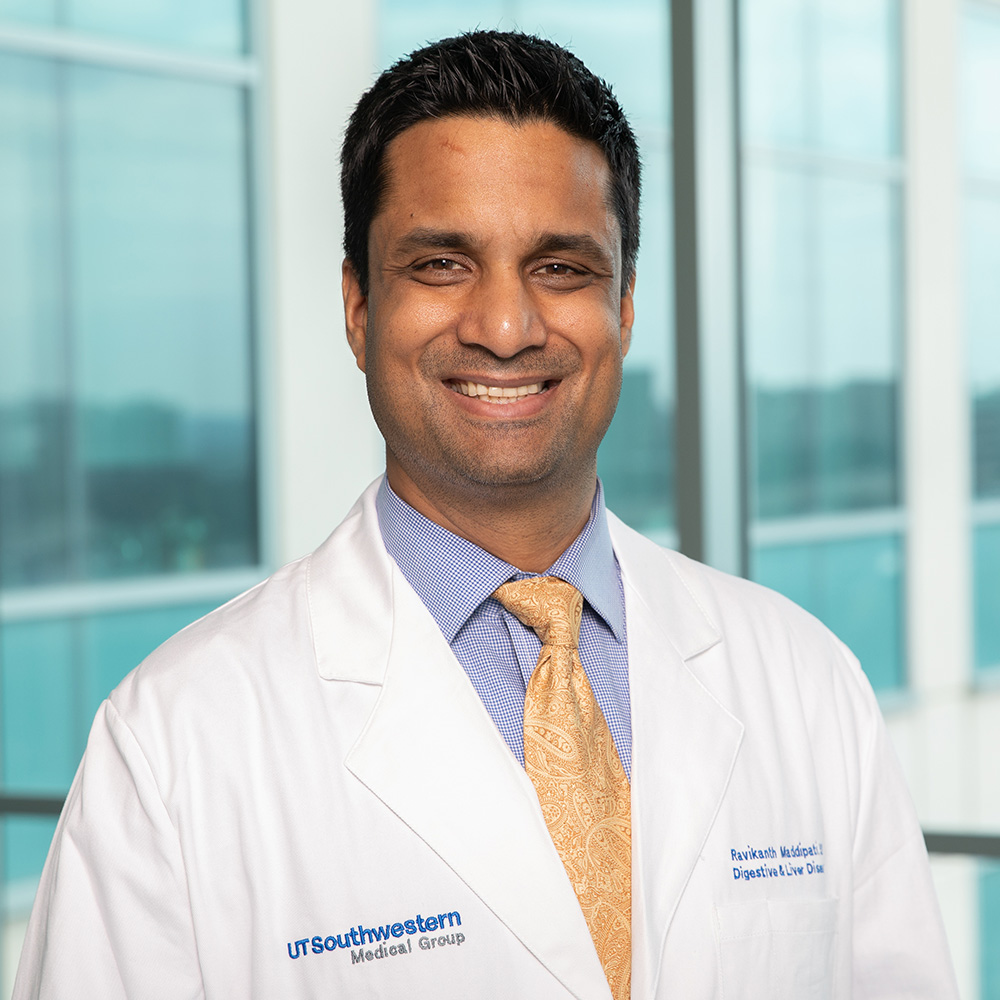
Ravikanth Maddipati, M.D., Assistant Professor of Internal Medicine and in Children’s Medical Center Research Institute at UT Southwestern, has been awarded $1.5 million from the National Institutes of Health (NIH) to support research investigating positional heterogeneity in cancer, or how tumors in the same organ can behave differently based on where they form.
Repurposed drug has promising efficacy in non-small cell lung cancer: Newsroom - UT Southwestern, Dallas, Texas
https://www.utsouthwestern.edu/newsroom/articles/year-2024/dec-efficacy-non-small-cell-lung-cancer.html
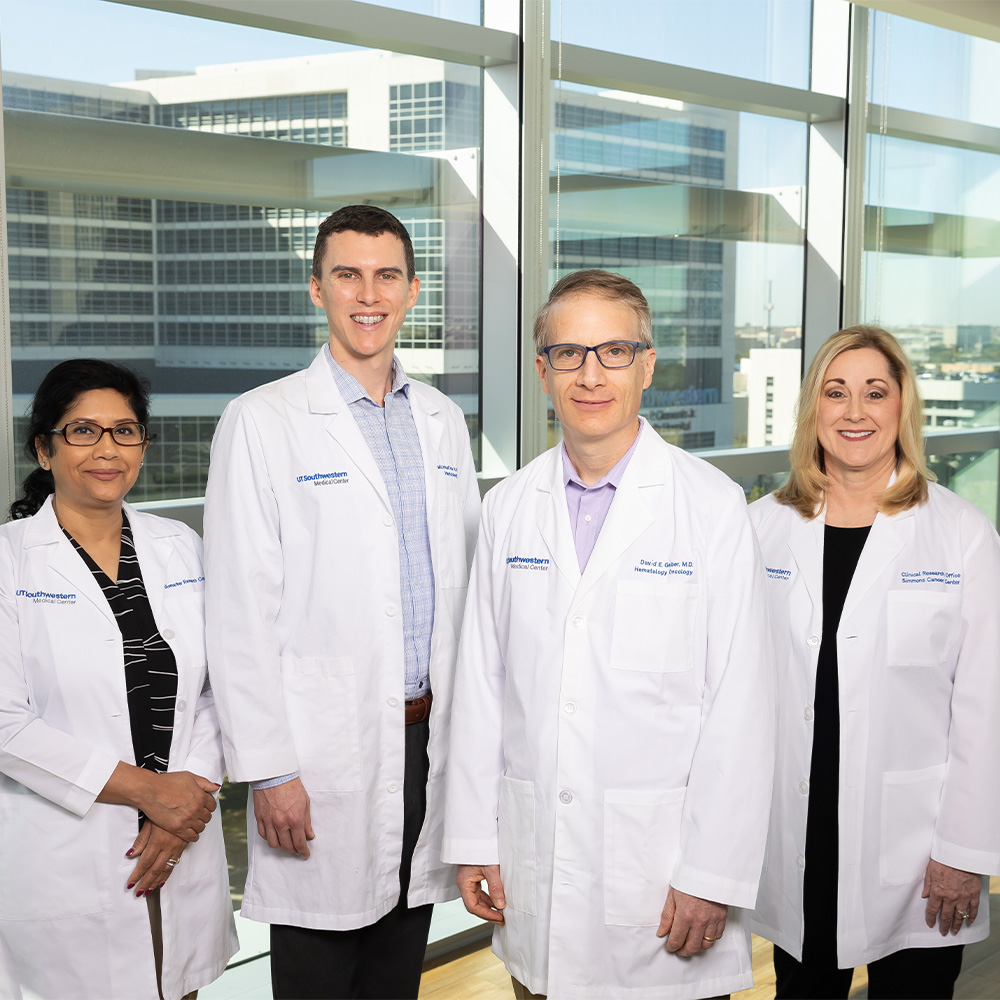
An FDA-approved drug used to treat multiple myeloma and lymphoma also shrank tumors in non-small cell lung cancer (NSCLC) with KRAS mutations, a clinical trial led by UT Southwestern Harold C. Simmons Comprehensive Cancer Center researchers showed.
Children’s Research Institute at UT Southwestern scientists discover kidney cancers rely on mitochondrial metabolism to metastasize: Newsroom - UT Southwestern, Dallas, Texas
https://www.utsouthwestern.edu/newsroom/articles/year-2024/aug-cri-utsw-kidney-cancers-mitochondrial-metabolism.html
Contrary to how tumors operate while still in the kidney, metastatic kidney cancers rely heavily on mitochondrial metabolism, according to new research from Children’s Medical Center Research Institute at UT Southwestern (CRI) published in Nature.
Children’s Research Institute at UT Southwestern discovers tumor growth fueled by nucleotide salvage: Newsroom - UT Southwestern, Dallas, Texas
https://www.utsouthwestern.edu/newsroom/articles/year-2024/july-childrens-ut-tumor-growth-nucleotide-salvage.html
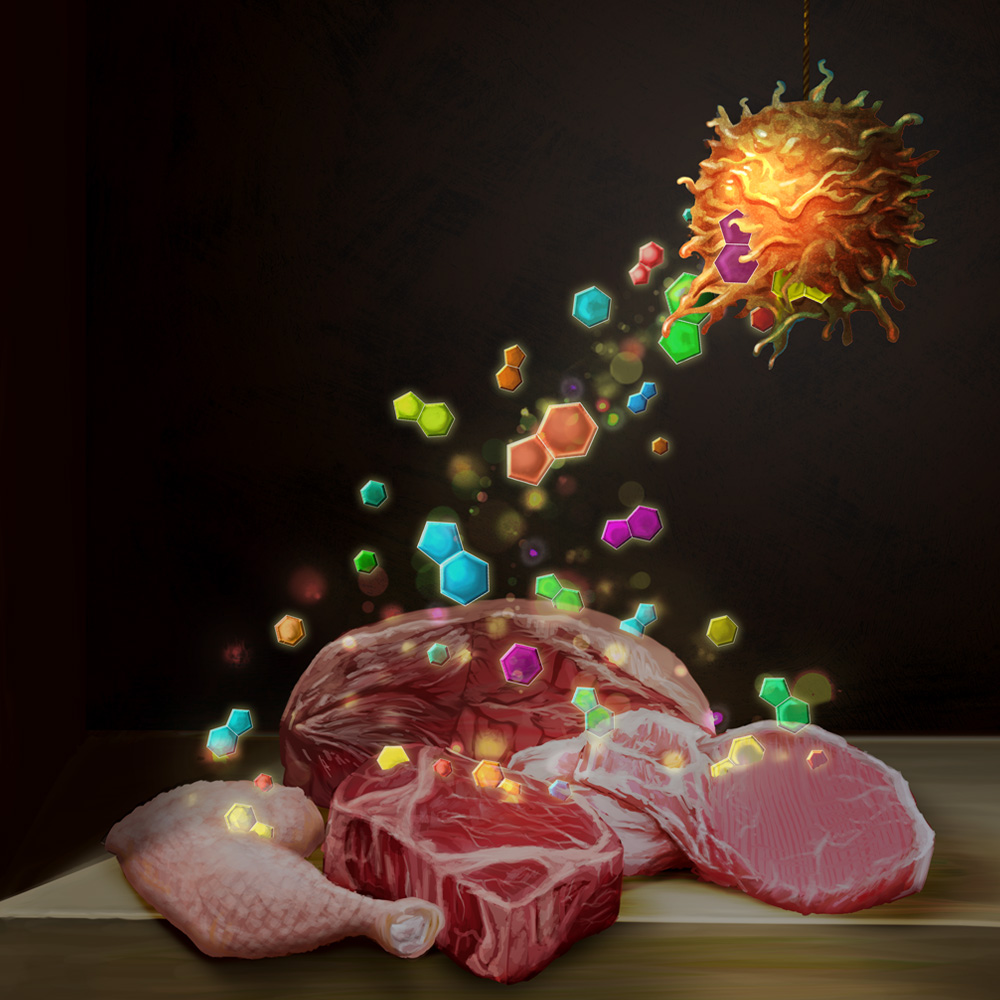
Cancer cells salvage purine nucleotides to fuel tumor growth, including purines in foods we eat, an important discovery with implications for cancer therapies from research by Children’s Medical Center Research Institute at UT Southwestern published in Cell.
Children’s Research Institute at UT Southwestern scientists identify feature of aggressive non-small cell lung cancer: Newsroom - UT Southwestern, Dallas, Texas
https://www.utsouthwestern.edu/newsroom/articles/year-2025/feb-cri-utsw-aggressive-non-small-cell-lung-cancer.html
In localized non-small cell lung cancer (NSCLC), a tumor’s ability to use carbon from glucose to feed the tricarboxylic acid (TCA) cycle predicts cancer spread beyond the lung, months to years before metastases are clinically apparent. According to this new research from Children’s Medical Center Research Institute at UT Southwestern (CRI) published in Cancer Discovery, tumors with this metabolic activity result in early patient death.
Scientists identify source of weight gain from antipsychotics: Newsroom - UT Southwestern, Dallas, Texas
https://www.utsouthwestern.edu/newsroom/articles/year-2021/scientists-identify-source-of-weight-gain-from-antipsychotics.html

Scientists with UT Southwestern’s Peter O’Donnell Jr. Brain Institute have identified the molecular mechanism that can cause weight gain for those using a common antipsychotic medication.
Try physical therapy before your knee surgery: Newsroom - UT Southwestern, Dallas, Texas
https://www.utsouthwestern.edu/newsroom/articles/year-2022/try-physical-therapy-before-your-knee-surgery.html
With knee replacement surgery becoming more common, Varatharaj Mounasamy, M.D., Professor of Orthopaedic Surgery at UT Southwestern Medical Center who specializes in hip and knee replacements, recommends taking off from work for a few weeks, joining a class to learn more about joint replacement, and attending physical therapy before surgery.
UT Southwestern surgeon offers insight on elbow injuries among young baseball players: Newsroom - UT Southwestern, Dallas, Texas
https://www.utsouthwestern.edu/newsroom/articles/year-2023/april-elbow-injuries-among-young-baseball-players.html

Tears or ruptures of the ulnar collateral ligament (UCL) are the most common elbow injury among baseball players from youth leagues to the major leagues, especially pitchers.
Experts call for more clinical trials on alcohol use, liver disease: Newsroom - UT Southwestern, Dallas, Texas
https://www.utsouthwestern.edu/newsroom/articles/year-2024/june-clinical-trials-alcohol-use-liver-disease.html
More clinical research is needed to investigate how reducing alcohol consumption in patients with alcohol-related liver disease (ALD) may slow disease progression and improve outcomes, according to an international task force of experts from more than two dozen institutions including UT Southwestern Medical Center.