
Search
When the BumR gives you diarrhea - UT Southwestern, Dallas, Texas
https://www.utsouthwestern.edu/newsroom/articles/year-2020/when-the-bumr-gives-you-diarrhea.html
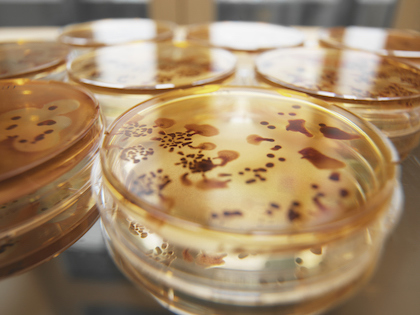
A study from UT Southwestern researchers sheds new light on how the bug that’s the No. 1 cause of bacterial diarrhea finds its way through the human gut.
Understanding the circadian clocks of individual cells: Newsroom - UT Southwestern, Dallas, Texas
https://www.utsouthwestern.edu/newsroom/articles/year-2020/understanding-the-circadian-clocks-of-individual-cells.html
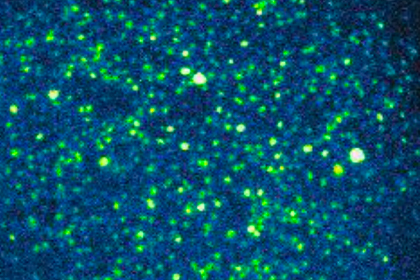
Two new studies led by UT Southwestern scientists outline how individual cells maintain their internal clocks, driven both through heritable and random means.
Cancer-fighting gene restrains 'jumping genes' : Newsroom - UT Southwestern, Dallas, Texas
https://www.utsouthwestern.edu/newsroom/articles/year-2020/cancer-fighting-gene-restrains-jumping-genes.html
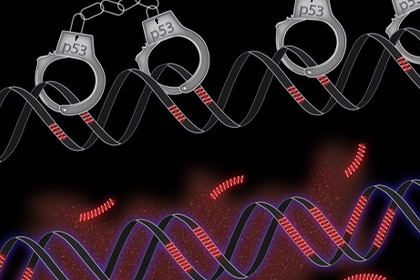
About half of all tumors have mutations of the gene p53, normally responsible for warding off cancer. Now, UT Southwestern scientists have discovered a new role for p53 in its fight against tumors: preventing retrotransposons, or “jumping genes,” from hopping around the human genome.
Seeing corneal degeneration in a new light: Newsroom - UT Southwestern, Dallas, Texas
https://www.utsouthwestern.edu/newsroom/articles/year-2020/seeing-corneal-degeneration-in-a-new-light.html
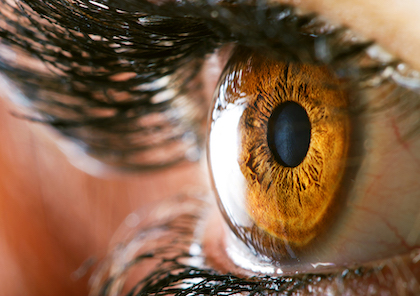
The molecular changes that lead to Fuchs’ endothelial corneal dystrophy (FECD) occur decades before the disease causes blurry vision and other noticeable symptoms in patients.
High-sugar diet can damage the gut, intensifying risk for colitis : Newsroom - UT Southwestern, Dallas, Texas
https://www.utsouthwestern.edu/newsroom/articles/year-2020/high-sugar-diet-can-damage-the-gut.html
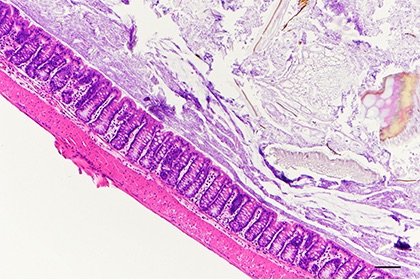
Mice fed diets high in sugar developed worse colitis, a type of inflammatory bowel disease (IBD), and researchers examining their large intestines found more of the bacteria that can damage the gut’s protective mucus layer.
Learning the wiring diagram for autism spectrum disorders: Newsroom - UT Southwestern, Dallas, Texas
https://www.utsouthwestern.edu/newsroom/articles/year-2020/learning-the-wiring-diagram-for-autism-spectrum-disorders.html
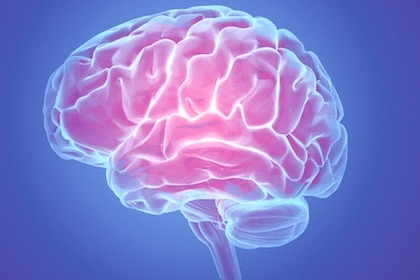
A team led by UT Southwestern researchers has identified brain circuitry that plays a key role in the dysfunctional social, repetitive, and inflexible behavioral differences that characterize autism spectrum disorders (ASD).
How cancer cells stiff-arm normal environmental cues to consume energy: Newsroom - UT Southwestern, Dallas, Texas
https://www.utsouthwestern.edu/newsroom/articles/year-2020/how-cancer-cells-consume-energy.html
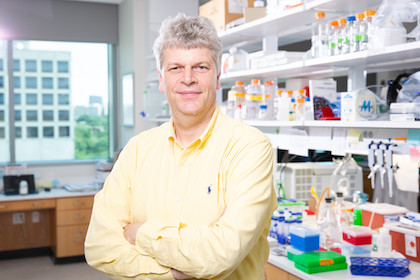
UT Southwestern researchers have uncovered how cells in general modulate their energy consumption based on their surroundings.
Human cells can exchange genomic DNA that alters cell behavior: Newsroom - UT Southwestern, Dallas, Texas
https://www.utsouthwestern.edu/newsroom/articles/year-2026/may-cri-human-cells-dna.html
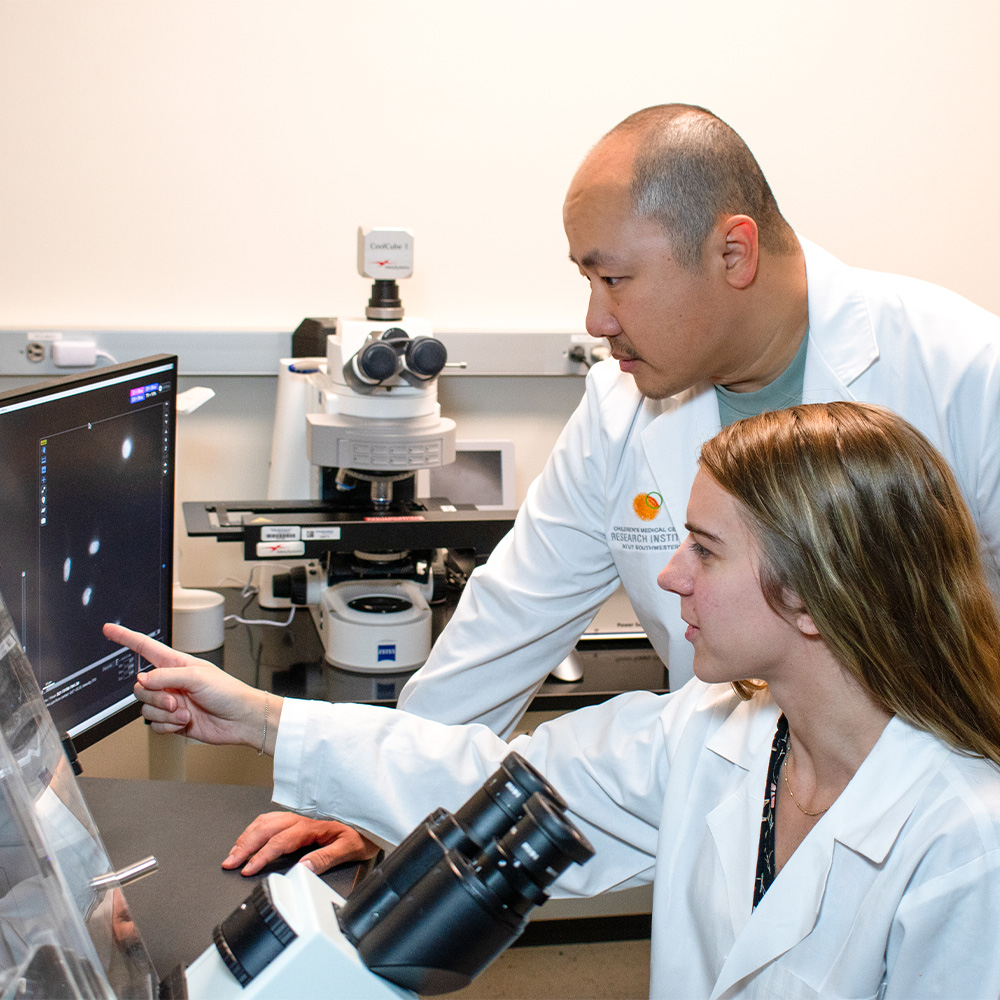
Scientists at Children’s Medical Center Research Institute at UT Southwestern (CRI) have discovered that large pieces of DNA can transfer directly between human cells, and the DNA can persist and change how the recipient cell functions.
How cancer cells don their invisibility cloaks - UT Southwestern, Dallas, Texas
https://www.utsouthwestern.edu/newsroom/articles/year-2020/how-cancer-cells-don-their-invisibility-cloaks.html
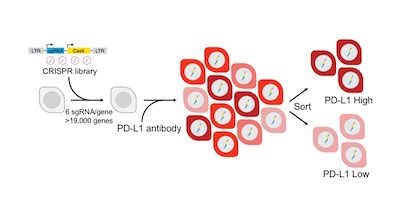
Immunotherapy drugs that target a protein called programmed death ligand 1 (PD-L1) on the surface of cancer cells have quickly become a mainstay to treat many forms of cancer, often with dramatic results.
Two UT Southwestern scientists selected as HHMI Hanna Gray Fellows : Newsroom - UT Southwestern, Dallas, Texas
https://www.utsouthwestern.edu/newsroom/articles/year-2022/september-hanna-h-gray-fellows-program.html

Two UT Southwestern postdoctoral fellows – Gabriel Muhire Gihani, Ph.D., and Victor Lopez, Ph.D. – are among 25 early career scientists in the United States selected as 2022 Hanna H. Gray Fellows.