
Search
UTSW Research: COVID-19’s effects, brain-computer interfaces, and more: Newsroom - UT Southwestern, Dallas, Texas
https://www.utsouthwestern.edu/newsroom/articles/year-2025/jan-research-roundup.html
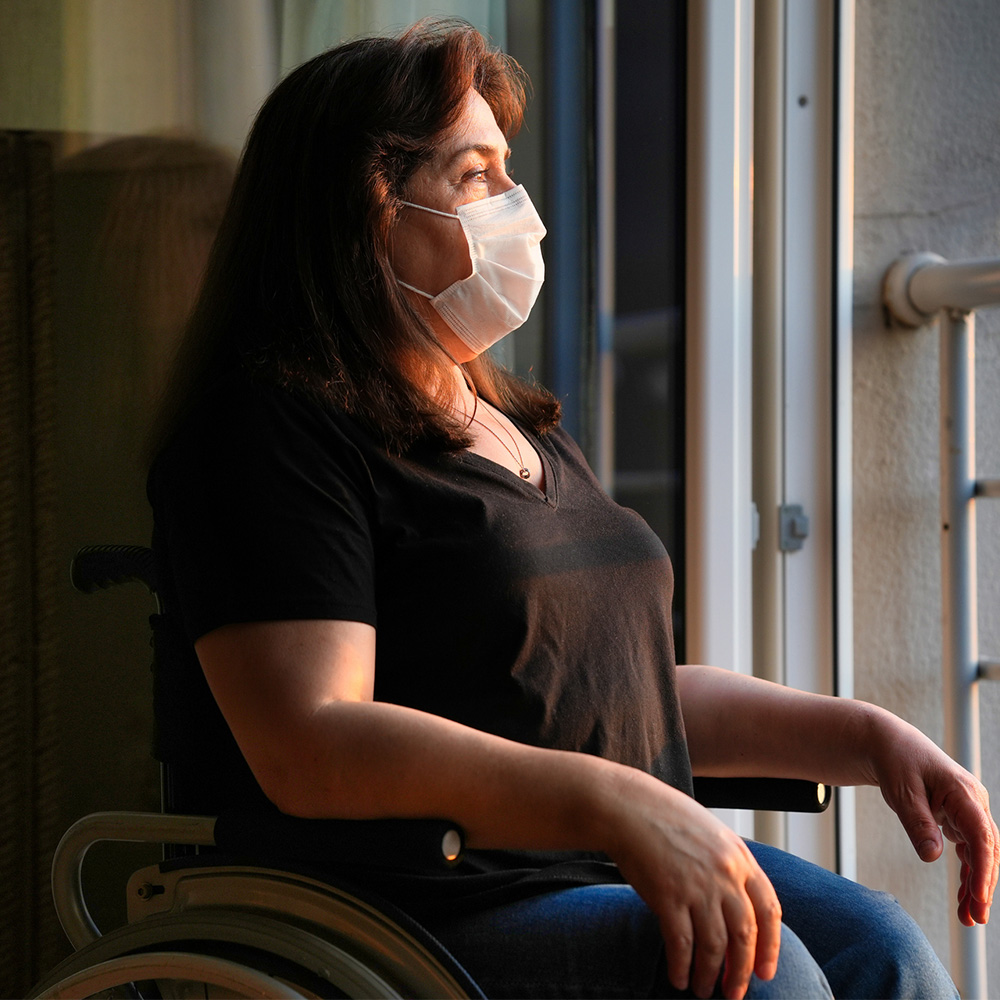
People with multiple sclerosis (MS) are at an increased risk of infection and infection-related hospitalizations, but a study published in Neurology found that being infected with COVID-19 did not significantly affect the course of the disease.
Molecular switch linked to lineage plasticity, therapy resistance: Newsroom - UT Southwestern, Dallas, Texas
https://www.utsouthwestern.edu/newsroom/articles/year-2024/june-prostate-cancer.html
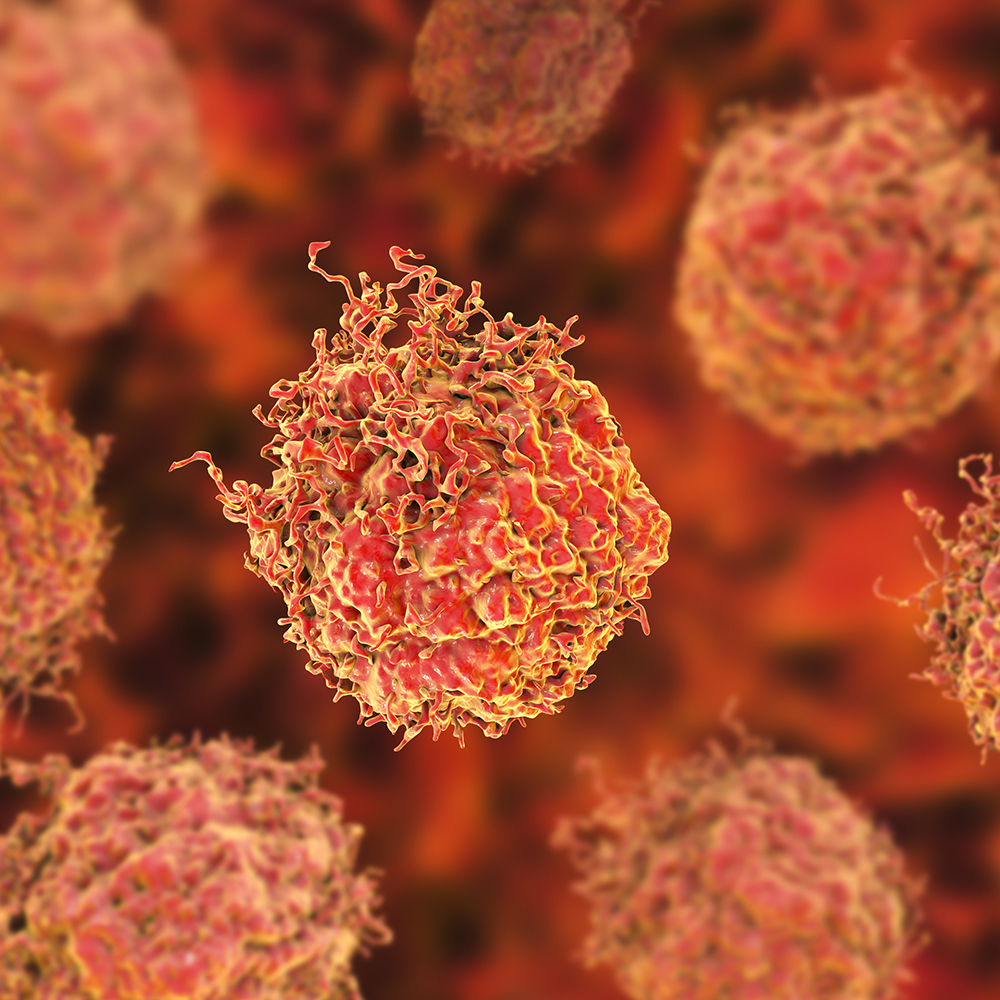
Two genes working in tandem play a critical role in shaping the identity and behavior of prostate cancer cells and their response to treatment, UT Southwestern Medical Center researchers report.
UTSW Research: Female sex hormones, adrenal hyperplasia, and more: Newsroom - UT Southwestern, Dallas, Texas
https://www.utsouthwestern.edu/newsroom/articles/year-2024/july-research-roundup.html
For decades, researchers have assumed that women taking oral contraceptives have stable levels of sex hormones over each monthly cycle. However, a new study in the American Journal of Physiology-Endocrinology and Metabolism led by Yasin Dhaher, Ph.D., Professor of Physical Medicine & Rehabilitation and Orthopaedic Surgery at UT Southwestern Medical Center, shows that the opposite is true.
Cardiovascular risk, complications changed as pandemic progressed: Newsroom - UT Southwestern, Dallas, Texas
https://www.utsouthwestern.edu/newsroom/articles/year-2023/april-cardiovascular-risk.html

The rate of heart attacks, strokes, and other cardiovascular complications increased among patients hospitalized with COVID-19 between March 2020 and December 2021, according to a new study led by UT Southwestern Medical Center researchers.
UTSW study reveals how key protein affects neuron structure: Newsroom - UT Southwestern, Dallas, Texas
https://www.utsouthwestern.edu/newsroom/articles/year-2024/sept-torsinA.html
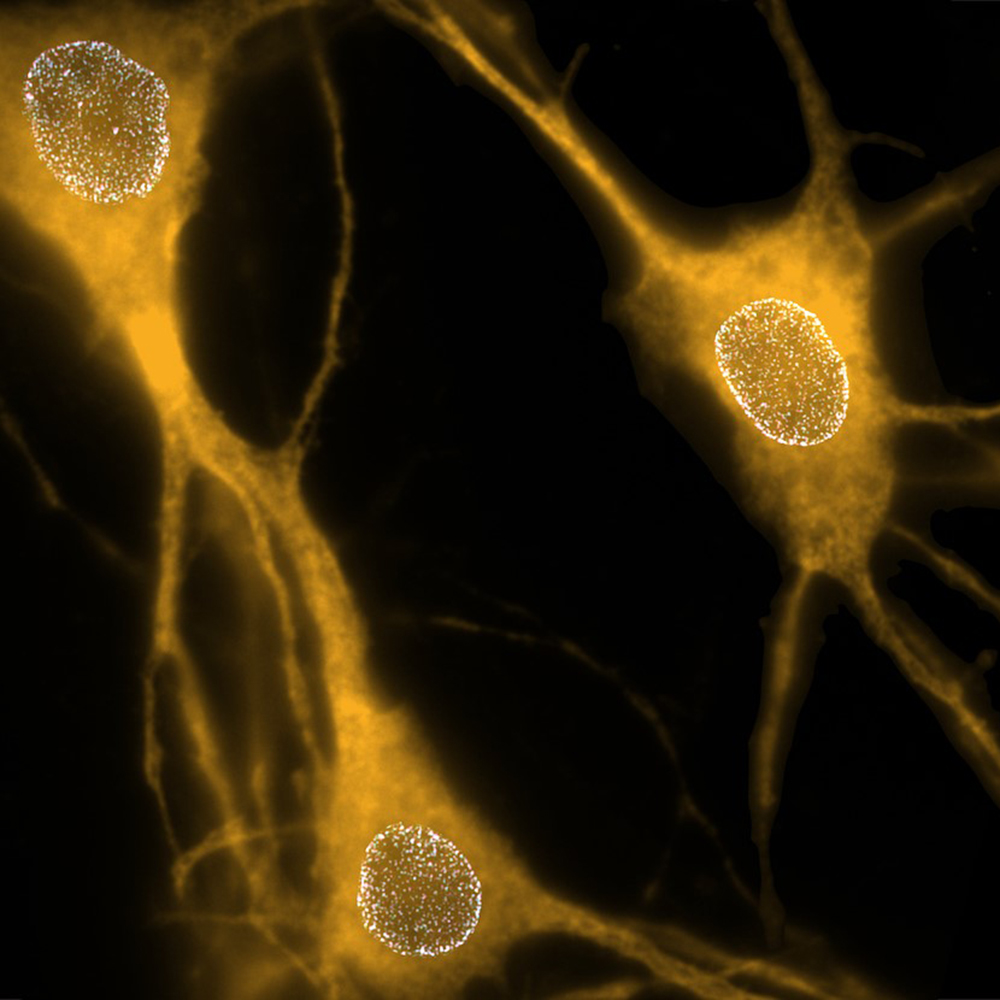
A protein called torsinA plays a key role in the early development of neurons, determining where nuclear pores are placed in the membrane that encloses the nucleus of nerve cells, a study led by UT Southwestern Medical Center researchers shows.
UT Southwestern molecular biologist to receive O'Donnell Award from TAMEST: Newsroom - UT Southwestern, Dallas, Texas
https://www.utsouthwestern.edu/newsroom/articles/year-2024/jan-tamest-tagliabracci.html
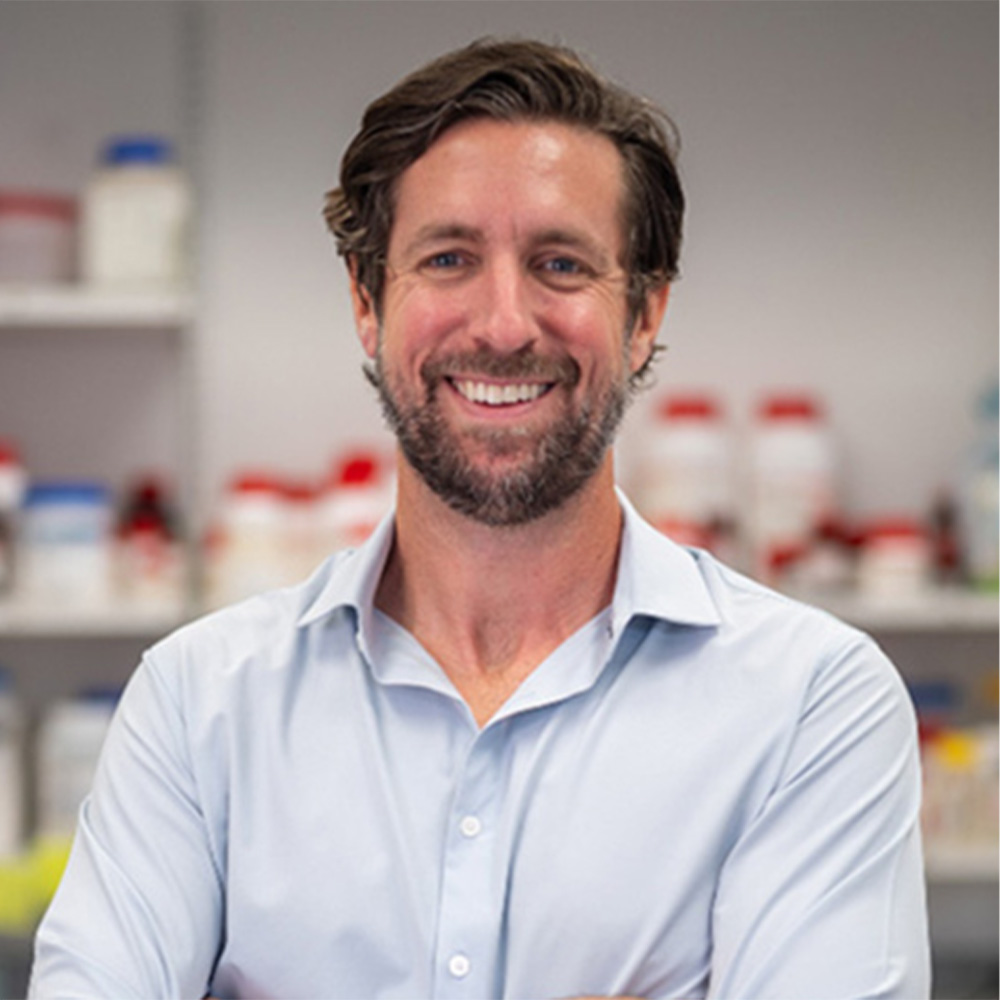
Vincent Tagliabracci, Ph.D., Associate Professor of Molecular Biology at UT Southwestern Medical Center, will receive the 2024 Edith and Peter O’Donnell Award in Biological Sciences from the Texas Academy of Medicine, Engineering, Science and Technology (TAMEST) for broadening the understanding of pseudokinases, a family of enzymes that play key roles in many physiological and pathological processes.
UT Southwestern joins Dallas and nation in mourning the loss of U.S. Rep. Eddie Bernice Johnson, inspirational leader and supporter: Newsroom - UT Southwestern, Dallas, Texas
https://www.utsouthwestern.edu/newsroom/articles/year-2024/jan-ebj-tribute.html
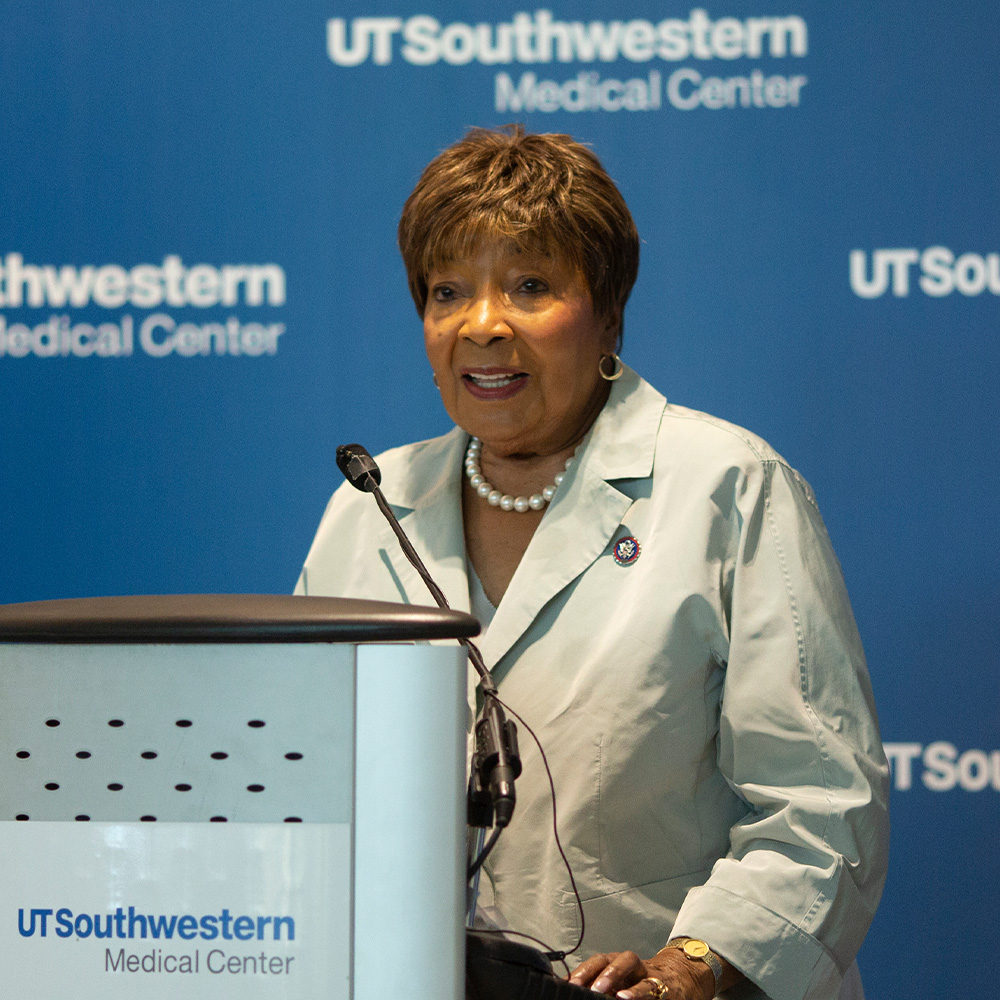
UT Southwestern Medical Center joined leaders in Dallas and across the nation in mourning the loss and honoring the legacy of U.S. Rep. Eddie Bernice Johnson, an inspirational leader who helped advance the medical center’s science, research, clinical care, and educational initiatives during her extraordinary career representing the area.
Study links chronic pain to quality of family relationships: Newsroom - UT Southwestern, Dallas, Texas
https://www.utsouthwestern.edu/newsroom/articles/year-2024/june-chronic-pain.html
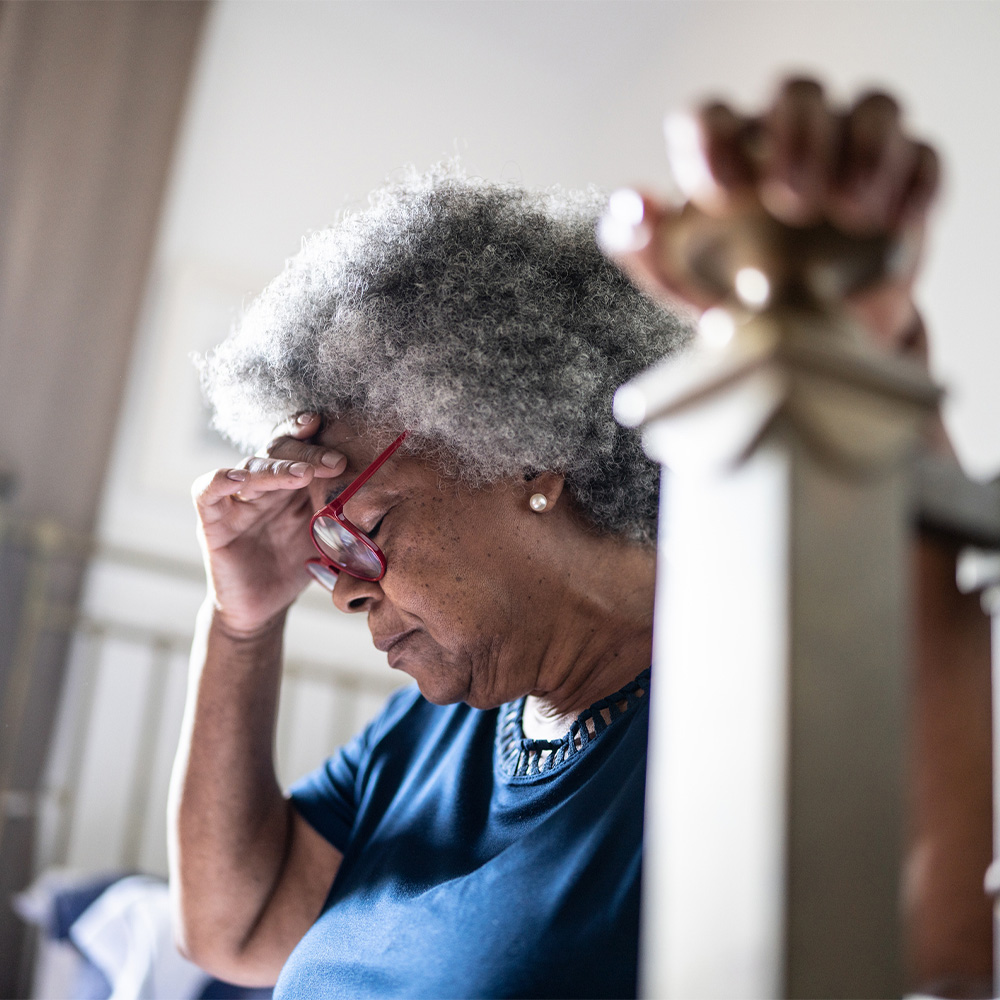
– Strong family relationships have long been associated with a better sense of well-being and connection. Now a research team led by UT Southwestern Medical Center has linked the quality of those relationships with how successfully people – particularly aging African Americans – manage pain.
Studies examine different responses to SARS-CoV-2 variants: Newsroom - UT Southwestern, Dallas, Texas
https://www.utsouthwestern.edu/newsroom/articles/year-2024/jan-sars-cov-2-variants.html
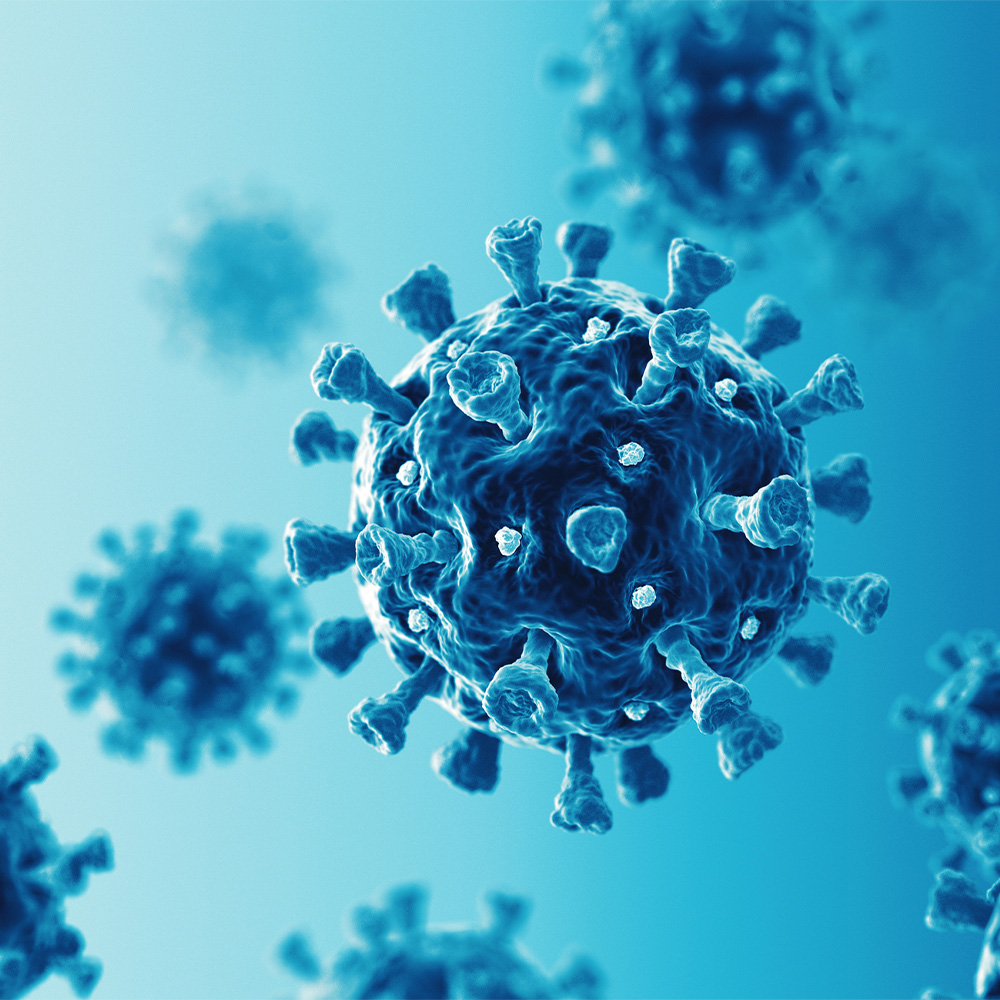
– Two studies led by a researcher at UT Southwestern Medical Center show the effects of different SARS-CoV-2 variants on lung tissue, revealing what may cause some COVID-19 infections to be more severe than others.
Team tests strategies to care for patients with multiple diseases: Newsroom - UT Southwestern, Dallas, Texas
https://www.utsouthwestern.edu/newsroom/articles/year-2024/june-multiple-diseases.html

In a large clinical trial, UT Southwestern Medical Center researchers developed a robust model for testing strategies to prevent health problems in patients with multiple chronic conditions.