
Search
New framework developed for treating liver cancer: Newsroom - UT Southwestern, Dallas, Texas
https://www.utsouthwestern.edu/newsroom/articles/year-2026/aug-treating-liver-cancer.html
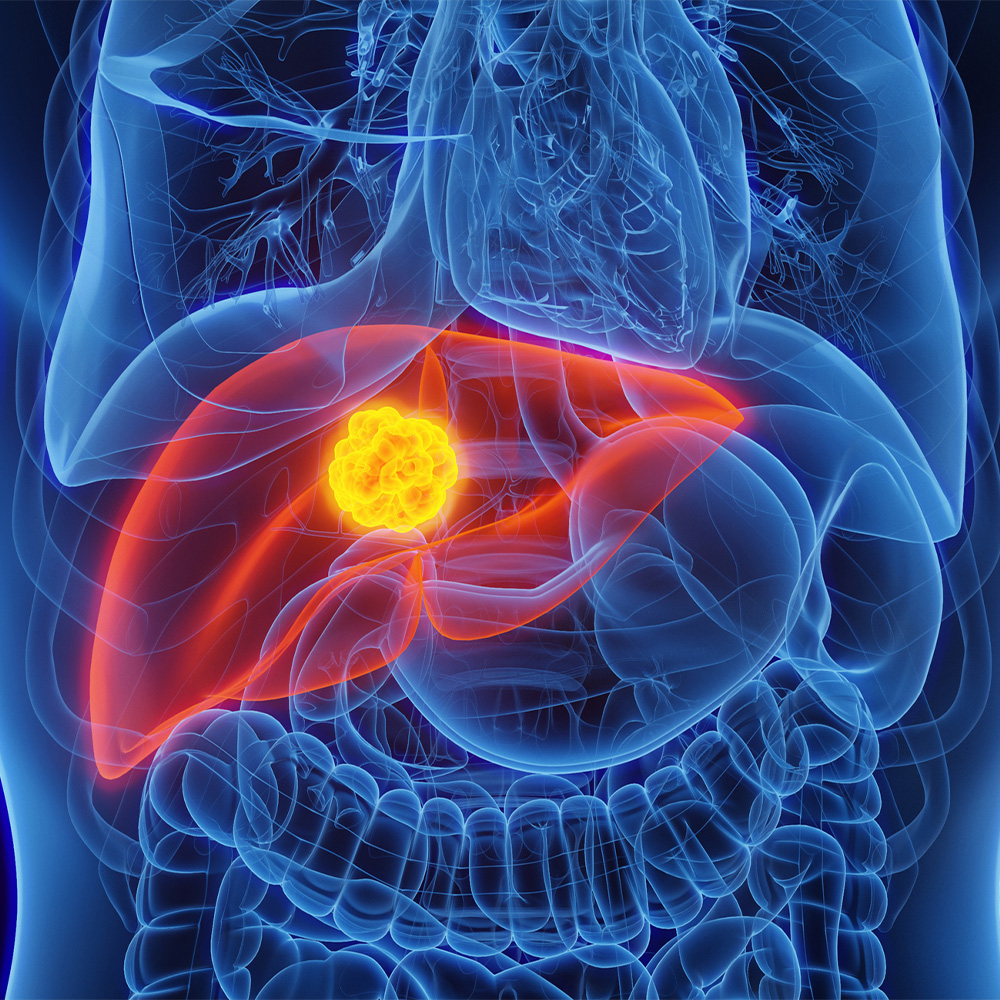
A multidisciplinary team co-led by Amit Singal, M.D., Chief of Hepatology and Director of the Liver Tumor Program in the Division of Digestive and Liver Diseases at UT Southwestern Medical Center, has developed new treatment recommendations for liver cancer that incorporate the latest research and an expanding range of therapeutic options.
Modified tau thwarts aggregation in neurodegenerative disease: Newsroom - UT Southwestern, Dallas, Texas
https://www.utsouthwestern.edu/newsroom/articles/year-2025/dec-tau-thwarts-aggregation-neurodegenerative-disease.html
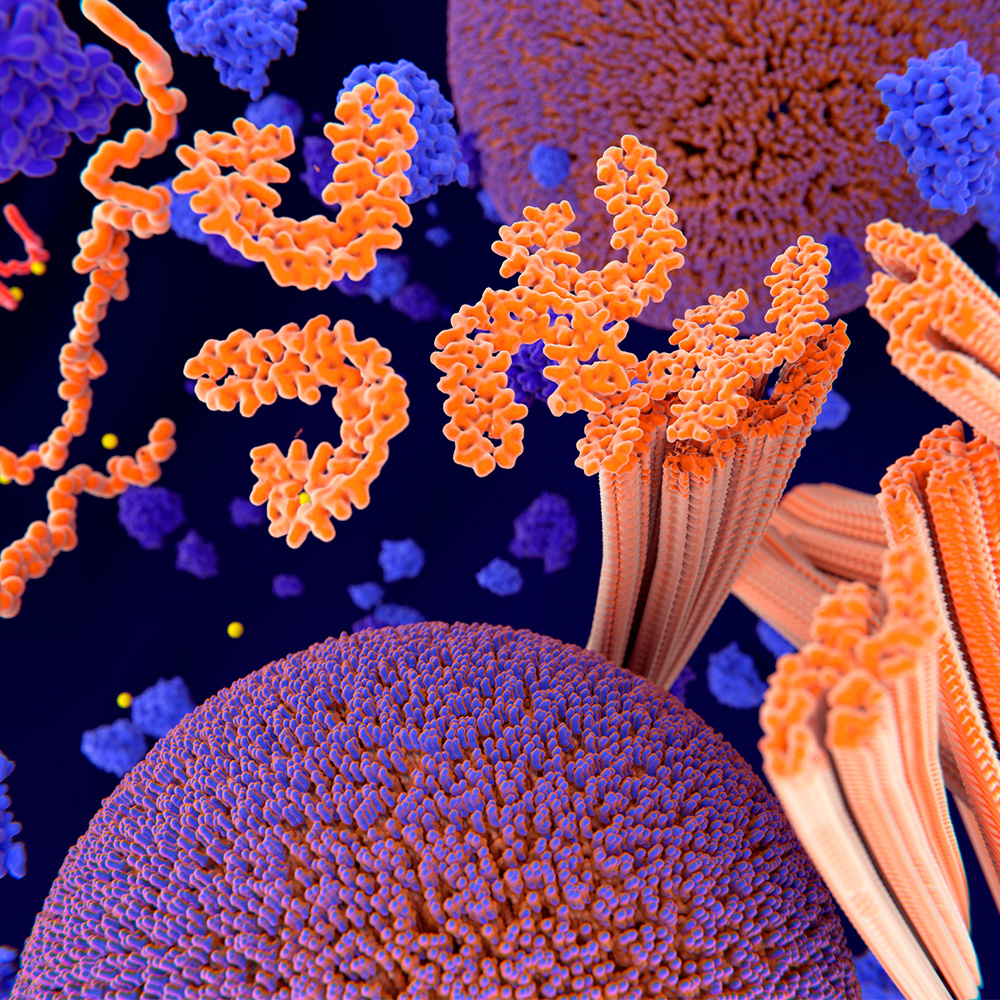
A designer version of the tau protein, developed by a team led by UT Southwestern Medical Center researchers, maintains its biological function while resisting aggregation, a pathological trait linked to neurodegenerative diseases called tauopathies.
Findings may move science closer to growing organs in other species: Newsroom - UT Southwestern, Dallas, Texas
https://www.utsouthwestern.edu/newsroom/articles/year-2025/dec-growing-organs-other-species.html
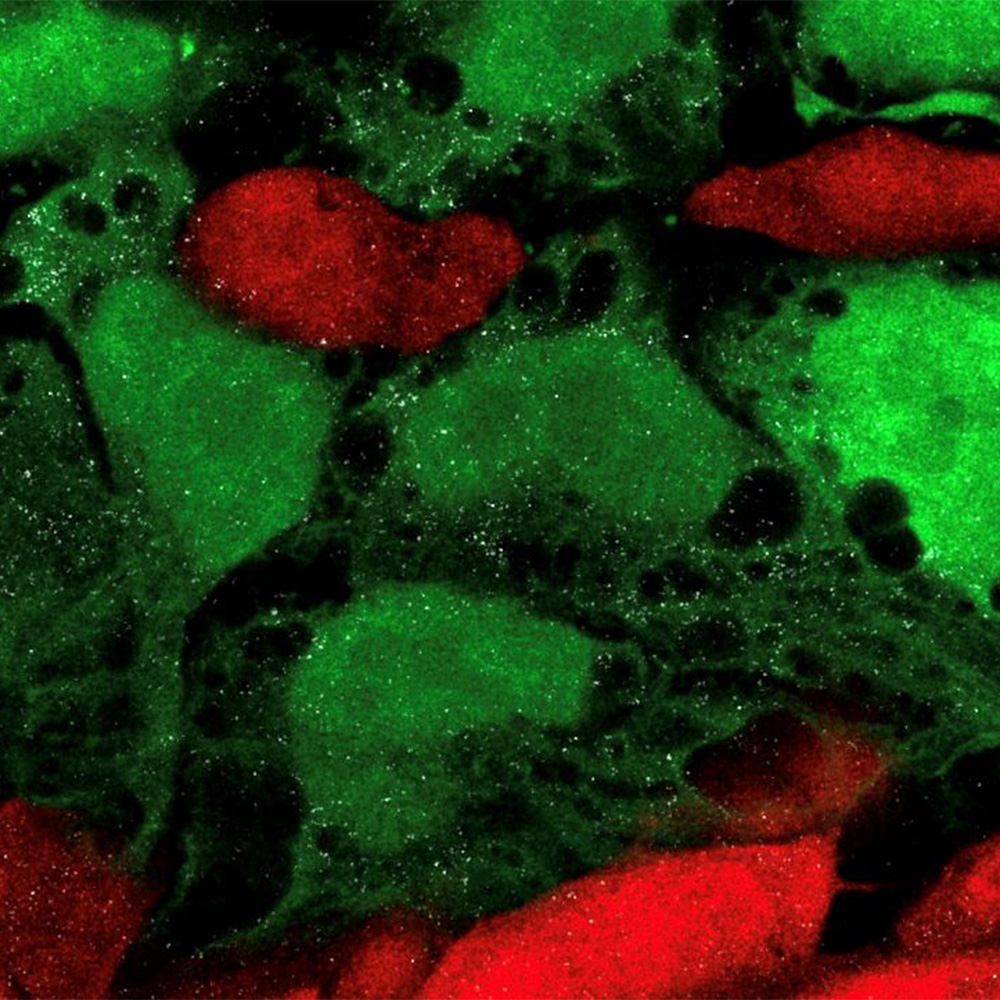
Failure of human pluripotent stem cells (PSCs) to survive when grown with the PSCs of distantly related species occurs because of an innate immune reaction in the nonhuman cells, a study led by UT Southwestern Medical Center researchers suggests.
Maternal Health Accelerator raises nearly $25 million to improve maternal morbidity rates in North Texas: Newsroom - UT Southwestern, Dallas, Texas
https://www.utsouthwestern.edu/newsroom/articles/year-2025/nov-mha-maternal-morbidity-rates.html
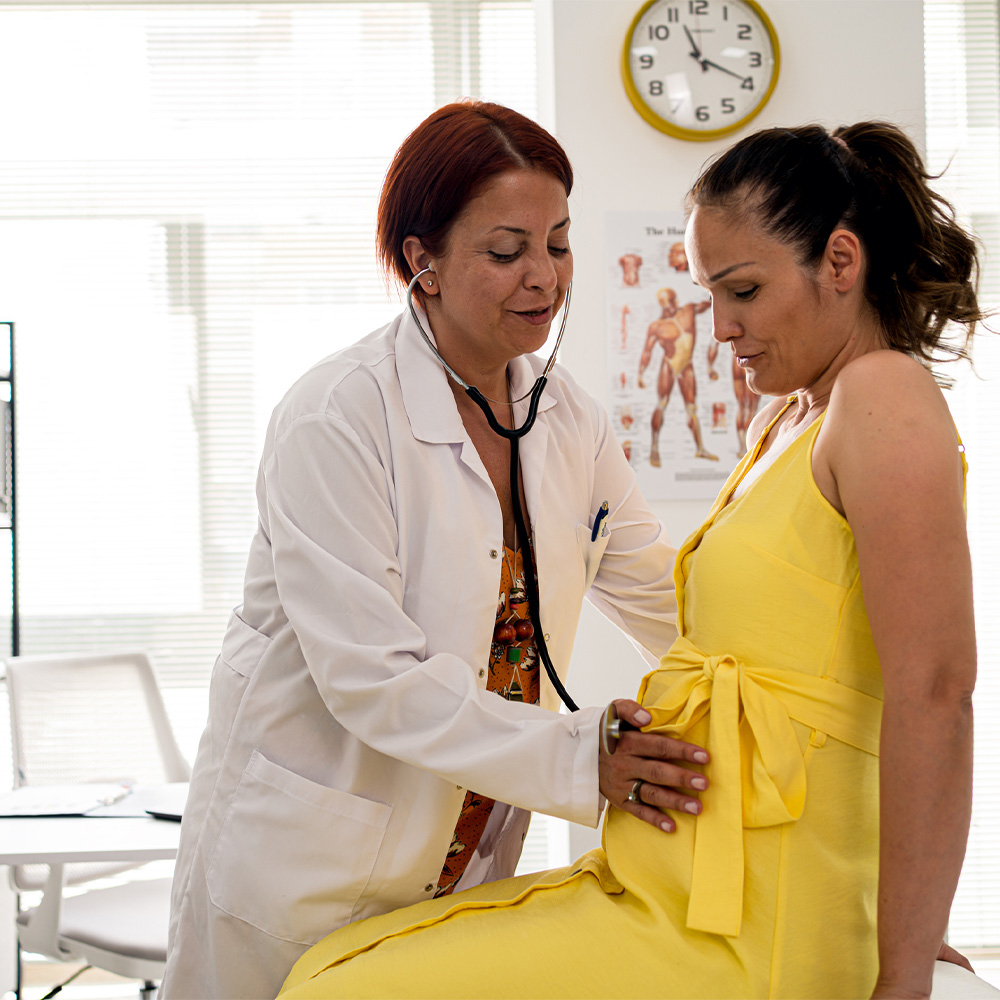
The Anne Burnett Marion School of Medicine at Texas Christian University and UT Southwestern Medical Center have joined forces to address some of the highest maternal morbidity rates in the country by forming the North Texas Maternal Health Accelerator (MHA).
Heat-related illnesses among children on the rise : Newsroom - UT Southwestern, Dallas, Texas
https://www.utsouthwestern.edu/newsroom/articles/year-2025/july-heat-related-illnesses-children.html

Higher summer temperatures are resulting in more children seeking emergency care for heat-related illnesses, with nearly 1 in 5 needing hospitalization, according to new research from UT Southwestern Medical Center published in Academic Pediatrics.
Household mold linked to inflammatory lung disease: Newsroom - UT Southwestern, Dallas, Texas
https://www.utsouthwestern.edu/newsroom/articles/year-2025/july-household-mold-inflammatory-lung-disease.html

Mold growth in homes is a significant trigger for hypersensitivity pneumonitis (HP), an inflammatory lung disease, according to a new study led by UT Southwestern Medical Center. Published in PLOS One, the research represents the largest study to date linking home mold exposure to HP and the first from North Texas.
Rare genetic disorder linked to liver dysfunction, hypoglycemia, lipodystrophy : Newsroom - UT Southwestern, Dallas, Texas
https://www.utsouthwestern.edu/newsroom/articles/year-2025/dec-rare-genetic-disorder-hypoglycemia.html
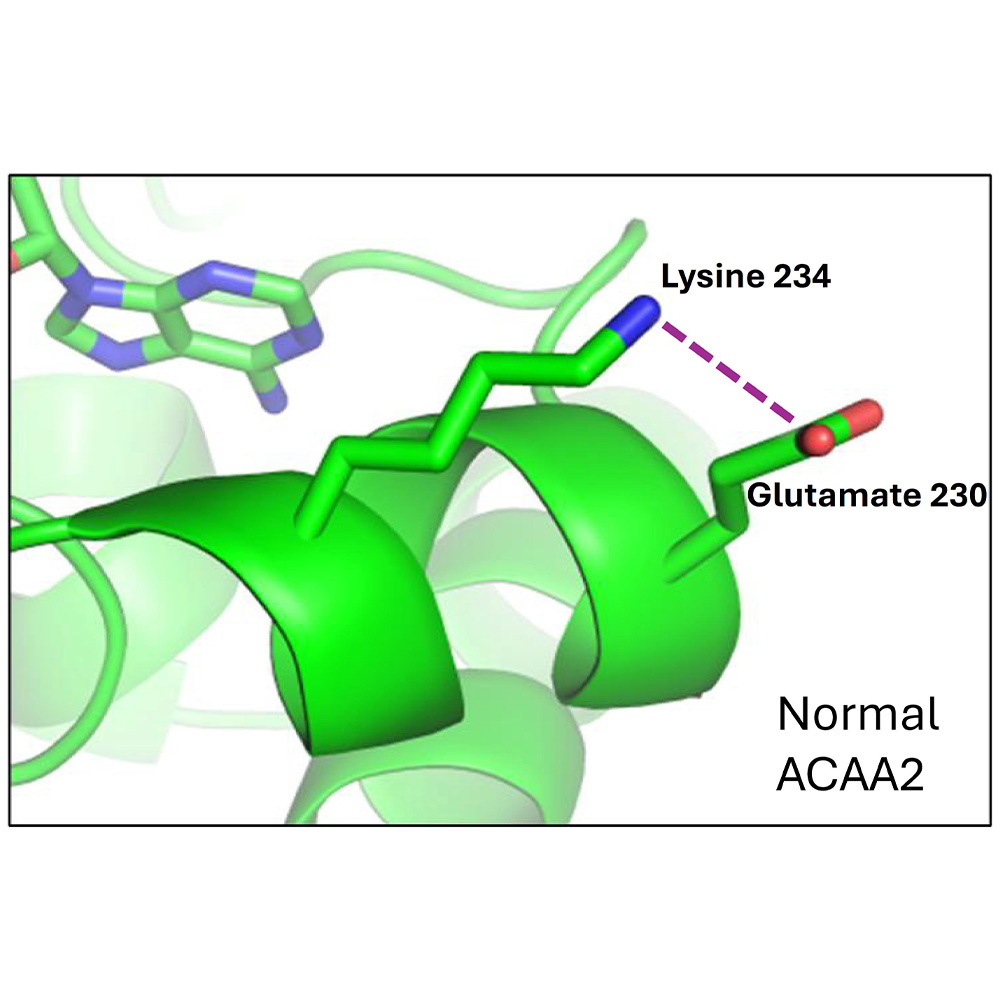
A rare genetic disorder discovered by UT Southwestern Medical Center researchers and their colleagues can cause brain damage from dangerously low blood sugar levels and liver damage in infants, along with variable body fat loss, fatty tumors, and metabolic complications in youth and adults.
Metabolic hormone found to boost resilience against flu symptoms: Newsroom - UT Southwestern, Dallas, Texas
https://www.utsouthwestern.edu/newsroom/articles/year-2025/nov-metabolic-hormone-flu-symptoms.html
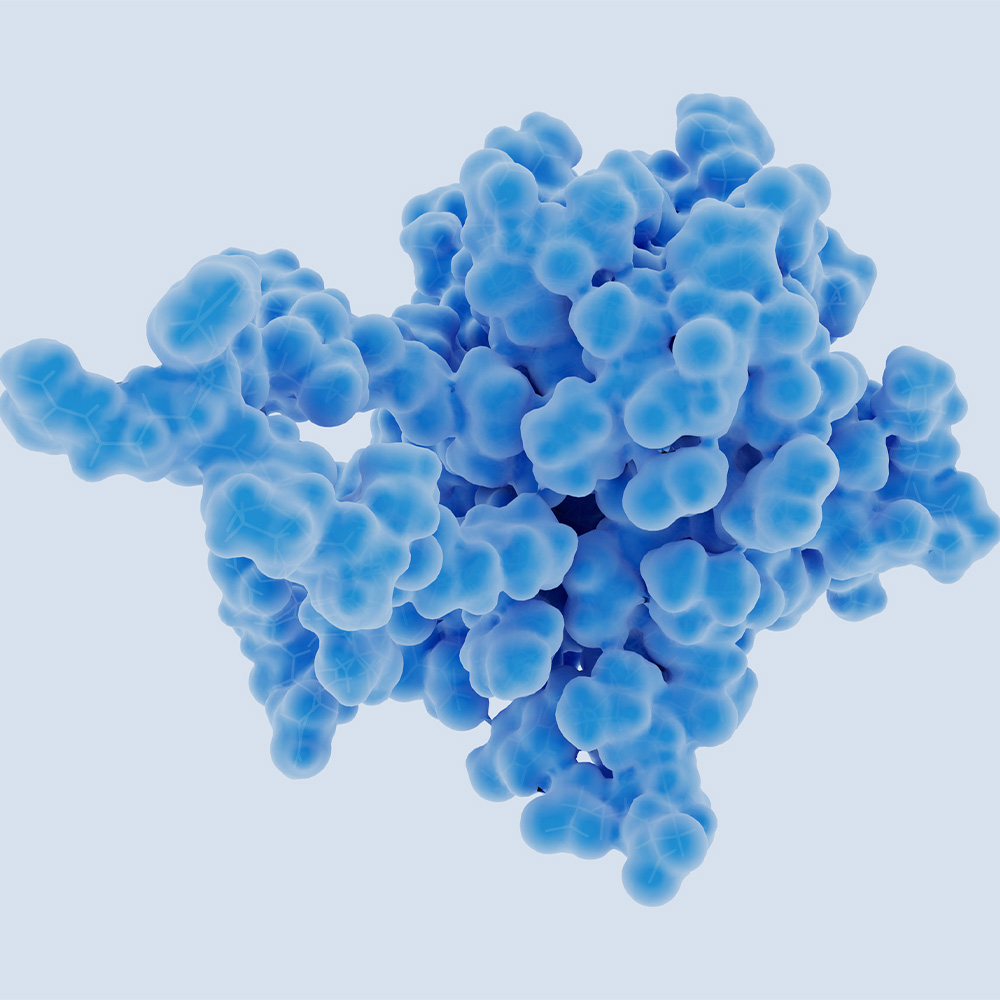
A hormone known for regulating energy balance also helps the body cope with influenza by triggering protective responses in the brain, a study led by UT Southwestern Medical Center researchers shows.
The secret lives of bacteria: How they evade viral attack : Newsroom - UT Southwestern, Dallas, Texas
https://www.utsouthwestern.edu/newsroom/articles/year-2025/aug-bacteria-evad-viral-attack.html
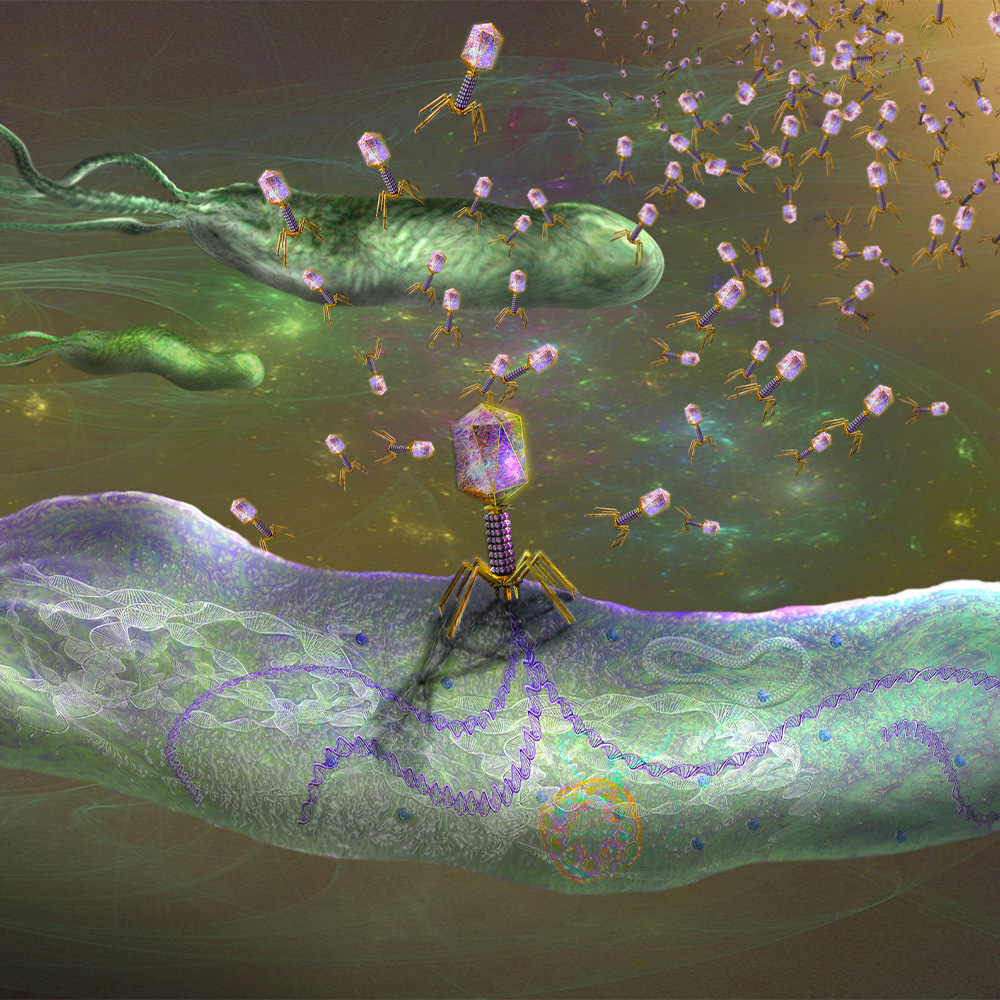
Researchers at UT Southwestern Medical Center have identified more than 200 strategies bacteria use to avoid viral infection. Their findings, published in Cell Host & Microbe, shed light on a microbial “arms race” that could lead to new approaches to fight infectious bacteria.
Circadian gene may be a key to humans’ unique cognitive abilities: Newsroom - UT Southwestern, Dallas, Texas
https://www.utsouthwestern.edu/newsroom/articles/year-2025/july-circadian-gene-cognitive-abilities.html
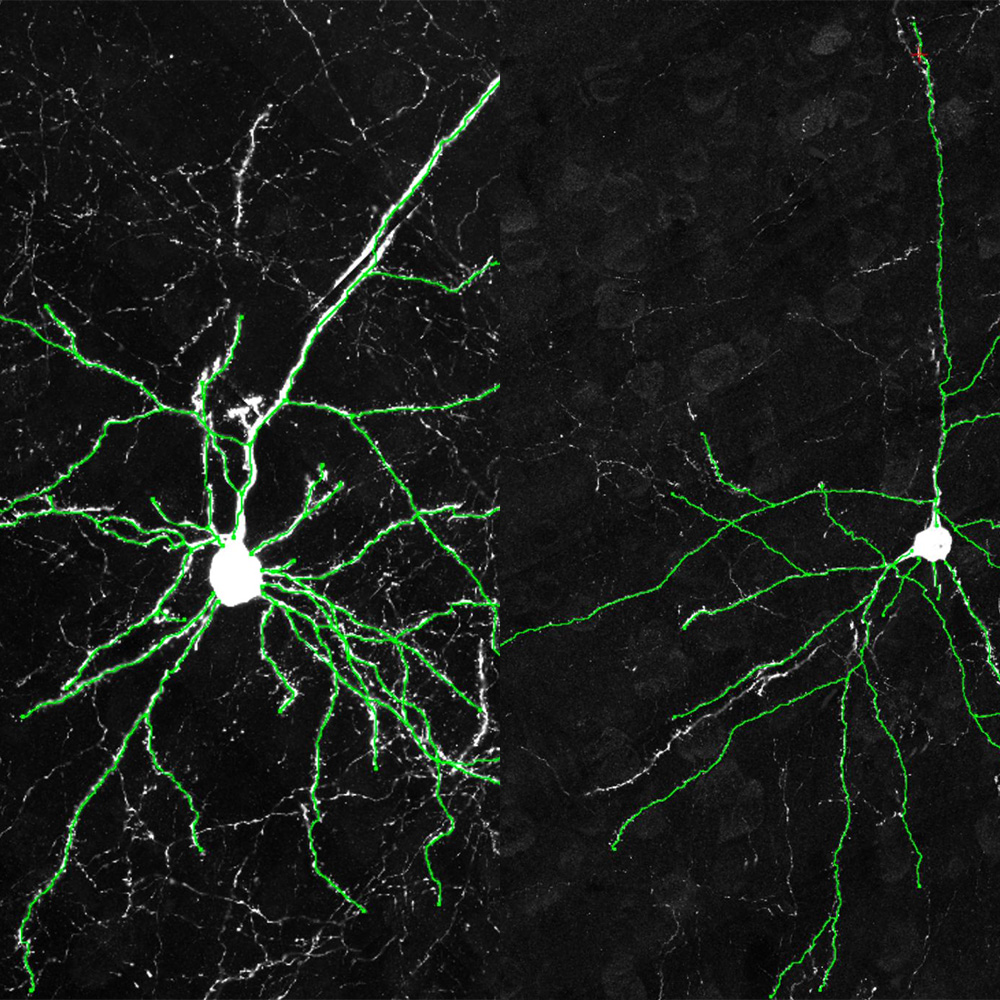
The CLOCK gene, which serves as a master controller of circadian rhythms, may play a key role in the extraordinary cognitive abilities of humans as well as neuropsychiatric disorders that afflict them, UT Southwestern Medical Center researchers report.